Indium Phosphide (InP) Wafers, Size: 2”, Thickness: 350± 25 μm, Orientation: 100, Single Side Polished, Testing Grade

Price range: $414.00 through $1,968.00
Select options This product has multiple variants. The options may be chosen on the product page
Indium Phosphide (InP) Wafers Size: 2”, Thickness: 350±25 μm, Orientation: 100 Technical Properties: Size (inch)  2” Thickness (μm)  350± 25 Dopant

Indium Phosphide (InP) Wafers, Size: 2”, Thickness: 350± 25 μm, Orientation: 111, Single Side Polished, EPI-Ready

Price range: $399.00 through $1,820.00
Select options This product has multiple variants. The options may be chosen on the product page
1 piece/360  5 pieces/1640                           Please contact us for quotes on larger quantities !!!

Indium Phosphide (InP) Wafers

Size: 2'', Thickness: 350±25 μm, Orientation: 111

Technical Properties:

Size (inch)  2”
Thickness (μm)  350± 25
Dopant  Sulphur (N type)
Polished  Single Side
Mobility (1.5-3.5)E3
Orientation  111
EPD  ≤5000
Growth method  VGF
OF Length  16±2
IF Length   8±1

Fields of Application for Indium Phosphide (InP)

Indium phosphide (InP) is a binary semiconductor composed of indium and phosphorus. Indium phosphide (InP) has started to be developed at the beginning of 1980s. Indium phosphide (InP) which used in a high power and high frequency electronics, has superior electron velocity. Indium phosphide (InP) has a direct bandgap by contrast with many semiconductors. This makes indium phosphide (InP) useful for optoelectronics and laser diodes. Indium phosphide (InP) is a crucial material for production of laser signals, determination and conversion of those signals back to electronic form. Indium Phopshide (InP) is a binary semiconductor composed of Indium (In) and Phosphorus (P), belonging to a group of materials commonly known as III-V Semiconductors. InP is used in high power and high-frequency electronics and boasts a superior electron velocity in comparison to more common semiconductors such as Silicon and Gallium Arsenide. Indium Phosphide has a face-centred cubic crystal structure almost identical to that of GaAs and most of the lll-V semiconductors. InP wafers must be prepared prior to device fabrication, all III-V wafers must be lapped to remove surface damage that occurs during the slicing process. Wafers are then Chemically Mechanically Polished/Plaranrized (CMP) for the final material removal stage allowing for the attainment of super-flat mirror like surfaces with a remaining roughness on an atomic scale. The wafer is then ready for device fabrication.
  • Indium phosphide (InP) is used in photo-detectors.
  • Indium phosphide (InP) is used in LEDs.
  • Indium phosphide (InP) is used in fiber communications components.
  • Indium phosphide (InP) is used in semiconductor optical amplifiers.

Indium Phosphide (InP) Wafers, Size: 2”, Thickness: 350± 25 μm, Orientation: 111, Single Side Polished, EPI-Ready

Price range: $432.00 through $1,968.00
Select options This product has multiple variants. The options may be chosen on the product page
Indium Phosphide (InP) Wafers Size: 2”, Thickness: 350±25 μm, Orientation: 111 Technical Properties: Size (inch)  2” Thickness (μm)  350± 25 Dopant

Indium Phosphide (InP) Wafers, Size: 2”, Thickness: 350± 25 μm, Orientation: 111, Single Side Polished, Testing Grade

Price range: $383.00 through $1,820.00
Select options This product has multiple variants. The options may be chosen on the product page
1 piece/345 € 5 pieces/1640 € Please contact us for quotes on larger quantities !!!

Indium Phosphide (InP) Wafers

Size: 2'', Thickness: 350±25 μm, Orientation: 111

Technical Properties:

Size (inch)  2”
Thickness (μm)  350± 25
Dopant  Sulphur (N type)
Polished  Single Side
Mobility (1.5-3.5)E3
Orientation  111
EPD  ≤5000
Growth method  VGF
OF Length  16±2
IF Length   8±1

Fields of Application for Indium Phosphide (InP)

Indium phosphide (InP) is a binary semiconductor composed of indium and phosphorus. Indium phosphide (InP) has started to be developed at the beginning of 1980s. Indium phosphide (InP) which used in a high power and high frequency electronics, has superior electron velocity. Indium phosphide (InP) has a direct bandgap by contrast with many semiconductors. This makes indium phosphide (InP) useful for optoelectronics and laser diodes. Indium phosphide (InP) is a crucial material for production of laser signals, determination and conversion of those signals back to electronic form. Indium Phopshide (InP) is a binary semiconductor composed of Indium (In) and Phosphorus (P), belonging to a group of materials commonly known as III-V Semiconductors. InP is used in high power and high-frequency electronics and boasts a superior electron velocity in comparison to more common semiconductors such as Silicon and Gallium Arsenide. Indium Phosphide has a face-centred cubic crystal structure almost identical to that of GaAs and most of the lll-V semiconductors. InP wafers must be prepared prior to device fabrication, all III-V wafers must be lapped to remove surface damage that occurs during the slicing process. Wafers are then Chemically Mechanically Polished/Plaranrized (CMP) for the final material removal stage allowing for the attainment of super-flat mirror like surfaces with a remaining roughness on an atomic scale. The wafer is then ready for device fabrication.
  • Indium phosphide (InP) is used in modulators.
  • Indium phosphide (InP) is used in photo-detectors.
  • Indium phosphide (InP) is used in LEDs.
  • Indium phosphide (InP) is used in fiber communications components.
  • Indium phosphide (InP) is used in semiconductor optical amplifiers.

Indium Phosphide (InP) Wafers, Size: 2”, Thickness: 350± 25 μm, Orientation: 111, Single Side Polished, Testing Grade

Price range: $414.00 through $1,968.00
Select options This product has multiple variants. The options may be chosen on the product page
Indium Phosphide (InP) Wafers Size: 2”, Thickness: 350±25 μm, Orientation: 111 Technical Properties: Size (inch)  2” Thickness (μm)  350± 25 Dopant

Indium Phosphide (InP) Wafers, Size: 2”, Thickness: 350±25 μm, Orientation: 100, Single Side Polished, EPI-Ready

Price range: $399.00 through $1,820.00
Select options This product has multiple variants. The options may be chosen on the product page
1 piece/360  5 pieces/1640                            Please contact us for quotes on larger quantities !!!

Indium Phosphide (InP) Wafers

Size: 2'', Thickness: 350±25 μm, Orientation: 100

Technical Properties:

Size (inch)  2”
Thickness (μm)  350± 25
Dopant  Sulphur (N type)
Polished  Single Side
Mobility (1.5-3.5)E3
Orientation  100
EPD  ≤5000
Growth method  VGF
OF Length  16±2
IF Length   8±1

Fields of Application for Indium Phosphide (InP)

Indium phosphide (InP) is a binary semiconductor composed of indium and phosphorus. Indium phosphide (InP) has started to be developed at the beginning of 1980s. Indium phosphide (InP) which used in a high power and high frequency electronics, has superior electron velocity. Indium phosphide (InP) has a direct bandgap by contrast with many semiconductors. This makes indium phosphide (InP) useful for optoelectronics and laser diodes. Indium phosphide (InP) is a crucial material for production of laser signals, determination and conversion of those signals back to electronic form. Indium Phopshide (InP) is a binary semiconductor composed of Indium (In) and Phosphorus (P), belonging to a group of materials commonly known as III-V Semiconductors. InP is used in high power and high-frequency electronics and boasts a superior electron velocity in comparison to more common semiconductors such as Silicon and Gallium Arsenide. Indium Phosphide has a face-centred cubic crystal structure almost identical to that of GaAs and most of the lll-V semiconductors. InP wafers must be prepared prior to device fabrication, all III-V wafers must be lapped to remove surface damage that occurs during the slicing process. Wafers are then Chemically Mechanically Polished/Plaranrized (CMP) for the final material removal stage allowing for the attainment of super-flat mirror like surfaces with a remaining roughness on an atomic scale. The wafer is then ready for device fabrication.
  • Indium phosphide (InP) is used in modulators.
  • Indium phosphide (InP) is used in photo-detectors.
  • Indium phosphide (InP) is used in LEDs.
  • Indium phosphide (InP) is used in fiber communications components.
  • Indium phosphide (InP) is used in semiconductor optical amplifiers.

Indium Phosphide (InP) Wafers, Size: 2”, Thickness: 350±25 μm, Orientation: 100, Single Side Polished, EPI-Ready

Price range: $432.00 through $1,968.00
Select options This product has multiple variants. The options may be chosen on the product page
Indium Phosphide (InP) Wafers Size: 2”, Thickness: 350±25 μm, Orientation: 100 Technical Properties: Size (inch)  2” Thickness (μm)  350± 25 Dopant

Indium Phosphide (InP) Wafers, Size: 3”, Thickness: 600± 25 μm, Orientation: 100, Single Side Polished, EPI-Ready

Price range: $672.00 through $3,168.00
Select options This product has multiple variants. The options may be chosen on the product page
Indium Phosphide (InP) Wafers Size: 3”, Thickness: 600±25 μm, Orientation: 100 Technical Properties: Size (inch)  3” Thickness (μm)  600± 25

Indium Phosphide (InP) Wafers, Size: 3”, Thickness: 600± 25 μm, Orientation: 100, Single Side Polished, EPI-Ready

Price range: $621.00 through $2,930.00
Select options This product has multiple variants. The options may be chosen on the product page
1 piece/560  5 pieces/2640                           Please contact us for quotes on larger quantities !!!

Indium Phosphide (InP) Wafers

Size: 3'', Thickness: 600±25 μm, Orientation: 100

Technical Properties:

Size (inch)  3”
Thickness (μm)  600± 25
Dopant  Sulphur (N type)
Polished  Single Side
Mobility (1.5-3.5)E3
Orientation  100
EPD  ≤5000
Growth method  VGF
OF Length  22±2
IF Length   11±1

Fields of Application for Indium Phosphide (InP)

Indium phosphide (InP) is a binary semiconductor composed of indium and phosphorus. Indium phosphide (InP) has started to be developed at the beginning of 1980s. Indium phosphide (InP) which used in a high power and high frequency electronics, has superior electron velocity. Indium phosphide (InP) has a direct bandgap by contrast with many semiconductors. This makes indium phosphide (InP) useful for optoelectronics and laser diodes. Indium phosphide (InP) is a crucial material for production of laser signals, determination and conversion of those signals back to electronic form. Indium Phopshide (InP) is a binary semiconductor composed of Indium (In) and Phosphorus (P), belonging to a group of materials commonly known as III-V Semiconductors. InP is used in high power and high-frequency electronics and boasts a superior electron velocity in comparison to more common semiconductors such as Silicon and Gallium Arsenide. Indium Phosphide has a face-centred cubic crystal structure almost identical to that of GaAs and most of the lll-V semiconductors. InP wafers must be prepared prior to device fabrication, all III-V wafers must be lapped to remove surface damage that occurs during the slicing process. Wafers are then Chemically Mechanically Polished/Plaranrized (CMP) for the final material removal stage allowing for the attainment of super-flat mirror like surfaces with a remaining roughness on an atomic scale. The wafer is then ready for device fabrication.
  • Indium phosphide (InP) is used in modulators.
  • Indium phosphide (InP) is used in photo-detectors.
  • Indium phosphide (InP) is used in LEDs.
  • Indium phosphide (InP) is used in fiber communications components.
  • Indium phosphide (InP) is used in semiconductor optical amplifiers.

Indium Phosphide (InP) Wafers, Size: 3”, Thickness: 600± 25 μm, Orientation: 100, Single Side Polished, EPI-Ready, Dopant: Iron (N Type)

Price range: $822.00 through $3,936.00
Select options This product has multiple variants. The options may be chosen on the product page
Indium Phosphide (InP) Wafers Size: 3”, Thickness: 600± 25 μm, Orientation: 100 Technical Properties: Size (inch)  3” Thickness (μm)  600±

Indium Phosphide (InP) Wafers, Size: 3”, Thickness: 600± 25 μm, Orientation: 100, Single Side Polished, EPI-Ready, Dopant: Iron (N Type)

Price range: $760.00 through $3,641.00
Select options This product has multiple variants. The options may be chosen on the product page
1 piece/685  5 pieces/3280                       Please contact us for quotes on larger quantities !!!

Indium Phosphide (InP) Wafers

Size: 3'', Thickness: 600± 25 μm, Orientation: 100

Technical Properties:

Size (inch)  3”
Thickness (μm)  600± 25
Dopant  Iron ( N type )
Polished  Single Side
Mobility (1.5-3.5)E3
Orientation  100
EPD  ≤5000
Growth method  VGF
OF Length  22±2
IF Length   11±1
Resistivity  1E7 Ohmcm

Fields of Application for Indium Phosphide (InP)

Indium phosphide (InP) is a binary semiconductor composed of indium and phosphorus. Indium phosphide (InP) has started to be developed at the beginning of 1980s. Indium phosphide (InP) which used in a high power and high frequency electronics, has superior electron velocity. Indium phosphide (InP) has a direct bandgap by contrast with many semiconductors. This makes indium phosphide (InP) useful for optoelectronics and laser diodes. Indium phosphide (InP) is a crucial material for production of laser signals, determination and conversion of those signals back to electronic form. Indium Phopshide (InP) is a binary semiconductor composed of Indium (In) and Phosphorus (P), belonging to a group of materials commonly known as III-V Semiconductors. InP is used in high power and high-frequency electronics and boasts a superior electron velocity in comparison to more common semiconductors such as Silicon and Gallium Arsenide. Indium Phosphide has a face-centred cubic crystal structure almost identical to that of GaAs and most of the lll-V semiconductors. InP wafers must be prepared prior to device fabrication, all III-V wafers must be lapped to remove surface damage that occurs during the slicing process. Wafers are then Chemically Mechanically Polished/Plaranrized (CMP) for the final material removal stage allowing for the attainment of super-flat mirror like surfaces with a remaining roughness on an atomic scale. The wafer is then ready for device fabrication.
  • Indium phosphide (InP) is used in modulators.
  • Indium phosphide (InP) is used in photo-detectors.
  • Indium phosphide (InP) is used in LEDs.
  • Indium phosphide (InP) is used in fiber communications components.
  • Indium phosphide (InP) is used in semiconductor optical amplifiers.
Indium Phosphide (InP) Wafers, Size: 3”, Thickness: 600± 25 μm, Orientation: 100, Single Side Polished, Testing Grade

Price range: $534.00 through $2,508.00
Select options This product has multiple variants. The options may be chosen on the product page
Indium Phosphide (InP) Wafers Size: 3”, Thickness: 600±25 μm, Orientation: 100 Technical Properties: Size (inch)  3” Thickness (μm)  600± 25

Indium Phosphide (InP) Wafers, Size: 3”, Thickness: 600± 25 μm, Orientation: 100, Single Side Polished, Testing Grade

Price range: $494.00 through $2,320.00
Select options This product has multiple variants. The options may be chosen on the product page
1 piece/445  5 pieces/2090                            Please contact us for quotes on larger quantities !!!

Indium Phosphide (InP) Wafers

Size: 3'', Thickness: 600±25 μm, Orientation: 100

Technical Properties:

Size (inch)  3”
Thickness (μm)  600± 25
Dopant  Sulphur (N type)
Polished  Single Side
Mobility (1.5-3.5)E3
Orientation  100
EPD  ≤5000
Growth method  VGF
OF Length  22±2
IF Length   11±1

Fields of Application for Indium Phosphide (InP)

Indium phosphide (InP) is a binary semiconductor composed of indium and phosphorus. Indium phosphide (InP) has started to be developed at the beginning of 1980s. Indium phosphide (InP) which used in a high power and high frequency electronics, has superior electron velocity. Indium phosphide (InP) has a direct bandgap by contrast with many semiconductors. This makes indium phosphide (InP) useful for optoelectronics and laser diodes. Indium phosphide (InP) is a crucial material for production of laser signals, determination and conversion of those signals back to electronic form. Indium Phopshide (InP) is a binary semiconductor composed of Indium (In) and Phosphorus (P), belonging to a group of materials commonly known as III-V Semiconductors. InP is used in high power and high-frequency electronics and boasts a superior electron velocity in comparison to more common semiconductors such as Silicon and Gallium Arsenide. Indium Phosphide has a face-centred cubic crystal structure almost identical to that of GaAs and most of the lll-V semiconductors. InP wafers must be prepared prior to device fabrication, all III-V wafers must be lapped to remove surface damage that occurs during the slicing process. Wafers are then Chemically Mechanically Polished/Plaranrized (CMP) for the final material removal stage allowing for the attainment of super-flat mirror like surfaces with a remaining roughness on an atomic scale. The wafer is then ready for device fabrication.
  • Indium phosphide (InP) is used in modulators.
  • Indium phosphide (InP) is used in photo-detectors.
  • Indium phosphide (InP) is used in LEDs.
  • Indium phosphide (InP) is used in fiber communications components.
  • Indium phosphide (InP) is used in semiconductor optical amplifiers.

Indium Phosphide (InP) Wafers, Size: 3”, Thickness: 600± 25 μm, Orientation: 111 , Single Side Polished, EPI-Ready, Dopant: Iron (N Type)

Price range: $822.00 through $3,936.00
Select options This product has multiple variants. The options may be chosen on the product page
Indium Phosphide (InP) Wafers Size: 3”, Thickness: 600± 25 μm, Orientation: 111 Technical Properties: Size (inch)  3” Thickness (μm)  600±

Indium Phosphide (InP) Wafers, Size: 3”, Thickness: 600± 25 μm, Orientation: 111 , Single Side Polished, EPI-Ready, Dopant: Iron (N Type)

Price range: $760.00 through $3,641.00
Select options This product has multiple variants. The options may be chosen on the product page
1 piece/685  5 pieces/3280                            Please contact us for quotes on larger quantities !!!

Indium Phosphide (InP) Wafers

Size: 3'', Thickness: 600± 25 μm, Orientation: 111

Technical Properties:

Size (inch)  3”
Thickness (μm)  600± 25
Dopant  Iron (N type)
Polished  Single Side
Mobility (1.5-3.5)E3
Orientation  111
EPD  ≤5000
Growth method  VGF
OF Length  22±2
IF Length   11±1
Resistivity  1E7 Ohmcm

Fields of Application for Indium Phosphide (InP)

Indium phosphide (InP) is a binary semiconductor composed of indium and phosphorus. Indium phosphide (InP) has started to be developed at the beginning of 1980s. Indium phosphide (InP) which used in a high power and high frequency electronics, has superior electron velocity. Indium phosphide (InP) has a direct bandgap by contrast with many semiconductors. This makes indium phosphide (InP) useful for optoelectronics and laser diodes. Indium phosphide (InP) is a crucial material for production of laser signals, determination and conversion of those signals back to electronic form. Indium Phopshide (InP) is a binary semiconductor composed of Indium (In) and Phosphorus (P), belonging to a group of materials commonly known as III-V Semiconductors. InP is used in high power and high-frequency electronics and boasts a superior electron velocity in comparison to more common semiconductors such as Silicon and Gallium Arsenide.
  • Indium phosphide (InP) is used in modulators.
  • Indium phosphide (InP) is used in photo-detectors.
  • Indium phosphide (InP) is used in LEDs.
  • Indium phosphide (InP) is used in fiber communications components.
  • Indium phosphide (InP) is used in semiconductor optical amplifiers.

Indium Phosphide (InP) Wafers, Size: 3”, Thickness: 600± 25 μm, Orientation: 111, Single Side Polished, EPI-Ready

Price range: $672.00 through $3,168.00
Select options This product has multiple variants. The options may be chosen on the product page
Indium Phosphide (InP) Wafers Size: 3”, Thickness: 600±25 μm, Orientation: 111 Technical Properties: Size (inch)  3” Thickness (μm)  600± 25

Indium Phosphide (InP) Wafers, Size: 3”, Thickness: 600± 25 μm, Orientation: 111, Single Side Polished, EPI-Ready

Price range: $621.00 through $2,930.00
Select options This product has multiple variants. The options may be chosen on the product page
  1 piece/560  5 pieces/2640                            Please contact us for quotes on larger quantities !!!

Indium Phosphide (InP) Wafers

Size: 3'', Thickness: 600±25 μm, Orientation: 111

Technical Properties:

Size (inch)  3”
Thickness (μm)  600± 25
Dopant  Sulphur (N type)
Polished  Single Side
Mobility (1.5-3.5)E3
Orientation  111
EPD  ≤5000
Growth method  VGF
OF Length  22±2
IF Length   11±1

Fields of Application for Indium Phosphide (InP)

Indium phosphide (InP) is a binary semiconductor composed of indium and phosphorus. Indium phosphide (InP) has started to be developed at the beginning of 1980s. Indium phosphide (InP) which used in a high power and high frequency electronics, has superior electron velocity. Indium phosphide (InP) has a direct bandgap by contrast with many semiconductors. This makes indium phosphide (InP) useful for optoelectronics and laser diodes. Indium phosphide (InP) is a crucial material for production of laser signals, determination and conversion of those signals back to electronic form. Indium Phopshide (InP) is a binary semiconductor composed of Indium (In) and Phosphorus (P), belonging to a group of materials commonly known as III-V Semiconductors. InP is used in high power and high-frequency electronics and boasts a superior electron velocity in comparison to more common semiconductors such as Silicon and Gallium Arsenide. Indium Phosphide has a face-centred cubic crystal structure almost identical to that of GaAs and most of the lll-V semiconductors. InP wafers must be prepared prior to device fabrication, all III-V wafers must be lapped to remove surface damage that occurs during the slicing process. Wafers are then Chemically Mechanically Polished/Plaranrized (CMP) for the final material removal stage allowing for the attainment of super-flat mirror like surfaces with a remaining roughness on an atomic scale. The wafer is then ready for device fabrication.
  • Indium phosphide (InP) is used in modulators.
  • Indium phosphide (InP) is used in photo-detectors.
  • Indium phosphide (InP) is used in LEDs.
  • Indium phosphide (InP) is used in fiber communications components.
  • Indium phosphide (InP) is used in semiconductor optical amplifiers.
 

Indium Phosphide (InP) Wafers, Size: 3”, Thickness: 600± 25 μm, Orientation: 111, Single Side Polished, Testing Grade

Price range: $534.00 through $2,508.00
Select options This product has multiple variants. The options may be chosen on the product page
Indium Phosphide (InP) Wafers Size: 3”, Thickness: 600±25 μm, Orientation: 111 Technical Properties: Size (inch)  3” Thickness (μm)  600± 25

Indium Phosphide (InP) Wafers, Size: 3”, Thickness: 600± 25 μm, Orientation: 111, Single Side Polished, Testing Grade

Price range: $494.00 through $2,320.00
Select options This product has multiple variants. The options may be chosen on the product page
1 piece/445  5 pieces/2090                            Please contact us for quotes on larger quantities !!!

Indium Phosphide (InP) Wafers

Size: 3'', Thickness: 600±25 μm, Orientation: 111

Technical Properties:

Size (inch)  3”
Thickness (μm)  600± 25
Dopant  Sulphur (N type)
Polished  Single Side
Mobility (1.5-3.5)E3
Orientation  111
EPD  ≤5000
Growth method  VGF
OF Length  22±2
IF Length   11±1

Fields of Application for Indium Phosphide (InP)

Indium phosphide (InP) is a binary semiconductor composed of indium and phosphorus. Indium phosphide (InP) has started to be developed at the beginning of 1980s. Indium phosphide (InP) which used in a high power and high frequency electronics, has superior electron velocity. Indium phosphide (InP) has a direct bandgap by contrast with many semiconductors. This makes indium phosphide (InP) useful for optoelectronics and laser diodes. Indium phosphide (InP) is a crucial material for production of laser signals, determination and conversion of those signals back to electronic form. Indium Phopshide (InP) is a binary semiconductor composed of Indium (In) and Phosphorus (P), belonging to a group of materials commonly known as III-V Semiconductors. InP is used in high power and high-frequency electronics and boasts a superior electron velocity in comparison to more common semiconductors such as Silicon and Gallium Arsenide. Indium Phosphide has a face-centred cubic crystal structure almost identical to that of GaAs and most of the lll-V semiconductors. InP wafers must be prepared prior to device fabrication, all III-V wafers must be lapped to remove surface damage that occurs during the slicing process. Wafers are then Chemically Mechanically Polished/Plaranrized (CMP) for the final material removal stage allowing for the attainment of super-flat mirror like surfaces with a remaining roughness on an atomic scale. The wafer is then ready for device fabrication.
  • Indium phosphide (InP) is used in modulators.
  • Indium phosphide (InP) is used in photo-detectors.
  • Indium phosphide (InP) is used in LEDs.
  • Indium phosphide (InP) is used in fiber communications components.
  • Indium phosphide (InP) is used in semiconductor optical amplifiers.

Indium Phosphide (InP) Wafers, Size: 4”, Thickness: 625± 25 μm, Orientation: 100, Single Side Polished, EPI-Ready

Price range: $1,536.00 through $7,176.00
Select options This product has multiple variants. The options may be chosen on the product page
Indium Phosphide (InP) Wafers Size: 4”, Thickness: 625± 25 μm, Orientation: 100 Technical Properties: Size (inch)  4” Thickness (μm)  625±

Indium Phosphide (InP) Wafers, Size: 4”, Thickness: 625± 25 μm, Orientation: 100, Single Side Polished, EPI-Ready

Price range: $1,420.00 through $6,638.00
Select options This product has multiple variants. The options may be chosen on the product page
1 piece/1280  5 pieces/5980                            Please contact us for quotes on larger quantities !!!

Indium Phosphide (InP) Wafers

Size: 4'', Thickness: 625± 25 μm, Orientation: 100

Technical Properties:

Size (inch)  4”
Thickness (μm)  625± 25
Dopant  Sulphur (N type)
Polished  Single Side
Mobility (1.5-3.5)E3
Orientation  100
EPD  ≤5000
Growth method  VGF
OF Length  32.5±2
IF Length   18±1

Fields of Application for Indium Phosphide (InP)

Indium phosphide (InP) is a binary semiconductor composed of indium and phosphorus. Indium phosphide (InP) has started to be developed at the beginning of 1980s. Indium phosphide (InP) which used in a high power and high frequency electronics, has superior electron velocity. Indium phosphide (InP) has a direct bandgap by contrast with many semiconductors. This makes indium phosphide (InP) useful for optoelectronics and laser diodes. Indium phosphide (InP) is a crucial material for production of laser signals, determination and conversion of those signals back to electronic form. Indium Phopshide (InP) is a binary semiconductor composed of Indium (In) and Phosphorus (P), belonging to a group of materials commonly known as III-V Semiconductors. InP is used in high power and high-frequency electronics and boasts a superior electron velocity in comparison to more common semiconductors such as Silicon and Gallium Arsenide. Indium Phosphide has a face-centred cubic crystal structure almost identical to that of GaAs and most of the lll-V semiconductors. InP wafers must be prepared prior to device fabrication, all III-V wafers must be lapped to remove surface damage that occurs during the slicing process. Wafers are then Chemically Mechanically Polished/Plaranrized (CMP) for the final material removal stage allowing for the attainment of super-flat mirror like surfaces with a remaining roughness on an atomic scale. The wafer is then ready for device fabrication.
  • Indium phosphide (InP) is used in modulators.
  • Indium phosphide (InP) is used in photo-detectors.
  • Indium phosphide (InP) is used in LEDs.
  • Indium phosphide (InP) is used in fiber communications components.
  • Indium phosphide (InP) is used in semiconductor optical amplifiers.

Indium Phosphide (InP) Wafers, Size: 4”, Thickness: 625± 25 μm, Orientation: 100, Single Side Polished, Testing Grade

Price range: $828.00 through $3,816.00
Select options This product has multiple variants. The options may be chosen on the product page
Indium Phosphide (InP) Wafers Size: 4”, Thickness: 625± 25 μm, Orientation: 100 Technical Properties: Size (inch)  4” Thickness (μm)  625±

Indium Phosphide (InP) Wafers, Size: 4”, Thickness: 625± 25 μm, Orientation: 100, Single Side Polished, Testing Grade

Price range: $766.00 through $3,530.00
Select options This product has multiple variants. The options may be chosen on the product page
1 piece/690  5 pieces/3180                           Please contact us for quotes on larger quantities !!!

Indium Phosphide (InP) Wafers

Size: 4'', Thickness: 625± 25 μm, Orientation: 100

Technical Properties:

Size (inch)  4”
Thickness (μm)  625± 25
Dopant  Sulphur (N type)
Polished  Single Side
Mobility (1.5-3.5)E3
Orientation  100
EPD  ≤5000
Growth method  VGF
OF Length  32.5±2
IF Length   18±1

Fields of Application for Indium Phosphide (InP)

Indium phosphide (InP) is a binary semiconductor composed of indium and phosphorus. Indium phosphide (InP) has started to be developed at the beginning of 1980s. Indium phosphide (InP) which used in a high power and high frequency electronics, has superior electron velocity. Indium phosphide (InP) has a direct bandgap by contrast with many semiconductors. This makes indium phosphide (InP) useful for optoelectronics and laser diodes. Indium phosphide (InP) is a crucial material for production of laser signals, determination and conversion of those signals back to electronic form. Indium Phopshide (InP) is a binary semiconductor composed of Indium (In) and Phosphorus (P), belonging to a group of materials commonly known as III-V Semiconductors. InP is used in high power and high-frequency electronics and boasts a superior electron velocity in comparison to more common semiconductors such as Silicon and Gallium Arsenide. Indium Phosphide has a face-centred cubic crystal structure almost identical to that of GaAs and most of the lll-V semiconductors. InP wafers must be prepared prior to device fabrication, all III-V wafers must be lapped to remove surface damage that occurs during the slicing process. Wafers are then Chemically Mechanically Polished/Plaranrized (CMP) for the final material removal stage allowing for the attainment of super-flat mirror like surfaces with a remaining roughness on an atomic scale. The wafer is then ready for device fabrication.
  • Indium phosphide (InP) is used in modulators.
  • Indium phosphide (InP) is used in photo-detectors.
  • Indium phosphide (InP) is used in LEDs.
  • Indium phosphide (InP) is used in fiber communications components.
  • Indium phosphide (InP) is used in semiconductor optical amplifiers.

Indium Phosphide (InP) Wafers, Size: 4”, Thickness: 625± 25 μm, Orientation: 111, Single Side Polished, EPI-Ready

Price range: $1,536.00 through $7,176.00
Select options This product has multiple variants. The options may be chosen on the product page
Indium Phosphide (InP) Wafers Size: 4”, Thickness: 625± 25 μm, Orientation: 111 Technical Properties: Size (inch)  4” Thickness (μm)  625±

Indium Phosphide (InP) Wafers, Size: 4”, Thickness: 625± 25 μm, Orientation: 111, Single Side Polished, EPI-Ready

Price range: $1,420.00 through $6,638.00
Select options This product has multiple variants. The options may be chosen on the product page
1 piece/1280  5 pieces/5980                            Please contact us for quotes on larger quantities !!!

Indium Phosphide (InP) Wafers

Size: 4'', Thickness: 625± 25 μm, Orientation: 111

Technical Properties:

Size (inch)  4”
Thickness (μm)  625± 25
Dopant  Sulphur (N type)
Polished  Single Side
Mobility (1.5-3.5)E3
Orientation  111
EPD  ≤5000
Growth method  VGF
OF Length  32.5±2
IF Length   18±1

Fields of Application for Indium Phosphide (InP)

Indium phosphide (InP) is a binary semiconductor composed of indium and phosphorus. Indium phosphide (InP) has started to be developed at the beginning of 1980s. Indium phosphide (InP) which used in a high power and high frequency electronics, has superior electron velocity. Indium phosphide (InP) has a direct bandgap by contrast with many semiconductors. This makes indium phosphide (InP) useful for optoelectronics and laser diodes. Indium phosphide (InP) is a crucial material for production of laser signals, determination and conversion of those signals back to electronic form. Indium Phopshide (InP) is a binary semiconductor composed of Indium (In) and Phosphorus (P), belonging to a group of materials commonly known as III-V Semiconductors. InP is used in high power and high-frequency electronics and boasts a superior electron velocity in comparison to more common semiconductors such as Silicon and Gallium Arsenide. Indium Phosphide has a face-centred cubic crystal structure almost identical to that of GaAs and most of the lll-V semiconductors. InP wafers must be prepared prior to device fabrication, all III-V wafers must be lapped to remove surface damage that occurs during the slicing process. Wafers are then Chemically Mechanically Polished/Plaranrized (CMP) for the final material removal stage allowing for the attainment of super-flat mirror like surfaces with a remaining roughness on an atomic scale. The wafer is then ready for device fabrication.
  • Indium phosphide (InP) is used in modulators.
  • Indium phosphide (InP) is used in photo-detectors.
  • Indium phosphide (InP) is used in LEDs.
  • Indium phosphide (InP) is used in fiber communications components.
  • Indium phosphide (InP) is used in semiconductor optical amplifiers.

Indium Phosphide (InP) Wafers, Size: 4”, Thickness: 625± 25 μm, Orientation: 111, Single Side Polished, Testing Grade

Price range: $828.00 through $3,816.00
Select options This product has multiple variants. The options may be chosen on the product page
Indium Phosphide (InP) Wafers Size: 4”, Thickness: 625± 25 μm, Orientation: 111 Technical Properties: Size (inch) 4” Thickness (μm) 625±

Indium Phosphide (InP) Wafers, Size: 4”, Thickness: 625± 25 μm, Orientation: 111, Single Side Polished, Testing Grade

Price range: $766.00 through $3,530.00
Select options This product has multiple variants. The options may be chosen on the product page
1 piece/690  5 pieces/3180                          Please contact us for quotes on larger quantities !!!

Indium Phosphide (InP) Wafers

Size: 4'', Thickness: 625± 25 μm, Orientation: 111

Technical Properties:

Size (inch)  4”
Thickness (μm)  625± 25
Dopant  Sulphur (N type)
Polished  Single Side
Mobility (1.5-3.5)E3
Orientation  111
EPD  ≤5000
Growth method  VGF
OF Length  32.5±2
IF Length   18±1

Fields of Application for Indium Phosphide (InP)

Indium phosphide (InP) is a binary semiconductor composed of indium and phosphorus. Indium phosphide (InP) has started to be developed at the beginning of 1980s. Indium phosphide (InP) which used in a high power and high frequency electronics, has superior electron velocity. Indium phosphide (InP) has a direct bandgap by contrast with many semiconductors. This makes indium phosphide (InP) useful for optoelectronics and laser diodes. Indium phosphide (InP) is a crucial material for production of laser signals, determination and conversion of those signals back to electronic form. Indium Phopshide (InP) is a binary semiconductor composed of Indium (In) and Phosphorus (P), belonging to a group of materials commonly known as III-V Semiconductors. InP is used in high power and high-frequency electronics and boasts a superior electron velocity in comparison to more common semiconductors such as Silicon and Gallium Arsenide. Indium Phosphide has a face-centred cubic crystal structure almost identical to that of GaAs and most of the lll-V semiconductors. InP wafers must be prepared prior to device fabrication, all III-V wafers must be lapped to remove surface damage that occurs during the slicing process. Wafers are then Chemically Mechanically Polished/Plaranrized (CMP) for the final material removal stage allowing for the attainment of super-flat mirror like surfaces with a remaining roughness on an atomic scale. The wafer is then ready for device fabrication.
  • Indium phosphide (InP) is used in modulators.
  • Indium phosphide (InP) is used in photo-detectors.
  • Indium phosphide (InP) is used in LEDs.
  • Indium phosphide (InP) is used in fiber communications components.
  • Indium phosphide (InP) is used in semiconductor optical amplifiers.

Indium Phosphide Quantum (InP/ZnS QD) Dots 600 nm

Price range: $545.00 through $1,280.00
Select options This product has multiple variants. The options may be chosen on the product page
APPLICATIONS InPQDs are employed in because of their electrical and optical characteristics in:
  • Light emitting diodes (LEDs),
  • Biomedical applications like bioimaging,
  • Electronic devices,
  • Solar cells.
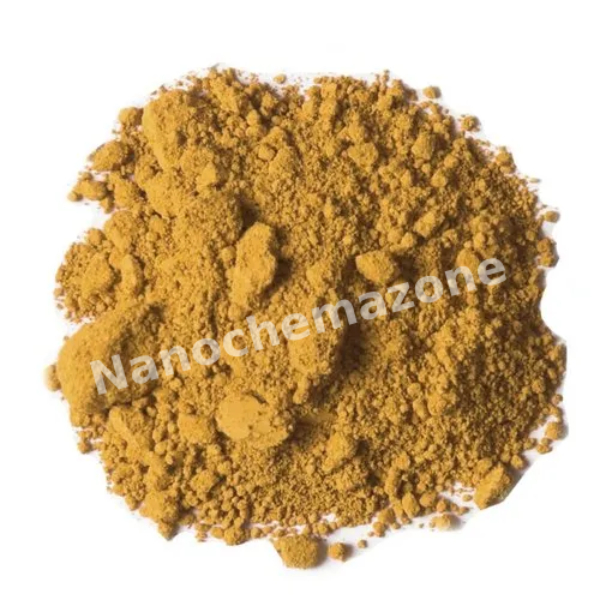
Indium Phosphide Quantum (InP/ZnS QD) Dots 625 nm

Price range: $535.00 through $1,270.00
Select options This product has multiple variants. The options may be chosen on the product page
APPLICATIONS InPQDs are employed in because of their electrical and optical characteristics in:
  • Light emitting diodes (LEDs),
  • Biomedical applications like bioimaging,
  • Electronic devices,
  • Solar cells.

Indium Phosphide Quantum Dots (InP/ZnS QD) 480 nm

Price range: $565.00 through $1,315.00
Select options This product has multiple variants. The options may be chosen on the product page
APPLICATIONS InPQDs are employed in because of their electrical and optical characteristics in:
  • Light emitting diodes (LEDs),
  • Biomedical applications like bioimaging,
  • Electronic devices,
  • Solar cells.

Indium Phosphide Quantum Dots (InP/ZnS QD) 525 nm

Price range: $560.00 through $1,300.00
Select options This product has multiple variants. The options may be chosen on the product page
APPLICATIONS InPQDs are employed in because of their electrical and optical characteristics in:
  • Light emitting diodes (LEDs),
  • Biomedical applications like bioimaging,
  • Electronic devices,
  • Solar cells.

Indium Phosphide Quantum Dots (InP/ZnS QD) 560 nm

Price range: $555.00 through $1,290.00
Select options This product has multiple variants. The options may be chosen on the product page
APPLICATIONS InPQDs are employed in because of their electrical and optical characteristics in:
  • Light emitting diodes (LEDs),
  • Biomedical applications like bioimaging,
  • Electronic devices,
  • Solar cells.

Indium Phosphide Quantum Dots (InP/ZnS QD) 700 nm

Price range: $530.00 through $1,230.00
Select options This product has multiple variants. The options may be chosen on the product page
APPLICATIONS InPQDs are employed in because of their electrical and optical characteristics in:
  • Light emitting diodes (LEDs),
  • Biomedical applications like bioimaging,
  • Electronic devices,
  • Solar cells.

Indium Sputtering Target In

Price range: $152.00 through $865.00
Select options This product has multiple variants. The options may be chosen on the product page
Product Indium Sputtering Target In
CAS No. 7440-74-6
Appearance Silvery Lustrous Gray, Metallic
Purity ≥99%,  ≥99.9%,  ≥95%(Other purities are also available)
APS N/A
Ingredient In
Molecular Weight N/A
Melting Point N/A
Boiling Point N/A
Density 7.31 g/cm³
Product Codes NCZ-121H

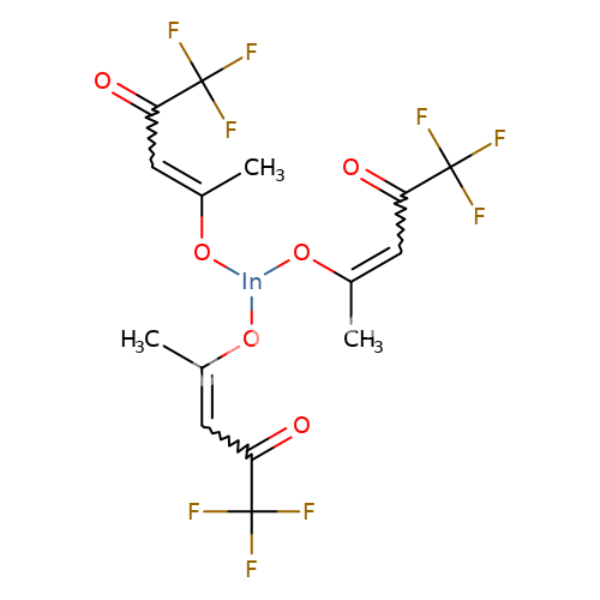
Indium TFAC

Price range: $16.00 through $109.00
Select options This product has multiple variants. The options may be chosen on the product page
Product Indium TFAC
CAS No. 15453-87-9
Appearance White
Purity ≥99%,  ≥99.9%,  ≥95%(Other purities are also available)
APS N/A
Ingredient C₁₅H₁₂F₉InO₆
Molecular Weight 574.06 g/mol
Melting Point N/A
Boiling Point N/A
Density N/A
Product Codes NCZ-250R

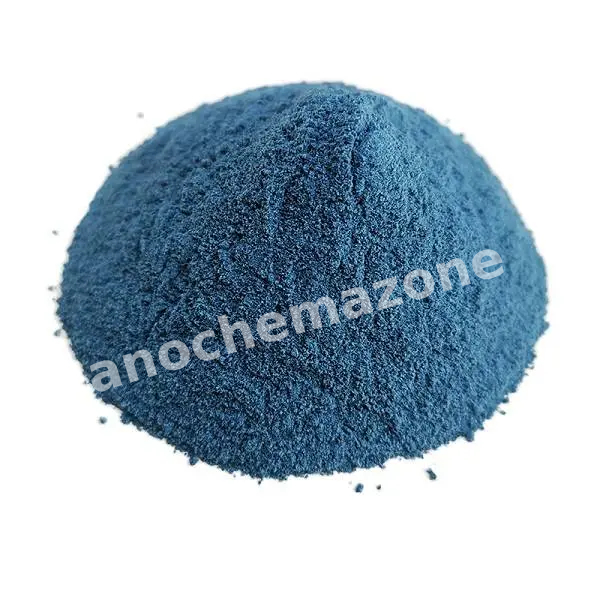
Indium Tin Oxide (ITO, 90:10wt%) Blue Nanopowder 99.99% (4N), 100g

Price range: $249.00 through $2,302.00
Select options This product has multiple variants. The options may be chosen on the product page
Product Indium Tin Oxide (ITO, 90:10wt%) Blue Nanopowder 99.99% (4N), 100g
CAS No. 1312-43-2
Appearance Fine blue or blue-gray
Purity ≥99%,  ≥99.9%,  ≥95%(Other purities are also available)
APS 30-50nm (Size Can be customized),  Ask for other available size range.
Ingredient In2−xSnxO3​
Molecular Weight N/A
Melting Point N/A
Boiling Point N/A
Density 7.1 g/cm³
Product Codes NCZ-425I
 

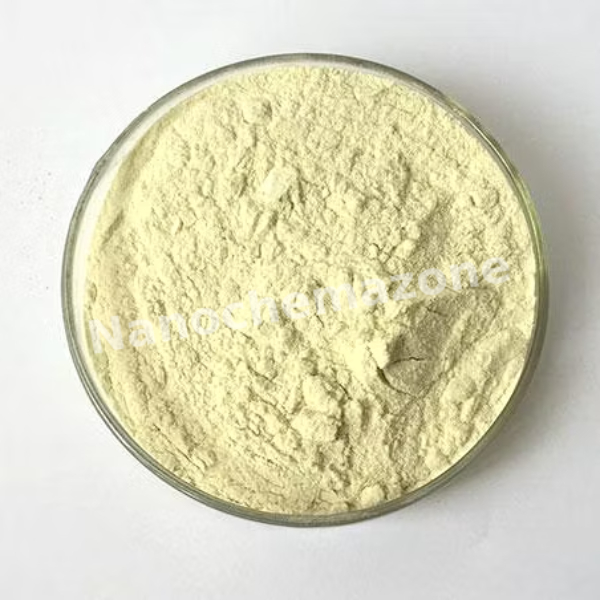
Indium Tin Oxide (ITO, 90:10wt%) Yellow Nanopowder 99.99% (4N), 100g

$425.00
Product Indium Tin Oxide (ITO, 90:10wt%) Yellow Nanopowder 99.99% (4N), 100g
CAS No. 1312-43-2
Appearance Yellow
Purity ≥99%,  ≥99.9%,  ≥95%(Other purities are also available)
APS 100nm (Size Can be customized),  Ask for other available size range.
Ingredient In2−xSnxO​
Molecular Weight 262–270 g/mol
Melting Point N/A
Boiling Point N/A
Density 7.14 g/cm³
Product Codes NCZ-426I

Indium Tin Oxide (ITO, 95:5wt%) Blue Nanopowder 99.99% (4N), 100g

$480.00
Product Indium Tin Oxide (ITO, 95:5wt%) Blue Nanopowder 99.99% (4N), 100g
CAS No. 1312-43-2
Appearance Blue
Purity ≥99%,  ≥99.9%,  ≥95%(Other purities are also available)
APS 20–50nm (Size Can be customized),  Ask for other available size range.
Ingredient In2−xSnxO
Molecular Weight 272–275 g/mol
Melting Point N/A
Boiling Point N/A
Density 7.14 g/cm³
Product Codes NCZ-427I
 

Indium Tin Oxide (ITO, 95:5wt%) Yellow Nanopowder 99.99% (4N), 100g

$502.00
Product Indium Tin Oxide (ITO, 95:5wt%) Yellow Nanopowder 99.99% (4N), 100g
CAS No. 1312-43-2
Appearance Yellow
Purity ≥99%,  ≥99.9%,  ≥95%(Other purities are also available)
APS 20–50nm (Size Can be customized),  Ask for other available size range.
Ingredient In2−xSnxO3​
Molecular Weight 272–275 g/mol
Melting Point N/A
Boiling Point N/A
Density 7.14 g/cm³
Product Codes NCZ-429I
 

Indium Tin Oxide (ITO) Nanopowder/Nanoparticles, 90:10, Purity: 99.999+%, Size: 18-65 nm

Price range: $44.00 through $215.00
Select options This product has multiple variants. The options may be chosen on the product page
5 grams/39 € 25 grams/76 € 100 grams/190 €                                   
Please contact us for quotes on larger quantities !!!

Indium Tin Oxide (ITO) Nanopowder/Nanoparticles

90:10, Purity: 99.999+%, Size: 18-65 nm

Technical Properties:

Purity (%) 99.999
Bulk Density (g/cm3) 0.85
True Density (g/cm3) 7.20
Color yellowish green
Average Particle Size (nm) 18-65
Specific Surface Area (m2/g) 40
Morphology irregular
Making Method chemical precipitation
Elemental Analysis Al Sb Cd Cu Fe Pb Ni Si Zn Co As P Ca Mg Bi
1.88 ppm 3.30 ppm 1.00 ppm 2.55 ppm 3.50 ppm 9.38 ppm 1.0 ppm 5.88 ppm 2.55 ppm 0.58 ppm 1.48 ppm 0.52 ppm 1.39 ppm 2.49 ppm 9.12 ppm

Applications:

Indium Tin oxide nanoparticles can be used in transparent electric conductive materials shuch as conductive glue. It is an excellent anti-radiation material. It can be used for infrared ray protection.

Indium Tin Oxide (ITO) Nanopowder/Nanoparticles, 95:5, Purity: 99.97+%, Size: 18-73 nm

Price range: $49.00 through $215.00
Select options This product has multiple variants. The options may be chosen on the product page
5 grams/44 € 
25 grams/80 € 100 grams/190 €                       
Please contact us for quotes on larger quantities !!! 

Indium Tin Oxide (ITO) Nanopowder/Nanoparticles

95:5, Purity: 99.97+%, Size: 18-73 nm

Technical Properties:

Purity (%) 99.97
Bulk Density (g/cm3) 0.85
True Density (g/cm3) 7.20
Color yellowish green
Average Particle Size (nm) 18-73
Specific Surface Area (m2/g) 40
Morphology irregular
Manufacturing Method chemical precipitation
Elemental Analysis Al Sb Cd Cu Fe Pb Ni Si Zn Co As P Ca Mg Bi
1.88 ppm 3.30 ppm 1.00 ppm 2.55 ppm 3.50 ppm 9.38 ppm 1.0 ppm 5.88 ppm 2.55 ppm 0.58 ppm 1.48 ppm 0.52 ppm 1.39 ppm 2.49 ppm 9.12 ppm

Applications:

Indium Tin oxide nanoparticles can be used in transparent electric conductive materials such as conductive glue. It is an excellent anti-radiation material. It can be used for infrared ray protection.  

Indium Tin Oxide ITO Nanoparticles

$0.00

Indium Tin Oxide ITO Nanoparticles

MF: In2O5Sn
Chemical Name: Indium Tin Oxide
Purity: > 99.99%
APS: 50 nm (Size Customization possible)
Form: Nanopowder
Product Number: #NCZ3301
CAS Number 20661-21-6

Indium Tin Oxide ITO Nanoparticles

Note: We supply different products of microparticles and Nanoparticles powder in all sizes range according to the client’s requirements.

Indium Tin Oxide Nanoparticles (ITO, Blue, In2O3:SnO2=95:5, 99.99%, 20-70 nm)

Price range: $121.00 through $515.00
Select options This product has multiple variants. The options may be chosen on the product page
$121/5g
$221/25g
$515/100g

Product 

Indium Tin Oxide Nanoparticles (ITO, Blue, In2O3:SnO2=95:5, 99.99%, 20-70 nm)

CAS No.

1312-43-2

Appearance

Powder

Purity

≥99%,  ≥99.9%,  ≥95%

(Other purities are also available)

APS

 20-70nm (Size Can be customized), Ask for other available size ranges.

Ingredient

N/A

Molecular Weight

~277.6 g/mol

Melting Point

~1,800 °C

Boiling Point

Decomposes

Density

~7.1 g/cm³

Product Codes

NCZ-1143K

Indium Tin Oxide Nanoparticles (ITO, Yellow, In2O3:SnO2=95:5, 99.99%, 20-70 nm)

Price range: $76.00 through $287.00
Select options This product has multiple variants. The options may be chosen on the product page
$76/5g
$126/25g
$287/100g

Product 

Indium Tin Oxide Nanoparticles (ITO, Yellow, In2O3:SnO2=95:5, 99.99%, 20-70 nm)

CAS No.

1312-43-2

Appearance

Powder

Purity

≥99%,  ≥99.9%,  ≥95%

(Other purities are also available)

APS

20-70 nm (Size Can be customized), Ask for other available size ranges.

Ingredient

N/A

Molecular Weight

~277.6 g/mol

Melting Point

~1,800 °C (depends on exact stoichiometry)

Boiling Point

Decomposes

Density

~7.1 g/cm³

Product Codes

NCZ-1141K

Indium Tin Oxide Nanoparticles/ Nanopowder( ITO, yellow, In2O3:SnO2=90:10, 99.99%, 20~70nm)

Price range: $76.00 through $287.00
Select options This product has multiple variants. The options may be chosen on the product page
$76/5g
$126/25g
$287/100g

Product 

Indium Tin Oxide Nanoparticles/ Nanopowder( ITO, yellow, In2O3:SnO2=90:10, 99.99%, 20~70nm)

CAS No.

1312-43-2

Appearance

Powder

Purity

≥99%,  ≥99.9%,  ≥95%

(Other purities are also available)

APS

20-70 nm (Size Can be customized), Ask for other available size ranges.

Ingredient

N/A

Molecular Weight

~277.6 g/mol

Melting Point

~1,800 °C (depends on exact stoichiometry)

Boiling Point

Decomposes

Density

~7.1 g/cm³

Product Codes

NCZ-1140K

Indium Tin Oxide Nanoparticles/Nanopowder (ITO, Blue, In2O3:SnO2=90:10, 99.99%, 20~70nm) (Copy)

Price range: $121.00 through $515.00
Select options This product has multiple variants. The options may be chosen on the product page
$121/5g
$221/25g
$515/100g

Product 

Indium Tin Oxide Nanoparticles/Nanopowder (ITO, Blue, In2O3:SnO2=90:10, 99.99%, 20~70nm)

CAS No.

1312-43-2

Appearance

Powder

Purity

≥99%,  ≥99.9%,  ≥95%

(Other purities are also available)

APS

 20~70nm (Size Can be customized), Ask for other available size ranges.

Ingredient

N/A

Molecular Weight

~277.6 g/mol

Melting Point

~1,800 °C

Boiling Point

Decomposes

Density

~7.1 g/cm³

Product Codes

NCZ-1142K

Indium Tin Oxide/ITO (In203:Sn02) Sputtering Targets, Purity: 99.99%, Size: 1”, Thickness: 0.125”

$506.00

Product 

Indium Tin Oxide/ITO (In203:Sn02) Sputtering Targets, Purity: 99.99%, Size: 1'', Thickness: 0.125''

CAS No.

• Indium Oxide (In₂O₃): 1312-43-2 • Tin Oxide (SnO₂): 18282-10-5

Appearance

Powder

Purity

≥99%,  ≥99.9%,  ≥95%

(Other purities are also available)

APS

< 5 µm (Size Can be customized), Ask for other available size ranges.

Ingredient

N/A

Molecular Weight

 Approx. 292.6 g/mol (based on 90:10 wt% In₂O₃:SnO₂ blend)

Melting Point

 ~1,800 °C (sintered ceramic composite; no sharp melting point)

Boiling Point

N/A

Density

 ~7.15 g/cm³

Product Codes

NCZ-2212K

Indium Tin Oxide/ITO (In203:Sn02) Sputtering Targets, Purity: 99.99%, Size: 1”, Thickness: 0.125”

$439.00

Applications of Sputtering Targets;

Film deposition is accomplished using sputtering targets. A technique for sputtering thin films is called "deposition made by sputter targets," which entails eroding material from a "target" source onto a "substrate" like a silicon wafer. Etching of the target is done using semiconductor sputtering targets. When selectivity is not an issue and a high degree of etching anisotropy is required, sputter etching is the method of choice. By removing the target material through etching, sputter targets are also utilized for investigation. In secondary ion spectroscopy (SIMS), one example is when the target material is sputtered at a steady pace. Mass spectrometry is used to quantify the concentration and identity of spewed atoms as the target is sputtered.

The target material's composition may be ascertained and even very low concentrations of contaminants can be found with the aid of the sputtering target.

There is also an application area for sputtering targets in space. One type of space weathering that alters the chemical and physical characteristics of airless worlds like the Moon and asteroids is sputtering.

Indium Tin Oxide/ITO (In203:Sn02) Sputtering Targets, Purity: 99.99%, Size: 1”, Thickness: 0.250”

$424.00

Product 

Indium Tin Oxide/ITO (In203:Sn02) Sputtering Targets, Purity: 99.99%, Size: 1'', Thickness: 0.250''

CAS No.

• Indium Oxide (In₂O₃): 1312-43-2 • Tin Oxide (SnO₂): 18282-10-5

Appearance

Powder

Purity

≥99%,  ≥99.9%,  ≥95%

(Other purities are also available)

APS

< 5 µm (Size Can be customized), Ask for other available size ranges.

Ingredient

N/A

Molecular Weight

 Approx. 292.6 g/mol (based on 90:10 wt% In₂O₃:SnO₂ blend)

Melting Point

 ~1,800 °C (sintered ceramic composite; no sharp melting point)

Boiling Point

N/A

Density

 ~7.15 g/cm³

Product Codes

NCZ-2211K

Indium Tin Oxide/ITO (In203:Sn02) Sputtering Targets, Purity: 99.99%, Size: 1”, Thickness: 0.250”

$368.00

Applications of Sputtering Targets;

Film deposition is accomplished using sputtering targets. A technique for sputtering thin films is called "deposition made by sputter targets," which entails eroding material from a "target" source onto a "substrate" like a silicon wafer. Etching of the target is done using semiconductor sputtering targets. When selectivity is not an issue and a high degree of etching anisotropy is required, sputter etching is the method of choice. By removing the target material through etching, sputter targets are also utilized for investigation. In secondary ion spectroscopy (SIMS), one example is when the target material is sputtered at a steady pace. Mass spectrometry is used to quantify the concentration and identity of spewed atoms as the target is sputtered.

The target material's composition may be ascertained and even very low concentrations of contaminants can be found with the aid of the sputtering target.

There is also an application area for sputtering targets in space. One type of space weathering that alters the chemical and physical characteristics of airless worlds like the Moon and asteroids is sputtering.

Indium Tin Oxide/ITO (In203:Sn02) Sputtering Targets, Purity: 99.99%, Size: 2”, Thickness: 0.125”

$344.00

Product 

Indium Tin Oxide/ITO (In203:Sn02) Sputtering Targets, Purity: 99.99%, Size: 2'', Thickness: 0.125''

CAS No.

• Indium Oxide (In₂O₃): 1312-43-2 • Tin Oxide (SnO₂): 18282-10-5

Appearance

Powder

Purity

≥99%,  ≥99.9%,  ≥95%

(Other purities are also available)

APS

< 5 µm (Size Can be customized), Ask for other available size ranges.

Ingredient

N/A

Molecular Weight

 Approx. 292.6 g/mol (based on 90:10 wt% In₂O₃:SnO₂ blend)

Melting Point

 ~1,800 °C (sintered ceramic composite; no sharp melting point)

Boiling Point

N/A

Density

 ~7.15 g/cm³

Product Codes

NCZ-2210K

Indium Tin Oxide/ITO (In203:Sn02) Sputtering Targets, Purity: 99.99%, Size: 2”, Thickness: 0.125”

$300.00

Applications of Sputtering Targets;

Film deposition is accomplished using sputtering targets. A technique for sputtering thin films is called "deposition made by sputter targets," which entails eroding material from a "target" source onto a "substrate" like a silicon wafer. Etching of the target is done using semiconductor sputtering targets. When selectivity is not an issue and a high degree of etching anisotropy is required, sputter etching is the method of choice. By removing the target material through etching, sputter targets are also utilized for investigation. In secondary ion spectroscopy (SIMS), one example is when the target material is sputtered at a steady pace. Mass spectrometry is used to quantify the concentration and identity of spewed atoms as the target is sputtered.

The target material's composition may be ascertained and even very low concentrations of contaminants can be found with the aid of the sputtering target.

There is also an application area for sputtering targets in space. One type of space weathering that alters the chemical and physical characteristics of airless worlds like the Moon and asteroids is sputtering.

Indium Tin Oxide/ITO (In203:Sn02) Sputtering Targets, Purity: 99.99%, Size: 2”, Thickness: 0.250”

$382.00

Product 

Indium Tin Oxide/ITO (In203:Sn02) Sputtering Targets, Purity: 99.99%, Size: 2'', Thickness: 0.250''

CAS No.

• Indium Oxide (In₂O₃): 1312-43-2 • Tin Oxide (SnO₂): 18282-10-5

Appearance

Powder

Purity

≥99%,  ≥99.9%,  ≥95%

(Other purities are also available)

APS

< 5 µm (Size Can be customized), Ask for other available size ranges.

Ingredient

N/A

Molecular Weight

 Approx. 292.6 g/mol (based on 90:10 wt% In₂O₃:SnO₂ blend)

Melting Point

 ~1,800 °C (sintered ceramic composite; no sharp melting point)

Boiling Point

N/A

Density

 ~7.15 g/cm³

Product Codes

NCZ-2209K

Indium Tin Oxide/ITO (In203:Sn02) Sputtering Targets, Purity: 99.99%, Size: 2”, Thickness: 0.250”

$332.00

Applications of Sputtering Targets;

Film deposition is accomplished using sputtering targets. A technique for sputtering thin films is called "deposition made by sputter targets," which entails eroding material from a "target" source onto a "substrate" like a silicon wafer. Etching of the target is done using semiconductor sputtering targets. When selectivity is not an issue and a high degree of etching anisotropy is required, sputter etching is the method of choice. By removing the target material through etching, sputter targets are also utilized for investigation. In secondary ion spectroscopy (SIMS), one example is when the target material is sputtered at a steady pace. Mass spectrometry is used to quantify the concentration and identity of spewed atoms as the target is sputtered.

The target material's composition may be ascertained and even very low concentrations of contaminants can be found with the aid of the sputtering target.

There is also an application area for sputtering targets in space. One type of space weathering that alters the chemical and physical characteristics of airless worlds like the Moon and asteroids is sputtering.

Indium Tin Oxide/ITO (In203:Sn02) Sputtering Targets, Purity: 99.99%, Size: 3”, Thickness: 0.125”

$506.00

Product 

Indium Tin Oxide/ITO (In203:Sn02) Sputtering Targets, Purity: 99.99%, Size: 3'', Thickness: 0.125''

CAS No.

• Indium Oxide (In₂O₃): 1312-43-2 • Tin Oxide (SnO₂): 18282-10-5

Appearance

Powder

Purity

≥99%,  ≥99.9%,  ≥95%

(Other purities are also available)

APS

< 5 µm (Size Can be customized), Ask for other available size ranges.

Ingredient

N/A

Molecular Weight

 Approx. 292.6 g/mol (based on 90:10 wt% In₂O₃:SnO₂ blend)

Melting Point

 ~1,800 °C (sintered ceramic composite; no sharp melting point)

Boiling Point

N/A

Density

 ~7.15 g/cm³

Product Codes

NCZ-2208K

Indium Tin Oxide/ITO (In203:Sn02) Sputtering Targets, Purity: 99.99%, Size: 3”, Thickness: 0.125”

$439.00

Applications of Sputtering Targets;

Film deposition is accomplished using sputtering targets. A technique for sputtering thin films is called "deposition made by sputter targets," which entails eroding material from a "target" source onto a "substrate" like a silicon wafer. Etching of the target is done using semiconductor sputtering targets. When selectivity is not an issue and a high degree of etching anisotropy is required, sputter etching is the method of choice. By removing the target material through etching, sputter targets are also utilized for investigation. In secondary ion spectroscopy (SIMS), one example is when the target material is sputtered at a steady pace. Mass spectrometry is used to quantify the concentration and identity of spewed atoms as the target is sputtered.

The target material's composition may be ascertained and even very low concentrations of contaminants can be found with the aid of the sputtering target.

There is also an application area for sputtering targets in space. One type of space weathering that alters the chemical and physical characteristics of airless worlds like the Moon and asteroids is sputtering.

Indium Tin Oxide/ITO (In203:Sn02) Sputtering Targets, Purity: 99.99%, Size: 3”, Thickness: 0.250”

$669.00

Product 

Indium Tin Oxide/ITO (In203:Sn02) Sputtering Targets, Purity: 99.99%, Size: 3'', Thickness: 0.250''

CAS No.

• Indium Oxide (In₂O₃): 1312-43-2 • Tin Oxide (SnO₂): 18282-10-5

Appearance

Powder

Purity

≥99%,  ≥99.9%,  ≥95%

(Other purities are also available)

APS

< 5 µm (Size Can be customized), Ask for other available size ranges.

Ingredient

N/A

Molecular Weight

 Approx. 292.6 g/mol (based on 90:10 wt% In₂O₃:SnO₂ blend)

Melting Point

 ~1,800 °C (sintered ceramic composite; no sharp melting point)

Boiling Point

N/A

Density

 ~7.15 g/cm³

Product Codes

NCZ-2207K

Indium Tin Oxide/ITO (In203:Sn02) Sputtering Targets, Purity: 99.99%, Size: 3”, Thickness: 0.250”

$578.00

Applications of Sputtering Targets;

Film deposition is accomplished using sputtering targets. A technique for sputtering thin films is called "deposition made by sputter targets," which entails eroding material from a "target" source onto a "substrate" like a silicon wafer. Etching of the target is done using semiconductor sputtering targets. When selectivity is not an issue and a high degree of etching anisotropy is required, sputter etching is the method of choice. By removing the target material through etching, sputter targets are also utilized for investigation. In secondary ion spectroscopy (SIMS), one example is when the target material is sputtered at a steady pace. Mass spectrometry is used to quantify the concentration and identity of spewed atoms as the target is sputtered.

The target material's composition may be ascertained and even very low concentrations of contaminants can be found with the aid of the sputtering target.

There is also an application area for sputtering targets in space. One type of space weathering that alters the chemical and physical characteristics of airless worlds like the Moon and asteroids is sputtering.

Indium Tin Oxide/ITO (In203:Sn02) Sputtering Targets, Purity: 99.99%, Size: 4”, Thickness: 0.125”

$601.00

Applications of Sputtering Targets;

Film deposition is accomplished using sputtering targets. A technique for sputtering thin films is called "deposition made by sputter targets," which entails eroding material from a "target" source onto a "substrate" like a silicon wafer. Etching of the target is done using semiconductor sputtering targets. When selectivity is not an issue and a high degree of etching anisotropy is required, sputter etching is the method of choice. By removing the target material through etching, sputter targets are also utilized for investigation. In secondary ion spectroscopy (SIMS), one example is when the target material is sputtered at a steady pace. Mass spectrometry is used to quantify the concentration and identity of spewed atoms as the target is sputtered.

The target material's composition may be ascertained and even very low concentrations of contaminants can be found with the aid of the sputtering target.

There is also an application area for sputtering targets in space. One type of space weathering that alters the chemical and physical characteristics of airless worlds like the Moon and asteroids is sputtering.

Indium Tin Oxide/ITO (In203:Sn02) Sputtering Targets, Purity: 99.99%, Size: 4”, Thickness: 0.125”

$695.00

Product 

Indium Tin Oxide/ITO (In203:Sn02) Sputtering Targets, Purity: 99.99%, Size: 4'', Thickness: 0.125''

CAS No.

• Indium Oxide (In₂O₃): 1312-43-2 • Tin Oxide (SnO₂): 18282-10-5

Appearance

Powder

Purity

≥99%,  ≥99.9%,  ≥95%

(Other purities are also available)

APS

< 5 µm (Size Can be customized), Ask for other available size ranges.

Ingredient

N/A

Molecular Weight

 Approx. 292.6 g/mol (based on 90:10 wt% In₂O₃:SnO₂ blend)

Melting Point

 ~1,800 °C (sintered ceramic composite; no sharp melting point)

Boiling Point

N/A

Density

 ~7.15 g/cm³

Product Codes

NCZ-2206K