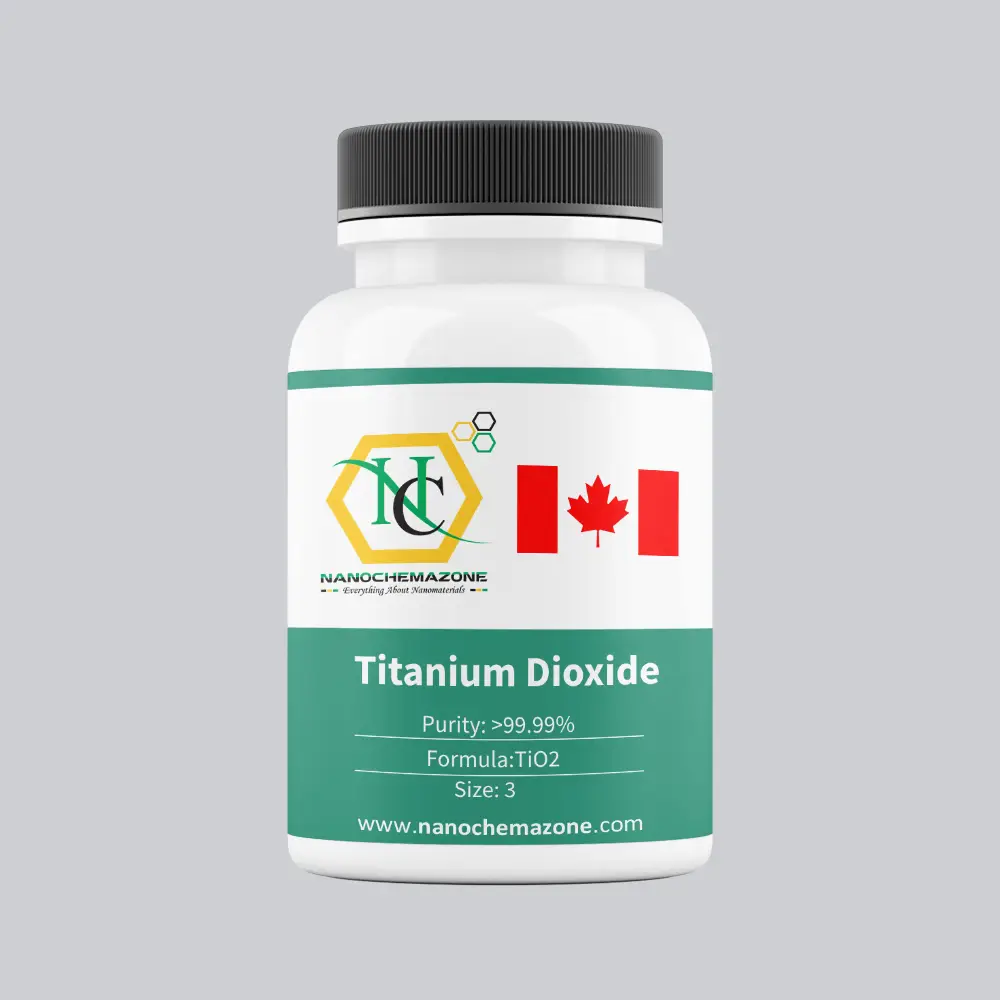
Tungsten Disulfide (WS2) Sputtering Targets, Purity: 99.9%, Size: 3”, Thickness: 0.250”

$506.00

Applications of Sputtering Targets;

Film deposition is accomplished using sputtering targets. A technique for sputtering thin films is called "deposition made by sputter targets," which entails eroding material from a "target" source onto a "substrate" like a silicon wafer. Etching of the target is done using semiconductor sputtering targets. When selectivity is not an issue and a high degree of etching anisotropy is required, sputter etching is the method of choice. By removing the target material through etching, sputter targets are also utilized for investigation. In secondary ion spectroscopy (SIMS), one example is when the target material is sputtered at a steady pace. Mass spectrometry is used to quantify the concentration and identity of spewed atoms as the target is sputtered.

The target material's composition may be ascertained and even very low concentrations of contaminants can be found with the aid of the sputtering target.

There is also an application area for sputtering targets in space. One type of space weathering that alters the chemical and physical characteristics of airless worlds like the Moon and asteroids is sputtering.

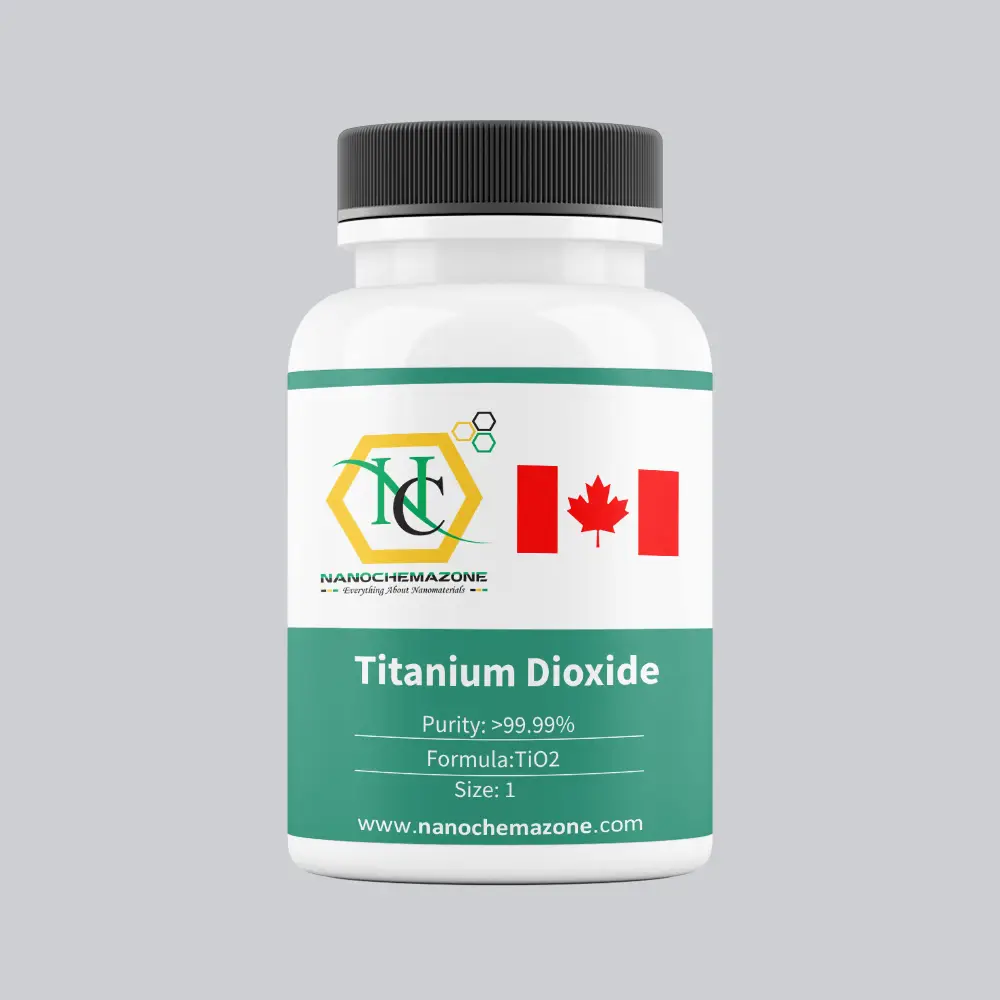
Titanium Dioxide (TiO2) Sputtering Targets, Purity: 99.9%, Size: 3”, Thickness: 0.250”, Grey to Black

$506.00

Applications of Sputtering Targets;

Film deposition is accomplished using sputtering targets. A technique for sputtering thin films is called "deposition made by sputter targets," which entails eroding material from a "target" source onto a "substrate" like a silicon wafer. Etching of the target is done using semiconductor sputtering targets. When selectivity is not an issue and a high degree of etching anisotropy is required, sputter etching is the method of choice. By removing the target material through etching, sputter targets are also utilized for investigation. In secondary ion spectroscopy (SIMS), one example is when the target material is sputtered at a steady pace. Mass spectrometry is used to quantify the concentration and identity of spewed atoms as the target is sputtered.

The target material's composition may be ascertained and even very low concentrations of contaminants can be found with the aid of the sputtering target.

There is also an application area for sputtering targets in space. One type of space weathering that alters the chemical and physical characteristics of airless worlds like the Moon and asteroids is sputtering.

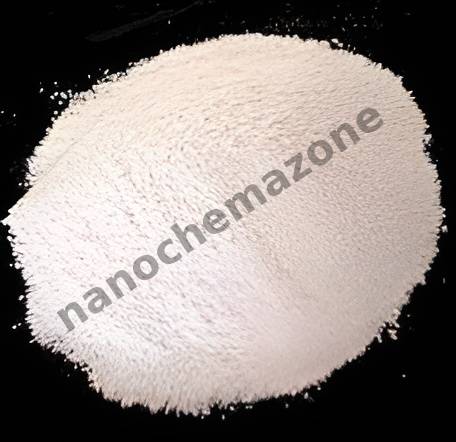
Titanium Dioxide (TiO2) Sputtering Targets, indium, Purity: 99.9%, Size: 1”, Thickness: 0.125”, Grey to Black

$506.00

Applications of Sputtering Targets;

Film deposition is accomplished using sputtering targets. A technique for sputtering thin films is called "deposition made by sputter targets," which entails eroding material from a "target" source onto a "substrate" like a silicon wafer. Etching of the target is done using semiconductor sputtering targets. When selectivity is not an issue and a high degree of etching anisotropy is required, sputter etching is the method of choice. By removing the target material through etching, sputter targets are also utilized for investigation. In secondary ion spectroscopy (SIMS), one example is when the target material is sputtered at a steady pace. Mass spectrometry is used to quantify the concentration and identity of spewed atoms as the target is sputtered.

The target material's composition may be ascertained and even very low concentrations of contaminants can be found with the aid of the sputtering target.

There is also an application area for sputtering targets in space. One type of space weathering that alters the chemical and physical characteristics of airless worlds like the Moon and asteroids is sputtering.

Molybdenum Disulfide (MoS2) Sputtering Targets, Purity: 99.9%, Size: 4”, Thickness: 0.250”

$506.00

Applications of Sputtering Targets;

Film deposition is accomplished using sputtering targets. A technique for sputtering thin films is called "deposition made by sputter targets," which entails eroding material from a "target" source onto a "substrate" like a silicon wafer. Etching of the target is done using semiconductor sputtering targets. When selectivity is not an issue and a high degree of etching anisotropy is required, sputter etching is the method of choice. By removing the target material through etching, sputter targets are also utilized for investigation. In secondary ion spectroscopy (SIMS), one example is when the target material is sputtered at a steady pace. Mass spectrometry is used to quantify the concentration and identity of spewed atoms as the target is sputtered.

By helping of the sputtering target, the composition of the target material may be evaluated and even extremely tiny amounts of contaminants are recognized.

There is also an application area for sputtering targets in space. One type of space weathering that alters the chemical and physical characteristics of airless worlds like the Moon and asteroids is sputtering.

Carbon (C) (Pyrolytic Graphite) Sputtering Targets, Purity: 99.999%, Size: 3”, Thickness: 0.250”

$506.00

Applications of Sputtering Targets;

Film deposition is accomplished using sputtering targets. A technique for sputtering thin films is called "deposition made by sputter targets," which entails eroding material from a "target" source onto a "substrate" like a silicon wafer. Etching of the target is done using semiconductor sputtering targets. When selectivity is not an issue and a high degree of etching anisotropy is required, sputter etching is the method of choice. By removing the target material through etching, sputter targets are also utilized for investigation. In secondary ion spectroscopy (SIMS), one example is when the target material is sputtered at a steady pace. Mass spectrometry is used to quantify the concentration and identity of spewed atoms as the target is sputtered.

The target material's composition may be ascertained and even very low concentrations of contaminants can be found with the aid of the sputtering target.

There is also an application area for sputtering targets in space. One type of space weathering that alters the chemical and physical characteristics of airless worlds like the Moon and asteroids is sputtering.

Aluminum Oxide (Al2O3) Sputtering Targets, Purity: 99.99%, Size: 3”, Thickness: 0.250”

$506.00

 Applications of Sputtering Targets;

Film deposition is accomplished using sputtering targets. A technique for sputtering thin films is called "deposition made by sputter targets," which entails eroding material from a "target" source onto a "substrate" like a silicon wafer. Etching of the target is done using semiconductor sputtering targets. When selectivity is not an issue and a high degree of etching anisotropy is required, sputter etching is the method of choice. By removing the target material through etching, sputter targets are also utilized for investigation. In secondary ion spectroscopy (SIMS), one example is when the target material is sputtered at a steady pace. When the target shatters,

Mass spectrometry measures the concentration and identity of sputtered atoms. The target material's composition may be ascertained and even very low concentrations of contaminants can be found with the aid of the sputtering target.

There is also an application area for sputtering targets in space. One type of space weathering that alters the chemical and physical characteristics of airless worlds like the Moon and asteroids is sputtering.

With the chemical formula Al2O3, aluminum oxide is a compound made of aluminum and oxygen.

Magnesium Carbonate (MgCO3) Nanopowder/Nanoparticles, Purity: 99.55%, Size: 8 nm

Price range: $49.00 through $506.00
Select options This product has multiple variants. The options may be chosen on the product page
25 grams/44 € 100 grams/133 € 500 grams/269 € 1000 grams/446 € Please contact us for quotes on larger quantities !!!

Magnesium Carbonate (MgCO3) Nanopowder/Nanoparticles

Purity: 99.55%, Size: 8 nm

Technical Properties:

Purity (%) 99.55
Color white
Average Particle Size (nm) 8
Specific Surface Area (m2/g)    >50
Bulk Density (g/cm3) 0,1
Whiteness 97.7
Loss of Weight in Drying (%) 2,2
Loss of Weight on Ignitioin (%) 54.0
Elemental Analysis (%) Cl K Na SO4 Ca Fe
0.009 0.005 0.05 0.01 0.05 0.001

Applications:

Magnesium carbonate nanoparticle have many applications in industry. It can be used as drying agent, filler material, color retention, smoke suppressant, and reinforcing agent in rubber. It is used in daily used products. for example it is used in cosmetics, toothpaste, fireproofing, and fire extinguishing compositions.  

β-Tricalcium phosphate(β-Ca3(PO4)2, >98%) (208982)

$505.00
Select options This product has multiple variants. The options may be chosen on the product page

Product 

β-Tricalcium phosphate(β-Ca3(PO4)2, >98%) (208982)

CAS No.

7758‑87‑4

Appearance

Powder

Purity

≥99%,  ≥99.9%,  ≥95%

(Other purities are also available)

APS

  <80um (Size Can be customized), Ask for other available size ranges.

Ingredient

N/A

Molecular Weight

~310.18 g/mol

Melting Point

~1670 °C

Boiling Point

N/A

Density

 β‑phase: ~3.066 g/cm³

Product Codes

NCZ-2611K

Aluminum Oxide (Al2O3) Sputtering Targets, Purity: 99.999%, Size: 1”, Thickness: 0.125”

$505.00

Product 

Aluminum Oxide (Al2O3) Sputtering Targets, Purity: 99.999%, Size: 1'', Thickness: 0.125''

CAS No.

 1344-28-1

Appearance

Powder

Purity

≥99%,  ≥99.9%,  ≥95%

(Other purities are also available)

APS

N/A (Size Can be customized), Ask for other available size ranges.

Ingredient

N/A

Molecular Weight

101.96 g/mol

Melting Point

~2,072 °C

Boiling Point

~2,977 °C

Density

~3.97–3.98 g/cm³

Product Codes

NCZ-2549K

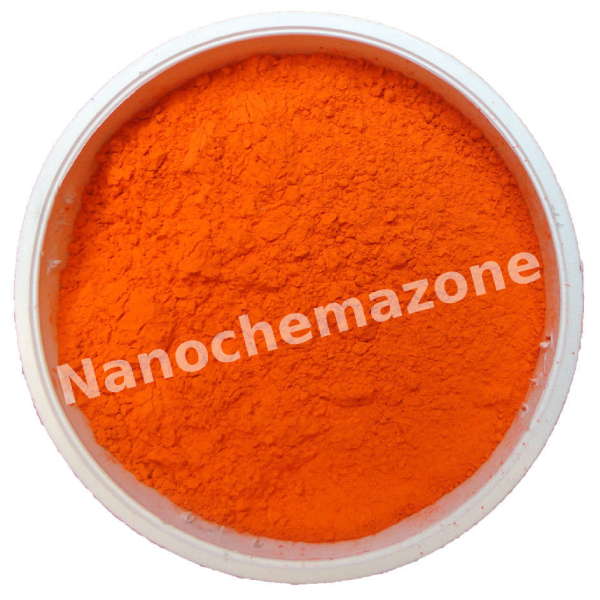
Lead (II, IV) Oxide (Pb3O4) 99.99% 4N Powder, 500g

$505.00
Product Lead (II, IV) Oxide (Pb3O4) 99.99% 4N Powder, 500g
CAS No. 1314-41-6
Appearance Bright red to orange-red crystalline
Purity ≥99%,  ≥99.9%,  ≥95%(Other purities are also available)
APS 1-10nm (Size Can be customized),  Ask for other available size range.
Ingredient Pb3O4
Molecular Weight 685.60 g/mol
Melting Point N/A
Boiling Point N/A
Density 8.3–9.1 g/cm³
Product Codes NCZ-443I

200mg Fluorinated Graphene Powder (Research Grade)

$505.00
Product 200mg Fluorinated Graphene Powder (Research Grade)
CAS No. 99685-96-8
Appearance Dark gray to black
Purity ≥99%,  ≥99.9%,  ≥95%(Other purities are also available)
APS 1–10µm (Size Can be customized),  Ask for other available size range.
Ingredient CₓFᵧ
Molecular Weight N/A
Melting Point N/A
Boiling Point N/A
Density 2.0–2.2 g/cm³
Product Codes NCZ-146I
 

Zinc Carbonate (ZnCO3) Nanopowder/Nanoparticles, Purity: 99.95%, Size: 18 nm

Price range: $52.00 through $505.00
Select options This product has multiple variants. The options may be chosen on the product page
25 grams/46 € 100 grams/133 €
500 grams/269 € 1000 grams/446 €
                      
Please contact us for quotes on larger quantities !!! 

Zinc Carbonate (ZnCO3) Nanopowder/Nanoparticles

Purity: 99.95%, Size: 18 nm

Technical Properties:

Purity (wt%) 99.95
Average Particle Size (nm) 18.0
Color white
Whiteness 90.7
Specific Surface Area (m2/g) 85
Loss of Weight in Drying (wt%) 2,6
Loss of Weight on Ignition (wt%) 26,9
Bulk Density (g/cm3) 0,5
pH 6.0-6.5
Elemental Analysis (%) Zn SO4 Pb Cu Cd
58.0 0.35 0.0003 0.0001 0.0001

Nickel-Coated Multi Walled Carbon Nanotubes, Purity: > 96%, Outside Diameter: 8-18 nm

Price range: $82.00 through $505.00
Select options This product has multiple variants. The options may be chosen on the product page

Applications:

Nickel is coated on MWCNTs to have one dimentional magnetic material. Nickel is ferromagnetic material. MWCNTs are used as template for ferromagnetic nickel. Nickel-coated MWCNTs show good magnetic properties. Nickel-coated MWCNTs have a variety of potential applications in different fields. These applications include medicine, mechanics, electric-electronics, chemicals, energy and others. It can be applied in, 1-drug delivery, 2-biosensors, 3-CNT composites, 4-catalysis, 5-nanoprobes, 6-hydrogen storage, 7-lithium batteries, 8-gas-discharge tubes, 9-flat panel displays, 10-supercapacitors, 11-transistors, 12-solar cells, 13-photoluminescence, 14-templates

Tin Oxide (SnO2) Sputtering Targets, Purity: 99.99%, Size: 1”, Thickness: 0.250”

$504.00

Product 

Tin Oxide (SnO2) Sputtering Targets, Purity: 99.99%, Size: 1'', Thickness: 0.250''

CAS No.

18282-10-5

Appearance

Powder

Purity

≥99%,  ≥99.9%,  ≥95%

(Other purities are also available)

APS

N/A  (Size Can be customized), Ask for other available size ranges.

Ingredient

N/A

Molecular Weight

150.71 g/mol

Melting Point

~1630 °C

Boiling Point

~1800–1900 °C

Density

~6.95 g/cm³

Product Codes

NCZ-1631K

Titanium (Ti) Sputtering Target

Price range: $164.00 through $504.00
Select options This product has multiple variants. The options may be chosen on the product page

Product 

Titanium (Ti) Sputtering Target

CAS No.

7440-32-6

Appearance

Powder

Purity

≥99%,  ≥99.9%,  ≥95%

(Other purities are also available)

APS

 NA (Size Can be customized), Ask for other available size ranges.

Ingredient

N/A

Molecular Weight

 47.87 g/mol

Melting Point

1,668 °C

Boiling Point

 3,287 °C

Density

4.506 g/cm³

Product Codes

NCZ-1363K

Tin (Sn) Sputtering Targets, Purity: 99.99%, Size: 8”, Thickness: 0.250”

$504.00

Applications of Sputtering Targets;

Film deposition is accomplished using sputtering targets. A technique for sputtering thin films is called "deposition made by sputter targets," which entails eroding material from a "target" source onto a "substrate" like a silicon wafer. Etching of the target is done using semiconductor sputtering targets. When selectivity is not an issue and a high degree of etching anisotropy is required, sputter etching is the method of choice. By removing the target material through etching, sputter targets are also utilized for investigation. In secondary ion spectroscopy (SIMS), one example is when the target material is sputtered at a steady pace. Mass spectrometry is used to quantify the concentration and identity of spewed atoms as the target is sputtered.

The target material's composition may be ascertained and even very low concentrations of contaminants can be found with the aid of the sputtering target.

There is also an application area for sputtering targets in space. One type of space weathering that alters the chemical and physical characteristics of airless worlds like the Moon and asteroids is sputtering.

Magnesium Carbonate (MgCO3) Nanopowder/Nanoparticles, Purity: 99.95 %, Size: 10-70 nm

Price range: $49.00 through $504.00
Select options This product has multiple variants. The options may be chosen on the product page
25 grams/44 €                        
100 grams/133 €                     
500 grams/269 €                    
1000 grams/446 € Please contact us for quotes on larger quantities !!!

Magnesium Carbonate (MgCO3) Nanopowder/Nanoparticles

Purity: 99.95 %, Size: 10-70 nm

(-OH) Functionalized Industrial Short Multi Walled Carbon Nanotubes, Purity: > 92%, Outside Diameter: 28-48 nm

Price range: $82.00 through $504.00
Select options This product has multiple variants. The options may be chosen on the product page

Applications:

Multi Walled Carbon Nanotubes have a variety of potential applications in different fields. These applications include medicine, mechanics, electric-electronics, chemicals, energy and others. It can be applied in, 1-drug delivery, 2-biosensors, 3-CNT composites, 4-catalysis, 5-nanoprobes, 6-hydrogen storage, 7-lithium batteries, 8-gas-discharge tubes, 9-flat panel displays, 10-supercapacitors, 11-transistors, 12-solar cells, 13-photoluminescence, 14-templates

(-COOH) Functionalized Industrial Multi Walled Carbon Nanotubes, Purity: > 92%, Outside Diameter: 20-40 n

Price range: $27.00 through $504.00
Select options This product has multiple variants. The options may be chosen on the product page

Applications:

Multi Walled Carbon Nanotubes have a variety of potential applications in different fields. These applications include medicine, mechanics, electric-electronics, chemicals, energy and others. It can be applied in, 1-drug delivery, 2-biosensors, 3-CNT composites, 4-catalysis, 5-nanoprobes, 6-hydrogen storage, 7-lithium batteries, 8-gas-discharge tubes, 9-flat panel displays, 10-supercapacitors, 11-transistors, 12-solar cells, 13-photoluminescence, 14-templates

Silver (Ag) Nanopowder/Nanoparticles, Purity: > 99.995%, Size: 18 nm, w/~0.25% PVP

Price range: $22.70 through $503.95
Select options This product has multiple variants. The options may be chosen on the product page
Silver (Ag) Nanopowder/Nanoparticles Purity: > 99.995%, Size: 18 nm, w/~0.25% PVP Technical Properties: True Density (g/cm3) 10,6 Color black Shape

Aluminum Nitride (AlN) Sputtering Targets, Purity: 99.8%, Size: 1”, Thickness: 0.250”

$503.00

Product 

Aluminum Nitride (AlN) Sputtering Targets, Purity: 99.8%, Size: 1'', Thickness: 0.250''

CAS No.

 24304-00-5

Appearance

Powder

Purity

≥99%,  ≥99.9%,  ≥95%

(Other purities are also available)

APS

N/A (Size Can be customized), Ask for other available size ranges.

Ingredient

N/A

Molecular Weight

40.99 g/mol

Melting Point

 ~2200 °C

Boiling Point

 N/A

Density

 ~3.26 g/cm³

Product Codes

NCZ-2560K

Germanium (Ge) Sputtering Targets, Purity: 99.999%, Size: 4”, Thickness: 0.125”

$503.00

Product 

Germanium (Ge) Sputtering Targets, Purity: 99.999%, Size: 4'', Thickness: 0.125''

CAS No.

7440-56-4

Appearance

Powder

Purity

≥99%,  ≥99.9%,  ≥95%

(Other purities are also available)

APS

 N/A (Size Can be customized), Ask for other available size ranges.

Ingredient

N/A

Molecular Weight

 72.63 g/mol

Melting Point

 938.3 °C

Boiling Point

2,833 °C

Density

 5.32 g/cm³

Product Codes

NCZ-2238K

Iron (III) Oxide (Fe2O3) Nanoparticles, 30nm, >99.9% Purity, 250g

$503.00
Product Iron (III) Oxide (Fe2O3) Nanoparticles, 30nm, >99.9% Purity, 250g
CAS No. 1309-37-1
Appearance Red to reddish-brown
Purity ≥99%,  ≥99.9%,  ≥95%(Other purities are also available)
APS 30nm (Size Can be customized),  Ask for other available size range.
Ingredient Fe2O3
Molecular Weight 159.69 g/mol
Melting Point 1565 °C
Boiling Point N/A
Density 5.24 g/cm³
Product Codes NCZ-432I

Bismuth Oxide (Bi2O3) Sputtering Targets, indium, Purity: 99.9%, Size: 3”, Thickness: 0.125”

$502.00

Product 

Bismuth Oxide (Bi2O3) Sputtering Targets, indium, Purity: 99.9%, Size: 3”, Thickness: 0.125”

CAS No.

 1304-76-3

Appearance

Powder

Purity

≥99%,  ≥99.9%,  ≥95%

(Other purities are also available)

APS

 N/A (Size Can be customized), Ask for other available size ranges.

Ingredient

N/A

Molecular Weight

465.96 g/mol

Melting Point

 ~817 °C

Boiling Point

N/A

Density

 ~8.9 g/cm³

Product Codes

NCZ-2405K

Germanium (Ge) Sputtering Targets, Purity: 99.999%, Size: 3”, Thickness: 0.250”

$502.00

Product 

Germanium (Ge) Sputtering Targets, Purity: 99.999%, Size: 3'', Thickness: 0.250''

CAS No.

7440-56-4

Appearance

Powder

Purity

≥99%,  ≥99.9%,  ≥95%

(Other purities are also available)

APS

 N/A (Size Can be customized), Ask for other available size ranges.

Ingredient

N/A

Molecular Weight

 72.63 g/mol

Melting Point

 938.3 °C

Boiling Point

2,833 °C

Density

 5.32 g/cm³

Product Codes

NCZ-2239K

Germanium (Ge) Sputtering Targets, indium, Purity: 99.999%, Size: 2”, Thickness: 0.125”

$502.00

Product 

Germanium (Ge) Sputtering Targets, indium, Purity: 99.999%, Size: 2'', Thickness: 0.125''

CAS No.

7440-56-4

Appearance

Powder

Purity

≥99%,  ≥99.9%,  ≥95%

(Other purities are also available)

APS

 N/A (Size Can be customized), Ask for other available size ranges.

Ingredient

N/A

Molecular Weight

 72.63 g/mol

Melting Point

 938.3 °C

Boiling Point

2,833 °C

Density

 5.32 g/cm³

Product Codes

NCZ-2236K

Indium Tin Oxide (ITO, 95:5wt%) Yellow Nanopowder 99.99% (4N), 100g

$502.00
Product Indium Tin Oxide (ITO, 95:5wt%) Yellow Nanopowder 99.99% (4N), 100g
CAS No. 1312-43-2
Appearance Yellow
Purity ≥99%,  ≥99.9%,  ≥95%(Other purities are also available)
APS 20–50nm (Size Can be customized),  Ask for other available size range.
Ingredient In2−xSnxO3​
Molecular Weight 272–275 g/mol
Melting Point N/A
Boiling Point N/A
Density 7.14 g/cm³
Product Codes NCZ-429I
 

Boron Carbide (B4C) Sputtering Targets, Purity: 99.5%, Size: 3”, Thickness: 0.250”

$502.00

Applications of Sputtering Targets;

Film deposition is accomplished using sputtering targets. A technique for sputtering thin films is called "deposition made by sputter targets," which entails eroding material from a "target" source onto a "substrate" like a silicon wafer. Etching of the target is done using semiconductor sputtering targets. When selectivity is not an issue and a high degree of etching anisotropy is required, sputter etching is the method of choice. By removing the target material through etching, sputter targets are also utilized for investigation. In secondary ion spectroscopy (SIMS), one example is when the targ

The target material's composition may be ascertained and even very low concentrations of contaminants can be found with the aid of the sputtering target.

There is also an application area for sputtering targets in space. One type of space weathering that alters the chemical and physical characteristics of airless worlds like the Moon and asteroids is sputtering.

et material is sputtered at a steady pace. Mass spectrometry is used to quantify the concentration and identity of spewed atoms as the target is sputtered.

Boron (B) Sputtering Targets, indium, Purity: 99.9%, Size: 2”, Thickness: 0.125”

$502.00

Applications of Sputtering Targets;

Film deposition is accomplished using sputtering targets. A technique for sputtering thin films is called "deposition made by sputter targets," which entails eroding material from a "target" source onto a "substrate" like a silicon wafer. Etching of the target is done using semiconductor sputtering targets. When selectivity is not an issue and a high degree of etching anisotropy is required, sputter etching is the method of choice. By removing the target material through etching, sputter targets are also utilized for investigation. In secondary ion spectroscopy (SIMS), one example is when the target material is sputtered at a steady pace. Mass spectrometry is used to quantify the concentration and identity of spewed atoms as the target is sputtered.

The target material's composition may be ascertained and even very low concentrations of contaminants can be found with the aid of the sputtering target.

There is also an application area for sputtering targets in space. One type of space weathering that alters the chemical and physical characteristics of airless worlds like the Moon and asteroids is sputtering.

Nickel (Ni) Micron Powder Type 255, Purity: >99.7 %, APS: 2.2–2.8 μm

Price range: $94.00 through $502.00
Select options This product has multiple variants. The options may be chosen on the product page
100 grams/84 € 500 grams/295 € 1000 grams/446 €
Please contact us for quotes on larger quantities !!! 

Nickel (Ni) Micron Powder Type 255

Purity: >99.7 %, Size: 2.2–2.8 μm

Nickel (Ni) Micron Powder Type 255 is an industry standard for the manufacture of sintered electrodes used in nickel battery production, due to its controlled porosity. It is also used as a conducting additive in pasted electrodes for batteries, electronics, paints, auto-related powder metallurgy and as a hard metal binder.

Technical Properties:

PURITY

>99.7 %

PARTICLE SIZE

2.2–2.8 μm

CAS

7440-02-0

MELTING POINT

1453 °C

BOILING POINT

2730 °C

DENSITY

8.908 g/cm³

BRINNELL HARDNESS

75 Annealed

COEFF. OF EXPANSION @ 20ºC

 13.3 x 10⁻⁶

ELECTRIC RESISTIVITY

6.844 microhm-cm

FORM  

Powder

APPLICATIONS

Batteries, Pigments, Powdered metallurgical applications


Elemental Analysis:

Ni >99.7%
Co <0.00005%
C <0.200%
Fe <0.0030%
S <0.0002%
O <0.0750%
N <0.0100%

Silver (Ag) Nanopowder/Nanoparticles Dispersion, Purity: %99.99, Size: 3 nm, 2200 ppm

Price range: $43.13 through $501.68
Select options This product has multiple variants. The options may be chosen on the product page
Silver (Ag) Nanopowder/Nanoparticles Dispersion Purity: %99.99, Size: 3 nm, 2200 ppm Technical Properties: Ag Nanoparticle Purity (%) 99,99 Ag Concentration (wt%/ppm) 0,20/2200

Barium (Ba) Sputtering Targets, Purity: 99.5%, Size: 3”, Thickness: 0.125”

$501.00

Product 

Barium (Ba) Sputtering Targets, Purity: 99.5%, Size: 3'', Thickness: 0.125''

CAS No.

7440-39-3

Appearance

Powder

Purity

≥99%,  ≥99.9%,  ≥95%

(Other purities are also available)

APS

N/A (Size Can be customized), Ask for other available size ranges.

Ingredient

N/A

Molecular Weight

137.33 g/mol

Melting Point

727 °C

Boiling Point

1897 °C

Density

~3.51 – 3.62 g/cm³

Product Codes

NCZ-2489K

Barium (Ba) Sputtering Targets, Purity: 99.5%, Size: 3”, Thickness: 0.250”

$501.00

Product 

Barium (Ba) Sputtering Targets, Purity: 99.5%, Size: 3'', Thickness: 0.250''

CAS No.

7440-39-3

Appearance

Powder

Purity

≥99%,  ≥99.9%,  ≥95%

(Other purities are also available)

APS

N/A (Size Can be customized), Ask for other available size ranges.

Ingredient

N/A

Molecular Weight

137.33 g/mol

Melting Point

727 °C

Boiling Point

1897 °C

Density

~3.51 – 3.62 g/cm³

Product Codes

NCZ-2488K

Zinc Oxide (ZnO) Sputtering Targets, Purity: 99.9%, Size: 2”, Thickness: 0.250”

$501.00

Applications of Sputtering Targets;

Film deposition is accomplished using sputtering targets. A technique for sputtering thin films is called "deposition made by sputter targets," which entails eroding material from a "target" source onto a "substrate" like a silicon wafer. Etching of the target is done using semiconductor sputtering targets. When selectivity is not an issue and a high degree of etching anisotropy is required, sputter etching is the method of choice. By removing the target material through etching, sputter targets are also utilized for investigation. In secondary ion spectroscopy (SIMS), one example is when the target material is sputtered at a steady pace. Mass spectrometry is used to quantify the concentration and identity of spewed atoms as the target is sputtered.

The target material's composition may be ascertained and even very low concentrations of contaminants can be found with the aid of the sputtering target.

There is also an application area for sputtering targets in space. One type of space weathering that alters the chemical and physical characteristics of airless worlds like the Moon and asteroids is sputtering.

Tantalum Oxide (Ta2O5) Sputtering Targets, Purity: 99.9%, Size: 3”, Thickness: 0.125”

$501.00

Applications of Sputtering Targets;

Film deposition is accomplished using sputtering targets. A technique for sputtering thin films is called "deposition made by sputter targets," which entails eroding material from a "target" source onto a "substrate" like a silicon wafer. Etching of the target is done using semiconductor sputtering targets. When selectivity is not an issue and a high degree of etching anisotropy is required, sputter etching is the method of choice. By removing the target material through etching, sputter targets are also utilized for investigation. In secondary ion spectroscopy (SIMS), one example is when the target material is sputtered at a steady pace. Mass spectrometry is used to quantify the concentration and identity of spewed atoms as the target is sputtered.

The target material's composition may be ascertained and even very low concentrations of contaminants can be found with the aid of the sputtering target.

There is also an application area for sputtering targets in space. One type of space weathering that alters the chemical and physical characteristics of airless worlds like the Moon and asteroids is sputtering.

Tungsten Disulfide (WS2) Sputtering Targets, Purity: 99.9%, Size: 8”, Thickness: 0.250”

$500.00

Product 

Tungsten Disulfide (WS2) Sputtering Targets, Purity: 99.9%, Size: 8'', Thickness: 0.250''

CAS No.

 12138-09-9

Appearance

Powder

Purity

≥99%,  ≥99.9%,  ≥95%

(Other purities are also available)

APS

N/A  (Size Can be customized), Ask for other available size ranges.

Ingredient

N/A

Molecular Weight

247.97 g/mol

Melting Point

~1,250 °C

Boiling Point

N/A

Density

~7.5 g/cm³

Product Codes

NCZ-1576K

Praseodymium (Pr) Sputtering Targets, Purity: 99.9%, Size: 6”, Thickness: 0.125”

$500.00

Applications of Sputtering Targets;

Film deposition is accomplished using sputtering targets. A technique for sputtering thin films is called "deposition made by sputter targets," which entails eroding material from a "target" source onto a "substrate" like a silicon wafer. Etching of the target is done using semiconductor sputtering targets. When selectivity is not an issue and a high degree of etching anisotropy is required, sputter etching is the method of choice. By removing the target material through etching, sputter targets are also utilized for investigation. In secondary ion spectroscopy (SIMS), one example is when the target material is sputtered at a steady pace. Mass spectrometry is used to quantify the concentration and identity of spewed atoms as the target is sputtered.

The target material's composition may be ascertained and even very low concentrations of contaminants can be found with the aid of the sputtering target.

There is also an application area for sputtering targets in space. One type of space weathering that alters the chemical and physical characteristics of airless worlds like the Moon and asteroids is sputtering.

Copper (Cu) Sputtering Targets, Purity: 99.999%, Size: 8”, Thickness: 0.250”

$500.00

Applications of Sputtering Targets;

Film deposition is accomplished using sputtering targets. A technique for sputtering thin films is called "deposition made by sputter targets," which entails eroding material from a "target" source onto a "substrate" like a silicon wafer. Etching of the target is done using semiconductor sputtering targets. When selectivity is not an issue and a high degree of etching anisotropy is required, sputter etching is the method of choice. By removing the target material through etching, sputter targets are also utilized for investigation. In secondary ion spectroscopy (SIMS), one example is when the target material is sputtered at a steady pace. Mass spectrometry is used to quantify the concentration and identity of spewed atoms as the target is sputtered.

The target material's composition may be ascertained and even very low concentrations of contaminants can be found with the aid of the sputtering target.

There is also an application area for sputtering targets in space. One type of space weathering that alters the chemical and physical characteristics of airless worlds like the Moon and asteroids is sputtering.

Copper (Cu) Sputtering Targets, Purity: 99.999%, Size: 8”, Thickness: 0.250”

$500.00

Applications of Sputtering Targets;

Film deposition is accomplished using sputtering targets. A technique for sputtering thin films is called "deposition made by sputter targets," which entails eroding material from a "target" source onto a "substrate" like a silicon wafer. Etching of the target is done using semiconductor sputtering targets. When selectivity is not an issue and a high degree of etching anisotropy is required, sputter etching is the method of choice. By removing the target material through etching, sputter targets are also utilized for investigation. In secondary ion spectroscopy (SIMS), one example is when the target material is sputtered at a steady pace. Mass spectrometry is used to quantify the concentration and identity of spewed atoms as the target is sputtered.

The target material's composition may be ascertained and even very low concentrations of contaminants can be found with the aid of the sputtering target.

There is also an application area for sputtering targets in space. One type of space weathering that alters the chemical and physical characteristics of airless worlds like the Moon and asteroids is sputtering.

Praseodymium (Pr) Sputtering Targets, Purity: 99.9%, Size: 6”, Thickness: 0.125”

$500.00

Applications of Sputtering Targets;

  • Sputtering targets is used for film deposition. The deposition made by sputter targets is a method of depositing thin films by sputtering that involves eroding material from a "target" source onto a "substrate" such as  a silicon wafer.
  • Semiconductor sputtering targets is used to etch the target. Sputter etching is chosen in cases where a high degree of etching anisotropy is needed and selectivity is not a concern.
  • Sputter targets is also used for analysis by etching away the target material.
One of the example occurs in secondary ion spectroscopy (SIMS), where the target sample is sputtered at a constant rate. As the target is sputtered, the concentration and identity of sputtered atoms are measured using mass spectrometry. By helping of the sputtering target, the composition of the target material can be determined and even extremely low concentrations of impurities are detected. Sputtering target has also application area in space. Sputtering is one of the forms of space weathering, a process that changes the physical and chemical properties of airless bodies, such as asteroids and the Moon.

Aluminum Fluoride (AlF3) Powder 99.99% Optical Grade

$499.00
Select options This product has multiple variants. The options may be chosen on the product page
Product Aluminum Fluoride (AlF3) Powder 99.99% Optical Grade
CAS No. 7784-18-1
Appearance White, odorless solid
Purity ≥99%,  ≥99.9%,  ≥95%(Other purities are also available)
APS 1–10µm (Size Can be customized),  Ask for other available size range.
Ingredient AlF3
Molecular Weight 83.98 g/mol
Melting Point 1,290 °C
Boiling Point N/A
Density 3.10 g/cm³
Product Codes NCZ-280I
 

Nickel (Ni) Sputtering Targets, Purity: 99.9%, Size: 6”, Thickness: 0.125”

$499.00

Applications of Sputtering Targets;

Film deposition is accomplished using sputtering targets. A technique for sputtering thin films is called "deposition made by sputter targets," which entails eroding material from a "target" source onto a "substrate" like a silicon wafer. Etching of the target is done using semiconductor sputtering targets. When selectivity is not an issue and a high degree of etching anisotropy is required, sputter etching is the method of choice. By removing the target material through etching, sputter targets are also utilized for investigation. In secondary ion spectroscopy (SIMS), one example is when the target material is sputtered at a steady pace. Mass spectrometry is used to quantify the concentration and identity of spewed atoms as the target is sputtered.

The target material's composition may be ascertained and even very low concentrations of contaminants can be found with the aid of the sputtering target.

There is also an application area for sputtering targets in space. One type of space weathering that alters the chemical and physical characteristics of airless worlds like the Moon and asteroids is sputtering.

Lanthanum Calcium Manganate (La0.7Ca0.3MnO3) Sputtering Targets, Purity: 99.9%, Size: 1”, Thickness: 0.250”

$499.00

Applications of Sputtering Targets;

Film deposition is accomplished using sputtering targets. A technique for sputtering thin films is called "deposition made by sputter targets," which entails eroding material from a "target" source onto a "substrate" like a silicon wafer. Etching of the target is done using semiconductor sputtering targets. When selectivity is not an issue and a high degree of etching anisotropy is required, sputter etching is the method of choice. By removing the target material through etching, sputter targets are also utilized for investigation. In secondary ion spectroscopy (SIMS), one example is when the target material is sputtered at a steady pace. Mass spectrometry is used to quantify the concentration and identity of spewed atoms as the target is sputtered.

The target material's composition may be ascertained and even very low concentrations of contaminants can be found with the aid of the sputtering target.

There is also an application area for sputtering targets in space. One type of space weathering that alters the chemical and physical characteristics of airless worlds like the Moon and asteroids is sputtering.

Lanthanum Calcium Manganate (La0.7Ca0.3MnO3) Sputtering Targets, Purity: 99.9%, Size: 1”, Thickness: 0.250”

$499.00
Select options This product has multiple variants. The options may be chosen on the product page

Applications of Sputtering Targets;

  • Sputtering targets is used for film deposition. The deposition made by sputter targets is a method of depositing thin films by sputtering that involves eroding material from a "target" source onto a "substrate" such as  a silicon wafer.
  • Semiconductor sputtering targets is used to etch the target. Sputter etching is chosen in cases where a high degree of etching anisotropy is needed and selectivity is not a concern.
  • Sputter targets is also used for analysis by etching away the target material.
One of the example occurs in secondary ion spectroscopy (SIMS), where the target sample is sputtered at a constant rate. As the target is sputtered, the concentration and identity of sputtered atoms are measured using mass spectrometry. By helping of the sputtering target, the composition of the target material can be determined and even extremely low concentrations of impurities are detected. Sputtering target has also application area in space. Sputtering is one of the forms of space weathering, a process that changes the physical and chemical properties of airless bodies, such as asteroids and the Moon.

Magnesium (Mg) Sputtering Targets, Purity: 99.95%, Size: 6”, Thickness: 0.250”

$498.00

Product 

Magnesium (Mg) Sputtering Targets, Purity: 99.95%, Size: 6'', Thickness: 0.250''

CAS No.

7439-95-4

Appearance

Powder

Purity

≥99%,  ≥99.9%,  ≥95%

(Other purities are also available)

APS

 N/A (Size Can be customized), Ask for other available size ranges.

Ingredient

N/A

Molecular Weight

 24.305 g/mol

Melting Point

 650 °C

Boiling Point

 1,090 °C

Density

1.738 g/cm³

Product Codes

NCZ-1990K

Nickel Chromium (Ni-Cr) Sputtering Targets, Purity: 99.95%, Size: 3”, Thickness: 0.250”

$497.00

Product 

Nickel Chromium (Ni-Cr) Sputtering Targets, Purity: 99.95%, Size: 3'', Thickness: 0.250''

CAS No.

 11106-97-1

Appearance

Powder

Purity

≥99%,  ≥99.9%,  ≥95%

(Other purities are also available)

APS

 N/A (Size Can be customized), Ask for other available size ranges.

Ingredient

N/A

Molecular Weight

 ~110.69 g/mol

Melting Point

 ~1,400 °C

Boiling Point

 ~2,730–2,750 °C

Density

 ~8.4 – 8.5 g/cm³

Product Codes

NCZ-1854K

Tungsten Titanium (TiW) Sputtering Targets, Purity: 99.99%, Size: 8”, Thickness: 0.250”

$497.00

Product 

Tungsten Titanium (TiW) Sputtering Targets, Purity: 99.99%, Size: 8'', Thickness: 0.250''

CAS No.

58397‑70‑9

Appearance

Powder

Purity

≥99%,  ≥99.9%,  ≥95%

(Other purities are also available)

APS

N/A  (Size Can be customized), Ask for other available size ranges.

Ingredient

N/A

Molecular Weight

231.71 g/mol

Melting Point

~2,700–3,400 °C

Boiling Point

~3,167–3,930 °C

Density

~14.5–17.0 g/cm³ (depends on composition and porosity)

Product Codes

NCZ-1552K

Silicon (Si) Sputtering Targets, N-type, Purity: 99.999%, Size: 6”, Thickness: 0.250”

$496.00

Product 

Silicon (Si) Sputtering Targets, N-type, Purity: 99.999%, Size: 6'', Thickness: 0.250''

CAS No.

7440-21-3

Appearance

Powder

Purity

≥99%,  ≥99.9%,  ≥95%

(Other purities are also available)

APS

N/A  (Size Can be customized), Ask for other available size ranges.

Ingredient

N/A

Molecular Weight

28.0855 g/mol

Melting Point

 1,414 °C

Boiling Point

3,265 °C

Density

 2.33 g/cm³

Product Codes

NCZ-1756K

Boron Nitride (BN) Sputtering Targets, Purity: 99.5%, Size: 2”, Thickness: 0.250”

$496.00

Applications of Sputtering Targets;

Film deposition is accomplished using sputtering targets. A technique for sputtering thin films is called "deposition made by sputter targets," which entails eroding material from a "target" source onto a "substrate" like a silicon wafer. Etching of the target is done using semiconductor sputtering targets. When selectivity is not an issue and a high degree of etching anisotropy is required, sputter etching is the method of choice. By removing the target material through etching, sputter targets are also utilized for investigation. In secondary ion spectroscopy (SIMS), one example is when the target material is sputtered at a steady pace. Mass spectrometry is used to quantify the concentration and identity of spewed atoms as the target is sputtered.

The target material's composition may be ascertained and even very low concentrations of contaminants can be found with the aid of the sputtering target.

There is also an application area for sputtering targets in space. One type of space weathering that alters the chemical and physical characteristics of airless worlds like the Moon and asteroids is sputtering.

Boron (B) Sputtering Targets, elastomer, Purity: 99.9%, Size: 2”, Thickness: 0.125”

$496.00

Applications of Sputtering Targets;

Film deposition is accomplished using sputtering targets. A technique for sputtering thin films is called "deposition made by sputter targets," which entails eroding material from a "target" source onto a "substrate" like a silicon wafer. Etching of the target is done using semiconductor sputtering targets. When selectivity is not an issue and a high degree of etching anisotropy is required, sputter etching is the method of choice. By removing the target material through etching, sputter targets are also utilized for investigation. In secondary ion spectroscopy (SIMS), one example is when the target material is sputtered at a steady pace. Mass spectrometry is used to quantify the concentration and identity of spewed atoms as the target is sputtered.

The target material's composition may be ascertained and even very low concentrations of contaminants can be found with the aid of the sputtering target.

There is also an application area for sputtering targets in space. One type of space weathering that alters the chemical and physical characteristics of airless worlds like the Moon and asteroids is sputtering.

Titanium Dioxide (TiO2) Anatase Phase Nanofibers, 1g/bottle

$495.00
Product Titanium Dioxide (TiO2) Anatase Phase Nanofibers, 1g/bottle
CAS No. 13463-67-7
Appearance White, fibrous
Purity ≥99%,  ≥99.9%,  ≥95%(Other purities are also available)
APS 100–200nm (Size Can be customized),  Ask for other available size range.
Ingredient TiO2
Molecular Weight N/A
Melting Point N/A
Boiling Point N/A
Density N/A
Product Codes NCZ-577I

High Conductivity Carbon Nanotube Film, 5-15um Thickness

Price range: $139.00 through $495.00
Select options This product has multiple variants. The options may be chosen on the product page
Product High Conductivity Carbon Nanotube Film, 5-15um Thickness
CAS No. 308068-56-6
Appearance Black
Purity ≥99%,  ≥99.9%,  ≥95%(Other purities are also available)
APS 5-15um (Size Can be customized),  Ask for other available size range.
Ingredient C
Molecular Weight N/A
Melting Point N/A
Boiling Point N/A
Density 1.59 g/cm³
Product Codes NCZ-382I
 

Selenium (Se) Sputtering Targets, Purity: 99.999%, Size: 2”, Thickness: 0.125”

$495.00

Applications of Sputtering Targets;

Film deposition is accomplished using sputtering targets. A technique for sputtering thin films is called "deposition made by sputter targets," which entails eroding material from a "target" source onto a "substrate" like a silicon wafer. Etching of the target is done using semiconductor sputtering targets. When selectivity is not an issue and a high degree of etching anisotropy is required, sputter etching is the method of choice. By removing the target material through etching, sputter targets are also utilized for investigation. In secondary ion spectroscopy (SIMS), one example is when the target material is sputtered at a steady pace. Mass spectrometry is used to quantify the concentration and identity of spewed atoms as the target is sputtered.

Nickel Chromium (Ni-Cr) Sputtering Targets, Purity: 99.95%, Size: 6”, Thickness: 0.125”

$495.00

Applications of Sputtering Targets;

Film deposition is accomplished using sputtering targets. A technique for sputtering thin films is called "deposition made by sputter targets," which entails eroding material from a "target" source onto a "substrate" like a silicon wafer. Etching of the target is done using semiconductor sputtering targets. When selectivity is not an issue and a high degree of etching anisotropy is required, sputter etching is the method of choice. By removing the target material through etching, sputter targets are also utilized for investigation. In secondary ion spectroscopy (SIMS), one example is when the target material is sputtered at a steady pace. Mass spectrometry is used to quantify the concentration and identity of spewed atoms as the target is sputtered.

The target material's composition may be ascertained and even very low concentrations of contaminants can be found with the aid of the sputtering target.

There is also an application area for sputtering targets in space. One type of space weathering that alters the chemical and physical characteristics of airless worlds like the Moon and asteroids is sputtering.

Nickel Chromium (Ni-Cr) Sputtering Targets, Purity: 99.9%, Size: 4”, Thickness: 0.250”

$495.00

Applications of Sputtering Targets;

Film deposition is done using puttering targets. A technique for sputtering thin films is called "deposition made by sputter targets," which entails eroding material from a "target" source onto a "substrate" like a silicon wafer. Etching of the target is done using semiconductor sputtering targets. When selectivity is not an issue and a high degree of etching anisotropy is required, sputter etching is the method of choice. By removing the target material through etching, sputter targets are also utilized for investigation. In secondary ion spectroscopy (SIMS), one example is when the target material is sputtered at a steady pace. Mass spectrometry is used to quantify the concentration and identity of spewed atoms as the target is sputtered.

The target material's composition may be ascertained and even very low concentrations of contaminants can be found with the aid of the sputtering target.

There is also an application area for sputtering targets in space. One type of space weathering that alters the chemical and physical characteristics of airless worlds like the Moon and asteroids is sputtering.

Magnesium Fluoride (MgF2) Sputtering Targets, Purity: 99.9%, Size: 4”, Thickness: 0.250”

$495.00

Film deposition is accomplished using sputtering targets. A technique for sputtering thin films is called "deposition made by sputter targets," which entails eroding material from a "target" source onto a "substrate" like a silicon wafer. Etching of the target is done using semiconductor sputtering targets. When selectivity is not an issue and a high degree of etching anisotropy is required, sputter etching is the method of choice. By removing the target material through etching, sputter targets are also utilized for investigation. In secondary ion spectroscopy (SIMS), one example is when the target material is sputtered at a steady pace. Mass spectrometry is used to quantify the concentration and identity of spewed atoms as the target is sputtered.

By helping of the sputtering target, the composition of the target material may be evaluated and even extremely tiny amounts of contaminants are recognized.

There is also an application area for sputtering targets in space. One type of space weathering that alters the chemical and physical characteristics of airless worlds like the Moon and asteroids is sputtering.

Magnesium Fluoride (MgF2) Sputtering Targets, Purity: 99.9%, Size: 2”, Thickness: 0.125”

$495.00

Applications of Sputtering Targets;

Film deposition is accomplished using sputtering targets. A technique for sputtering thin films is called "deposition made by sputter targets," which entails eroding material from a "target" source onto a "substrate" like a silicon wafer. Etching of the target is done using semiconductor sputtering targets. When selectivity is not an issue and a high degree of etching anisotropy is required, sputter etching is the method of choice. By removing the target material through etching, sputter targets are also utilized for investigation. In secondary ion spectroscopy (SIMS), one example is when the target material is sputtered at a steady pace. Mass spectrometry is used to quantify the concentration and identity of spewed atoms as the target is sputtered.

By helping of the sputtering target, the composition of the target material may be evaluated and even extremely tiny amounts of contaminants are recognized.

There is also an application area for sputtering targets in space. One type of space weathering that alters the chemical and physical characteristics of airless worlds like the Moon and asteroids is sputtering.

Fullerene-C60, Purity: 99.9%

Price range: $110.00 through $495.00
Select options This product has multiple variants. The options may be chosen on the product page

Applications:

1. Pharmaceutical: Diagnostic reagents, super drugs, cosmetics, nuclear magnetic resonance (NMR) with the developer. DNA affinity 2. Energy: Solar battery, fuel cell, secondary battery. 3. Industry: Wear resistant material, flame retardant materials, lubricants, polymer additives, high-performance membrane, catalyst, artificial diamond, hard alloy, electric viscous fluid, ink filters, high-performance coatings, fire retardant coatings, manufacturing bioactive materials , memory materials, embedded molecular and other characteristics, composite materials etc. 4. Information industry: Semiconductor record medium, magnetic materials, printing ink, toner, ink, paper special purposes. 5. Electronic parts: Superconducting semiconductor, diodes, transistors, inductor.  , 6. Optical materials, electronic camera, fluorescence display tube, nonlinear optical materials. 7. Environment: Gas adsorption, gas storage.

(-OH) Functionalized Industrial Multi Walled Carbon Nanotubes, Purity: > 92%, Outside Diameter: 7-16 nm

Price range: $42.00 through $495.00
Select options This product has multiple variants. The options may be chosen on the product page
Applications:

Multi Walled Carbon Nanotubes have a variety of potential applications in different fields. These applications include medicine, mechanics, electric-electronics, chemicals, energy and others. It can be applied in, 1-drug delivery, 2-biosensors, 3-CNT composites, 4-catalysis, 5-nanoprobes, 6-hydrogen storage, 7-lithium batteries, 8-gas-discharge tubes, 9-flat panel displays, 10-supercapacitors, 11-transistors, 12-solar cells, 13-photoluminescence, 14-templates

Antimony (Sb) Sputtering Targets, Purity: 99.999%, Size: 3”, Thickness: 0.250”

$494.00

Product 

Antimony (Sb) Sputtering Targets, Purity: 99.999%, Size: 3'', Thickness: 0.250''

CAS No.

 7440-36-0

Appearance

Powder

Purity

≥99%,  ≥99.9%,  ≥95%

(Other purities are also available)

APS

N/A (Size Can be customized), Ask for other available size ranges.

Ingredient

N/A

Molecular Weight

 121.76 g/mol

Melting Point

 630.6 °C

Boiling Point

 1587 °C

Density

 6.69 g/cm³

Product Codes

NCZ-2505K