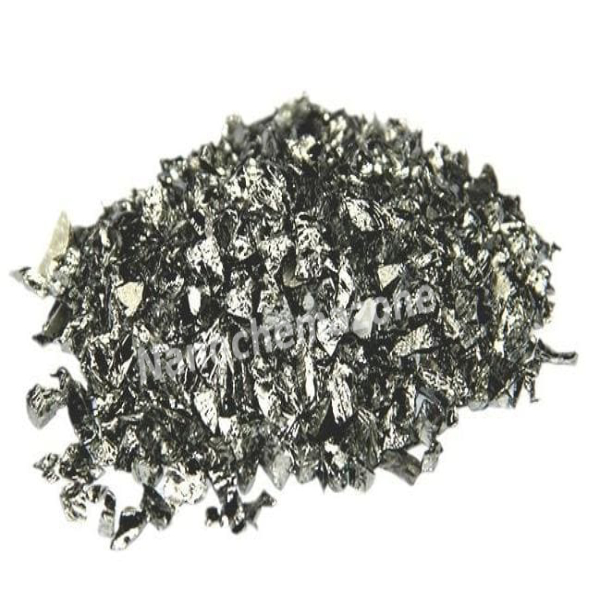
Silicon on Insulator (SOI) Wafers, Size: 6”, Device Thickness: 340 nm, P type

Price range: $1,134.00 through $5,370.00
Select options This product has multiple variants. The options may be chosen on the product page
Silicon on Insulator (SOI) Wafers Size: 6”, Device Thickness: 340 nm, P type Technical Properties: Size (inch)  6” Thickness (μm)

Silicon on Insulator (SOI) Wafers, Size: 8”, Device Thickness: 300 nm, P type

Price range: $1,147.00 through $5,352.00
Select options This product has multiple variants. The options may be chosen on the product page
Silicon on Insulator (SOI) Wafers Size: 8”, Device Thickness: 300 nm, P type Technical Properties: Size (inch)  8” Thickness (μm)

Silicon on Insulator (SOI) Wafers, Size: 6”, Device Thickness: 625 nm, P type

Price range: $1,128.00 through $5,340.00
Select options This product has multiple variants. The options may be chosen on the product page
Silicon on Insulator (SOI) Wafers Size: 6”, Device Thickness: 625 nm, P type Technical Properties: Size (inch)  6” Thickness (μm)

Aluminum Foil for Battery Cathode Substrate, Size: 350 m*280 mm*15 µm

Price range: $263.00 through $5,313.00
Select options This product has multiple variants. The options may be chosen on the product page
1 piece/263 € 5 pieces/1182 € 25 pieces/5313 € Please contact us for quotes on larger quantities !!! Aluminum Foil for Battery Cathode Substrate

Aluminum Foil for Battery Cathode Substrate, Size: 350 m*280 mm*15 µm

Price range: $263.00 through $5,313.00
Select options This product has multiple variants. The options may be chosen on the product page
1 piece/263 € 5 pieces/1182 € 25 pieces/5313 € Please contact us for quotes on larger quantities !!! Aluminum Foil for Battery Cathode Substrate

Impending Self-Help Transfer Nickel Graphene Foam, Thickness: 1±0.1 mm, Size: 5×10 cm

Price range: $1,415.00 through $5,302.00
Select options This product has multiple variants. The options may be chosen on the product page
Please contact us for quotes for larger quantities !   Impending self-help transfer nickel graphene foam is produced by etching the nickel of nickel graphene foam in etching liquid and being transferred to impending substrate. Graphene foam, can be gently released in deionized water and transferred directly to any base. This product is widely used for producing sensors, super capacitors and as the electrode materials of lithium battery to improve the battery capacity.

Beryllium Oxide (BeO) Powder >99.95%

Price range: $910.00 through $5,243.00
Select options This product has multiple variants. The options may be chosen on the product page
Product Beryllium Oxide (BeO) Powder >99.95%
CAS No. 1304-56-9
Appearance Colorless to white
Purity ≥99%,  ≥99.9%,  ≥95%(Other purities are also available)
APS 50µm (Size Can be customized),  Ask for other available size range.
Ingredient BeO
Molecular Weight 25.01 g/mol
Melting Point N/A
Boiling Point N/A
Density 3.01 g/cm³
Product Codes NCZ-298I

Magnesium (Mg) Micron Powder, Purity: 99.9%, Size: 0-200 µm

Price range: $315.00 through $5,146.00
Select options This product has multiple variants. The options may be chosen on the product page
1 kg/280 € 5 kg/1175 € 25 kg/4565 €                          Please contact us for quotes on larger quantities !!!

Magnesium (Mg) Micron Powder

Purity: 99.9%, Size: 0-100 µm

Technical Properties:

CAS Number 7439-95-4
Molecular Weight (g) 24.31
Average Particle Size (µm) 0-200
Apparent Density (g/cm3) 0.60 – 0.75
Appearance gray
Tmelting (oC) 650
Tboiling (oC) 1090
Electrical Resistivity (@ 20 °C) 4.45 microhm-cm
Thermal Conductivity (@ 298.2 K) 1.56 W/cm/K

Applications:

Magnesium is one of the lightest metals. This property gives Mg a wide range of applications from aircraft and automobile parts to material handling equipments, pyrotechnic, metallurgy, welding.

Cubic Boron Nitride Nanopowder, Cubic, Size: <250 nm Purity: 99.5%

Price range: $44.00 through $5,082.00
Select options This product has multiple variants. The options may be chosen on the product page
1 gram:39€
5 gram:124€ 25 gram:368€ 100 gram:745€ 500 gram:2680€ 1000 gram:4480€
Please contact us for quotes on larger quantities !!!
Cubic Boron Nitride (BN) Nanopowder Purity: 99.5% Size: < 250 nm Cubic boron nitride has a crystal structure analogous to that of diamond. Consistent with diamond being less stable than graphite, the cubic form is less stable than the hexagonal form, but the conversion rate between the two is negligible at room temperature, as it is for diamond. The cubic form has the sphalerite crystal structure, the same as that of diamond, and is also called β-BN or c-BN.

PREPARATION OF CUBIC BORON NITRIDE

Synthesis of c-BN uses same methods as that of diamond: Cubic boron nitride is produced by treating hexagonal boron nitride at high pressure and temperature, much as synthetic diamond is produced from graphite. Direct conversion of hexagonal boron nitride to the cubic form has been observed at pressures between 5 and 18 GPa and temperatures between 1730 and 3230 °C, that is similar parameters as for direct graphite-diamond conversion.  The addition of a small amount of boron oxide can lower the required pressure to 4–7 GPa and temperature to 1500 °C. As in diamond synthesis, to further reduce the conversion pressures and temperatures, a catalyst is added, such as lithium, potassium, or magnesium, their nitrides, their fluoronitrides, water with ammonium compounds, or hydrazine.Other industrial synthesis methods, again borrowed from diamond growth, use crystal growth in a temperature gradient, or explosive shock wave. The shock wave method is used to produce material called heterodiamond, a superhard compound of boron, carbon, and nitrogen. Low-pressure deposition of thin films of cubic boron nitride is possible. As in diamond growth, the major problem is to suppress the growth of hexagonal phases (h-BN or graphite, respectively). Whereas in diamond growth this is achieved by adding hydrogen gas, boron trifluoride is used for c-BN. Ion beam deposition, plasma-enhanced chemical vapor deposition, pulsed laser deposition, reactive sputtering, and other physical vapor deposition methods are used as well. Applications of CBN Cubic boron nitride (CBN or c-BN) is widely used as an abrasive. Its usefulness arises from its insolubility in iron, nickel, and related alloys at high temperatures, whereas diamond is soluble in these metals. Polycrystalline c-BN (PCBN) abrasives are therefore used for machining steel, whereas diamond abrasives are preferred for aluminum alloys, ceramics, and stone. When in contact with oxygen at high temperatures, BN forms a passivation layer of boron oxide. Boron nitride binds well with metals, due to formation of interlayers of metal borides or nitrides. Materials with cubic boron nitride crystals are often used in the tool bits of cutting tools. For grinding applications, softer binders, e.g. resin, porous ceramics, and soft metals, are used. Ceramic binders can be used as well. Commercial products are known under names "Borazon" (by Diamond Innovations), and "Elbor" or "Cubonite" (by Russian vendors). Contrary to diamond, large c-BN pellets can be produced in a simple process (called sintering) of annealing c-BN powders in nitrogen flow at temperatures slightly below the BN decomposition temperature. This ability of c-BN and h-BN powders to fuse allows cheap production of large BN parts. Similar to diamond, the combination in c-BN of highest thermal conductivity and electrical resistivity is ideal for heat spreaders. As cubic boron nitride consists of light atoms and is very robust chemically and mechanically, it is one of the popular materials for X-ray membranes: low mass results in small X-ray absorption, and good mechanical properties allow usage of thin membranes, thus further reducing the absorption.

Polyhydroxylated Fullerene (Fullerenols)/ C60, (-OH) Functionalized, Dry powder

Price range: $1,097.00 through $5,016.00
Select options This product has multiple variants. The options may be chosen on the product page
1 gram/980 € 5 grams/4480 €                         
Please contact us for quotes on larger quantities !!! 

Polyhydroxylated Fullerene (Fullerenols)/ C60

(-OH) Functionalized, Dry powder

Technical Properties:

Water Soluble can reach >50 mg/mL
Dimethyl Sulfoxide (DMSO) Slightly soluble
Methanol Slightly soluble
Storage Temperature 2-8°C
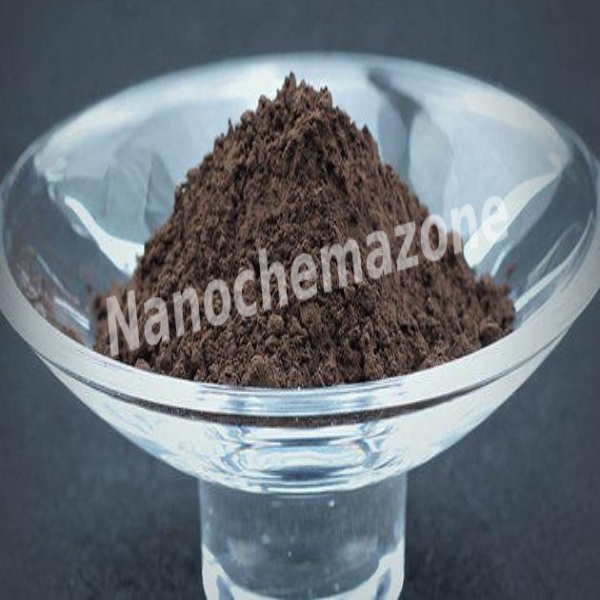
Color Dark Brown
Form Powder
The starting material is >98% purity C60 fullerenes. C60 bearing over 40 hydroxyl groups that have higher water solubility (>50 mg/mL). These exist as monodisperse nanoparticles in water, and have a valiant polishing effect. They exhibit superior antioxidant and anti-inflammatory properties.

Applications:

1. Pharmaceutical: Diagnostic reagents, super drugs, cosmetics, nuclear magnetic resonance (NMR) with the developer. DNA affinity, anti-HIV drugs, anti-cancer drugs, chemotherapy drugs, cosmetics additives and scientific research. 2. Energy: Solar battery, fuel cell, secondary battery. 3. Industry: Wear resistant material, flame retardant materials, lubricants, polymer additives, high-performance membrane, catalyst, artificial diamond, hard alloy, electric viscous fluid, ink filters, high-performance coatings, fire retardant coatings, manufacturing bioactive materials , memory materials, embedded molecular and other characteristics, composite materials etc. 4. Information industry: Semiconductor record medium, magnetic materials, printing ink, toner, ink, paper special purposes. 5. Electronic parts: Superconducting semiconductor, diodes, transistors, inductor.  , 6. Optical materials, electronic camera, fluorescence display tube, nonlinear optical materials. 7. Environment: Gas adsorption, gas storage.  

Polyhydroxylated Fullerene (Fullerenols)/ C60, (-OH) Functionalized, Dispersed in Water, 4000 ppm Dry powder

Price range: $470.00 through $5,016.00
Select options This product has multiple variants. The options may be chosen on the product page
25 ml/420 € 100 ml/1390 € 500 ml/3240 € 1000 ml/4480 € Please contact us for quotes on larger quantities.

Polyhydroxylated Fullerene (Fullerenols)/ C60

(-OH) Functionalized, Dispersed in Water, 4000 ppm, Dry powder

The starting material is >98% purity C60 fullerenes. C60 bearing over 40 hydroxyl groups that have higher water solubility (>50 mg/mL). These exist as monodisperse nanoparticles in water, and have a valiant polishing effect. They exhibit superior antioxidant and anti-inflammatory properties.

Applications:

1. Pharmaceutical: Diagnostic reagents, super drugs, cosmetics, nuclear magnetic resonance (NMR) with the developer. DNA affinity, anti-HIV drugs, anti-cancer drugs, chemotherapy drugs, cosmetics additives and scientific research. 2. Energy: Solar battery, fuel cell, secondary battery. 3. Industry: Wear resistant material, flame retardant materials, lubricants, polymer additives, high-performance membrane, catalyst, artificial diamond, hard alloy, electric viscous fluid, ink filters, high-performance coatings, fire retardant coatings, manufacturing bioactive materials , memory materials, embedded molecular and other characteristics, composite materials etc. 4. Information industry: Semiconductor record medium, magnetic materials, printing ink, toner, ink, paper special purposes. 5. Electronic parts: Superconducting semiconductor, diodes, transistors, inductor. 6. Optical materials, electronic camera, fluorescence display tube, nonlinear optical materials. 7. Environment: Gas adsorption, gas storage.

Silver (Ag) Sputtering Targets, Purity: 99.99%, Size: 8”, Thickness: 0.250”

$5,002.00

Product 

Silver (Ag) Sputtering Targets, Purity: 99.99%, Size: 8'', Thickness: 0.250''

CAS No.

 7440-22-4

Appearance

Powder

Purity

≥99%,  ≥99.9%,  ≥95%

(Other purities are also available)

APS

N/A  (Size Can be customized), Ask for other available size ranges.

Ingredient

N/A

Molecular Weight

107.87 g/mol

Melting Point

 961.78 °C

Boiling Point

 2162 °C

Density

 10.49 g/cm³

Product Codes

NCZ-1685K

Dysprosium (Dy) Micron Powder, Purity: 99.5 %, Size: 325 mesh

Price range: $109.00 through $4,975.00
Select options This product has multiple variants. The options may be chosen on the product page

Applications:

Dysprosium is named from the Greek word dysprositos meaning ‘hard to get’. It is black brown metal powder. It is found in minerals such as fergusonite, monazite, bastnäsite, blomstrandine, euxenite, gadolinite, polycrase and xenotime. It is relatively stable in air at room temperature. It dissolves quickly with the evolution of hydrogen in mineral acids. Dysprosium has one of the highest magnetic strengths of the elements. Dysprosium powder has applications in electronics for data storage because of its magnetic properties. It is used in various data storage applications such as in compact discs. Dysprosium is substituted in many magnets to improve the corrosion resistance of the magnets. It has also applications in optics as a dopant in glass and optical fibers. It is also added to advance optical applications as it emits 470-500 nm and 570-600 nm wavelengths. 

Selenium (Se) Nanopowder/Nanoparticles, Purity: 99.5+%, Size: < 100 nm

Price range: $1,577.00 through $4,971.00
Select options This product has multiple variants. The options may be chosen on the product page
25 grams/1390 €                       
100 grams/4380 €
Please contact us for quotes on larger quantities !!!

Selenium (Se) Nanopowder/Nanoparticles

Purity: 99.5+%, Size: < 100 nm

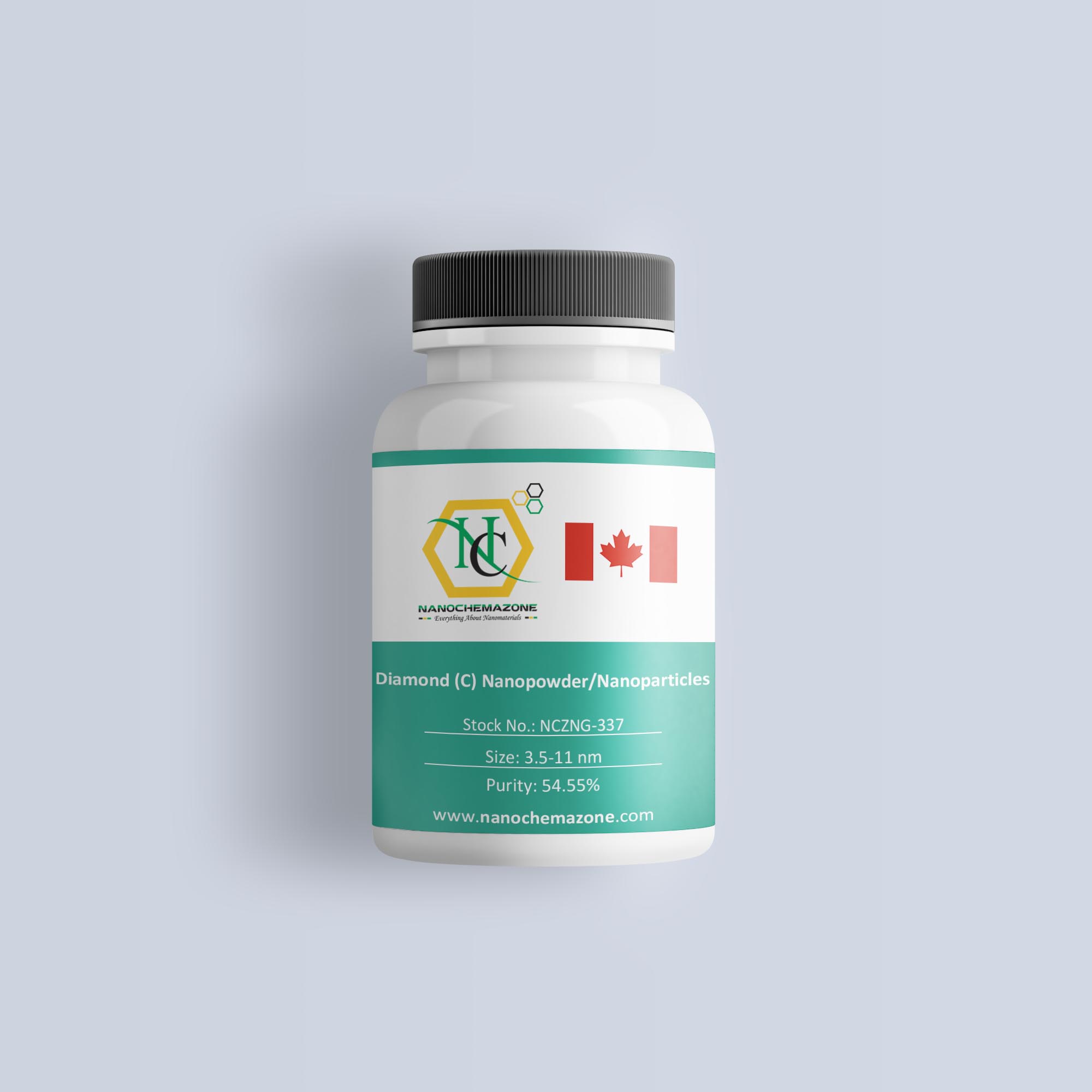
Diamond (C) Nanopowder/Nanoparticles, Purity: 54.55%, Size: 3.5-11 nm

Price range: $311.00 through $4,967.00
Select options This product has multiple variants. The options may be chosen on the product page

Diamond (C) Nanopowder/Nanoparticles

Purity: 54.55%, Size: 3.5-11 nm

Technical Properties: 

Bulk Density (g/cm3) 0,19
True Density (g/cm3) 3,2
Color black
Shape flaky
Ash Content (%) 2,3
Tdecomposition (oC) 630
Average Particle Size (nm) 3,5-11,0
Specific Surface Area (m2/g) 294,5
Elemental Analysis C H N O Al Fe Others
87,5 (54,5 % diamond) 2,32 3,54 4,72 0,35 0,23 ≤0.10

Applications:

Diamond nanopowder is frequently used in polishing (especially high precision polishing) for computer hardware parts, chips, lenses and some kinds of jewelry. It can be used for polymer textile fabrics, ceramic, glass etc. It can be applied as surface coatings for heat-resistant, wear resistant, IC enhancing materials. It can be applied to prosthesis materials, biological and chemical sensors, photoelectric and pressure-controlling sensors, plastics (as strengthening additive) etc.

Beryllium (Be) Micron Powder, Purity: 99.5+%, Size: -100 mesh

Price range: $95.00 through $4,962.00
Select options This product has multiple variants. The options may be chosen on the product page
5 grams/84€                       
25 grams/345€                    
100 grams/984€ 500 grams/ 4380€
Please contact us for quotes on larger quantities !!!

Beryllium (Be) Micron Powder, Purity: 99.5+%, Size: -100 mesh

Applications:

- Beryllium powder, 325 mesh, 99.5+% is the chemical element in the periodic table that has the symbol Be and atomic number 4. It has several unique properties: - Beryllium micron powder is uniquely strong, - Beryllium mesh powder is uniquely light, - Beryllium micron particles is used to make cell phones, missiles and aircrafts, - Beryllium mesh particles is in fact highly toxic and should therefore never be tasted, - Beryllium 99.9+%is one of the lightest metals and has one of the highest melting points among the light metals, - Beryllium powder, 325 mesh is Steel gray in color, - Beryllium's modulus of elasticity is about one-third greater than steel, - Beryllium 325 mesh is nonmagnetic and resistant to concentrated nitric acid, - Beryllium mesh particles 99.9+% is also has superior thermal conductivity and resists oxidation in air in normal temperatures, - Beryllium micron powder 99.9+%  improves many physical properties when added as an alloying element to aluminium, copper (notably the alloy beryllium copper), iron and nickel, - Beryllium micron particles 325 mesh does not form oxides until it reaches very high temperatures, - Beryllium  micron powder 99.9+% is the most common window material for X-ray equipment and components of particle physics experiments, - The high thermal conductivities of beryllium and beryllium oxide have led to their use in thermal management applications.

Single Walled Carbon Nanotubes, Purity: > 92%, OD: 1-2 nm

Price range: $101.00 through $4,957.00
Select options This product has multiple variants. The options may be chosen on the product page

Applications:

Single Walled Carbon Nanotubes have a variety of potential applications in different fields. These applications include medicine, mechanics, electric-electronics, chemicals, energy and others. It can be applied in, 1-drug delivery, 2-biosensors, 3-CNT composites, 4-catalysis, 5-nanoprobes, 6-hydrogen storage, 7-lithium batteries, 8-gas-discharge tubes, 9-flat panel displays, 10-supercapacitors, 11-transistors, 12-solar cells, 13-photoluminescence, 14-templates

Polyhydroxylated Fullerene (Fullerenols)/ C60, (-OH) Functionalized, Dispersed in Water, 2000 ppm Dry powder

Price range: $407.00 through $4,938.00
Select options This product has multiple variants. The options may be chosen on the product page

Applications:

1. Pharmaceutical: Diagnostic reagents, super drugs,   cosmetics, nuclear magnetic resonance (NMR) with the developer. DNA affinity, anti-HIV drugs, anti-cancer drugs, chemotherapy drugs, cosmetics additives and scientific research. 2. Energy: Solar battery, fuel cell, secondary battery. 3. Industry: Wear resistant material, flame retardant materials, lubricants, polymer additives, high-performance membrane, catalyst, artificial diamond, hard alloy, electric viscous fluid, ink filters, high-performance coatings, fire retardant coatings, manufacturing bioactive materials , memory materials, embedded molecular and other characteristics, composite materials etc. 4. Information industry: Semiconductor record medium, magnetic materials, printing ink, toner, ink, paper special purposes. 5. Electronic parts: Superconducting semiconductor, diodes, transistors, inductor.  , 6. Optical materials, electronic camera, fluorescence display tube, nonlinear optical materials. 7. Environment: Gas adsorption, gas storage.

Silicon on Insulator (SOI) Wafers, Size: 6”, Device Thickness: 340 nm, P type

Price range: $1,042.00 through $4,935.00
Select options This product has multiple variants. The options may be chosen on the product page
1 piece/945 € 5 pieces/4475 €                          Please contact us for quotes on larger quantities !!!

Silicon on Insulator (SOI) Wafers

Size: 6'', Device Thickness: 340 nm, P type

Technical Properties:

Size (inch)  6”
Thickness (μm)  625
Resistivity   1-20 ohm.cm
Grade  Prime
Dopant  P type (Boron doped )
Orientation  100
Device Thickness  340 nm
Device Resistivity   1-20 ohm.cm
Device Type  P type (Boron doped )
Device Orientation  100
BOX Thickness  2 um

Fields of Application for Silicon on Insulator (SOI) Wafer

Silicon on insulator (SOI) wafer is obtained with the addition of insulating layer. Silicon on insulator (SOI) wafer is placed between silicon substrate and an upper layer of silicon. The fundamental aim of using silicon on insulator (SOI) wafer is to increase the performance of the conventional silicon wafer by decreasing electrical losses. In case of reducing power and heat while increasing the speed performance of a device silicon on insulator (SOI) wafer is helpful. Best insulation depends on the application aims, for instance silicon dioxide is the most common insulator in microelectronics since it has ability to reduce short-channel effects. Silicon on insulator (SOI) wafer has reduced temperature dependency due to no doping and better yield due to high density. Silicon on insulator wafers helps to reduce the heat and increase the speed. Are the most common wafers for integrated circuit production. Mainly used where traditional silicon wafers are ineffective. High density of SOI wafers increases the utilization of such products. SOI wafers are commonly used in silicon photonics. The silicon layer on insulator can be used to fabricate optical waveguides and other optical devices, either passive or active (e.g. through suitable implantations). The buried insulator enables propagation of infrared light in the silicon layer on the basis of total internal reflection. The top surface of the waveguides can be either left uncovered and exposed to air (e.g. for sensing applications), or covered with a cladding, typically made of silica.
  • Silicon on insulator (SOI) wafer is used in silicon photonics.
  • Silicon on insulator (SOI) wafer is used in microelectronic devices.
  • Silicon on insulator (SOI) wafer is used for radio frequency (RF).

Silicon on Insulator (SOI) Wafers, Size: 8”, Device Thickness: 600 nm, P type

Price range: $1,058.00 through $4,929.00
Select options This product has multiple variants. The options may be chosen on the product page
1 piece/960  5 pieces/4470                           Please contact us for quotes on larger quantities !!!

Silicon on Insulator (SOI) Wafers

Size: 8'', Device Thickness: 600 nm, P type

Technical Properties:

Size (inch)  8”
Thickness (μm)  725
Resistivity   1-100 ohm.cm
Grade  Prime
Dopant  P type (Boron doped )
Orientation  100
Device Thickness  600 nm
Device Resistivity   1-100 ohm.cm
Device Type  P type (Boron doped )
Device Orientation  100
BOX Thickness  2000 nm

Fields of Application for Silicon on Insulator (SOI) Wafer

Silicon on insulator (SOI) wafer is obtained with the addition of insulating layer. Silicon on insulator (SOI) wafer is placed between silicon substrate and an upper layer of silicon. The fundamental aim of using silicon on insulator (SOI) wafer is to increase the performance of the conventional silicon wafer by decreasing electrical losses. In case of reducing power and heat while increasing the speed performance of a device silicon on insulator (SOI) wafer is helpful. Best insulation depends on the application aims, for instance silicon dioxide is the most common insulator in microelectronics since it has ability to reduce short-channel effects. Silicon on insulator (SOI) wafer has reduced temperature dependency due to no doping and better yield due to high density. Silicon on insulator wafers helps to reduce the heat and increase the speed. Are the most common wafers for integrated circuit production. Mainly used where traditional silicon wafers are ineffective. High density of SOI wafers increases the utilization of such products. SOI wafers are commonly used in silicon photonics. The silicon layer on insulator can be used to fabricate optical waveguides and other optical devices, either passive or active (e.g. through suitable implantations). The buried insulator enables propagation of infrared light in the silicon layer on the basis of total internal reflection. The top surface of the waveguides can be either left uncovered and exposed to air (e.g. for sensing applications), or covered with a cladding, typically made of silica.
  • Silicon on insulator (SOI) wafer is used in silicon photonics.
  • Silicon on insulator (SOI) wafer is used in microelectronic devices.
  • Silicon on insulator (SOI) wafer is used for radio frequency (RF).

Silicon on Insulator (SOI) Wafers, Size: 8”, Device Thickness: 300 nm, P type

Price range: $1,054.00 through $4,918.00
Select options This product has multiple variants. The options may be chosen on the product page
1 piece/956  5 pieces/4460                            Please contact us for quotes on larger quantities !!!

Silicon on Insulator (SOI) Wafers

Size: 8'', Device Thickness: 300 nm, P type

Technical Properties:

Size (inch)  8”
Thickness (μm)  725
Resistivity   1-100 ohm.cm
Grade  Prime
Dopant  P type (Boron doped )
Orientation  100
Device Thickness  300 nm
Device Resistivity   1-100 ohm.cm
Device Type  P type (Boron doped )
Device Orientation  100
BOX Thickness  500 nm

Fields of Application for Silicon on Insulator (SOI) Wafer

Silicon on insulator (SOI) wafer is obtained with the addition of insulating layer. Silicon on insulator (SOI) wafer is placed between silicon substrate and an upper layer of silicon. The fundamental aim of using silicon on insulator (SOI) wafer is to increase the performance of the conventional silicon wafer by decreasing electrical losses. In case of reducing power and heat while increasing the speed performance of a device silicon on insulator (SOI) wafer is helpful. Best insulation depends on the application aims, for instance silicon dioxide is the most common insulator in microelectronics since it has ability to reduce short-channel effects. Silicon on insulator (SOI) wafer has reduced temperature dependency due to no doping and better yield due to high density. Silicon on insulator wafers helps to reduce the heat and increase the speed. Are the most common wafers for integrated circuit production. Mainly used where traditional silicon wafers are ineffective. High density of SOI wafers increases the utilization of such products. SOI wafers are commonly used in silicon photonics. The silicon layer on insulator can be used to fabricate optical waveguides and other optical devices, either passive or active (e.g. through suitable implantations). The buried insulator enables propagation of infrared light in the silicon layer on the basis of total internal reflection. The top surface of the waveguides can be either left uncovered and exposed to air (e.g. for sensing applications), or covered with a cladding, typically made of silica.
  • Silicon on insulator (SOI) wafer is used in silicon photonics.
  • Silicon on insulator (SOI) wafer is used in microelectronic devices.
  • Silicon on insulator (SOI) wafer is used for radio frequency (RF).

Silicon on Insulator (SOI) Wafers, Size: 6”, Device Thickness: 625 nm, P type

Price range: $1,036.00 through $4,907.00
Select options This product has multiple variants. The options may be chosen on the product page
1 piece/940 € 5 pieces/4450 €                          Please contact us for quotes on larger quantities !!!

Silicon on Insulator (SOI) Wafers

Size: 6'', Device Thickness: 625 nm, P type

Technical Properties:

Size (inch)  6”
Thickness (μm)  625
Resistivity   1-20 ohm.cm
Grade  Prime
Dopant  P type (Boron doped)
Orientation  100
Device Thickness  220 nm
Device Resistivity   1-20 ohm.cm
Device Type  P type (Boron doped)
Device Orientation  100
BOX Thickness  1.5 um

Fields of Application for Silicon on Insulator (SOI) Wafer:

Silicon on insulator (SOI) wafer is obtained with the addition of insulating layer. Silicon on insulator (SOI) wafer is placed between silicon substrate and an upper layer of silicon. The fundamental aim of using silicon on insulator (SOI) wafer is to increase the performance of the conventional silicon wafer by decreasing electrical losses. In case of reducing power and heat while increasing the speed performance of a device silicon on insulator (SOI) wafer is helpful. Best insulation depends on the application aims, for instance silicon dioxide is the most common insulator in microelectronics since it has ability to reduce short-channel effects. Silicon on insulator (SOI) wafer has reduced temperature dependency due to no doping and better yield due to high density. Silicon on insulator wafers helps to reduce the heat and increase the speed. Are the most common wafers for integrated circuit production. Mainly used where traditional silicon wafers are ineffective. High density of SOI wafers increases the utilization of such products. SOI wafers are commonly used in silicon photonics. The silicon layer on insulator can be used to fabricate optical waveguides and other optical devices, either passive or active (e.g. through suitable implantations). The buried insulator enables propagation of infrared light in the silicon layer on the basis of total internal reflection. The top surface of the waveguides can be either left uncovered and exposed to air (e.g. for sensing applications), or covered with a cladding, typically made of silica.
  • Silicon on insulator (SOI) wafer is used in silicon photonics.
  • Silicon on insulator (SOI) wafer is used in microelectronic devices.
  • Silicon on insulator (SOI) wafer is used for radio frequency (RF).

Holmium (Ho) Metal 99.5% 2N5, 1kg

$4,881.00
Product Holmium (Ho) Metal 99.5% 2N5, 1kg
CAS No. 7440-60-0
Appearance Silvery, soft, ductile meta
Purity ≥99%,  ≥99.9%,  ≥95%(Other purities are also available)
APS N/A
Ingredient Ho
Molecular Weight 164.9303 g/mol
Melting Point 1,474 °C
Boiling Point N/A
Density 8.79 g/cm³
Product Codes NCZ-416I
 

Magnesium (Mg) Micron Powder, Purity: 99.9%, Size: 0-300 µm

Price range: $298.00 through $4,825.00
Select options This product has multiple variants. The options may be chosen on the product page
1 kg/265 € 5 kg/1095 € 25 kg/4280 €                          Please contact us for quotes on larger quantities !!!

Magnesium (Mg) Micron Powder

Purity: 99.9%, Size: 0-300 µm

Technical Properties:

CAS Number 7439-95-4
Molecular Weight (g) 24.31
Average Particle Size (µm) 0-300
Apparent Density (g/cm3) 0.65 – 0.80
Appearance gray
Tmelting (oC) 650
Tboiling (oC) 1090
Electrical Resistivity (@ 20 °C) 4.45 microhm-cm
Thermal Conductivity (@ 298.2 K) 1.56 W/cm/K

Applications:

Magnesium is one of the lightest metals. This property gives Mg a wide range of applications from aircraft and automobile parts to material handling equipments, pyrotechnic, metallurgy, welding.  

Gallium Antimonide (GaSb) Wafers, Size: 3”, Thickness: 625± 25 μm, Orientation: 100, EPI-Ready

Price range: $1,014.00 through $4,794.00
Select options This product has multiple variants. The options may be chosen on the product page
Gallium Antimonide (GaSb) Wafers Size: 3”, Thickness: 625± 25 μm, Orientation: 100 Technical Properties: Quality  EPI-Ready Size (inch)  3” Thickness (μm)

Gallium Antimonide (GaSb) Wafers, Size: 3”, Thickness: 625± 25 μm, Orientation: 111, EPI-Ready

Price range: $1,014.00 through $4,794.00
Select options This product has multiple variants. The options may be chosen on the product page
Gallium Antimonide (GaSb) Wafers Size: 3”, Thickness: 625± 25 μm, Orientation: 111 Technical Properties: Quality  EPI-Ready Size (inch)  3” Thickness (μm)

Gallium Arsenide (GaAs) Wafer, Size: 4”, Thickness: 300± 25 μm, Double Side Polished, EPI-ready

Price range: $237.00 through $4,776.00
Select options This product has multiple variants. The options may be chosen on the product page
Gallium Arsenide (GaAs) Wafer Size: 4”, Double Side Polished, Thickness: 300± 25 μm, EPI-ready Technical Properties: Quality  GaAs Materials  GaAs

Gallium Arsenide (GaAs) Wafers, Size: 4”, Thickness: 600±25 μm, Double Side Polished, EPI-ready

Price range: $201.00 through $4,740.00
Select options This product has multiple variants. The options may be chosen on the product page
Gallium Arsenide (GaAs) Wafer Size: 4”, Double Side Polished, Thickness: 600± 25 μm, EPI-ready Technical Properties: Quality  GaAs Materials  GaAs

Cerium (Ce) Micron Powder, Purity: 99.5 %, Size: 325 mesh

Price range: $1,360.00 through $4,656.00
Select options This product has multiple variants. The options may be chosen on the product page

Applications:

Cerium is the most abundant element of the rare earth elements. It is found in minerals sallanite, rhabdophane, hydroxylbastnasite, bastnasite, monazite, synchysite, and zircon. It is ductile and it oxidizes very quickly at room temperature. Cerium nanoparticles are graded as highly flammable and harmful. Cerium powder is applied as polishing agent in glass polishing. It is very efficient glass polishing agents. It is used for precision optical polishing because of its strong oxidizing properties. It is also used to remove ultrafine diesel particle emissions like carbon. It is used in steel manufacturing to remove unwanted trace elements such as lead and antimony and to remove free oxygen and sulfur. Cerium powder has also applications in fuel cells functions for example it is used in the electrolyte of solid oxide fuel cells. 

Terbium (III,IV) Oxide (Tb4O7) 99.995% 4N5 Powder

Price range: $513.00 through $4,649.00
Select options This product has multiple variants. The options may be chosen on the product page
Product Terbium (III,IV) Oxide (Tb4O7) 99.995% 4N5 Powder
CAS No. 12036-41-8
Appearance Dark brown to black
Purity ≥99%,  ≥99.9%,  ≥95%(Other purities are also available)
APS 5μm (Size Can be customized),  Ask for other available size range.
Ingredient Tb4O7
Molecular Weight 747.69 g/mol
Melting Point 3880 °C
Boiling Point N/A
Density 7.3 g/cm³
Product Codes NCZ-552I

Ytterbium (Yb) Micron Powder, Purity: 99.5 %, Size: 325 mesh

Price range: $72.00 through $4,625.00
Select options This product has multiple variants. The options may be chosen on the product page

Applications:

Ytterbium is not found free in nature it is found with other lanthanides elements. It can be found in minerals such as pegmatite. It oxidizes in air and it is reactive to water. Ytterbium is used in the manufacturing of stainless steel. It is used to improve the grain refinement and strength of stainless steel. It is used as a doping material in solid state lasers. It is also used in optical glass and ceramics. 

Titanium Alloy Micron Powders, CPTi, 10-25 µm, Spherical

Price range: $95.00 through $4,610.00
Select options This product has multiple variants. The options may be chosen on the product page

Application areas:

  • 3D Printing: Titanium is the strongest and the lightest material for 3d printing at the same time. It is used in the process called Direct Metal Laser Sintering (DMLS)
  • High tech fields: Space exploration, aeronautics, and medical field
  • Petrochemical
  • Shipbuilding
  • Automotive
  • Pharmaceutical
  • Manufacturing prostheses
  • Direct metal deposition
  • Binder jetting 3d printer technologies
  • Powder bed fusion
The most outstanding usages of 3D metal printing involve powder beds, streams of gas-propelled powder jets or wire for feedstock, lasers and electron beams as the energy sources, and precision automation equipment for digitally directing the energy source, the feedstock, or both along the material/energy deposition pathways. The composition of titanium alloy TC4 material is Ti-6Al-4V, and has good comprehensive mechanical and mechanical properties.

Chromium (Cr) Nanopowder/Nanoparticles, Purity: 99.95 %, Size: 100 nm, Metal Basis

Price range: $224.00 through $4,574.00
Select options This product has multiple variants. The options may be chosen on the product page

Chromium (Cr) Nanopowder/Nanoparticles

Purity: 99.95 %, Size: 100 nm, Metal Basis

Chromium is a chemical element with symbol Cr and atomic number 24. It is the first element in group 6. It is a steely-grey, lustrous, hard and brittle metal which takes a high polish, resists tarnishing, and has a high melting point. Chromium is an element which is very useful and used in many different areas. There are too many different application areas where Chromium Nanoparticles/Nanopowder can be used like in metallurgy, metal ceramics, in diamond tool manufacturing. Also for Chromium plating Chromium Nanoparticles/Nanopowder are very useful and they give a shiny effect to the surface and also protect it. Nanopowder/Nanoparticle Chromium is a very hard metal. Therefore, in nanopowder/nanoparticle form, Chromium can be widely used in applications where mechanical strength is required. Chromium Nanoparticles/Nanopowder are used in ceramics, cutting and shaping tools and steel industry. In addition, Chromium Nanopowders/Nanoparticle are widely used as a catalyst.

Chromium (Cr) Nanopowder/Nanoparticles, Purity: 99.95 %, Size: 100 nm, Metal Basis

Price range: $224.00 through $4,573.00
Select options This product has multiple variants. The options may be chosen on the product page
25 grams/198 €                        
100 grams/540 €                     
500 grams/2150 €                    
1000 grams/4030 € Please contact us for quotes on larger quantities !!!

Chromium (Cr) Nanopowder/Nanoparticles

Purity: 99.95 %, Size: 100 nm, Metal Basis

Chromium is a chemical element with symbol Cr and atomic number 24. It is the first element in group 6. It is a steely-grey, lustrous, hard and brittle metal which takes a high polish, resists tarnishing, and has a high melting point. Chromium is an element which is very useful and used in many different areas. There are too many different application areas where Chromium Nanoparticles/Nanopowder can be used like in metallurgy, metal ceramics, in diamond tool manufacturing. Also for Chromium plating Chromium Nanoparticles/Nanopowder are very useful and they give a shiny effect to the surface and also protect it. Nanopowder/Nanoparticle Chromium is a very hard metal. Therefore, in nanopowder/nanoparticle form, Chromium can be widely used in applications where mechanical strength is required. Chromium Nanoparticles/Nanopowder are used in ceramics, cutting and shaping tools and steel industry. In addition, Chromium Nanopowders/Nanoparticle are widely used as a catalyst.

Silver Indium (Ag-In) Alloy Nanopowder/Nanoparticles, Purity: 99.9%, Size: 40-100 nm

Price range: $144.00 through $4,505.00
Select options This product has multiple variants. The options may be chosen on the product page

Silver Indium (Ag-In) Alloy Nanopowder/Nanoparticles

Purity: 99.9%, Size: 40-100 nm

Technical Properties:

Alloy Ratio (Ag-In) depends on customer needs
Average Particle Size (nm) 40-100

Properties, Storage and Cautions:

Ag-In alloy nanoparticles are highly reactive, therefore it should be handled with care and rapid moves, vibrations should be avoided. The powder should be kept away from sunlight, any kind of heating, moisture and impacts. Coagulation of the particles is a serious problem, so, the powder should be sealed under vacuum and should be kept in cool and dry conditions. Air contact should be avoided.

Silver Indium (Ag-In) Alloy Nanopowder/Nanoparticles, Purity: 99.9%, Size: 40-100 nm

Price range: $144.00 through $4,505.00
Select options This product has multiple variants. The options may be chosen on the product page

Silver Indium (Ag-In) Alloy Nanopowder/Nanoparticles

Purity: 99.9%, Size: 40-100 nm

Technical Properties:

Alloy Ratio (Ag-In) depends on customer needs
Average Particle Size (nm) 40-100

Properties, Storage and Cautions:

Ag-In alloy nanoparticles are highly reactive, therefore it should be handled with care and rapid moves, vibrations should be avoided. The powder should be kept away from sunlight, any kind of heating, moisture and impacts. Coagulation of the particles is a serious problem, so, the powder should be sealed under vacuum and should be kept in cool and dry conditions. Air contact should be avoided.

Germanium (Ge) Micron Powder, Purity: 99.99 %, Size: 5 µm

Price range: $332.00 through $4,492.00
Select options This product has multiple variants. The options may be chosen on the product page
25 grams/295 € 100 grams/860 € 500 grams/2480 € 1000 grams/3985 €
Please contact us for quotes on larger quantities !!!

Germanium (Ge) Micron Powder

Purity: 99.99 %, Size: 5 µm

Titanium Alloy Micron Powders, CPTi, 15-35 µm, Spherical

Price range: $85.00 through $4,425.00
Select options This product has multiple variants. The options may be chosen on the product page

Application areas:

  • 3D Printing: Titanium is the strongest and the lightest material for 3d printing at the same time. It is used in the process called Direct Metal Laser Sintering (DMLS)
  • High tech fields: Space exploration, aeronautics, and medical field
  • Petrochemical
  • Shipbuilding
  • Automotive
  • Pharmaceutical
  • Manufacturing prostheses
  • Direct metal deposition
  • Binder jetting 3d printer technologies
  • Powder bed fusion
The most outstanding usages of 3D metal printing involve powder beds, streams of gas-propelled powder jets or wire for feedstock, lasers and electron beams as the energy sources, and precision automation equipment for digitally directing the energy source, the feedstock, or both along the material/energy deposition pathways. The composition of titanium alloy TC4 material is Ti-6Al-4V, and has good comprehensive mechanical and mechanical properties.

Polyhydroxylated Fullerene (Fullerenols)/ C60, (-OH) Functionalized, Dispersed in Water, 2000 ppm Dry powder

Price range: $363.00 through $4,422.00
Select options This product has multiple variants. The options may be chosen on the product page
25 ml/325 € 100 ml/990 € 500 ml/2760 € 1000 ml/3950 € Please contact us for quotes on larger quantities.

Polyhydroxylated Fullerene (Fullerenols)/ C60

(-OH) Functionalized, Dispersed in Water, 2000 ppm, Dry powder

The starting material is >98% purity C60 fullerenes. C60 bearing over 40 hydroxyl groups that have higher water solubility (>50 mg/mL). These exist as monodisperse nanoparticles in water, and have a valiant polishing effect. They exhibit superior antioxidant and anti-inflammatory properties.

Applications:

1. Pharmaceutical: Diagnostic reagents, super drugs,   cosmetics, nuclear magnetic resonance (NMR) with the developer. DNA affinity, anti-HIV drugs, anti-cancer drugs, chemotherapy drugs, cosmetics additives and scientific research. 2. Energy: Solar battery, fuel cell, secondary battery. 3. Industry: Wear resistant material, flame retardant materials, lubricants, polymer additives, high-performance membrane, catalyst, artificial diamond, hard alloy, electric viscous fluid, ink filters, high-performance coatings, fire retardant coatings, manufacturing bioactive materials , memory materials, embedded molecular and other characteristics, composite materials etc. 4. Information industry: Semiconductor record medium, magnetic materials, printing ink, toner, ink, paper special purposes. 5. Electronic parts: Superconducting semiconductor, diodes, transistors, inductor.  , 6. Optical materials, electronic camera, fluorescence display tube, nonlinear optical materials. 7. Environment: Gas adsorption, gas storage.  

Gallium Arsenide (GaAs) Wafer, Size: 4”, Thickness: 300± 25 μm, Double Side Polished, EPI-ready

Price range: $219.00 through $4,418.00
Select options This product has multiple variants. The options may be chosen on the product page
1 piece/198 € 5 pieces/935 € 25 pieces/3980 € Please contact us for quotes on larger quantities !!!

Gallium Arsenide (GaAs) Wafer

Size: 4”, Double Side Polished, Thickness: 300± 25 μm, EPI-ready

Technical Properties:

Quality  GaAs
Materials  GaAs
Size (inch)  4”
Thickness (μm)  300± 25
Polished  Double Side
Dopant  Undoped
Orientation  100
Resistivity   1 E8
Mobility  4500
EPD  ≤5000
Growth method  VGF
OF Length  32.5±1
IF Length  18±1

Applications:

Gallium arsenide (GaAs) is a compound of the elements gallium and arsenic. Gallium arsenide (GaAs) is a semiconductor compound. Gallium arsenide (GaAs)  has a high electron velocity and high saturated electron mobility. This makes gallium arsenide (GaAs) components are useful in fast electronic switching applications and at ultra-high radio frequencies. In 1907, the British discovered infrared emmission from gallium arsenide. This was called electroluminescence. Also, gallium arsenide (GaAs) was used as a solar cells in space for the Venera 3 mission in 1965, which is the first known operational use of gallium arsenide (GaAs). Vertical gradient freeze is the most common method to produce GaAs wafers. Mainly used for circuits, electronics and solar cell applications. Carbon, silicon, tellurium and zinc are some of the dopants that are used to modify the characteristics and electrical properties of gallium arsenide wafers. Wafer flatness and surface purity are ensured by highest quality standards. Boron concentration of gallium arsenide wafers highly depend on the production method. Gallium arsenide wafers with adequate electrical resistancy prevent high current induction in the circuit. Mobility of GaAs wafers can be tailored with different doping levels.
  • Gallium arsenide (GaAs) is used in laser diodes.
  • Gallium arsenide (GaAs) is used in solar cells.
  • Gallium arsenide (GaAs) is used in optical windows.
  • Gallium arsenide (GaAs) is used in monolithic microwave integrated circuits.
  • Gallium arsenide (GaAs) is used in microwave frequency integrated circuits.
  • Gallium arsenide (GaAs) is used in infrared light-emitting diodes.
  • Gallium arsenide (GaAs) is useful in barometers.
  • Gallium arsenide (GaAs) is useful in pharmaceuticals and nuclear medicine tests.
  • Gallium arsenide (GaAs) is useful in high temperature thermometers.

Gallium Antimonide (GaSb) Wafers, Size: 3”, Thickness: 625± 25 μm, Orientation: 100, EPI-Ready

Price range: $931.00 through $4,405.00
Select options This product has multiple variants. The options may be chosen on the product page
1 piece/845  5 pieces/3995                           Please contact us for quotes on larger quantities !!!

Gallium Antimonide (GaSb) Wafers

Size: 3”, Thickness: 625± 25 μm, Orientation: 100

Technical Properties:

Quality  EPI-Ready
Size (inch)  3”
Thickness (μm)  625± 25
Polished  Single Side
Dopant  Tellurium ( N type )
Orientation  100
Mobility  2000-3500
EPD  ≤2000
Growth method  VGF
OF Length  22±2
IF Length   11±1

Fields of Application for Gallium Antimonide (GaSb)

The intermetallic compound of gallium antimonide (GaSb) was first prepared in 1926 by Victor Goldschmidt. Gallium antimonide (GaSb) is a semiconductor made of gallium and antimony of the group III-V compounds. Gallium antimonide (GaSb) is supplied in polished wafer form. Gallium antimonide (GaSb) wafers are produced from polycrystalline ingots with using Czochralski method to obtain a single crystal with perfect purity. Supplied in polished wafer form, gallium antimonide has a very high accuracy of orientation. Thickness and orientation of these wafers can be modified with additives. Czochralski method is used to provide the growh of pure gallium and antimonide elements. The natural low-defect structure of GaSb makes it a perfect material for epitaxial growth. They are supplied in polished 1 side or 2 sides and cut forms.
  • Gallium antimonide (GaSb) is used for infrared detectors.
  • Gallium antimonide (GaSb) is used for infrared LEDs.
  • Gallium antimonide (GaSb) is used for transistors.
  • Gallium antimonide (GaSb) is used for lasers.
  • Gallium antimonide (GaSb) is used for thermophotovoltaic systems.

Gallium Antimonide (GaSb) Wafers, Size: 3”, Thickness: 625± 25 μm, Orientation: 111, EPI-Ready

Price range: $931.00 through $4,405.00
Select options This product has multiple variants. The options may be chosen on the product page
1 piece/845  5 pieces/3995                            Please ask for amount of stock before placing an order on Wafer Products Please contact us for quotes on larger quantities !!!

Gallium Antimonide (GaSb) Wafers

Size: 3”, Thickness: 625± 25 μm, Orientation: 111

Technical Properties:

Quality  EPI-Ready
Size (inch)  3”
Thickness (μm)  625± 25
Polished  Single Side
Dopant  Tellurium ( N type )
Orientation  111
Mobility  2000-3500
EPD  ≤2000
Growth method  VGF
OF Length  22±2
IF Length   11±1

Fields of Application for Gallium Antimonide (GaSb)

The intermetallic compound of gallium antimonide (GaSb) was first prepared in 1926 by Victor Goldschmidt. Gallium antimonide (GaSb) is a semiconductor made of gallium and antimony of the group III-V compounds. Gallium antimonide (GaSb) is supplied in polished wafer form. Gallium antimonide (GaSb) wafers are produced from polycrystalline ingots with using Czochralski method to obtain a single crystal with perfect purity. Supplied in polished wafer form, gallium antimonide has a very high accuracy of orientation. Thickness and orientation of these wafers can be modified with additives. Czochralski method is used to provide the growh of pure gallium and antimonide elements. The natural low-defect structure of GaSb makes it a perfect material for epitaxial growth. They are supplied in polished 1 side or 2 sides and cut forms.
  • Gallium antimonide (GaSb) is used for infrared detectors.
  • Gallium antimonide (GaSb) is used for infrared LEDs.
  • Gallium antimonide (GaSb) is used for transistors.
  • Gallium antimonide (GaSb) is used for lasers.
  • Gallium antimonide (GaSb) is used for thermophotovoltaic systems.

Gallium Arsenide (GaAs) Wafers, Size: 4”, Thickness: 600±25 μm, Double Side Polished, EPI-ready

Price range: $186.00 through $4,385.00
Select options This product has multiple variants. The options may be chosen on the product page
1 piece/168€ 5 pieces/830€ 25 pieces/3950€ Please contact us for quotes on larger quantities ! Gallium Arsenide (GaAs) Wafer Size: 4”, Double Side Polished, Thickness: 600± 25 μm, EPI-ready Technical Properties:
Quality  GaAs
Materials  GaAs
Size (inch)  4”
Thickness (μm)  600± 25
Polished  Double Side
Dopant  Undoped
Orientation  (100) 
Resistivity   1 E8
Mobility  4500
EPD  ≤5000
Growth method  VGF
OF Length  32,5±1
IF Length  18±1
Applications: Gallium arsenide (GaAs) is a compound of the elements gallium and arsenic. Vertical gradient freeze is the most common method to produce GaAs wafers. Mainly used for circuits, electronics and solar cell applications. Carbon, silicon, tellurium and zinc are some of the dopants that are used to modify the characteristics and electrical properties of gallium arsenide wafers. Wafer flatness and surface purity are ensured by highest quality standards. Boron concentration of gallium arsenide wafers highly depend on the production method. Gallium arsenide wafers with adequate electrical resistancy prevent high current induction in the circuit. Mobility of GaAs wafers can be tailored with different doping levels. Gallium arsenide (GaAs) is a semiconductor compound. Gallium arsenide (GaAs)  has a high electron velocity and high saturated electron mobility. This makes gallium arsenide (GaAs) components are useful in fast electronic switching applications and at ultra-high radio frequencies. In 1907, the British discovered infrared emmission from gallium arsenide. This was called electroluminescence. Also, gallium arsenide (GaAs) was used as a solar cells in space for the Venera 3 mission in 1965, which is the first known operational use of gallium arsenide (GaAs).
  • Gallium arsenide (GaAs) is used in laser diodes.
  • Gallium arsenide (GaAs) is used in solar cells.
  • Gallium arsenide (GaAs) is used in optical windows.
  • Gallium arsenide (GaAs) is used in monolithic microwave integrated circuits.
  • Gallium arsenide (GaAs) is used in microwave frequency integrated circuits.
  • Gallium arsenide (GaAs) is used in infrared light-emitting diodes.
  • Gallium arsenide (GaAs) is useful in barometers.
  • Gallium arsenide (GaAs) is useful in pharmaceuticals and nuclear medicine tests.
  • Gallium arsenide (GaAs) is useful in high temperature thermometers.

Indium Arsenide (InAs) Wafers, Size: 3”, Thickness: 625± 25 μm, Orientation: 100, EPI-Ready

Price range: $926.00 through $4,367.00
Select options This product has multiple variants. The options may be chosen on the product page
1 piece/840 € 5 pieces/3960 €                           Please contact us for quotes on larger quantities !!!

Indium Arsenide (InAs) Wafers

Size: 3”, Thickness: 625± 25 μm , Orientation: 100

Technical Properties:

Quality  EPI-Ready
Size (inch)  3”
Thickness (μm)  625± 25
Polished  Single Side
Dopant  Zinc/Sulphur (Zn/S, N Type)
Orientation  100
Mobility  6000-20000
EPD  ≤50000
Growth method  VGF
OF Length  22±2
IF Length   11±1

Fields of Application for Indium Arsenide (InAs) Wafer

Indium arsenide (InAs) is a compound of indium and arsenic. Indium arsenide (InAs) is a semiconductor compound. Indium arsenide (InAs) is similar to gallium arsenide and is a direct bandgap material. Since indium arsenide (InAs) wafer has high electron mobility, narrow energy bandgap and is a strong Photo-dember emitter, indium arsenide (InAs) wafer is widely used as terahertz radiation source. They can be supplied in n type, p type or semi insulating forms with different orientations. Indium arsenide, InAs, is a semiconductor composed of indium and arsenic. It has the appearance of grey cubic crystals with a melting point of 942 °C. Indium arsenide is used for construction of infrared detectors, for the wavelength range of 1–3.8 µm. The detectors are usually photovoltaic photodiodes. Cryogenically cooled detectors have lower noise, but InAs detectors can be used in higher-power applications at room temperature as well. Indium arsenide is also used for making of diode lasers.
  • Indium arsenide (InAs) wafer is used for infrared detectors.
  • Indium arsenide (InAs) wafer  is used for mil specs.
  • Indium arsenide (InAs) wafer  is used for foods.
  • Indium arsenide (InAs) wafer  is used for optical grades.
  • Diode lasers are also made using indium arsenide (InAs) wafer.

Pneumatic Die Cutting Machine For Battery Electrode Cutting

$4,350.00
Pneumatic Die Cutting Machine For Battery Electrode Cutting Pneumatic die cutter is suitable for die-cutting of positive and negative electrodes

Multilayer Molybdenum Carbide (Mo2C) MXene Material

Price range: $979.00 through $4,312.00
Select options This product has multiple variants. The options may be chosen on the product page
Product Multilayer Molybdenum Carbide (Mo2C) MXene Material
CAS No. 12069-89-5
Appearance Dark gray to black
Purity ≥99%,  ≥99.9%,  ≥95%(Other purities are also available)
APS 100nm ( (Size Can be customized),  Ask for other available size range.
Ingredient Mo2C
Molecular Weight N/A
Melting Point N/A
Boiling Point N/A
Density N/A
Product Codes NCZ-463I
 

Silver (Ag) Sputtering Targets, Purity: 99.99%, Size: 8”, Thickness: 0.250”

$4,282.00

Applications of Sputtering Targets;

Film deposition is accomplished using sputtering targets. A technique for sputtering thin films is called "deposition made by sputter targets," which entails eroding material from a "target" source onto a "substrate" like a silicon wafer. Etching of the target is done using semiconductor sputtering targets. When selectivity is not an issue and a high degree of etching anisotropy is required, sputter etching is the method of choice. By removing the target material through etching, sputter targets are also utilized for investigation. In secondary ion spectroscopy (SIMS), one example is when the target material is sputtered at a steady pace. Mass spectrometry is used to quantify the concentration and identity of spewed atoms as the target is sputtered.

The target material's composition may be ascertained and even very low concentrations of contaminants can be found with the aid of the sputtering target.

There is also an application area for sputtering targets in space. One type of space weathering that alters the chemical and physical characteristics of airless worlds like the Moon and asteroids is sputtering.

Hafnium Diboride Nanopowder, Purity:99.5 %, APS:50 nm

Price range: $224.00 through $4,246.00
Select options This product has multiple variants. The options may be chosen on the product page
Hafnium Diboride Nanopowder, Purity:99.5 %, APS:50 nm Performance characteristics Nano hafnium diboride powder is prepared by high-frequency plasma gas phase synthesis. It is gray-black with metallic luster crystals, with a melting point of 3250°C, high conductivity, and stable chemical properties. It hardly reacts with all chemical reagents (except HF) at room temperature. New ceramic materials with high melting point, high thermal conductivity, oxidation resistance and other high-temperature comprehensive properties are mainly used in high-temperature ceramics, high-speed aircraft nose cones, aviation, aerospace and other fields Applications
  • Wear-resistant coating; crucible lining and corrosion-resistant chemical equipment; anti-oxidation composite materials; refractory materials, where the corrosion of molten metal is resistant;
  • Heat-enhancing additives; high-temperature resistance; high-temperature, corrosion-resistant and oxidation-resistant special coatings;
  • Mainly used as a material for the production of composite ceramics; can be used as a neutron absorber;
  • High-temperature ceramics, high-speed aircraft nose cones and aviation, aerospace and other fields.
Packaging and storage This product is packaged in an inert gas plastic bag, sealed and stored in a dry, cool environment. It should not be exposed to the air to prevent oxidation and agglomeration due to moisture, which will affect the dispersion performance and use effect; the number of packages can be provided according to customer requirements and packed.

Lithium Chips for Coin Cell Materials, Diameter: 16 mm, Thickness: 0.6 mm, 1500 pieces

Price range: $1,118.00 through $4,232.00
Select options This product has multiple variants. The options may be chosen on the product page

Applications:

Lithium Chips for Coin Cell Materials can be used in lithium ion battery, reactor carrier and organic synthetic vitamins, synthetic rubber, medicine, pharmacy, etc.

Titanium Alloy Micron Powders, CPTi, 25-50 µm, Spherical

Price range: $83.00 through $4,225.00
Select options This product has multiple variants. The options may be chosen on the product page

Application areas:

  • 3D Printing: Titanium is the strongest and the lightest material for 3d printing at the same time. It is used in the process called Direct Metal Laser Sintering (DMLS)
  • High tech fields: Space exploration, aeronautics, and medical field
  • Petrochemical
  • Shipbuilding
  • Automotive
  • Pharmaceutical
  • Manufacturing prostheses
  • Direct metal deposition
  • Binder jetting 3d printer technologies
  • Powder bed fusion
The most outstanding usages of 3D metal printing involve powder beds, streams of gas-propelled powder jets or wire for feedstock, lasers and electron beams as the energy sources, and precision automation equipment for digitally directing the energy source, the feedstock, or both along the material/energy deposition pathways. The composition of titanium alloy TC4 material is Ti-6Al-4V, and has good comprehensive mechanical and mechanical properties.

Silicon Carbide Wafer (SiC-4H) – 4H, Size: 3”, Thickness: 350 μm, Research Grade, 4H Area: 95%

Price range: $936.00 through $4,176.00
Select options This product has multiple variants. The options may be chosen on the product page
Silicon Carbide Wafer (SiC-4H) – 4H Size: 3”, Thickness: 350 μm, 4H Area: 95% Technical Properties: Quality  Research Grade Size (inch)  3”

Carbon Nanotube Sponges, Size: 50 mm x 20 mm, Thickness: 3-4 mm

Price range: $888.00 through $4,120.00
Select options This product has multiple variants. The options may be chosen on the product page
Carbon Nanotube Sponges, Size: 50 mm x 20 mm, Thickness: 3-4 mm The carbon nanotube sponge structure is uniform and they possess good mechanical strength, good flexibility, high porosity and low density. They can be used as a purifying agent in order to absorb pollutants. These pollutants can be fertilizers, pesticides or pharmaceuticals found in water, energy storage materials, catalyst carriers or in high-efficiency composite materials.

Titanium Alloy Micron Powders, CPTi, 50-150 µm, Spherical

Price range: $80.00 through $4,119.00
Select options This product has multiple variants. The options may be chosen on the product page

Application areas:

  • 3D Printing: Titanium is the strongest and the lightest material for 3d printing at the same time. It is used in the process called Direct Metal Laser Sintering (DMLS)
  • High tech fields: Space exploration, aeronautics, and medical field
  • Petrochemical
  • Shipbuilding
  • Automotive
  • Pharmaceutical
  • Manufacturing prostheses
  • Direct metal deposition
  • Binder jetting 3d printer technologies
  • Powder bed fusion
The most outstanding usages of 3D metal printing involve powder beds, streams of gas-propelled powder jets or wire for feedstock, lasers and electron beams as the energy sources, and precision automation equipment for digitally directing the energy source, the feedstock, or both along the material/energy deposition pathways. The composition of titanium alloy TC4 material is Ti-6Al-4V, and has good comprehensive mechanical and mechanical properties.

Silicon Carbide Wafer (SiC-4H) – 4H, Size: 4”, Thickness: 350 μm, Testing Grade, 4H Area: 95%

Price range: $827.00 through $4,069.00
Select options This product has multiple variants. The options may be chosen on the product page
1 piece/750 € 5 pieces/3690 €                 Please contact us for quotes on larger quantities !!!

Silicon Carbide Wafer (SiC-4H)- 4H

Size: 4'', Thickness: 350 μm, 4H Area: 95%

Technical Properties:

Quality  Testing Grade
Size (inch)  4”
Thickness (μm)  350
Ra  ≤0.3
4H area  95%
Orientation  4°±0.5°
Resistivity   0.015-0.03
TTV  ≤25
Bow  ≤30
Warp  ≤35
OF Length  32.5±2
IF Length  18±2

Fields of Application for Silicon Carbide (SiC-4H) - 4H Wafer

Silicon carbide (SiC) is a rare compound of silicon and carbon which is synthetically produced. Silicon carbide (SiC) wafer has great electrical properties and excellent thermal properties. Silicon carbide (SiC) wafer has low thermal expansion. Silicon carbide (SiC) wafer has superior hardness properties. Silicon carbide (SiC) wafer performs well at high temperatures. Also, silicon carbide (SiC) wafer has high resistance to corrosion, erosion and oxidation. In addition to, silicon carbide (SiC) wafer is also more shiny than either diamonds or cubic zirconia. Silicon carbide (SiC) crystals have unique physical and electronic properties. Silicon Carbide based devices have been used for short wavelength opto-electronic, high temperature, radiation resistant applications.  The high-power and high-frequency electronic devices made with SiC are superior to Si and GaAs based devices.  Below are some popular applications of SiC substrates. SiC based devices have low lattice mismatch with III-nitride epitaxial layers.  They have high thermal conductivity and can be used for the monitoring of combustion processes and for all sorts of UV-detection.  SiC-based semiconductor devices can work under very hostile environments, such as high temperature, high power, and high radiation conditions. SiC is used for the fabrication of very high-voltage and high-power devices such as diodes, power transistors, and high power microwave devices. Compared to conventional Si-devices, SiC-based power devices have faster switching speed higher voltages, lower parasitic resistances, smaller size, less cooling required due to high-temperature capability. While Silicon carbide (SiC-4H) - 4H wafer has superior electronic properties, silicon carbide (SiC-6H) – 6H wafer is most easily prepared and best studied.
  • Silicon carbide (SiC) wafer is used for hybrid and electric vehicles.
  • Silicon carbide (SiC) wafer is used for green energy generation.
  • Silicon carbide (SiC) wafer is used for LEDs.
  • Silicon carbide (SiC) wafer is used for many other emerging markets.

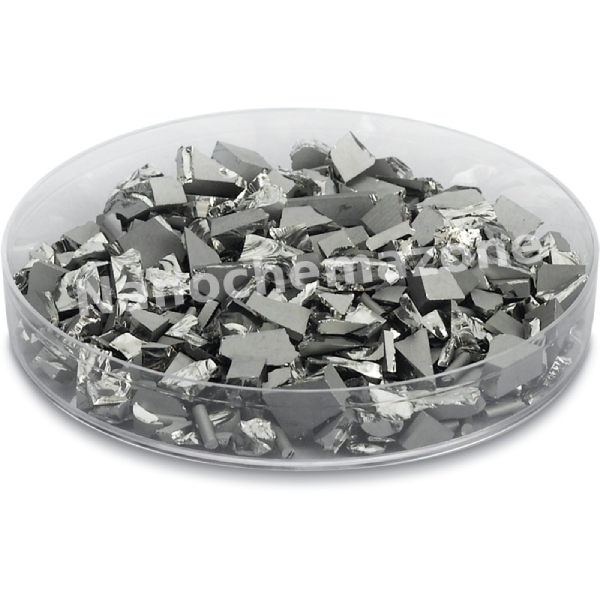
5N (99.999%) Germanium (Ge) Pieces Evaporation Materials

Price range: $440.00 through $4,004.00
Select options This product has multiple variants. The options may be chosen on the product page
Product 5N (99.999%) Germanium (Ge) Pieces Evaporation Materials
CAS No. 7440-56-4
Appearance Grayish White, Semi-Metallic
Purity ≥99%,  ≥99.9%,  ≥95%(Other purities are also available)
APS N/A
Ingredient Ge
Molecular Weight 72.63 g/mol
Melting Point 937 °C
Boiling Point N/A
Density 5.32 g/cm³
Product Codes NCZ-199I

5N (99.999%) Germanium (Ge) Pieces Evaporation Materials

Price range: $440.00 through $4,004.00
Select options This product has multiple variants. The options may be chosen on the product page
Product 5N (99.999%) Germanium (Ge) Pieces Evaporation Materials
CAS No. N/A
Appearance Grayish White, Semi-Metallic
Purity ≥99%,  ≥99.9%,  ≥95%(Other purities are also available)
APS N/A.
Ingredient Ge
Molecular Weight N/A
Melting Point 937 °C
Boiling Point N/A
Density N/A
Product Codes NCZ-115E

Boron Oxide (B2O3) Nanopowder/Nanoparticles, Purity: 99.95 %, Size: 50 nm

Price range: $278.00 through $3,957.00
Select options This product has multiple variants. The options may be chosen on the product page
25 grams/245 €                       
100 grams/490 €                     
500 grams/1960 €                    
1000 grams/3480 €
Please contact us for quotes on larger quantities !!!              

Boron Oxide (B2O3) Nanopowder/Nanoparticles

Purity: 99.95 %, Size: 50 nm

Scandium(III) oxide (Sc2O3) 99.999% 5N Powder

Price range: $503.00 through $3,945.00
Select options This product has multiple variants. The options may be chosen on the product page
Product Scandium(III) oxide (Sc2O3) 99.999% 5N Powder
CAS No. 12060-08-1
Appearance White
Purity ≥99%,  ≥99.9%,  ≥95%(Other purities are also available)
APS 5µm (Size Can be customized),  Ask for other available size range.
Ingredient Sc2O3
Molecular Weight 137.91 g/mol
Melting Point 2485°C
Boiling Point N/A
Density 3.86 g/cm³
Product Codes NCZ-512I

High Energy Ball Mill

$3,940.00

Applications:

  • Mechanical Alloying
  • Refractory Material Production
  • Paints
  • Pharmaceuticals
  • Geology and Mining
  • Environmental Science
  • Energy and Battery Industry

Silicon on Insulator (SOI) Wafers, Size: 4”, Thickness: 725 μm, P type (Boron doped)

Price range: $898.00 through $3,936.00
Select options This product has multiple variants. The options may be chosen on the product page
Silicon on Insulator (SOI) Wafers Size: 4”, Thickness: 750 μm, P type (Boron doped) Technical Properties: Size (inch)  4” Thickness (μm)