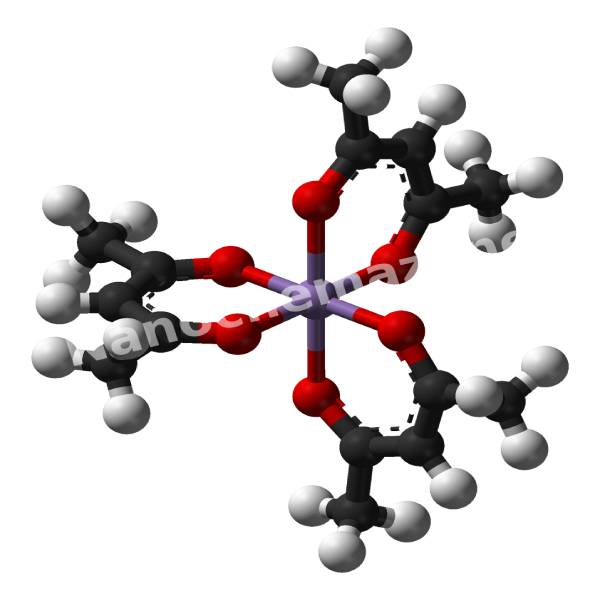
Chromium carbide(Cr3C2) (240571)

$177.00
Chromium carbide(Cr3C2) (240571)
Grade Chemical composition(%) Average particle size Fsss(µm)
Total carbon Free carbon O N Fe Ca Si Na Al
Cr3C2-X 13.2±0.2 ≤0.30 1.00 0.10 0.10 0.02 0.05 0.01 0.02 ≤1.0
Cr3C2-1 13.2±0.2 ≤0.30 0.80 0.10 0.10 0.02 0.05 0.01 0.02 1.0-1.5
Cr3C2-2 13.2±0.2 ≤0.30 0.60 0.10 0.10 0.02 0.05 0.01 0.02 1.5-2.0
Cr3C2-3 13.2±0.2 ≤0.30 0.50 0.10 0.10 0.02 0.05 0.01 0.02 2.0-3.5
Cr3C2-4 13.2±0.2 ≤0.30 0.25 0.10 0.20 0.02 0.08 0.01 0.10 3.5-6.0
 
Product Codes- NCZ-2759K

Chromium Diboride, CrB2, 99% Powder, 1 kg

$834.00
Select options This product has multiple variants. The options may be chosen on the product page
Product Chromium Diboride, CrB2, 99% Powder, 1 kg
CAS No. 12007-16-8
Appearance Gray to black crystalline
Purity ≥99%,  ≥99.9%,  ≥95%(Other purities are also available)
APS 10μm (Size Can be customized),  Ask for other available size range.
Ingredient CrB2
Molecular Weight 73.62 g/mol
Melting Point N/A
Boiling Point N/A
Density 5.15 g/cm³
Product Codes NCZ-320I
 

Chromium diboride(CrB2, 99%-99.9%, 300mesh) (752530 )

Price range: $484.00 through $575.00
Select options This product has multiple variants. The options may be chosen on the product page
Chromium diboride(CrB2, 99%-99.9%, 300mesh) (752530 )
Product Codes- NCZ-2696K

Chromium Nanoparticles

$0.00

Chromium Nanopowder

Chromium Nanoparticles

Nano Chromium Powder

MF: Cr
Chemical Name: Chromium
Purity: > 99.99%
APS: 20-50 nm (Size Customization possible)
Form: Nanopowder
Product Number: #NCZ1401
CAS Number 7440-47-3
Note: We can supply different size products of microparticles and Nanoparticles Size range powder according to client’s requirements.

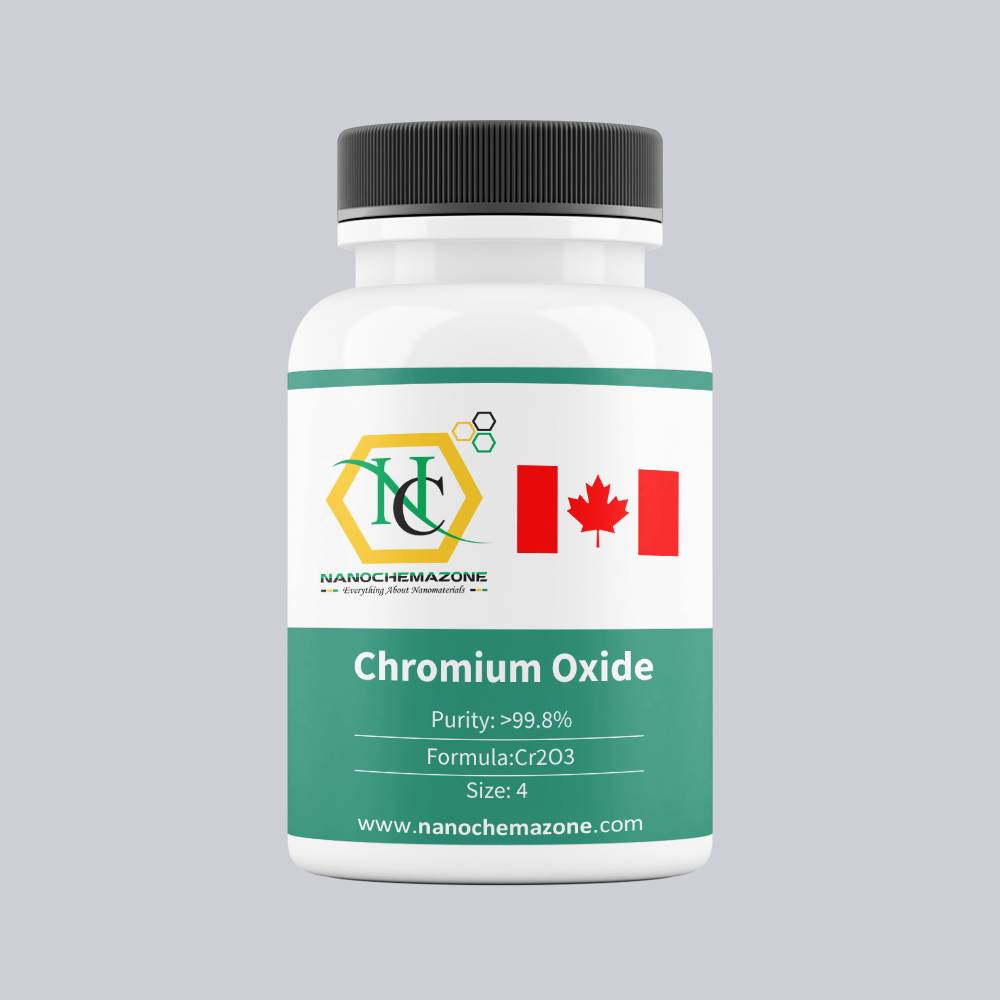
Chromium Oxide (Cr2O3) Nanopowder/Nanoparticles, Purity: 99.5+%, Size: 55 nm, Hexagonal

Price range: $35.00 through $153.00
Select options This product has multiple variants. The options may be chosen on the product page
5 grams/31 € 25 grams/53 € 100 grams/135 €                                   
Please contact us for quotes on larger quantities !!!

Chromium Oxide (Cr2O3) Nanopowder/Nanoparticles

Applications:

Chromium Oxide nanoparticle is used as a pigment in paints, inks, and glasses. It is used as a precursor for magnetic pigments (chromium dioxide).

Chromium Oxide (Cr2O3) Sputtering Target

Price range: $284.00 through $762.00
Select options This product has multiple variants. The options may be chosen on the product page

Product 

Chromium Oxide (Cr2O3) Sputtering Target

CAS No.

 1308-38-9

Appearance

Powder

Purity

≥99%,  ≥99.9%,  ≥95%

(Other purities are also available)

APS

 NA (Size Can be customized), Ask for other available size ranges.

Ingredient

N/A

Molecular Weight

151.99 g/mol

Melting Point

2,435 °C

Boiling Point

N/A

Density

5.22 g/cm³

Product Codes

NCZ-1367K

Chromium Oxide (Cr2O3) Sputtering Targets, indium, Purity: 99.8%, Size: 2”, Thickness: 0.125”

$757.00

Product 

Chromium Oxide (Cr2O3) Sputtering Targets, indium, Purity: 99.8%, Size: 2'', Thickness: 0.125''

CAS No.

1308-38-9

Appearance

Powder

Purity

≥99%,  ≥99.9%,  ≥95%

(Other purities are also available)

APS

 N/A (Size Can be customized), Ask for other available size ranges.

Ingredient

N/A

Molecular Weight

 151.99 g/mol

Melting Point

2,435 °C

Boiling Point

 ~3,000 °C (approximate; may decompose before boiling)

Density

5.21 g/cm³

Product Codes

NCZ-2298K

Chromium Oxide (Cr2O3) Sputtering Targets, indium, Purity: 99.8%, Size: 2”, Thickness: 0.125”

$655.00

Applications of Sputtering Targets;

Film deposition is accomplished using sputtering targets. A technique for sputtering thin films is called "deposition made by sputter targets," which entails eroding material from a "target" source onto a "substrate" like a silicon wafer. Etching of the target is done using semiconductor sputtering targets. When selectivity is not an issue and a high degree of etching anisotropy is required, sputter etching is the method of choice. By removing the target material through etching, sputter targets are also utilized for investigation. In secondary ion spectroscopy (SIMS), one example is when the target material is sputtered at a steady pace. Mass spectrometry is used to quantify the concentration and identity of spewed atoms as the target is sputtered.

The target material's composition may be ascertained and even very low concentrations of contaminants can be found with the aid of the sputtering target.

There is also an application area for sputtering targets in space. One type of space weathering that alters the chemical and physical characteristics of airless worlds like the Moon and asteroids is sputtering.

The inorganic chemical with the formula Cr2O3 is chromium oxide. Applications for chromium oxide sputtering targets are numerous. Let's examine a few instances where chromium oxide sputtering targets are employed instead. Low friction coefficients and high hardness values are displayed by Cr2O3 thin films. Because of these qualities, chromium oxide is a strong contender to take the place of Al2O3 or transition metal nitrides in certain applications.

Chromium Oxide (Cr2O3) Sputtering Targets, indium, Purity: 99.8%, Size: 3”, Thickness: 0.125”

$1,131.00

Product 

Chromium Oxide (Cr2O3) Sputtering Targets, indium, Purity: 99.8%, Size: 3'', Thickness: 0.125''

CAS No.

1308-38-9

Appearance

Powder

Purity

≥99%,  ≥99.9%,  ≥95%

(Other purities are also available)

APS

 N/A (Size Can be customized), Ask for other available size ranges.

Ingredient

N/A

Molecular Weight

 151.99 g/mol

Melting Point

2,435 °C

Boiling Point

 ~3,000 °C (approximate; may decompose before boiling)

Density

5.21 g/cm³

Product Codes

NCZ-2297K

Chromium Oxide (Cr2O3) Sputtering Targets, indium, Purity: 99.8%, Size: 3”, Thickness: 0.125”

$976.00

Applications of Sputtering Targets;

Film deposition is accomplished using sputtering targets. A technique for sputtering thin films is called "deposition made by sputter targets," which entails eroding material from a "target" source onto a "substrate" like a silicon wafer. Etching of the target is done using semiconductor sputtering targets. When selectivity is not an issue and a high degree of etching anisotropy is required, sputter etching is the method of choice. By removing the target material through etching, sputter targets are also utilized for investigation. In secondary ion spectroscopy (SIMS), one example is when the target material is sputtered at a steady pace. Mass spectrometry is used to quantify the concentration and identity of spewed atoms as the target is sputtered.

The target material's composition may be ascertained and even very low concentrations of contaminants can be found with the aid of the sputtering target.

There is also an application area for sputtering targets in space. One type of space weathering that alters the chemical and physical characteristics of airless worlds like the Moon and asteroids is sputtering.

The inorganic chemical with the formula Cr2O3 is chromium oxide. Applications for chromium oxide sputtering targets are numerous. Let's examine a few instances where chromium oxide sputtering targets are employed instead. Low friction coefficients and high hardness values are displayed by Cr2O3 thin films. Because of these qualities, chromium oxide is a strong contender to take the place of Al2O3 or transition metal nitrides in certain applications.

Chromium Oxide (Cr2O3) Sputtering Targets, Purity: 99.8%-99.9%, Size: 1”, Thickness: 0.125”

$337.00

Product 

Chromium Oxide (Cr2O3) Sputtering Targets, Purity: 99.8%-99.9%, Size: 1'', Thickness: 0.125''

CAS No.

1308-38-9

Appearance

Powder

Purity

≥99%,  ≥99.9%,  ≥95%

(Other purities are also available)

APS

 N/A (Size Can be customized), Ask for other available size ranges.

Ingredient

N/A

Molecular Weight

 151.99 g/mol

Melting Point

2,435 °C

Boiling Point

 ~3,000 °C (approximate; may decompose before boiling)

Density

5.21 g/cm³

Product Codes

NCZ-2306K

Chromium Oxide (Cr2O3) Sputtering Targets, Purity: 99.8%-99.9%, Size: 1”, Thickness: 0.125”

$294.00

Applications of Sputtering Targets;

Film deposition is accomplished using sputtering targets. A technique for sputtering thin films is called "deposition made by sputter targets," which entails eroding material from a "target" source onto a "substrate" like a silicon wafer. Etching of the target is done using semiconductor sputtering targets. When selectivity is not an issue and a high degree of etching anisotropy is required, sputter etching is the method of choice. By removing the target material through etching, sputter targets are also utilized for investigation. In secondary ion spectroscopy (SIMS), one example is when the target material is sputtered at a steady pace. Mass spectrometry is used to quantify the concentration and identity of spewed atoms as the target is sputtered.

The target material's composition may be ascertained and even very low concentrations of contaminants can be found with the aid of the sputtering target.

There is also an application area for sputtering targets in space. One type of space weathering that alters the chemical and physical characteristics of airless worlds like the Moon and asteroids is sputtering.

The inorganic chemical with the formula Cr2O3 is chromium oxide. Applications for chromium oxide sputtering targets are numerous. Let's examine a few instances where chromium oxide sputtering targets are employed instead. Low friction coefficients and high hardness values are displayed by Cr2O3 thin films. Because of these qualities, chromium oxide is a strong contender to take the place of Al2O3 or transition metal nitrides in certain applications.

Chromium Oxide (Cr2O3) Sputtering Targets, Purity: 99.8%-99.9%, Size: 1”, Thickness: 0.250”

$393.00

Product 

Chromium Oxide (Cr2O3) Sputtering Targets, Purity: 99.8%-99.9%, Size: 1'', Thickness: 0.250''

CAS No.

1308-38-9

Appearance

Powder

Purity

≥99%,  ≥99.9%,  ≥95%

(Other purities are also available)

APS

 N/A (Size Can be customized), Ask for other available size ranges.

Ingredient

N/A

Molecular Weight

 151.99 g/mol

Melting Point

2,435 °C

Boiling Point

 ~3,000 °C (approximate; may decompose before boiling)

Density

5.21 g/cm³

Product Codes

NCZ-2305K

Chromium Oxide (Cr2O3) Sputtering Targets, Purity: 99.8%-99.9%, Size: 1”, Thickness: 0.250”

$342.00

Applications of Sputtering Targets;

Film deposition is accomplished using sputtering targets. A technique for sputtering thin films is called "deposition made by sputter targets," which entails eroding material from a "target" source onto a "substrate" like a silicon wafer. Etching of the target is done using semiconductor sputtering targets. When selectivity is not an issue and a high degree of etching anisotropy is required, sputter etching is the method of choice. By removing the target material through etching, sputter targets are also utilized for investigation. In secondary ion spectroscopy (SIMS), one example is when the target material is sputtered at a steady pace. Mass spectrometry is used to quantify the concentration and identity of spewed atoms as the target is sputtered.

The target material's composition may be ascertained and even very low concentrations of contaminants can be found with the aid of the sputtering target.

There is also an application area for sputtering targets in space. One type of space weathering that alters the chemical and physical characteristics of airless worlds like the Moon and asteroids is sputtering.

The inorganic chemical with the formula Cr2O3 is chromium oxide. Applications for chromium oxide sputtering targets are numerous. Let's examine a few instances where chromium oxide sputtering targets are employed instead. Low friction coefficients and high hardness values are displayed by Cr2O3 thin films. Because of these qualities, chromium oxide is a strong contender to take the place of Al2O3 or transition metal nitrides in certain applications.

Chromium Oxide (Cr2O3) Sputtering Targets, Purity: 99.8%-99.9%, Size: 2”, Thickness: 0.125”

$436.00

Product 

Chromium Oxide (Cr2O3) Sputtering Targets, Purity: 99.8%-99.9%, Size: 2'', Thickness: 0.125''

CAS No.

1308-38-9

Appearance

Powder

Purity

≥99%,  ≥99.9%,  ≥95%

(Other purities are also available)

APS

 N/A (Size Can be customized), Ask for other available size ranges.

Ingredient

N/A

Molecular Weight

 151.99 g/mol

Melting Point

2,435 °C

Boiling Point

 ~3,000 °C (approximate; may decompose before boiling)

Density

5.21 g/cm³

Product Codes

NCZ-2304K

Chromium Oxide (Cr2O3) Sputtering Targets, Purity: 99.8%-99.9%, Size: 2”, Thickness: 0.125”

$379.00

Applications of Sputtering Targets;

Film deposition is accomplished using sputtering targets. A technique for sputtering thin films is called "deposition made by sputter targets," which entails eroding material from a "target" source onto a "substrate" like a silicon wafer. Etching of the target is done using semiconductor sputtering targets. When selectivity is not an issue and a high degree of etching anisotropy is required, sputter etching is the method of choice. By removing the target material through etching, sputter targets are also utilized for investigation. In secondary ion spectroscopy (SIMS), one example is when the target material is sputtered at a steady pace. Mass spectrometry is used to quantify the concentration and identity of spewed atoms as the target is sputtered.

The target material's composition may be ascertained and even very low concentrations of contaminants can be found with the aid of the sputtering target.

There is also an application area for sputtering targets in space. One type of space weathering that alters the chemical and physical characteristics of airless worlds like the Moon and asteroids is sputtering.

The inorganic chemical with the formula Cr2O3 is chromium oxide. Applications for chromium oxide sputtering targets are numerous. Let's examine a few instances where chromium oxide sputtering targets are employed instead. Low friction coefficients and high hardness values are displayed by Cr2O3 thin films. Because of these qualities, chromium oxide is a strong contender to take the place of Al2O3 or transition metal nitrides in certain applications.

Chromium Oxide (Cr2O3) Sputtering Targets, Purity: 99.8%-99.9%, Size: 2”, Thickness: 0.250”

$484.00

Product 

Chromium Oxide (Cr2O3) Sputtering Targets, Purity: 99.8%-99.9%, Size: 2'', Thickness: 0.250''

CAS No.

1308-38-9

Appearance

Powder

Purity

≥99%,  ≥99.9%,  ≥95%

(Other purities are also available)

APS

 N/A (Size Can be customized), Ask for other available size ranges.

Ingredient

N/A

Molecular Weight

 151.99 g/mol

Melting Point

2,435 °C

Boiling Point

 ~3,000 °C (approximate; may decompose before boiling)

Density

5.21 g/cm³

Product Codes

NCZ-2303K

Chromium Oxide (Cr2O3) Sputtering Targets, Purity: 99.8%-99.9%, Size: 2”, Thickness: 0.250”

$420.00

Applications of Sputtering Targets;

Film deposition is accomplished using sputtering targets. A technique for sputtering thin films is called "deposition made by sputter targets," which entails eroding material from a "target" source onto a "substrate" like a silicon wafer. Etching of the target is done using semiconductor sputtering targets. When selectivity is not an issue and a high degree of etching anisotropy is required, sputter etching is the method of choice. By removing the target material through etching, sputter targets are also utilized for investigation. In secondary ion spectroscopy (SIMS), one example is when the target material is sputtered at a steady pace. Mass spectrometry is used to quantify the concentration and identity of spewed atoms as the target is sputtered.

The target material's composition may be ascertained and even very low concentrations of contaminants can be found with the aid of the sputtering target.

There is also an application area for sputtering targets in space. One type of space weathering that alters the chemical and physical characteristics of airless worlds like the Moon and asteroids is sputtering.

The inorganic chemical with the formula Cr2O3 is chromium oxide. Applications for chromium oxide sputtering targets are numerous. Let's examine a few instances where chromium oxide sputtering targets are employed instead. Low friction coefficients and high hardness values are displayed by Cr2O3 thin films. Because of these qualities, chromium oxide is a strong contender to take the place of Al2O3 or transition metal nitrides in certain applications.

Chromium Oxide (Cr2O3) Sputtering Targets, Purity: 99.8%-99.9%, Size: 3”, Thickness: 0.125”

$607.00

Product 

Chromium Oxide (Cr2O3) Sputtering Targets, Purity: 99.8%-99.9%, Size: 3'', Thickness: 0.125''

CAS No.

1308-38-9

Appearance

Powder

Purity

≥99%,  ≥99.9%,  ≥95%

(Other purities are also available)

APS

 N/A (Size Can be customized), Ask for other available size ranges.

Ingredient

N/A

Molecular Weight

 151.99 g/mol

Melting Point

2,435 °C

Boiling Point

 ~3,000 °C (approximate; may decompose before boiling)

Density

5.21 g/cm³

Product Codes

NCZ-2302K

Chromium Oxide (Cr2O3) Sputtering Targets, Purity: 99.8%-99.9%, Size: 3”, Thickness: 0.125”

$526.00

Applications of Sputtering Targets;

Film deposition is accomplished using sputtering targets. A technique for sputtering thin films is called "deposition made by sputter targets," which entails eroding material from a "target" source onto a "substrate" like a silicon wafer. Etching of the target is done using semiconductor sputtering targets. When selectivity is not an issue and a high degree of etching anisotropy is required, sputter etching is the method of choice. By removing the target material through etching, sputter targets are also utilized for investigation. In secondary ion spectroscopy (SIMS), one example is when the target material is sputtered at a steady pace. Mass spectrometry is used to quantify the concentration and identity of spewed atoms as the target is sputtered.

The target material's composition may be ascertained and even very low concentrations of contaminants can be found with the aid of the sputtering target.

There is also an application area for sputtering targets in space. One type of space weathering that alters the chemical and physical characteristics of airless worlds like the Moon and asteroids is sputtering.

The inorganic chemical with the formula Cr2O3 is chromium oxide. Applications for chromium oxide sputtering targets are numerous. Let's examine a few instances where chromium oxide sputtering targets are employed instead. Low friction coefficients and high hardness values are displayed by Cr2O3 thin films. Because of these qualities, chromium oxide is a strong contender to take the place of Al2O3 or transition metal nitrides in certain applications.

Chromium Oxide (Cr2O3) Sputtering Targets, Purity: 99.8%-99.9%, Size: 3”, Thickness: 0.250”

$717.00

Product 

Chromium Oxide (Cr2O3) Sputtering Targets, Purity: 99.8%-99.9%, Size: 3'', Thickness: 0.250''

CAS No.

1308-38-9

Appearance

Powder

Purity

≥99%,  ≥99.9%,  ≥95%

(Other purities are also available)

APS

 N/A (Size Can be customized), Ask for other available size ranges.

Ingredient

N/A

Molecular Weight

 151.99 g/mol

Melting Point

2,435 °C

Boiling Point

 ~3,000 °C (approximate; may decompose before boiling)

Density

5.21 g/cm³

Product Codes

NCZ-2301K

Chromium Oxide (Cr2O3) Sputtering Targets, Purity: 99.8%-99.9%, Size: 3”, Thickness: 0.250”

$620.00

Applications of Sputtering Targets;

Film deposition is accomplished using sputtering targets. A technique for sputtering thin films is called "deposition made by sputter targets," which entails eroding material from a "target" source onto a "substrate" like a silicon wafer. Etching of the target is done using semiconductor sputtering targets. When selectivity is not an issue and a high degree of etching anisotropy is required, sputter etching is the method of choice. By removing the target material through etching, sputter targets are also utilized for investigation. In secondary ion spectroscopy (SIMS), one example is when the target material is sputtered at a steady pace. Mass spectrometry is used to quantify the concentration and identity of spewed atoms as the target is sputtered.

The target material's composition may be ascertained and even very low concentrations of contaminants can be found with the aid of the sputtering target.

There is also an application area for sputtering targets in space. One type of space weathering that alters the chemical and physical characteristics of airless worlds like the Moon and asteroids is sputtering.

The inorganic chemical with the formula Cr2O3 is chromium oxide. Applications for chromium oxide sputtering targets are numerous. Let's examine a few instances where chromium oxide sputtering targets are employed instead. Low friction coefficients and high hardness values are displayed by Cr2O3 thin films. Because of these qualities, chromium oxide is a strong contender to take the place of Al2O3 or transition metal nitrides in certain applications.

Chromium Oxide (Cr2O3) Sputtering Targets, Purity: 99.8%-99.9%, Size: 4”, Thickness: 0.125”

$854.00

Product 

Chromium Oxide (Cr2O3) Sputtering Targets, Purity: 99.8%-99.9%, Size: 4'', Thickness: 0.125''

CAS No.

1308-38-9

Appearance

Powder

Purity

≥99%,  ≥99.9%,  ≥95%

(Other purities are also available)

APS

 N/A (Size Can be customized), Ask for other available size ranges.

Ingredient

N/A

Molecular Weight

 151.99 g/mol

Melting Point

2,435 °C

Boiling Point

 ~3,000 °C (approximate; may decompose before boiling)

Density

5.21 g/cm³

Product Codes

NCZ-2300K

Chromium Oxide (Cr2O3) Sputtering Targets, Purity: 99.8%-99.9%, Size: 4”, Thickness: 0.250”

$978.00

Product 

Chromium Oxide (Cr2O3) Sputtering Targets, Purity: 99.8%-99.9%, Size: 4'', Thickness: 0.250''

CAS No.

1308-38-9

Appearance

Powder

Purity

≥99%,  ≥99.9%,  ≥95%

(Other purities are also available)

APS

 N/A (Size Can be customized), Ask for other available size ranges.

Ingredient

N/A

Molecular Weight

 151.99 g/mol

Melting Point

2,435 °C

Boiling Point

 ~3,000 °C (approximate; may decompose before boiling)

Density

5.21 g/cm³

Product Codes

NCZ-2299K

Chromium Oxide (Cr2O3) Sputtering Targets, Purity: 99.8%-99.9%, Size: 4”, Thickness: 0.250”

$844.00

Applications of Sputtering Targets;

Film deposition is accomplished using sputtering targets. A technique for sputtering thin films is called "deposition made by sputter targets," which entails eroding material from a "target" source onto a "substrate" like a silicon wafer. Etching of the target is done using semiconductor sputtering targets. When selectivity is not an issue and a high degree of etching anisotropy is required, sputter etching is the method of choice. By removing the target material through etching, sputter targets are also utilized for investigation. In secondary ion spectroscopy (SIMS), one example is when the target material is sputtered at a steady pace. Mass spectrometry is used to quantify the concentration and identity of spewed atoms as the target is sputtered.

The target material's composition may be ascertained and even very low concentrations of contaminants can be found with the aid of the sputtering target.

There is also an application area for sputtering targets in space. One type of space weathering that alters the chemical and physical characteristics of airless worlds like the Moon and asteroids is sputtering.

The inorganic chemical with the formula Cr2O3 is chromium oxide. Applications for chromium oxide sputtering targets are numerous. Let's examine a few instances where chromium oxide sputtering targets are employed instead. Low friction coefficients and high hardness values are displayed by Cr2O3 thin films. Because of these qualities, chromium oxide is a strong contender to take the place of Al2O3 or transition metal nitrides in certain applications.

Chromium Oxide (Cr2O3) Sputtering Targets, Purity: 99.8%-99.9%, Size: 4”, Thickness: 0.250”

$844.00

Applications of Sputtering Targets;

Film deposition is accomplished using sputtering targets. A technique for sputtering thin films is called "deposition made by sputter targets," which entails eroding material from a "target" source onto a "substrate" like a silicon wafer. Etching of the target is done using semiconductor sputtering targets. When selectivity is not an issue and a high degree of etching anisotropy is required, sputter etching is the method of choice. By removing the target material through etching, sputter targets are also utilized for investigation. In secondary ion spectroscopy (SIMS), one example is when the target material is sputtered at a steady pace. Mass spectrometry is used to quantify the concentration and identity of spewed atoms as the target is sputtered.

The target material's composition may be ascertained and even very low concentrations of contaminants can be found with the aid of the sputtering target.

There is also an application area for sputtering targets in space. One type of space weathering that alters the chemical and physical characteristics of airless worlds like the Moon and asteroids is sputtering.

The inorganic chemical with the formula Cr2O3 is chromium oxide. Applications for chromium oxide sputtering targets are numerous. Let's examine a few instances where chromium oxide sputtering targets are employed instead. Low friction coefficients and high hardness values are displayed by Cr2O3 thin films. Because of these qualities, chromium oxide is a strong contender to take the place of Al2O3 or transition metal nitrides in certain applications.

Chromium Oxide (Cr2O3) Sputtering Targets, Purity: 99.8%, Size: 4”, Thickness: 0.125”

$1,390.00

Product 

Chromium Oxide (Cr2O3) Sputtering Targets, Purity: 99.8%, Size: 4'', Thickness: 0.125''

CAS No.

1308‑38‑9

Appearance

Powder

Purity

≥99%,  ≥99.9%,  ≥95%

(Other purities are also available)

APS

 N/A (Size Can be customized), Ask for other available size ranges.

Ingredient

N/A

Molecular Weight

 151.99 g/mol

Melting Point

~2,435 °C

Boiling Point

~3,000 °C (approximate; oxide may decompose before boiling)

Density

 ~5.21–5.22 g/cm³

Product Codes

NCZ-2296K

Chromium Oxide (Cr2O3) Sputtering Targets, Purity: 99.8%, Size: 4”, Thickness: 0.125”

$1,198.00

Applications of Sputtering Targets;

Film deposition is accomplished using sputtering targets. A technique for sputtering thin films is called "deposition made by sputter targets," which entails eroding material from a "target" source onto a "substrate" like a silicon wafer. Etching of the target is done using semiconductor sputtering targets. When selectivity is not an issue and a high degree of etching anisotropy is required, sputter etching is the method of choice. By removing the target material through etching, sputter targets are also utilized for investigation. In secondary ion spectroscopy (SIMS), one example is when the target material is sputtered at a steady pace. Mass spectrometry is used to quantify the concentration and identity of spewed atoms as the target is sputtered.

The target material's composition may be ascertained and even very low concentrations of contaminants can be found with the aid of the sputtering target.

There is also an application area for sputtering targets in space. One type of space weathering that alters the chemical and physical characteristics of airless worlds like the Moon and asteroids is sputtering.

The inorganic chemical with the formula Cr2O3 is chromium oxide. Applications for chromium oxide sputtering targets are numerous. Instead, let's examine a few instances that make advantage of chromium oxide sputtering targets. Low friction coefficients and high hardness values are displayed by Cr2O3 thin films. Because of these characteristics, chromium oxide is a strong contender to take the place of Al2O3 or transition metal nitrides in some applications.

Chromium Powder ( Cr, 99%, <=10um)

Price range: $195.00 through $345.00
Select options This product has multiple variants. The options may be chosen on the product page
$195/500g $345/1000g

Product 

Chromium Powder ( Cr, 99%, <=10um)

CAS No.

7440-47-3

Appearance

Powder

Purity

≥99%,  ≥99.9%,  ≥95%

(Other purities are also available)

APS

<=10um (Size Can be customized), Ask for other available size ranges.

Ingredient

AlN

Molecular Weight

51.9961 g/mol

Melting Point

1,907 °C

Boiling Point

2,672 °C

Density

7.19 g/cm³ (bulk)

Product Codes

NCZ-1030K

Chromium Sputtering Target Cr

Price range: $243.00 through $1,453.00
Select options This product has multiple variants. The options may be chosen on the product page
Product Chromium Sputtering Target Cr
CAS No. 7440-47-3
Appearance Solid, silvery-gray metallic luster
Purity ≥99%,  ≥99.9%,  ≥95%(Other purities are also available)
APS N/A
Ingredient Cr
Molecular Weight 51.996 g/mol
Melting Point N/A
Boiling Point N/A
Density 7.19 g/cm³
Product Codes NCZ-110H
 

Chromium TFAC

Price range: $29.00 through $171.00
Select options This product has multiple variants. The options may be chosen on the product page
Product Chromium TFAC
CAS No. 14768-92-4
Appearance Purple solid
Purity ≥99%,  ≥99.9%,  ≥95%(Other purities are also available)
APS N/A
Ingredient C15H12F9CrO6
Molecular Weight 512.24 g/mol
Melting Point N/A
Boiling Point N/A
Density 1.7–1.8 g/cm³
Product Codes NCZ-244R
 

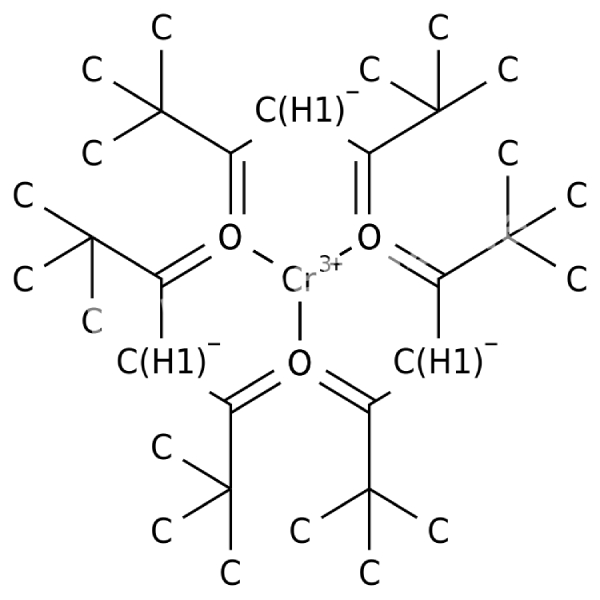
Chromium TMHD

Price range: $16.00 through $78.00
Select options This product has multiple variants. The options may be chosen on the product page
Product Chromium TMHD
CAS No. 14434-47-0
Appearance Purple crystalline solid
Purity ≥99%,  ≥99.9%,  ≥95%(Other purities are also available)
APS N/A
Ingredient C₃₃H₅₇CrO₆
Molecular Weight 601.8 g/mol
Melting Point 228–233 °C
Boiling Point 270 °C
Density N/A
Product Codes NCZ-340R

cis-Bis(2,2′-bipyridine)ruthenium (II) chloride

Price range: $32.00 through $186.00
Select options This product has multiple variants. The options may be chosen on the product page
Product cis-Bis(2,2'-bipyridine)ruthenium (II) chloride
CAS No. 98014-14-3
Appearance Dark green solid
Purity ≥99%,  ≥99.9%,  ≥95%(Other purities are also available)
APS N/A
Ingredient RuCl₂(bipy)₂ 
Molecular Weight 484.34 g/mol
Melting Point N/A
Boiling Point N/A
Density N/A
Product Codes NCZ-192R

cis-Bis(triphenylphosphine)platinum (II) chloride

Price range: $233.00 through $1,138.00
Select options This product has multiple variants. The options may be chosen on the product page
Product cis-Bis(triphenylphosphine)platinum (II) chloride
CAS No. 15628-11-2
Appearance Yellow to orange crystalline
Purity ≥99%,  ≥99.9%,  ≥95%(Other purities are also available)
APS N/A
Ingredient C₃₆H₃₀Cl₂PtP₂
Molecular Weight 744.0 g/mol
Melting Point N/A
Boiling Point N/A
Density 1.5–1.7 g/cm³
Product Codes NCZ-207R
 

cis-Dichlorobis(ethylenediamine)rhodium (III) chloride

Price range: $120.00 through $602.00
Select options This product has multiple variants. The options may be chosen on the product page
Product cis-Dichlorobis(ethylenediamine)rhodium (III) chloride
CAS No. 15444-62-9
Appearance Reddish-orange or yellow-orange crystalline
Purity ≥99%,  ≥99.9%,  ≥95%(Other purities are also available)
APS N/A
Ingredient Rh(C₂H₈N₂)₂Cl₂Cl
Molecular Weight 294.01 g/mol
Melting Point N/A
Boiling Point N/A
Density N/A
Product Codes NCZ-221R
 

cis-Dichlorodiammineplatinum (II)

Price range: $98.00 through $500.00
Select options This product has multiple variants. The options may be chosen on the product page
Product cis-Dichlorodiammineplatinum (II)
CAS No. 15663-27-1
Appearance Yellow-orange solid
Purity ≥99%,  ≥99.9%,  ≥95%(Other purities are also available)
APS N/A
Ingredient cis-Pt(NH3)2Cl2
Molecular Weight N/A
Melting Point N/A
Boiling Point N/A
Density 2.5 g/cm³
Product Codes NCZ-227R
 

Cobalt (Co) Micron Powder, Purity: 99.99%, Size: 1 µm

Price range: $32.00 through $608.00
Select options This product has multiple variants. The options may be chosen on the product page
5 grams/29 € 25 grams/55 € 100 grams/160 € 500 grams/360 € 1000 grams/540 €   
Please contact us for quotes on larger quantities !!!

Cobalt (Co) Micron Powder

Purity: 99.99%, Size: 1 µm

Cobalt (Co) Micron Powder, Purity: 99.99%, Size: 10 µm

Price range: $24.00 through $509.00
Select options This product has multiple variants. The options may be chosen on the product page
25 grams/22 €  100 grams/78 €  500 grams/244 €  1000 grams/450 €  Please contact us for quotes on larger quantities !!!

Cobalt (Co) Micron Powder

Purity: 99.99%, Size: 10 µm

Technical Properties:

PURITY

99.99 %

PARTICLE SIZE

10 µm

CAS

7440-48-4

DENSITY

8.92 g/cm³

BOILING POINT

2900 °C

MELTING POINT

1495 °C

COEFF. OF EXPANSION @ 20ºC

12.5 x 10 ⁻⁶

ELECTRIC RESISTIVITY

6.24 microhm-cm

CRYSTAL STRUCTURE

Hexagonal

FORM  

Powder

APPLICATIONS

Alloys, Customer Manufacturing, Industrial- general


Cobalt (Co) Micron Powder, Purity: 99.99%, Size: 100 mesh

Price range: $84.00 through $1,642.00
Select options This product has multiple variants. The options may be chosen on the product page
25 grams/75 €  100 grams/210 €  500 grams/785 €  1000 grams/1450 €  Please contact us for quotes on larger quantities !!!

Cobalt (Co) Micron Powder

Purity: 99.99%, Size: 100 mesh

Technical Properties:

PURITY

99.99 %

PARTICLE SIZE

100 Mesh

CAS

7440-48-4

DENSITY

8.92 g/cm³

BOILING POINT

2900 °C

MELTING POINT

1495 °C

COEFF. OF EXPANSION @ 20ºC

12.5 x 10 ⁻⁶

ELECTRIC RESISTIVITY

6.24 microhm-cm

CRYSTAL STRUCTURE

Hexagonal

FORM  

Powder

APPLICATIONS

Alloys, Customer Manufacturing, Industrial- general


Cobalt (Co) Micron Powder, Purity: 99.99%, Size: 325 mesh

Price range: $63.00 through $564.00
Select options This product has multiple variants. The options may be chosen on the product page
25 grams/56 € 100 grams/88 € 500 grams/270 € 1000 grams/498 € Please contact us for quotes on larger quantities !!!

Cobalt (Co) Micron Powder

Purity: 99.99%, Size: 325 mesh

Technical Properties:

PURITY

99.99 %

PARTICLE SIZE

325 Mesh

CAS

7440-48-4

DENSITY

8.92 g/cm³

BOILING POINT

2900 °C

MELTING POINT

1495 °C

COEFF. OF EXPANSION @ 20ºC

12.5 x 10 ⁻⁶

ELECTRIC RESISTIVITY

6.24 microhm-cm

CRYSTAL STRUCTURE

Hexagonal

FORM  

Powder

APPLICATIONS

Alloys, Customer Manufacturing, Industrial- general


            Please Click for MSDS

Cobalt (Co) Nanopowder/Nanoparticles, Purity: 99.5%, Size: 100 nm

Price range: $221.00 through $1,220.00
Select options This product has multiple variants. The options may be chosen on the product page
100 grams/195 €                     
500 grams/666 €                    
1000 grams/1074 € Please contact us for quotes on larger quantities !!!

Cobalt (Co) Nanopowder/Nanoparticles

Purity: 99.5%, Size: 100 nm

Cobalt is a chemical element with the atomic number 27. Cobalt is found in chemically combined form. The cobalt is hard and solid with grayish color. Cobalt has a high boiling and melting points. At room temperature and standard pressure cobalt can barely be oxidized. But if cobalt is heated, a cobalt oxide is formed. The oxide from cobalt can be used in many useful applications and the material acquires various colors depending on Cobalts oxidation state.

Cobalt (Co) Nanopowder/Nanoparticles, Purity: 99.5%, Size: 100 nm

Price range: $221.00 through $1,219.00
Select options This product has multiple variants. The options may be chosen on the product page

Cobalt (Co) Nanopowder/Nanoparticles

Purity: 99.5%, Size: 100 nm

Cobalt is a chemical element with the atomic number 27. Cobalt is found in chemically combined form. The cobalt is hard and solid with grayish color. Cobalt has a high boiling and melting points. At room temperature and standard pressure cobalt can barely be oxidized. But if cobalt is heated, a cobalt oxide is formed. The oxide from cobalt can be used in many useful applications and the material acquires various colors depending on Cobalts oxidation state.

Cobalt (Co) Nanopowder/Nanoparticles, Purity: 99.85%, Size: 28 nm, Partially Passivated

Price range: $11.00 through $269.00
Select options This product has multiple variants. The options may be chosen on the product page

Cobalt (Co) Nanopowder/Nanoparticles

Purity: 99.85%, Size: 28 nm, Partially Passivated

Technical Properties:

Bulk Density (g/cm3) 0,1-0,3
True Density (g/cm3) 8,9
Color black
Shape spherical
Tmelting (oC) 1495
Tboiling (oC) 2927
Average Particle Size (nm) 28
Specific Surface Area (m2/g) 35-55
Elemental Analysis Co O C Ni Fe Others
99.1 0,8 ≤0.03 ≤0.01 ≤0.01 ≤0.01

Properties, Storage and Cautions:

Cobalt nanopowder is highly reactive and flammable, therefore it should be handled with care and rapid moves, vibrations should be avoided. Powder should be kept away from sunlight, any kind of heating, moisture and impacts. Coagulation of the particles is a serious problem, so, Co powder should be sealed under vacuum and should be kept in cool and dry conditions. Air contact should be avoided. This product is PARTIALLY PASSIVATED for safe shipping purpose, gives no performance effect.

Applications:

Co powder has electromagnetic wave absorbtion ability and it is a magnetic material. Therefore, it can be applied to EMI shielding, magnetic inks and magnetic storage media. It can also be used in MRI chemical reagents.

Cobalt (Co) Sputtering Target

Price range: $187.00 through $555.00
Select options This product has multiple variants. The options may be chosen on the product page

Product 

Cobalt (Co) Sputtering Target

CAS No.

7440-48-4

Appearance

Powder

Purity

≥99%,  ≥99.9%,  ≥95%

(Other purities are also available)

APS

 NA (Size Can be customized), Ask for other available size ranges.

Ingredient

N/A

Molecular Weight

58.93 g/mol

Melting Point

 1,495 °C

Boiling Point

2,927 °C

Density

8.90 g/cm³

Product Codes

NCZ-1351K

Cobalt (Co) Sputtering Targets, indium, Purity: 99.5%, Size: 2”, Thickness: 0.125”

$580.00

Applications of Sputtering Targets;

Film deposition is accomplished using sputtering targets. A technique for sputtering thin films is called "deposition made by sputter targets," which entails eroding material from a "target" source onto a "substrate" like a silicon wafer. Etching of the target is done using semiconductor sputtering targets. When selectivity is not an issue and a high degree of etching anisotropy is required, sputter etching is the method of choice. By removing the target material through etching, sputter targets are also utilized for investigation. In secondary ion spectroscopy (SIMS), one example is when the target material is sputtered at a steady pace. Mass spectrometry is used to quantify the concentration and identity of spewed atoms as the target is sputtered.

The target material's composition may be ascertained and even very low concentrations of contaminants can be found with the aid of the sputtering target.

There is also an application area for sputtering targets in space. One type of space weathering that alters the chemical and physical characteristics of airless worlds like the Moon and asteroids is sputtering.

The chemical element cobalt has the atomic number 27 and the symbol Co. Cobalt is a silver-gray, hard, and shiny metal. Because it is one of only three room temperature ferromagnets with unaxial symmetry and hence suitability for digital recording, cobalt is employed in the production of high-strength, wear-resistant alloys as well as magnetic recording.

Cobalt (Co) Sputtering Targets, indium, Purity: 99.5%, Size: 2”, Thickness: 0.125”

$670.00

Product 

Cobalt (Co) Sputtering Targets, indium, Purity: 99.5%, Size: 2'', Thickness: 0.125''

CAS No.

7440‑48‑4

Appearance

Powder

Purity

≥99%,  ≥99.9%,  ≥95%

(Other purities are also available)

APS

 N/A (Size Can be customized), Ask for other available size ranges.

Ingredient

N/A

Molecular Weight

58.93 g/mol (cobalt atomic weight)

Melting Point

~1,495 °C

Boiling Point

~2,870–2,927 °C

Density

~8.9 g/cm³

Product Codes

NCZ-2284K

Cobalt (Co) Sputtering Targets, indium, Purity: 99.95%, Size: 2”, Thickness: 0.250”

$600.00

Applications of Sputtering Targets;

Film deposition is accomplished using sputtering targets. A technique for sputtering thin films is called "deposition made by sputter targets," which entails eroding material from a "target" source onto a "substrate" like a silicon wafer. Etching of the target is done using semiconductor sputtering targets. When selectivity is not an issue and a high degree of etching anisotropy is required, sputter etching is the method of choice. By removing the target material through etching, sputter targets are also utilized for investigation. In secondary ion spectroscopy (SIMS), one example is when the target material is sputtered at a steady pace. Mass spectrometry is used to quantify the concentration and identity of spewed atoms as the target is sputtered.

The target material's composition may be ascertained and even very low concentrations of contaminants can be found with the aid of the sputtering target.

There is also an application area for sputtering targets in space. One type of space weathering that alters the chemical and physical characteristics of airless worlds like the Moon and asteroids is sputtering.

The chemical element cobalt has the atomic number 27 and the symbol Co. Cobalt is a silver-gray, hard, and shiny metal. Because it is one of only three room temperature ferromagnets with unaxial symmetry and hence suitability for digital recording, cobalt is employed in the production of high-strength, wear-resistant alloys as well as magnetic recording.

Cobalt (Co) Sputtering Targets, indium, Purity: 99.95%, Size: 2”, Thickness: 0.250”

$693.00

Product 

Cobalt (Co) Sputtering Targets, indium, Purity: 99.95%, Size: 2'', Thickness: 0.250''

CAS No.

7440‑48‑4

Appearance

Powder

Purity

≥99%,  ≥99.9%,  ≥95%

(Other purities are also available)

APS

 N/A (Size Can be customized), Ask for other available size ranges.

Ingredient

N/A

Molecular Weight

58.93 g/mol (cobalt atomic weight)

Melting Point

~1,495 °C

Boiling Point

~2,870 °C

Density

~8.9 g/cm³

Product Codes

NCZ-2283K

Cobalt (Co) Sputtering Targets, indium, Purity: 99.95%, Size: 3”, Thickness: 0.125”

$650.00

Applications of Sputtering Targets;

Film deposition is accomplished using sputtering targets. A technique for sputtering thin films is called "deposition made by sputter targets," which entails eroding material from a "target" source onto a "substrate" like a silicon wafer. Etching of the target is done using semiconductor sputtering targets. When selectivity is not an issue and a high degree of etching anisotropy is required, sputter etching is the method of choice. By removing the target material through etching, sputter targets are also utilized for investigation. In secondary ion spectroscopy (SIMS), one example is when the target material is sputtered at a steady pace. Mass spectrometry is used to quantify the concentration and identity of spewed atoms as the target is sputtered.

The target material's composition may be ascertained and even very low concentrations of contaminants can be found with the aid of the sputtering target.

There is also an application area for sputtering targets in space. One type of space weathering that alters the chemical and physical characteristics of airless worlds like the Moon and asteroids is sputtering.

The chemical element cobalt has the atomic number 27 and the symbol Co. Cobalt is a silver-gray, hard, and shiny metal. Because it is one of only three room temperature ferromagnets with unaxial symmetry and hence suitability for digital recording, cobalt is employed in the production of high-strength, wear-resistant alloys as well as magnetic recording.
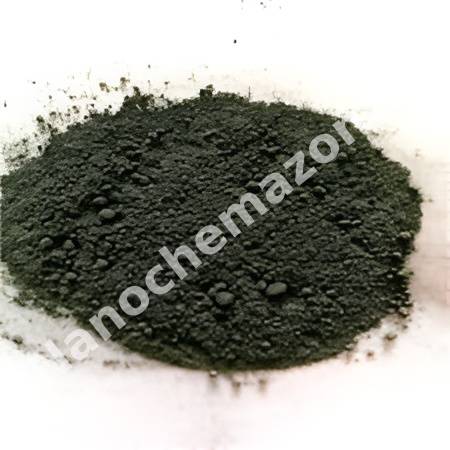
Cobalt (Co) Sputtering Targets, indium, Purity: 99.95%, Size: 3”, Thickness: 0.125”

$752.00

Product 

Cobalt (Co) Sputtering Targets, indium, Purity: 99.95%, Size: 3'', Thickness: 0.125''

CAS No.

7440‑48‑4

Appearance

Powder

Purity

≥99%,  ≥99.9%,  ≥95%

(Other purities are also available)

APS

 N/A (Size Can be customized), Ask for other available size ranges.

Ingredient

N/A

Molecular Weight

58.93 g/mol (cobalt atomic weight)

Melting Point

~1,495 °C

Boiling Point

~2,870–2,927 °C

Density

~8.9 g/cm³

Product Codes

NCZ-2282K

Cobalt (Co) Sputtering Targets, Purity: 99.95%, Size: 1”, Thickness: 0.125”

$105.00

Product 

Cobalt (Co) Sputtering Targets, Purity: 99.95%, Size: 1'', Thickness: 0.125''

CAS No.

7440‑48‑4

Appearance

Powder

Purity

≥99%,  ≥99.9%,  ≥95%

(Other purities are also available)

APS

 N/A (Size Can be customized), Ask for other available size ranges.

Ingredient

N/A

Molecular Weight

58.93 g/mol (cobalt atomic weight)

Melting Point

~1,495 °C

Boiling Point

~2,870–2,927 °C

Density

~8.9 g/cm³

Product Codes

NCZ-2295K

Cobalt (Co) Sputtering Targets, Purity: 99.95%, Size: 1”, Thickness: 0.125”

$91.00

Applications of Sputtering Targets;

Film deposition is accomplished using sputtering targets. A technique for sputtering thin films is called "deposition made by sputter targets," which entails eroding material from a "target" source onto a "substrate" like a silicon wafer. Etching of the target is done using semiconductor sputtering targets. When selectivity is not an issue and a high degree of etching anisotropy is required, sputter etching is the method of choice. By removing the target material through etching, sputter targets are also utilized for investigation. In secondary ion spectroscopy (SIMS), one example is when the target material is sputtered at a steady pace. Mass spectrometry is used to quantify the concentration and identity of spewed atoms as the target is sputtered.

The target material's composition may be ascertained and even very low concentrations of contaminants can be found with the aid of the sputtering target.

There is also an application area for sputtering targets in space. One type of space weathering that alters the chemical and physical characteristics of airless worlds like the Moon and asteroids is sputtering.

The chemical element cobalt has the atomic number 27 and the symbol Co. Cobalt is a silver-gray, hard, and shiny metal. Because it is one of only three room temperature ferromagnets with unaxial symmetry and hence suitability for digital recording, cobalt is employed in the production of high-strength, wear-resistant alloys as well as magnetic recording.
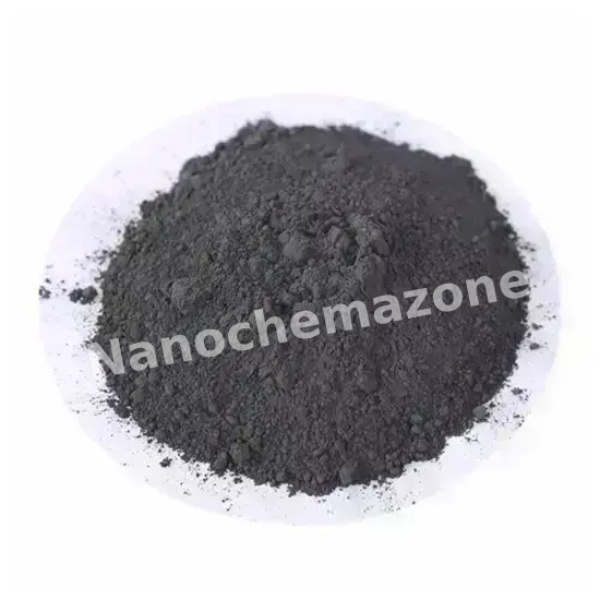
Cobalt (Co) Sputtering Targets, Purity: 99.95%, Size: 1”, Thickness: 0.250”

$113.00

Product 

Cobalt (Co) Sputtering Targets, Purity: 99.95%, Size: 1'', Thickness: 0.250''

CAS No.

7440‑48‑4

Appearance

Powder

Purity

≥99%,  ≥99.9%,  ≥95%

(Other purities are also available)

APS

 N/A (Size Can be customized), Ask for other available size ranges.

Ingredient

N/A

Molecular Weight

58.93 g/mol (cobalt atomic weight)

Melting Point

~1,495 °C

Boiling Point

~2,870–2,927 °C

Density

~8.9 g/cm³

Product Codes

NCZ-2294K

Cobalt (Co) Sputtering Targets, Purity: 99.95%, Size: 1”, Thickness: 0.250”

$102.00

Applications of Sputtering Targets;

Film deposition is accomplished using sputtering targets. A technique for sputtering thin films is called "deposition made by sputter targets," which entails eroding material from a "target" source onto a "substrate" like a silicon wafer. Etching of the target is done using semiconductor sputtering targets. When etching anisotropy is high, sputter etching is the preferred method.

is required, and selectivity is unimportant. By removing the target material through etching, sputter targets are also utilized for investigation. In secondary ion spectroscopy (SIMS), one example is when the target material is sputtered at a steady pace. Mass spectrometry is used to quantify the concentration and identity of spewed atoms as the target is sputtered.

The target material's composition may be ascertained and even very low concentrations of contaminants can be found with the aid of the sputtering target.

There is also an application area for sputtering targets in space. One type of space weathering that alters the chemical and physical characteristics of airless worlds like the Moon and asteroids is sputtering.

The chemical element cobalt has the atomic number 27 and the symbol Co. Cobalt is a silver-gray, hard, and shiny metal. Because it is one of only three room temperature ferromagnets with unaxial symmetry and hence suitability for digital recording, cobalt is employed in the production of high-strength, wear-resistant alloys as well as magnetic recording.
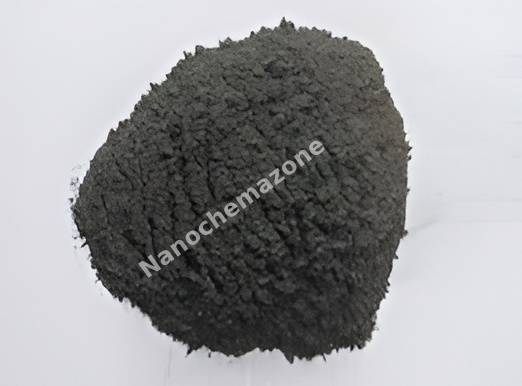
Cobalt (Co) Sputtering Targets, Purity: 99.95%, Size: 2”, Thickness: 0.125”

$138.00

Product 

Cobalt (Co) Sputtering Targets, Purity: 99.95%, Size: 2'', Thickness: 0.125''

CAS No.

7440‑48‑4

Appearance

Powder

Purity

≥99%,  ≥99.9%,  ≥95%

(Other purities are also available)

APS

 N/A (Size Can be customized), Ask for other available size ranges.

Ingredient

N/A

Molecular Weight

58.93 g/mol (cobalt atomic weight)

Melting Point

~1,495 °C

Boiling Point

~2,870–2,927 °C

Density

~8.9 g/cm³

Product Codes

NCZ-2293K

Cobalt (Co) Sputtering Targets, Purity: 99.95%, Size: 2”, Thickness: 0.125”

$123.00

Applications of Sputtering Targets;

Film deposition is accomplished using sputtering targets. A technique for sputtering thin films is called "deposition made by sputter targets," which entails eroding material from a "target" source onto a "substrate" like a silicon wafer. Etching of the target is done using semiconductor sputtering targets. When selectivity is not an issue and a high degree of etching anisotropy is required, sputter etching is the method of choice. By removing the target material through etching, sputter targets are also utilized for investigation. In secondary ion spectroscopy (SIMS), one example is when the target material is sputtered at a steady pace. Mass spectrometry is used to quantify the concentration and identity of spewed atoms as the target is sputtered.

The target material's composition may be ascertained and even very low concentrations of contaminants can be found with the aid of the sputtering target.

There is also an application area for sputtering targets in space. One type of space weathering that alters the chemical and physical characteristics of airless worlds like the Moon and asteroids is sputtering.

The chemical element cobalt has the atomic number 27 and the symbol Co. Cobalt is a silver-gray, hard, and shiny metal. Because it is one of only three room temperature ferromagnets with unaxial symmetry and hence suitability for digital recording, cobalt is employed in the production of high-strength, wear-resistant alloys as well as magnetic recording.
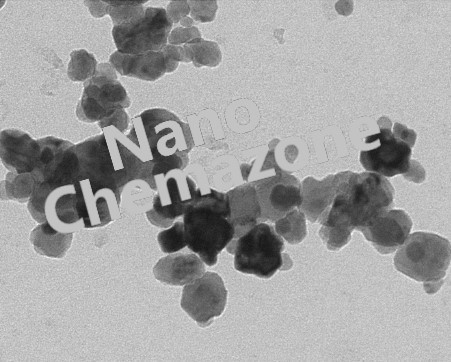
Cobalt (Co) Sputtering Targets, Purity: 99.95%, Size: 2”, Thickness: 0.250”

$131.00

Product 

Cobalt (Co) Sputtering Targets, Purity: 99.95%, Size: 2'', Thickness: 0.250''

CAS No.

7440‑48‑4

Appearance

Powder

Purity

≥99%,  ≥99.9%,  ≥95%

(Other purities are also available)

APS

 N/A (Size Can be customized), Ask for other available size ranges.

Ingredient

N/A

Molecular Weight

58.93 g/mol (cobalt atomic weight)

Melting Point

~1,495 °C

Boiling Point

~2,870–2,927 °C

Density

~8.9 g/cm³

Product Codes

NCZ-2292K

Cobalt (Co) Sputtering Targets, Purity: 99.95%, Size: 2”, Thickness: 0.250”

$117.00

Applications of Sputtering Targets;

Film deposition is accomplished using sputtering targets. A technique for sputtering thin films is called "deposition made by sputter targets," which entails eroding material from a "target" source onto a "substrate" like a silicon wafer. Etching of the target is done using semiconductor sputtering targets. When selectivity is not an issue and a high degree of etching anisotropy is required, sputter etching is the method of choice. By removing the target material through etching, sputter targets are also utilized for investigation. In secondary ion spectroscopy (SIMS), one example is when the target material is sputtered at a steady pace. Mass spectrometry is used to quantify the concentration and identity of spewed atoms as the target is sputtered.

The target material's composition may be ascertained and even very low concentrations of contaminants can be found with the aid of the sputtering target.

There is also an application area for sputtering targets in space. One type of space weathering that alters the chemical and physical characteristics of airless worlds like the Moon and asteroids is sputtering.

The chemical element cobalt has the atomic number 27 and the symbol Co. Cobalt is a silver-gray, hard, and shiny metal. Because it is one of only three room temperature ferromagnets with unaxial symmetry and hence suitability for digital recording, cobalt is employed in the production of high-strength, wear-resistant alloys as well as magnetic recording.
Cobalt (Co) Sputtering Targets, Purity: 99.95%, Size: 3”, Thickness: 0.125”

$145.00

Applications of Sputtering Targets;

Film deposition is accomplished using sputtering targets. A technique for sputtering thin films is called "deposition made by sputter targets," which entails eroding material from a "target" source onto a "substrate" like a silicon wafer. Etching of the target is done using semiconductor sputtering targets. When selectivity is not an issue and a high degree of etching anisotropy is required, sputter etching is the method of choice. By removing the target material through etching, sputter targets are also utilized for investigation. In secondary ion spectroscopy (SIMS), one example is when the target material is sputtered at a steady pace. Mass spectrometry is used to quantify the concentration and identity of spewed atoms as the target is sputtered.

The target material's composition may be ascertained and even very low concentrations of contaminants can be found with the aid of the sputtering target.

There is also an application area for sputtering targets in space. One type of space weathering that alters the chemical and physical characteristics of airless worlds like the Moon and asteroids is sputtering.

The chemical element cobalt has the atomic number 27 and the symbol Co. Cobalt is a silver-gray, hard, and shiny metal. Because it is one of only three room temperature ferromagnets with unaxial symmetry and hence suitability for digital recording, cobalt is employed in the production of high-strength, wear-resistant alloys as well as magnetic recording.

Cobalt (Co) Sputtering Targets, Purity: 99.95%, Size: 3”, Thickness: 0.125”

$163.00

Product 

Cobalt (Co) Sputtering Targets, Purity: 99.95%, Size: 3'', Thickness: 0.125''

CAS No.

7440‑48‑4

Appearance

Powder

Purity

≥99%,  ≥99.9%,  ≥95%

(Other purities are also available)

APS

 N/A (Size Can be customized), Ask for other available size ranges.

Ingredient

N/A

Molecular Weight

58.93 g/mol (cobalt atomic weight)

Melting Point

~1,495 °C

Boiling Point

~2,870–2,927 °C

Density

~8.9 g/cm³

Product Codes

NCZ-2291K