Zinc (Zn) Sputtering Targets, indium, Purity: 99.95%, Size: 4”, Thickness: 0.125”

$655.00

Applications of Sputtering Targets;

Film deposition is accomplished using sputtering targets. A technique for sputtering thin films is called "deposition made by sputter targets," which entails eroding material from a "target" source onto a "substrate" like a silicon wafer. Etching of the target is done using semiconductor sputtering targets. When selectivity is not an issue and a high degree of etching anisotropy is required, sputter etching is the method of choice. By removing the target material through etching, sputter targets are also utilized for investigation. In secondary ion spectroscopy (SIMS), one example is when the target material is sputtered at a steady pace. Mass spectrometry is used to quantify the concentration and identity of spewed atoms as the target is sputtered.

The target material's composition may be ascertained and even very low concentrations of contaminants can be found with the aid of the sputtering target.

There is also an application area for sputtering targets in space. One type of space weathering that alters the chemical and physical characteristics of airless worlds like the Moon and asteroids is sputtering.

Zinc (Zn) Sputtering Targets, indium, Purity: 99.99%, Size: 1”, Thickness: 0.125”

$348.00

Applications of Sputtering Targets;

Film deposition is accomplished using sputtering targets. A technique for sputtering thin films is called "deposition made by sputter targets," which entails eroding material from a "target" source onto a "substrate" like a silicon wafer. Etching of the target is done using semiconductor sputtering targets. When selectivity is not an issue and a high degree of etching anisotropy is required, sputter etching is the method of choice. By removing the target material through etching, sputter targets are also utilized for investigation. In secondary ion spectroscopy (SIMS), one example is when the target material is sputtered at a steady pace. Mass spectrometry is used to quantify the concentration and identity of spewed atoms as the target is sputtered.

The target material's composition may be ascertained and even very low concentrations of contaminants can be found with the aid of the sputtering target.

There is also an application area for sputtering targets in space. One type of space weathering that alters the chemical and physical characteristics of airless worlds like the Moon and asteroids is sputtering.

Zinc (Zn) Sputtering Targets, indium, Purity: 99.99%, Size: 1”, Thickness: 0.125”

$401.00

Product 

Zinc (Zn) Sputtering Targets, indium, Purity: 99.99%, Size: 1'', Thickness: 0.125''

CAS No.

7440‑66‑6

Appearance

Powder

Purity

≥99%,  ≥99.9%,  ≥95%

(Other purities are also available)

APS

Zn (black granules) (Size Can be customized), Ask for other available size ranges.

Ingredient

N/A

Molecular Weight

65.38 g/mol

Melting Point

419.5 °C

Boiling Point

 907 °C

Density

7.14 g/cm³

Product Codes

NCZ-1462K

Zinc (Zn) Sputtering Targets, indium, Purity: 99.99%, Size: 2”, Thickness: 0.125”

$425.00

Product 

Zinc (Zn) Sputtering Targets, indium, Purity: 99.99%, Size: 2'', Thickness: 0.125''

CAS No.

7440‑66‑6

Appearance

Powder

Purity

≥99%,  ≥99.9%,  ≥95%

(Other purities are also available)

APS

Zn (black granules) (Size Can be customized), Ask for other available size ranges.

Ingredient

N/A

Molecular Weight

65.38 g/mol

Melting Point

419.5 °C

Boiling Point

 907 °C

Density

7.14 g/cm³

Product Codes

NCZ-1460K

Zinc (Zn) Sputtering Targets, indium, Purity: 99.99%, Size: 2”, Thickness: 0.125”

$369.00

Applications of Sputtering Targets;

Film deposition is accomplished using sputtering targets. A technique for sputtering thin films is called "deposition made by sputter targets," which entails eroding material from a "target" source onto a "substrate" like a silicon wafer. Etching of the target is done using semiconductor sputtering targets. When selectivity is not an issue and a high degree of etching anisotropy is required, sputter etching is the method of choice. By removing the target material through etching, sputter targets are also utilized for investigation. In secondary ion spectroscopy (SIMS), one example is when the target material is sputtered at a steady pace. Mass spectrometry is used to quantify the concentration and identity of spewed atoms as the target is sputtered. The target material's composition may be ascertained and even very low concentrations of contaminants can be found with the aid of the sputtering target. There is also an application area for sputtering targets in space. One type of space weathering that alters the chemical and physical characteristics of airless worlds like the Moon and asteroids is sputtering.

Zinc (Zn) Sputtering Targets, Purity: 99.95%, Size: 1”, Thickness: 0.125”

$116.00

Product 

Zinc (Zn) Sputtering Targets, Purity: 99.95%, Size: 1'', Thickness: 0.125''

CAS No.

7440‑66‑6

Appearance

Powder

Purity

≥99%,  ≥99.9%,  ≥95%

(Other purities are also available)

APS

Zn (black granules) (Size Can be customized), Ask for other available size ranges.

Ingredient

N/A

Molecular Weight

65.38 g/mol

Melting Point

419.5 °C

Boiling Point

 907 °C

Density

7.14 g/cm³

Product Codes

NCZ-1478K

Zinc (Zn) Sputtering Targets, Purity: 99.95%, Size: 1”, Thickness: 0.250”

$118.00

Applications of Sputtering Targets;

Film deposition is accomplished using sputtering targets. A technique for sputtering thin films is called "deposition made by sputter targets," which entails eroding material from a "target" source onto a "substrate" like a silicon wafer. Etching of the target is done using semiconductor sputtering targets. When selectivity is not an issue and a high degree of etching anisotropy is required, sputter etching is the method of choice. By removing the target material through etching, sputter targets are also utilized for investigation. In secondary ion spectroscopy (SIMS), one example is when the target material is sputtered at a steady pace. Mass spectrometry is used to quantify the concentration and identity of spewed atoms as the target is sputtered.

The target material's composition may be ascertained and even very low concentrations of contaminants can be found with the aid of the sputtering target.

There is also an application area for sputtering targets in space. One type of space weathering that alters the chemical and physical characteristics of airless worlds like the Moon and asteroids is sputtering.

Zinc (Zn) Sputtering Targets, Purity: 99.95%, Size: 1”, Thickness: 0.250”

$132.00

Product 

Zinc (Zn) Sputtering Targets, Purity: 99.95%, Size: 1'', Thickness: 0.250''

CAS No.

7440‑66‑6

Appearance

Powder

Purity

≥99%,  ≥99.9%,  ≥95%

(Other purities are also available)

APS

Zn (black granules) (Size Can be customized), Ask for other available size ranges.

Ingredient

N/A

Molecular Weight

65.38 g/mol

Melting Point

419.5 °C

Boiling Point

 907 °C

Density

7.14 g/cm³

Product Codes

NCZ-1476K

Zinc (Zn) Sputtering Targets, Purity: 99.95%, Size: 2”, Thickness: 0.125”

$129.00

Applications of Sputtering Targets;

Film deposition is accomplished using sputtering targets. A technique for sputtering thin films is called "deposition made by sputter targets," which entails eroding material from a "target" source onto a "substrate" like a silicon wafer. Etching of the target is done using semiconductor sputtering targets. When selectivity is not an issue and a high degree of etching anisotropy is required, sputter etching is the method of choice. By removing the target material through etching, sputter targets are also utilized for investigation. In secondary ion spectroscopy (SIMS), one example is when the target material is sputtered at a steady pace. Mass spectrometry is used to quantify the concentration and identity of spewed atoms as the target is sputtered.

The target material's composition may be ascertained and even very low concentrations of contaminants can be found with the aid of the sputtering target.

There is also an application area for sputtering targets in space. One type of space weathering that alters the chemical and physical characteristics of airless worlds like the Moon and asteroids is sputtering.

Zinc (Zn) Sputtering Targets, Purity: 99.95%, Size: 2”, Thickness: 0.125”

$145.00

Product 

Zinc (Zn) Sputtering Targets, Purity: 99.95%, Size: 2'', Thickness: 0.125''

CAS No.

7440‑66‑6

Appearance

Powder

Purity

≥99%,  ≥99.9%,  ≥95%

(Other purities are also available)

APS

Zn (black granules) (Size Can be customized), Ask for other available size ranges.

Ingredient

N/A

Molecular Weight

65.38 g/mol

Melting Point

419.5 °C

Boiling Point

 907 °C

Density

7.14 g/cm³

Product Codes

NCZ-1474K

Zinc (Zn) Sputtering Targets, Purity: 99.95%, Size: 2”, Thickness: 0.250”

$162.00

Applications of Sputtering Targets;

Film deposition is accomplished using sputtering targets. A technique for sputtering thin films is called "deposition made by sputter targets," which entails eroding material from a "target" source onto a "substrate" like a silicon wafer. Etching of the target is done using semiconductor sputtering targets. When selectivity is not an issue and a high degree of etching anisotropy is required, sputter etching is the method of choice. By removing the target material through etching, sputter targets are also utilized for investigation. In secondary ion spectroscopy (SIMS), one example is when the target material is sputtered at a steady pace. Mass spectrometry is used to quantify the concentration and identity of spewed atoms as the target is sputtered.

The target material's composition may be ascertained and even very low concentrations of contaminants can be found with the aid of the sputtering target.

There is also an application area for sputtering targets in space. One type of space weathering that alters the chemical and physical characteristics of airless worlds like the Moon and asteroids is sputtering.

Zinc (Zn) Sputtering Targets, Purity: 99.95%, Size: 2”, Thickness: 0.250”

$183.00

Product 

Zinc (Zn) Sputtering Targets, Purity: 99.95%, Size: 2'', Thickness: 0.250''

CAS No.

7440‑66‑6

Appearance

Powder

Purity

≥99%,  ≥99.9%,  ≥95%

(Other purities are also available)

APS

Zn (black granules) (Size Can be customized), Ask for other available size ranges.

Ingredient

N/A

Molecular Weight

65.38 g/mol

Melting Point

419.5 °C

Boiling Point

 907 °C

Density

7.14 g/cm³

Product Codes

NCZ-1472K

Zinc (Zn) Sputtering Targets, Purity: 99.95%, Size: 3”, Thickness: 0.125”

$184.00

Applications of Sputtering Targets;

Film deposition is accomplished using sputtering targets. A technique for sputtering thin films is called "deposition made by sputter targets," which entails eroding material from a "target" source onto a "substrate" like a silicon wafer. Etching of the target is done using semiconductor sputtering targets. When selectivity is not an issue and a high degree of etching anisotropy is required, sputter etching is the method of choice. By removing the target material through etching, sputter targets are also utilized for investigation. In secondary ion spectroscopy (SIMS), one example is when the target material is sputtered at a steady pace. Mass spectrometry is used to quantify the concentration and identity of spewed atoms as the target is sputtered.

The target material's composition may be ascertained and even very low concentrations of contaminants can be found with the aid of the sputtering target.

There is also an application area for sputtering targets in space. One type of space weathering that alters the chemical and physical characteristics of airless worlds like the Moon and asteroids is sputtering.

Zinc (Zn) Sputtering Targets, Purity: 99.95%, Size: 3”, Thickness: 0.125”

$209.00

Product 

Zinc (Zn) Sputtering Targets, Purity: 99.95%, Size: 3'', Thickness: 0.125''

CAS No.

7440‑66‑6

Appearance

Powder

Purity

≥99%,  ≥99.9%,  ≥95%

(Other purities are also available)

APS

Zn (black granules) (Size Can be customized), Ask for other available size ranges.

Ingredient

N/A

Molecular Weight

65.38 g/mol

Melting Point

419.5 °C

Boiling Point

 907 °C

Density

7.14 g/cm³

Product Codes

NCZ-1470K

Zinc (Zn) Sputtering Targets, Purity: 99.95%, Size: 3”, Thickness: 0.125”

$184.00

Applications of Sputtering Targets;

Film deposition is accomplished using sputtering targets. A technique for sputtering thin films is called "deposition made by sputter targets," which entails eroding material from a "target" source onto a "substrate" like a silicon wafer. Etching of the target is done using semiconductor sputtering targets. When selectivity is not an issue and a high degree of etching anisotropy is required, sputter etching is the method of choice. By removing the target material through etching, sputter targets are also utilized for investigation. In secondary ion spectroscopy (SIMS), one example is when the target material is sputtered at a steady pace. Mass spectrometry is used to quantify the concentration and identity of spewed atoms as the target is sputtered.

The target material's composition may be ascertained and even very low concentrations of contaminants can be found with the aid of the sputtering target.

There is also an application area for sputtering targets in space. One type of space weathering that alters the chemical and physical characteristics of airless worlds like the Moon and asteroids is sputtering.
Zinc (Zn) Sputtering Targets, Purity: 99.95%, Size: 3”, Thickness: 0.250”

$189.00

Applications of Sputtering Targets;

Film deposition is accomplished using sputtering targets. A technique for sputtering thin films is called "deposition made by sputter targets," which entails eroding material from a "target" source onto a "substrate" like a silicon wafer. Etching of the target is done using semiconductor sputtering targets. When selectivity is not an issue and a high degree of etching anisotropy is required, sputter etching is the method of choice. By removing the target material through etching, sputter targets are also utilized for investigation. In secondary ion spectroscopy (SIMS), one example is when the target material is sputtered at a steady pace. Mass spectrometry is used to quantify the concentration and identity of spewed atoms as the target is sputtered.

The target material's composition may be ascertained and even very low concentrations of contaminants can be found with the aid of the sputtering target.

There is also an application area for sputtering targets in space. One type of space weathering that alters the chemical and physical characteristics of airless worlds like the Moon and asteroids is sputtering.

Zinc (Zn) Sputtering Targets, Purity: 99.95%, Size: 3”, Thickness: 0.250”

$215.00

Product 

Zinc (Zn) Sputtering Targets, Purity: 99.95%, Size: 3'', Thickness: 0.250''

CAS No.

7440‑66‑6

Appearance

Powder

Purity

≥99%,  ≥99.9%,  ≥95%

(Other purities are also available)

APS

Zn (black granules) (Size Can be customized), Ask for other available size ranges.

Ingredient

N/A

Molecular Weight

65.38 g/mol

Melting Point

419.5 °C

Boiling Point

 907 °C

Density

7.14 g/cm³

Product Codes

NCZ-1468K

Zinc (Zn) Sputtering Targets, Purity: 99.95%, Size: 4”, Thickness: 0.125”

$221.00

Product 

Zinc (Zn) Sputtering Targets, Purity: 99.95%, Size: 4'', Thickness: 0.125''

CAS No.

7440‑66‑6

Appearance

Powder

Purity

≥99%,  ≥99.9%,  ≥95%

(Other purities are also available)

APS

Zn (black granules) (Size Can be customized), Ask for other available size ranges.

Ingredient

N/A

Molecular Weight

65.38 g/mol

Melting Point

419.5 °C

Boiling Point

 907 °C

Density

7.14 g/cm³

Product Codes

NCZ-1466K

Zinc (Zn) Sputtering Targets, Purity: 99.95%, Size: 4”, Thickness: 0.125”

$194.00

Applications of Sputtering Targets;

Film deposition is accomplished using sputtering targets. A technique for sputtering thin films is called "deposition made by sputter targets," which entails eroding material from a "target" source onto a "substrate" like a silicon wafer. Etching of the target is done using semiconductor sputtering targets. When selectivity is not an issue and a high degree of etching anisotropy is required, sputter etching is the method of choice. By removing the target material through etching, sputter targets are also utilized for investigation. In secondary ion spectroscopy (SIMS), one example is when the target material is sputtered at a steady pace. Mass spectrometry is used to quantify the concentration and identity of spewed atoms as the target is sputtered.

The target material's composition may be ascertained and even very low concentrations of contaminants can be found with the aid of the sputtering target.

There is also an application area for sputtering targets in space. One type of space weathering that alters the chemical and physical characteristics of airless worlds like the Moon and asteroids is sputtering.

Zinc (Zn) Sputtering Targets, Purity: 99.95%, Size: 4”, Thickness: 0.250”

$240.00

Product 

Zinc (Zn) Sputtering Targets, Purity: 99.95%, Size: 4'', Thickness: 0.250''

CAS No.

7440‑66‑6

Appearance

Powder

Purity

≥99%,  ≥99.9%,  ≥95%

(Other purities are also available)

APS

Zn (black granules) (Size Can be customized), Ask for other available size ranges.

Ingredient

N/A

Molecular Weight

65.38 g/mol

Melting Point

419.5 °C

Boiling Point

 907 °C

Density

7.14 g/cm³

Product Codes

NCZ-1465K

Zinc (Zn) Sputtering Targets, Purity: 99.95%, Size: 4”, Thickness: 0.250”

$210.00

Applications of Sputtering Targets;

Film deposition is accomplished using sputtering targets. A technique for sputtering thin films is called "deposition made by sputter targets," which entails eroding material from a "target" source onto a "substrate" like a silicon wafer. Etching of the target is done using semiconductor sputtering targets. When selectivity is not an issue and a high degree of etching anisotropy is required, sputter etching is the method of choice. By removing the target material through etching, sputter targets are also utilized for investigation. In secondary ion spectroscopy (SIMS), one example is when the target material is sputtered at a steady pace. Mass spectrometry is used to quantify the concentration and identity of spewed atoms as the target is sputtered.

The target material's composition may be ascertained and even very low concentrations of contaminants can be found with the aid of the sputtering target.

There is also an application area for sputtering targets in space. One type of space weathering that alters the chemical and physical characteristics of airless worlds like the Moon and asteroids is sputtering.

Zinc (Zn) Sputtering Targets, Purity: 99.95%, Size: 6”, Thickness: 0.250”

$247.00

Product 

Zinc (Zn) Sputtering Targets, Purity: 99.95%, Size: 6'', Thickness: 0.250''

CAS No.

7440‑66‑6

Appearance

Powder

Purity

≥99%,  ≥99.9%,  ≥95%

(Other purities are also available)

APS

Zn (black granules) (Size Can be customized), Ask for other available size ranges.

Ingredient

N/A

Molecular Weight

65.38 g/mol

Melting Point

419.5 °C

Boiling Point

 907 °C

Density

7.14 g/cm³

Product Codes

NCZ-1464K

Zinc (Zn) Sputtering Targets, Purity: 99.95%, Size: 6”, Thickness: 0.250”

$216.00

Applications of Sputtering Targets;

Film deposition is accomplished using sputtering targets. A technique for sputtering thin films is called "deposition made by sputter targets," which entails eroding material from a "target" source onto a "substrate" like a silicon wafer. Etching of the target is done using semiconductor sputtering targets. When selectivity is not an issue and a high degree of etching anisotropy is required, sputter etching is the method of choice. By removing the target material through etching, sputter targets are also utilized for investigation. In secondary ion spectroscopy (SIMS), one example is when the target material is sputtered at a steady pace. Mass spectrometry is used to quantify the concentration and identity of spewed atoms as the target is sputtered.

The target material's composition may be ascertained and even very low concentrations of contaminants can be found with the aid of the sputtering target.

There is also an application area for sputtering targets in space. One type of space weathering that alters the chemical and physical characteristics of airless worlds like the Moon and asteroids is sputtering.
Zinc (Zn) Sputtering Targets, Purity: 99.95%, Size: 8”, Thickness: 0.250”

$317.00

Product 

Zinc (Zn) Sputtering Targets, Purity: 99.95%, Size: 8'', Thickness: 0.250''

CAS No.

7440‑66‑6

Appearance

Powder

Purity

≥99%,  ≥99.9%,  ≥95%

(Other purities are also available)

APS

Zn (black granules) (Size Can be customized), Ask for other available size ranges.

Ingredient

N/A

Molecular Weight

65.38 g/mol

Melting Point

419.5 °C

Boiling Point

 907 °C

Density

7.14 g/cm³

Product Codes

NCZ-1463K

Zinc (Zn) Sputtering Targets, Purity: 99.95%, Size: 8”, Thickness: 0.250”

$276.00

Applications of Sputtering Targets;

Film deposition is accomplished using sputtering targets. A technique for sputtering thin films is called "deposition made by sputter targets," which entails eroding material from a "target" source onto a "substrate" like a silicon wafer. Etching of the target is done using semiconductor sputtering targets. When selectivity is not an issue and a high degree of etching anisotropy is required, sputter etching is the method of choice. By removing the target material through etching, sputter targets are also utilized for investigation. In secondary ion spectroscopy (SIMS), one example is when the target material is sputtered at a steady pace. Mass spectrometry is used to quantify the concentration and identity of spewed atoms as the target is sputtered.

The target material's composition may be ascertained and even very low concentrations of contaminants can be found with the aid of the sputtering target.

There is also an application area for sputtering targets in space. One type of space weathering that alters the chemical and physical characteristics of airless worlds like the Moon and asteroids is sputtering.

Zinc (Zn) Sputtering Targets, Purity: 99.99% Size: 3”, Thickness: 0.125”

$176.00

Applications of Sputtering Targets;

Film deposition is accomplished using sputtering targets. A technique for sputtering thin films is called "deposition made by sputter targets," which entails eroding material from a "target" source onto a "substrate" like a silicon wafer. Etching of the target is done using semiconductor sputtering targets. When selectivity is not an issue and a high degree of etching anisotropy is required, sputter etching is the method of choice. By removing the target material through etching, sputter targets are also utilized for investigation. In secondary ion spectroscopy (SIMS), one example is when the target material is sputtered at a steady pace. Mass spectrometry is used to quantify the concentration and identity of spewed atoms as the target is sputtered.

The target material's composition may be ascertained and even very low concentrations of contaminants can be found with the aid of the sputtering target.

There is also an application area for sputtering targets in space. One type of space weathering that alters the chemical and physical characteristics of airless worlds like the Moon and asteroids is sputtering.
Zinc (Zn) Sputtering Targets, Purity: 99.99% Size: 3”, Thickness: 0.125”

$200.00

Product 

Zinc (Zn) Sputtering Targets, Purity: 99.99% Size: 3'', Thickness: 0.125''

CAS No.

7440‑66‑6

Appearance

Powder

Purity

≥99%,  ≥99.9%,  ≥95%

(Other purities are also available)

APS

Zn (black granules) (Size Can be customized), Ask for other available size ranges.

Ingredient

N/A

Molecular Weight

65.38 g/mol

Melting Point

419.5 °C

Boiling Point

 907 °C

Density

7.14 g/cm³

Product Codes

NCZ-1471K

Zinc (Zn) Sputtering Targets, Purity: 99.99% Size: 3”, Thickness: 0.125”

$176.00

Applications of Sputtering Targets;v

Film deposition is accomplished using sputtering targets. A technique for sputtering thin films is called "deposition made by sputter targets," which entails eroding material from a "target" source onto a "substrate" like a silicon wafer. Etching of the target is done using semiconductor sputtering targets. When selectivity is not an issue and a high degree of etching anisotropy is required, sputter etching is the method of choice. By removing the target material through etching, sputter targets are also utilized for investigation. In secondary ion spectroscopy (SIMS), one example is when the target material is sputtered at a steady pace. Mass spectrometry is used to quantify the concentration and identity of spewed atoms as the target is sputtered.

The target material's composition may be ascertained and even very low concentrations of contaminants can be found with the aid of the sputtering target.

There is also an application area for sputtering targets in space. One type of space weathering that alters the chemical and physical characteristics of airless worlds like the Moon and asteroids is sputtering.

Zinc (Zn) Sputtering Targets, Purity: 99.99% Size: 3”, Thickness: 0.125”

$176.00

Applications of Sputtering Targets;

Film deposition is accomplished using sputtering targets. A technique for sputtering thin films is called "deposition made by sputter targets," which entails eroding material from a "target" source onto a "substrate" like a silicon wafer. Etching of the target is done using semiconductor sputtering targets. When selectivity is not an issue and a high degree of etching anisotropy is required, sputter etching is the method of choice. By removing the target material through etching, sputter targets are also utilized for investigation. In secondary ion spectroscopy (SIMS), one example is when the target material is sputtered at a steady pace. Mass spectrometry is used to quantify the concentration and identity of spewed atoms as the target is sputtered.

The target material's composition may be ascertained and even very low concentrations of contaminants can be found with the aid of the sputtering target.

There is also an application area for sputtering targets in space. One type of space weathering that alters the chemical and physical characteristics of airless worlds like the Moon and asteroids is sputtering.
Zinc (Zn) Sputtering Targets, Purity: 99.99%, Size: 1”, Thickness: 0.125”

$82.00

Applications of Sputtering Targets;

Film deposition is accomplished using sputtering targets. A technique for sputtering thin films is called "deposition made by sputter targets," which entails eroding material from a "target" source onto a "substrate" like a silicon wafer. Etching of the target is done using semiconductor sputtering targets. When selectivity is not an issue and a high degree of etching anisotropy is required, sputter etching is the method of choice. By removing the target material through etching, sputter targets are also utilized for investigation. In secondary ion spectroscopy (SIMS), one example is when the target material is sputtered at a steady pace. Mass spectrometry is used to quantify the concentration and identity of spewed atoms as the target is sputtered.

The target material's composition may be ascertained and even very low concentrations of contaminants can be found with the aid of the sputtering target.

There is also an application area for sputtering targets in space. One type of space weathering that alters the chemical and physical characteristics of airless worlds like the Moon and asteroids is sputtering.

Zinc (Zn) Sputtering Targets, Purity: 99.99%, Size: 1”, Thickness: 0.125”

$90.00

Product 

Zinc (Zn) Sputtering Targets, Purity: 99.99%, Size: 1'', Thickness: 0.125''

CAS No.

7440‑66‑6

Appearance

Powder

Purity

≥99%,  ≥99.9%,  ≥95%

(Other purities are also available)

APS

Zn (black granules) (Size Can be customized), Ask for other available size ranges.

Ingredient

N/A

Molecular Weight

65.38 g/mol

Melting Point

419.5 °C

Boiling Point

 907 °C

Density

7.14 g/cm³

Product Codes

NCZ-1479K

Zinc (Zn) Sputtering Targets, Purity: 99.99%, Size: 1”, Thickness: 0.250”

$96.00

Product 

Zinc (Zn) Sputtering Targets, Purity: 99.99%, Size: 1'', Thickness: 0.250''

CAS No.

7440‑66‑6

Appearance

Powder

Purity

≥99%,  ≥99.9%,  ≥95%

(Other purities are also available)

APS

Zn (black granules) (Size Can be customized), Ask for other available size ranges.

Ingredient

N/A

Molecular Weight

65.38 g/mol

Melting Point

419.5 °C

Boiling Point

 907 °C

Density

7.14 g/cm³

Product Codes

NCZ-1477K

Zinc (Zn) Sputtering Targets, Purity: 99.99%, Size: 2”, Thickness: 0.125”

$98.00

Applications of Sputtering Targets;

Film deposition is accomplished using sputtering targets. A technique for sputtering thin films is called "deposition made by sputter targets," which entails eroding material from a "target" source onto a "substrate" like a silicon wafer. Etching of the target is done using semiconductor sputtering targets. When selectivity is not an issue and a high degree of etching anisotropy is required, sputter etching is the method of choice. By removing the target material through etching, sputter targets are also utilized for investigation. In secondary ion spectroscopy (SIMS), one example is when the target material is sputtered at a steady pace. Mass spectrometry is used to quantify the concentration and identity of spewed atoms as the target is sputtered.

The target material's composition may be ascertained and even very low concentrations of contaminants can be found with the aid of the sputtering target.

There is also an application area for sputtering targets in space. One type of space weathering that alters the chemical and physical characteristics of airless worlds like the Moon and asteroids is sputtering.
Zinc (Zn) Sputtering Targets, Purity: 99.99%, Size: 2”, Thickness: 0.125”

$109.00

Product 

Zinc (Zn) Sputtering Targets, Purity: 99.99%, Size: 2'', Thickness: 0.125''

CAS No.

7440‑66‑6

Appearance

Powder

Purity

≥99%,  ≥99.9%,  ≥95%

(Other purities are also available)

APS

Zn (black granules) (Size Can be customized), Ask for other available size ranges.

Ingredient

N/A

Molecular Weight

65.38 g/mol

Melting Point

419.5 °C

Boiling Point

 907 °C

Density

7.14 g/cm³

Product Codes

NCZ-1475K

Zinc (Zn) Sputtering Targets, Purity: 99.99%, Size: 2”, Thickness: 0.250”

$111.00

Applications of Sputtering Targets;

Film deposition is accomplished using sputtering targets. A technique for sputtering thin films is called "deposition made by sputter targets," which entails eroding material from a "target" source onto a "substrate" like a silicon wafer. Etching of the target is done using semiconductor sputtering targets. When selectivity is not an issue and a high degree of etching anisotropy is required, sputter etching is the method of choice. By removing the target material through etching, sputter targets are also utilized for investigation. In secondary ion spectroscopy (SIMS), one example is when the target material is sputtered at a steady pace. Mass spectrometry is used to quantify the concentration and identity of spewed atoms as the target is sputtered.

The target material's composition may be ascertained and even very low concentrations of contaminants can be found with the aid of the sputtering target.

There is also an application area for sputtering targets in space. One type of space weathering that alters the chemical and physical characteristics of airless worlds like the Moon and asteroids is sputtering.

Zinc (Zn) Sputtering Targets, Purity: 99.99%, Size: 2”, Thickness: 0.250”

$124.00

Product 

Zinc (Zn) Sputtering Targets, Purity: 99.99%, Size: 2'', Thickness: 0.250''

CAS No.

7440‑66‑6

Appearance

Powder

Purity

≥99%,  ≥99.9%,  ≥95%

(Other purities are also available)

APS

Zn (black granules) (Size Can be customized), Ask for other available size ranges.

Ingredient

N/A

Molecular Weight

65.38 g/mol

Melting Point

419.5 °C

Boiling Point

 907 °C

Density

7.14 g/cm³

Product Codes

NCZ-1473K

Zinc (Zn) Sputtering Targets, Purity: 99.99%, Size: 3”, Thickness: 0.250”

$184.00

Applications of Sputtering Targets;

Film deposition is accomplished using sputtering targets. A technique for sputtering thin films is called "deposition made by sputter targets," which entails eroding material from a "target" source onto a "substrate" like a silicon wafer. Etching of the target is done using semiconductor sputtering targets. When selectivity is not an issue and a high degree of etching anisotropy is required, sputter etching is the method of choice. By removing the target material through etching, sputter targets are also utilized for investigation. In secondary ion spectroscopy (SIMS), one example is when the target material is sputtered at a steady pace. Mass spectrometry is used to quantify the concentration and identity of spewed atoms as the target is sputtered.

The target material's composition may be ascertained and even very low concentrations of contaminants can be found with the aid of the sputtering target.

There is also an application area for sputtering targets in space. One type of space weathering that alters the chemical and physical characteristics of airless worlds like the Moon and asteroids is sputtering.

Zinc (Zn) Sputtering Targets, Purity: 99.99%, Size: 3”, Thickness: 0.250”

$209.00

Product 

Zinc (Zn) Sputtering Targets, Purity: 99.99%, Size: 3'', Thickness: 0.250''

CAS No.

7440‑66‑6

Appearance

Powder

Purity

≥99%,  ≥99.9%,  ≥95%

(Other purities are also available)

APS

Zn (black granules) (Size Can be customized), Ask for other available size ranges.

Ingredient

N/A

Molecular Weight

65.38 g/mol

Melting Point

419.5 °C

Boiling Point

 907 °C

Density

7.14 g/cm³

Product Codes

NCZ-1469K

Zinc (Zn) Sputtering Targets, Purity: 99.99%, Size: 4”, Thickness: 0.125”

$189.00

Applications of Sputtering Targets;

Film deposition is accomplished using sputtering targets. A technique for sputtering thin films is called "deposition made by sputter targets," which entails eroding material from a "target" source onto a "substrate" like a silicon wafer. Etching of the target is done using semiconductor sputtering targets. When selectivity is not an issue and a high degree of etching anisotropy is required, sputter etching is the method of choice. By removing the target material through etching, sputter targets are also utilized for investigation. In secondary ion spectroscopy (SIMS), one example is when the target material is sputtered at a steady pace. Mass spectrometry is used to quantify the concentration and identity of spewed atoms as the target is sputtered.

The target material's composition may be ascertained and even very low concentrations of contaminants can be found with the aid of the sputtering target.

There is also an application area for sputtering targets in space. One type of space weathering that alters the chemical and physical characteristics of airless worlds like the Moon and asteroids is sputtering.

Zinc (Zn) Sputtering Targets, Purity: 99.99%, Size: 4”, Thickness: 0.125”

$215.00

Product 

Zinc (Zn) Sputtering Targets, Purity: 99.99%, Size: 4'', Thickness: 0.125''

CAS No.

7440‑66‑6

Appearance

Powder

Purity

≥99%,  ≥99.9%,  ≥95%

(Other purities are also available)

APS

Zn (black granules) (Size Can be customized), Ask for other available size ranges.

Ingredient

N/A

Molecular Weight

65.38 g/mol

Melting Point

419.5 °C

Boiling Point

 907 °C

Density

7.14 g/cm³

Product Codes

NCZ-1467K

Zinc Carbonate (ZnCO3) Nanopowder/Nanoparticles, Purity: 99.95%, Size: 18 nm

Price range: $52.00 through $505.00
Select options This product has multiple variants. The options may be chosen on the product page
25 grams/46 € 100 grams/133 €
500 grams/269 € 1000 grams/446 €
                      
Please contact us for quotes on larger quantities !!! 

Zinc Carbonate (ZnCO3) Nanopowder/Nanoparticles

Purity: 99.95%, Size: 18 nm

Technical Properties:

Purity (wt%) 99.95
Average Particle Size (nm) 18.0
Color white
Whiteness 90.7
Specific Surface Area (m2/g) 85
Loss of Weight in Drying (wt%) 2,6
Loss of Weight on Ignition (wt%) 26,9
Bulk Density (g/cm3) 0,5
pH 6.0-6.5
Elemental Analysis (%) Zn SO4 Pb Cu Cd
58.0 0.35 0.0003 0.0001 0.0001

Zinc Cobalt Iron Oxide (Zn0.5Co0.5Fe2O4) Nanopowder/Nanoparticles, Purity: 99.995%, Size: 38 nm

Price range: $49.00 through $375.00
Select options This product has multiple variants. The options may be chosen on the product page
1 gram/44 €
5 grams/94 € 25 grams/332 €                       
Please contact us for quotes on larger quantities !!!

Zinc Cobalt Iron Oxide (Zn0.5Co0.5Fe2O4) Nanopowder/Nanoparticles

Purity: 99.995%, Size: 38 nm

Zinc Ferrite (ZnFe2O4) Nanoparticle/Nanopowder, Zinc Iron Oxide Nanopowder, -200 mesh, 99.9%

Price range: $27.00 through $144.00
Select options This product has multiple variants. The options may be chosen on the product page
Zinc Ferrite (ZnFe2O4) Nanopowder/Nanopowder, Zinc Iron Oxide Nanopowder, -200 mesh, 99.9% 25 grams/24 € 100 grams/45 €  500 grams/94€ 1 kg/128€ Application Areas It has good dispersibility, high weather fastness and good opacity. It can be combined with organic pigments to obtain greens, reds and brown colors. This powder is recommended for Plastics, Powder Coatings, Coil Coatings and Stoving Paints.

Zinc Ferrite (ZnFe2O4) Nanoparticle/Nanopowder, Zinc Iron Oxide Nanopowder, -325 mesh, 99.9%

Price range: $31.00 through $165.00
Select options This product has multiple variants. The options may be chosen on the product page
Zinc Iron Oxide Nanopowder, -325 mesh, 99.9% 25 grams/28 € 100 grams/49 €  500 grams/98€ 1 kg/146€   Application Areas It has good dispersibility, high weather fastness and good opacity. It can be combined with organic pigments to obtain greens, reds and brown colors. This powder is recommended for Plastics, Powder Coatings, Coil Coatings and Stoving Paints.

Zinc Fluoride (ZnF2) Powder 99.99% 4N

$646.00
Select options This product has multiple variants. The options may be chosen on the product page
Product Zinc Fluoride (ZnF2) Powder 99.99% 4N
CAS No. 7789-38-0
Appearance White crystalline
Purity ≥99%,  ≥99.9%,  ≥95%(Other purities are also available)
APS N/A
Ingredient ZnF2
Molecular Weight 81.38 g/mol
Melting Point N/A
Boiling Point N/A
Density 4.85 g/cm³
Product Codes NCZ-608I
 

Zinc Iron Oxide (ZnFe2O4) Nanopowder/Nanoparticles, Purity: 98.7%, Size: 8-28 nm

Price range: $21.00 through $121.00
Select options This product has multiple variants. The options may be chosen on the product page
1 gram/19 € 5 grams/31 € 25 grams/51 € 100 grams/107 €                   
Please contact us for quotes on larger quantities !!!

Zinc Iron Oxide (ZnFe2O4) Nanoparticles

Purity: 98.7%, Size: 8-28 nm

Applications:

Zinc Iron Oxide nanoparticles are used as anti-microbial, anti-fungal, and anti-biotic agents. It is used to enhance electrical, magnetic, and optical properties of the composites. It is used in coating, plastics, alloy, and textiles. It is also used in catalysis.

Zinc laurate(Cosmetic grade) (436614)

$216.00
Select options This product has multiple variants. The options may be chosen on the product page
Zinc laurate(Cosmetic grade) (436614)
Product name: Zinc laurate Molecular formula: [CH3(CH2)10COO]2Zn Properties: fine white powder, soluble in hot water and hot ethyl alcohol; lightly soluble in cold ethyl alcohol, ether and other organic solvent   Quality standard
Testing item Testing standard
appearance white fine powder
loss on drying, % ≤1.0
zinc oxide content, % 17.0~19.0
melting point, ℃ 125~135
free acid, % ≤2.0
iodine value ≤1.0
fineness, % 325 mesh passing≥99.0
heavy metal(in Pb), % ≤0.0020
lead, % ≤0.0010
arsenic, % ≤0.0005
Product Codes- NCZ-2713K

Zinc Manganese Iron Oxide (Zn0.5Mn0.5Fe2O4) Nanopowder/Nanoparticles, Purity: 99.995%, Size:28-58 nm

Price range: $58.00 through $956.00
Select options This product has multiple variants. The options may be chosen on the product page
1 gram/52 € 5 grams/124 € 25 grams/296 € 100 grams/845 €                      
Please contact us for quotes on larger quantities !!!

Zinc Manganese Iron Oxide (Zn0.5Mn0.5Fe2O4) Nanopowder/Nanoparticles

Purity: 99.995%, Size:28-58 nm

Applications:

Zinc Iron Oxide nanoparticles are used as anti-microbial, anti-fungal, and anti-biotic agents. It is used to enhance electrical, magnetic, and optical properties of the composites. It is used in coating, plastics, alloy, and textiles. It is also used in catalysis.

Zinc Nanoparticles/ Nanopowder ( Zn, 99.9% 80-100nm)

Price range: $119.00 through $369.00
Select options This product has multiple variants. The options may be chosen on the product page
$119/25g
$369/100g

Product 

Zinc Nanoparticles/ Nanopowder ( Zn, 99.9% 80-100nm)

CAS No.

7440-66-6

Appearance

Powder

Purity

≥99%,  ≥99.9%,  ≥95%

(Other purities are also available)

APS

80-100nm (Size Can be customized), Ask for other available size ranges.

Ingredient

N/A

Molecular Weight

65.38 g/mol

Melting Point

419.5 °C

Boiling Point

907 °C

Density

7.14 g/cm³

Product Codes

NCZ-1084K

Zinc Nanopowder/Nanoparticles

$0.00

Zinc Nanoparticles

Zinc Nanopowder

MF: Zn
Chemical Name: Zinc
Purity: > 99.9%
APS: 20 nm, 40 nm, 80 nm (Size Customization possible)
Form: Nanopowder
Product Number: #NCZ6201
CAS Number 7440-66-6
Note: We supply different products of microparticles and Nanoparticles powder in all sizes range according to the client’s requirements.

Zinc Oxide (ZnO) Nanoparticles, 30nm, 50nm, 90nm nano powders, >99.9% Purity

Price range: $143.00 through $165.00
Select options This product has multiple variants. The options may be chosen on the product page
Product Zinc Oxide (ZnO) Nanoparticles, 30nm, 50nm, 90nm nano powders, >99.9% Purity
CAS No. 1314-13-2
Appearance White fine
Purity ≥99%,  ≥99.9%,  ≥95%(Other purities are also available)
APS 30nm,50nm,90nm (Size Can be customized),  Ask for other available size range.
Ingredient ZnO
Molecular Weight 81.38 g/mol
Melting Point N/A
Boiling Point N/A
Density 5.61 g/cm³
Product Codes NCZ-609I

Zinc Oxide (ZnO) Nanopowder/Nanoparticles Water Dispersion, Size: 25-35 nm, 22 wt%

Price range: $27.00 through $186.00
Select options This product has multiple variants. The options may be chosen on the product page
30 ml/25 € 60 ml/42 € 120 ml/66 € 500 ml/117 € 1000 ml/169 €     
Please contact us for quotes on larger quantities !!!

Zinc Oxide (ZnO) Nanopowder/Nanoparticles Water Dispersion

Size: 25-35 nm, 22 wt%


Zinc Oxide (ZnO) Nanopowder/Nanoparticles Water Dispersion, Size: 25-35 nm, 22 wt%

Price range: $40.00 through $264.00
Select options This product has multiple variants. The options may be chosen on the product page
Zinc Oxide (ZnO) Nanopowder/Nanoparticles Water Dispersion Size: 25-35 nm, 22 wt%

Zinc Oxide (ZnO) Sputtering Target

Price range: $269.00 through $618.00
Select options This product has multiple variants. The options may be chosen on the product page

Product 

Zinc Oxide (ZnO) Sputtering Target

CAS No.

1314-13-2

Appearance

Powder

Purity

≥99%,  ≥99.9%,  ≥95%

(Other purities are also available)

APS

 NA (Size Can be customized), Ask for other available size ranges.

Ingredient

N/A

Molecular Weight

81.38 g/mol

Melting Point

~1,975 °C

Boiling Point

~2,360 °C

Density

~5.61 g/cm³

Product Codes

NCZ-1331K

Zinc Oxide (ZnO) Sputtering Targets, elastomer, Purity: 99.9%, Size: 2”, Thickness: 0.125”

$834.00

Product 

Zinc Oxide (ZnO) Sputtering Targets, elastomer, Purity: 99.9%, Size: 2'', Thickness: 0.125''

CAS No.

1314-13-2

Appearance

Powder

Purity

≥99%,  ≥99.9%,  ≥95%

(Other purities are also available)

APS

 (ZnO) (Size Can be customized), Ask for other available size ranges.

Ingredient

N/A

Molecular Weight

81.38 g/mol

Melting Point

1975 °C

Boiling Point

N/A

Density

5.61 g/cm³

Product Codes

NCZ-1497K

Zinc Oxide (ZnO) Sputtering Targets, elastomer, Purity: 99.99%, Size: 2”, Thickness: 0.125”

$752.00

Applications of Sputtering Targets;

Film deposition is accomplished using sputtering targets. A technique for sputtering thin films is called "deposition made by sputter targets," which entails eroding material from a "target" source onto a "substrate" like a silicon wafer. Etching of the target is done using semiconductor sputtering targets. When selectivity is not an issue and a high degree of etching anisotropy is required, sputter etching is the method of choice. By removing the target material through etching, sputter targets are also utilized for investigation. In secondary ion spectroscopy (SIMS), one example is when the target material is sputtered at a steady pace. Mass spectrometry is used to quantify the concentration and identity of spewed atoms as the target is sputtered.

The target material's composition may be ascertained and even very low concentrations of contaminants can be found with the aid of the sputtering target.

There is also an application area for sputtering targets in space. One type of space weathering that alters the chemical and physical characteristics of airless worlds like the Moon and asteroids is sputtering.

Zinc Oxide (ZnO) Sputtering Targets, elastomer, Purity: 99.99%, Size: 2”, Thickness: 0.125”

$872.00

Product 

Zinc Oxide (ZnO) Sputtering Targets, elastomer, Purity: 99.99%, Size: 2'', Thickness: 0.125''

CAS No.

1314-13-2

Appearance

Powder

Purity

≥99%,  ≥99.9%,  ≥95%

(Other purities are also available)

APS

 (ZnO) (Size Can be customized), Ask for other available size ranges.

Ingredient

N/A

Molecular Weight

81.38 g/mol

Melting Point

1975 °C

Boiling Point

N/A

Density

5.61 g/cm³

Product Codes

NCZ-1495K

Zinc Oxide (ZnO) Sputtering Targets, indium, Purity: 99.9% , Size: 2”, Thickness: 0.125”

$872.00

Product 

Zinc Oxide (ZnO) Sputtering Targets, indium, Purity: 99.9% , Size: 2'', Thickness: 0.125''

CAS No.

1314-13-2

Appearance

Powder

Purity

≥99%,  ≥99.9%,  ≥95%

(Other purities are also available)

APS

 (ZnO) (Size Can be customized), Ask for other available size ranges.

Ingredient

N/A

Molecular Weight

81.38 g/mol

Melting Point

1975 °C

Boiling Point

N/A

Density

5.61 g/cm³

Product Codes

NCZ-1498K

Zinc Oxide (ZnO) Sputtering Targets, indium, Purity: 99.9%, Size: 1”, Thickness: 0.125”

$594.00

Applications of Sputtering Targets;

Film deposition is accomplished using sputtering targets. A technique for sputtering thin films is called "deposition made by sputter targets," which entails eroding material from a "target" source onto a "substrate" like a silicon wafer. Etching of the target is done using semiconductor sputtering targets. When selectivity is not an issue and a high degree of etching anisotropy is required, sputter etching is the method of choice. By removing the target material through etching, sputter targets are also utilized for investigation. In secondary ion spectroscopy (SIMS), one example is when the target material is sputtered at a steady pace. Mass spectrometry is used to quantify the concentration and identity of spewed atoms as the target is sputtered.

The target material's composition may be ascertained and even very low concentrations of contaminants can be found with the aid of the sputtering target.

There is also an application area for sputtering targets in space. One type of space weathering that alters the chemical and physical characteristics of airless worlds like the Moon and asteroids is sputtering.

Zinc Oxide (ZnO) Sputtering Targets, indium, Purity: 99.9%, Size: 1”, Thickness: 0.125”

$687.00

Product 

Zinc Oxide (ZnO) Sputtering Targets, indium, Purity: 99.9%, Size: 1'', Thickness: 0.125''

CAS No.
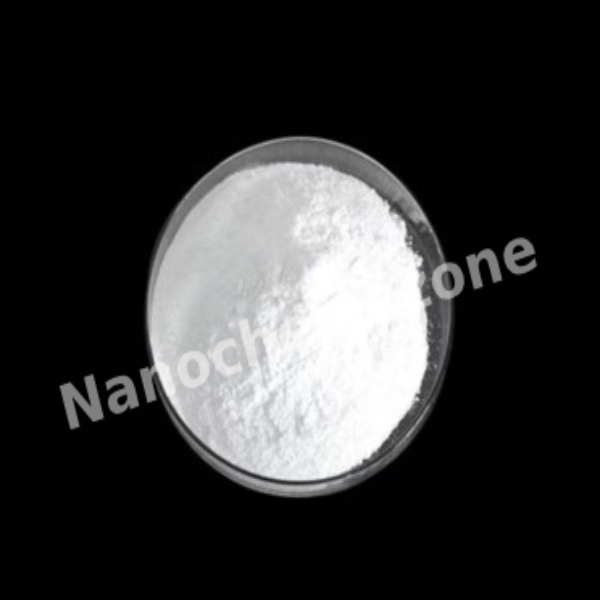
1314-13-2

Appearance

Powder

Purity

≥99%,  ≥99.9%,  ≥95%

(Other purities are also available)

APS

 (ZnO) (Size Can be customized), Ask for other available size ranges.

Ingredient

N/A

Molecular Weight

81.38 g/mol

Melting Point

1975 °C

Boiling Point

N/A

Density

5.61 g/cm³

Product Codes

NCZ-1499K