Barium Fluoride (BaF2) Sputtering Targets, Purity: 99.99%, Size: 5”, Thickness: 0.125”

$1,530.00

Applications of Sputtering Targets;

Film deposition is accomplished using sputtering targets. A technique for sputtering thin films is called "deposition made by sputter targets," which entails eroding material from a "target" source onto a "substrate" like a silicon wafer. Etching of the target is done using semiconductor sputtering targets. When selectivity is not an issue and a high degree of etching anisotropy is required, sputter etching is the method of choice. By removing the target material through etching, sputter targets are also utilized for investigation. In secondary ion spectroscopy (SIMS), one example is when the target material is sputtered at a steady pace. Mass spectrometry is used to quantify the concentration and identity of spewed atoms as the target is sputtered. With the sputtering target's assistance, the

It is possible to identify the target material and even detect incredibly tiny impurity amounts.

There is also an application area for sputtering targets in space. One type of space weathering that alters the chemical and physical characteristics of airless worlds like the Moon and asteroids is sputtering.

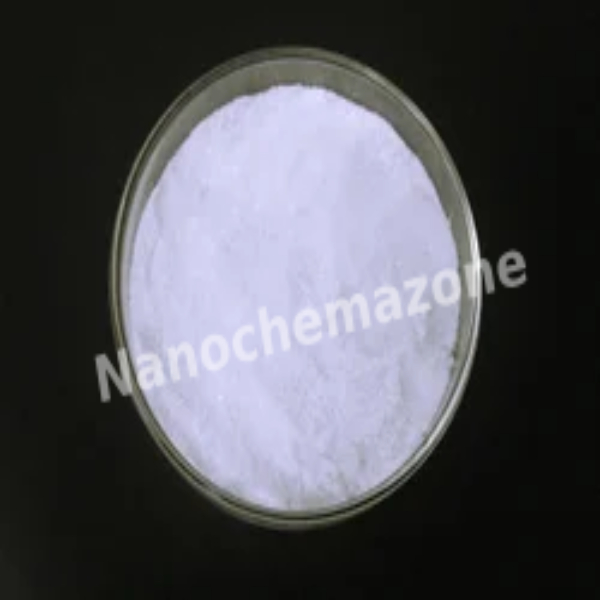
A chemical compound consisting of barium and fluorine, barium fluoride (BaF2) is a salt. It is a solid that has the potential to be a clear crystal. One chemical compound for the 10–20 µm wavelength infrared area is barium fluoride. Enamel, glazing frits, and aluminum metallurgy all use barium fluoride.

Barium Fluoride (BaF2) Sputtering Targets, Purity: 99.99%, Size: 5”, Thickness: 0.250”

$1,777.00

Product 

Barium Fluoride (BaF2) Sputtering Targets, Purity: 99.99%, Size: 5'', Thickness: 0.250''

CAS No.

 7787-32-8

Appearance

Powder

Purity

≥99%,  ≥99.9%,  ≥95%

(Other purities are also available)

APS

< 5 µm (Size Can be customized), Ask for other available size ranges.

Ingredient

N/A

Molecular Weight

175.32 g/mol

Melting Point

 1,368 °C

Boiling Point

2,260 °C

Density

 4.89 g/cm³

Product Codes

NCZ-2480K

Barium Fluoride (BaF2) Sputtering Targets, Purity: 99.99%, Size: 5”, Thickness: 0.250”

$1,530.00

Applications of Sputtering Targets;

Film deposition is accomplished using sputtering targets. A technique for sputtering thin films is called "deposition made by sputter targets," which entails eroding material from a "target" source onto a "substrate" like a silicon wafer. Etching of the target is done using semiconductor sputtering targets. When selectivity is not an issue and a high degree of etching anisotropy is required, sputter etching is the method of choice. By removing the target material through etching, sputter targets are also utilized for investigation. In secondary ion spectroscopy (SIMS), one example is when the target material is sputtered at a steady pace. When the target shatters,

Mass spectrometry measures the concentration and identity of sputtered atoms. The target material's composition may be ascertained and even very low concentrations of contaminants can be found with the aid of the sputtering target.

There is also an application area for sputtering targets in space. One type of space weathering that alters the chemical and physical characteristics of airless worlds like the Moon and asteroids is sputtering.

A chemical compound consisting of barium and fluorine, barium fluoride (BaF2) is a salt. It is a solid that has the potential to be a clear crystal. A is barium fluoride.

Barium Fluoride (BaF2) Sputtering Targets, Purity: 99.99%, Size: 6”, Thickness: 0.125”

$2,196.00

Product 

Barium Fluoride (BaF2) Sputtering Targets, Purity: 99.99%, Size: 6'', Thickness: 0.125''

CAS No.

 7787-32-8

Appearance

Powder

Purity

≥99%,  ≥99.9%,  ≥95%

(Other purities are also available)

APS

< 5 µm (Size Can be customized), Ask for other available size ranges.

Ingredient

N/A

Molecular Weight

175.32 g/mol

Melting Point

 1,368 °C

Boiling Point

2,260 °C

Density

 4.89 g/cm³

Product Codes

NCZ-2479K

Barium Fluoride (BaF2) Sputtering Targets, Purity: 99.99%, Size: 6”, Thickness: 0.125”

$1,890.00

Applications of Sputtering Targets;

Film deposition is accomplished using sputtering targets. A technique for sputtering thin films is called "deposition made by sputter targets," which entails eroding material from a "target" source onto a "substrate" like a silicon wafer. Etching of the target is done using semiconductor sputtering targets. When selectivity is not an issue and a high degree of etching anisotropy is required, sputter etching is the method of choice. By removing the target material through etching, sputter targets are also utilized for investigation. In secondary ion spectroscopy (SIMS), one example is when the target material is sputtered at a steady pace. Mass spectrometry is used to quantify the concentration and identity of spewed atoms as the target is sputtered. With the sputtering target's assistance, the

It is possible to identify the target material and even detect incredibly tiny impurity amounts.

There is also an application area for sputtering targets in space. One type of space weathering that alters the chemical and physical characteristics of airless worlds like the Moon and asteroids is sputtering.

A chemical compound consisting of barium and fluorine, barium fluoride (BaF2) is a salt. It is a solid that has the potential to be a clear crystal. One chemical compound for the 10–20 µm wavelength infrared area is barium fluoride. Enamel, glazing frits, and aluminum metallurgy all use barium fluoride.

Barium Fluoride (BaF2) Sputtering Targets, Purity: 99.99%, Size: 6”, Thickness: 0.250”

$2,316.00

Product 

Barium Fluoride (BaF2) Sputtering Targets, Purity: 99.99%, Size: 6'', Thickness: 0.250''

CAS No.

 7787-32-8

Appearance

Powder

Purity

≥99%,  ≥99.9%,  ≥95%

(Other purities are also available)

APS

< 5 µm (Size Can be customized), Ask for other available size ranges.

Ingredient

N/A

Molecular Weight

175.32 g/mol

Melting Point

 1,368 °C

Boiling Point

2,260 °C

Density

 4.89 g/cm³

Product Codes

NCZ-2478K

Barium Fluoride (BaF2) Sputtering Targets, Purity: 99.99%, Size: 6”, Thickness: 0.250”

$1,995.00

Applications of Sputtering Targets;

Film deposition is accomplished using sputtering targets. A technique for sputtering thin films is called "deposition made by sputter targets," which entails eroding material from a "target" source onto a "substrate" like a silicon wafer. Etching of the target is done using semiconductor sputtering targets. When selectivity is not an issue and a high degree of etching anisotropy is required, sputter etching is the method of choice. By removing the target material through etching, sputter targets are also utilized for investigation. In secondary ion spectroscopy (SIMS), one example is when the target material is sputtered at a steady pace. When the target shatters,

Mass spectrometry measures the concentration and identity of sputtered atoms. The target material's composition may be ascertained and even very low concentrations of contaminants can be found with the aid of the sputtering target.

There is also an application area for sputtering targets in space. One type of space weathering that alters the chemical and physical characteristics of airless worlds like the Moon and asteroids is sputtering.

A chemical compound consisting of barium and fluorine, barium fluoride (BaF2) is a salt. It is a solid that has the potential to be a clear crystal. One chemical compound for the 10–20 µm wavelength infrared area is barium fluoride. Enamel, glazing frits, and aluminum metallurgy all use barium fluoride.

Barium Fluoride (BaF2) Sputtering Targets, Purity: 99.99%, Size: 8”, Thickness: 0.125′

$2,250.00

Applications of Sputtering Targets;

Film deposition is accomplished using sputtering targets. A technique for sputtering thin films is called "deposition made by sputter targets," which entails eroding material from a "target" source onto a "substrate" like a silicon wafer. Etching of the target is done using semiconductor sputtering targets. When selectivity is not an issue and a high degree of etching anisotropy is required, sputter etching is the method of choice. By removing the target material through etching, sputter targets are also utilized for investigation. In secondary ion spectroscopy (SIMS), one example is when the target material is sputtered at a steady pace. When the target shatters,

Mass spectrometry measures the concentration and identity of sputtered atoms. The target material's composition may be ascertained and even very low concentrations of contaminants can be found with the aid of the sputtering target.

There is also an application area for sputtering targets in space. One type of space weathering that alters the chemical and physical characteristics of airless worlds like the Moon and asteroids is sputtering.

A chemical compound consisting of barium and fluorine, barium fluoride (BaF2) is a salt. It is a solid that has the potential to be a clear crystal. A is barium fluoride.

Barium Fluoride (BaF2) Sputtering Targets, Purity: 99.99%, Size: 8”, Thickness: 0.125”

$2,616.00

Product 

Barium Fluoride (BaF2) Sputtering Targets, Purity: 99.99%, Size: 8'', Thickness: 0.125''

CAS No.

 7787-32-8

Appearance

Powder

Purity

≥99%,  ≥99.9%,  ≥95%

(Other purities are also available)

APS

< 5 µm (Size Can be customized), Ask for other available size ranges.

Ingredient

N/A

Molecular Weight

175.32 g/mol

Melting Point

 1,368 °C

Boiling Point

2,260 °C

Density

 4.89 g/cm³

Product Codes

NCZ-2477K

Barium Fluoride (BaF2) Sputtering Targets, Purity: 99.99%, Size: 8”, Thickness: 0.250”

$2,616.00

Product 

Barium Fluoride (BaF2) Sputtering Targets, Purity: 99.99%, Size: 8'', Thickness: 0.250''

CAS No.

 7787-32-8

Appearance

Powder

Purity

≥99%,  ≥99.9%,  ≥95%

(Other purities are also available)

APS

< 5 µm (Size Can be customized), Ask for other available size ranges.

Ingredient

N/A

Molecular Weight

175.32 g/mol

Melting Point

 1,368 °C

Boiling Point

2,260 °C

Density

 4.89 g/cm³

Product Codes

NCZ-2476K

Barium Fluoride (BaF2) Sputtering Targets, Purity: 99.99%, Size: 8”, Thickness: 0.250”

$2,250.00

Applications of Sputtering Targets;

Film deposition is accomplished using sputtering targets. A technique for sputtering thin films is called "deposition made by sputter targets," which entails eroding material from a "target" source onto a "substrate" like a silicon wafer. Etching of the target is done using semiconductor sputtering targets. When selectivity is not an issue and a high degree of etching anisotropy is required, sputter etching is the method of choice. By removing the target material through etching, sputter targets are also utilized for investigation. In secondary ion spectroscopy (SIMS), one example is when the target material is sputtered at a steady pace. When the target shatters,

Mass spectrometry measures the concentration and identity of sputtered atoms. The target material's composition may be ascertained and even very low concentrations of contaminants can be found with the aid of the sputtering target.

There is also an application area for sputtering targets in space. One type of space weathering that alters the chemical and physical characteristics of airless worlds like the Moon and asteroids is sputtering.

A chemical compound consisting of barium and fluorine, barium fluoride (BaF2) is a salt. It is a solid that has the potential to be a clear crystal. A is barium fluoride.

Barium fluoride, 99.996%

Price range: $36.00 through $164.00
Select options This product has multiple variants. The options may be chosen on the product page
Product Barium fluoride, 99.996%
CAS No. 7787-32-8
Appearance White or transparent crystals
Purity ≥99%,  ≥99.9%,  ≥95%(Other purities are also available)
APS N/A
Ingredient BaF₂
Molecular Weight 175.32 g/mol
Melting Point 1355°C
Boiling Point N/A
Density 4.89 g/cm³
Product Codes NCZ-124R

Barium Fluoride, BaF2 99.99% 4N High Purity Powder

$515.00
Select options This product has multiple variants. The options may be chosen on the product page
Product Barium Fluoride, BaF2 99.99% 4N High Purity Powder
CAS No. 7787-32-8
Appearance White to off-white
Purity ≥99%,  ≥99.9%,  ≥95%(Other purities are also available)
APS 40µm (Size Can be customized),  Ask for other available size range.
Ingredient BaF2
Molecular Weight 175.32 g/mol
Melting Point 1368 °C
Boiling Point 2260 °C
Density 4.89 g/cm³
Product Codes NCZ-295I
 

Barium FOD

Price range: $16.00 through $65.00
Select options This product has multiple variants. The options may be chosen on the product page
Product Barium FOD
CAS No. N/A
Appearance White crystalline
Purity ≥99%,  ≥99.9%,  ≥95%(Other purities are also available)
APS N/A
Ingredient C₁₈H₁₄BaF₁₄O₄
Molecular Weight N/A
Melting Point N/A
Boiling Point N/A
Density 2.5–3.0 g/cm³
Product Codes NCZ-382R
 

Barium HFAC

Price range: $16.00 through $109.00
Select options This product has multiple variants. The options may be chosen on the product page
Product Barium HFAC
CAS No. 118131-57-0
Appearance White
Purity ≥99%,  ≥99.9%,  ≥95%(Other purities are also available)
APS N/A
Ingredient Ba(C₅HF₆O₂)₂
Molecular Weight N/A
Melting Point 220–250 °C
Boiling Point N/A
Density N/A
Product Codes NCZ-308R

Barium hydroxide, 99.99%

Price range: $21.00 through $106.00
Select options This product has multiple variants. The options may be chosen on the product page
Product Barium hydroxide, 99.99%
CAS No. 17194-00-2
Appearance White to off-white crystalline
Purity ≥99%,  ≥99.9%,  ≥95%(Other purities are also available)
APS N/A
Ingredient (Ba(OH)₂),
Molecular Weight 171.34 g/mol
Melting Point N/A
Boiling Point N/A
Density 2.18 g/cm³
Product Codes NCZ-165R

Barium Iron Oxide (BaFe12O19) Nanopowder/Nanoparticles, Purity: 99.95%, Size: 55 nm

Price range: $73.00 through $227.00
Select options This product has multiple variants. The options may be chosen on the product page
1 gram/65 € 5 grams/201 €  
 
Please contact us for quotes on larger quantities !!!

Barium Iron Oxide (BaFe12O19) Nanopowder/Nanoparticles

Purity: 99.95%, Size: 55 nm

Technical Properties:

Purity (%) 99.95
True Density (g/cm3) 5.5
Average Particle Size (nm) 55
Morphology polyhedral
Elemental Analysis Al Ca Cd Co Cr Cu Mg Mn Ni Zn
290 ppm 158 ppm 35 ppm 22 ppm 35 ppm 8 ppm 150 ppm 650 ppm 65 ppm 4 ppm

Applications:

Barium Iron oxide nanoparticle is used as flame retardant in different materials. It can be used in textiles, fibers, plastics,and coatings. It has also applications in the field of catalysis.

Barium Iron Oxide Nanoparticles

Price range: $175.00 through $875.00
Select options This product has multiple variants. The options may be chosen on the product page

Barium Iron Oxide Nanoparticles

MF: BaFe12O19
Chemical Name: Barium Dodecairon Nonadecaoxide
Purity: > 99.99%
APS: 100 nm (Size Customization possible)
Form: Nanopowder
Product Number: #NCZ601
CAS Number 12047-11-9

Barium Iron Oxide Nanoparticles

Note: We can supply different size products of microparticles and Nanoparticles Size range powder according to the client’s requirements.

Barium isopropoxide, 97%

Price range: $39.00 through $220.00
Select options This product has multiple variants. The options may be chosen on the product page
Product Barium isopropoxide, 97%
CAS No. 24363-37-9
Appearance White to light-orange or yellow
Purity ≥99%,  ≥99.9%,  ≥95%(Other purities are also available)
APS N/A
Ingredient C₆H₁₄BaO₂
Molecular Weight 255.5 g/mol
Melting Point N/A
Boiling Point N/A
Density 0.89–0.90 g/cm³
Product Codes NCZ-166R
 

Barium Metaphosphate Ba(PO3)2 Powder 99.995% 4N5, 1 kg

$315.00
Product

Barium Metaphosphate Ba(PO3)2 Powder 99.995% 4N5, 1 kg

CAS No. 13762-83-9
Appearance White
Purity ≥99%,  ≥99.9%,  ≥95%(Other purities are also available)
APS 1–5µm (Size Can be customized),  Ask for other available size range.
Ingredient Ba(PO₃)₂
Molecular Weight 295.27 g/mol
Melting Point 1368 °C
Boiling Point 2260 °C
Density 3.63 g/cm³
Product Codes NCZ-296I

Barium Metaphosphate Ba(PO3)2 Powder 99.999% 5N, 1 kg

$535.00
Product Barium Metaphosphate Ba(PO3)2 Powder 99.999% 5N, 1 kg
CAS No. 13762-83-9
Appearance White
Purity ≥99%,  ≥99.9%,  ≥95%(Other purities are also available)
APS 1–5µm (Size Can be customized),  Ask for other available size range.
Ingredient Ba(PO₃)₂
Molecular Weight 295.27 g/mol
Melting Point N/A
Boiling Point N/A
Density 3.63 g/cm³
Product Codes NCZ-297I
 

Barium nitrate, 99.999%

Price range: $16.00 through $64.00
Select options This product has multiple variants. The options may be chosen on the product page
Product Barium nitrate, 99.999%
CAS No. 10022-31-8
Appearance White crystalline
Purity ≥99%,  ≥99.9%,  ≥95%(Other purities are also available)
APS N/A
Ingredient Ba(NO₃)₂
Molecular Weight 261.34 g/mol
Melting Point N/A
Boiling Point N/A
Density 3.24 g/cm³
Product Codes NCZ-125R
 

Barium strontium niobate, 99.999%

Price range: $89.00 through $364.00
Select options This product has multiple variants. The options may be chosen on the product page
Product Barium strontium niobate, 99.999%
CAS No. 37185-09-4
Appearance White, off-white, or grayish
Purity ≥99%,  ≥99.9%,  ≥95%(Other purities are also available)
APS N/A
Ingredient SrₓBa₁₋ₓNb₂O₆
Molecular Weight 788.57 g/mol
Melting Point N/A
Boiling Point N/A
Density 5.24–5.39 g/cm³
Product Codes NCZ-127R

Barium Strontium Titanate (BaO4SrTi) Sputtering Targets, elastomer, Purity: 99.99%, Size: 2”, Thickness: 0.125”

$882.00

Product 

Barium Strontium Titanate (BaO4SrTi) Sputtering Targets, elastomer, Purity: 99.99%, Size: 2'', Thickness: 0.125''

CAS No.

 12060-08-1

Appearance

Powder

Purity

≥99%,  ≥99.9%,  ≥95%

(Other purities are also available)

APS

~1–5 µm (Size Can be customized), Ask for other available size ranges.

Ingredient

N/A

Molecular Weight

~233–300 g/mol (composition dependent)

Melting Point

 ~1625 °C (approximate)

Boiling Point

N/A

Density

~5.5–6.0 g/cm³ (depending on Ba:Sr ratio)

Product Codes

NCZ-2475K

Barium Strontium Titanate (BaO4SrTi) Sputtering Targets, elastomer, Purity: 99.99%, Size: 2”, Thickness: 0.125”

$762.00

Applications of Sputtering Targets;

Film deposition is accomplished using sputtering targets. A technique for sputtering thin films is called "deposition made by sputter targets," which entails eroding material from a "target" source onto a "substrate" like a silicon wafer. Etching of the target is done using semiconductor sputtering targets. When selectivity is not an issue and a high degree of etching anisotropy is required, sputter etching is the method of choice. By removing the target material through etching, sputter targets are also utilized for investigation. In secondary ion spectroscopy (SIMS), one example is when the target material is sputtered at a steady pace. When the target shatters,

Mass spectrometry measures the concentration and identity of sputtered atoms. The target material's composition may be ascertained and even very low concentrations of contaminants can be found with the aid of the sputtering target.

There is also an application area for sputtering targets in space. One type of space weathering that alters the chemical and physical characteristics of airless worlds like the Moon and asteroids is sputtering.

A solid mixture of barium titanate (BaTiO3) and strontium titanate (SrTiO3) is called barium strontium titanate (BST). Sputtering techniques yield thin coatings of barium strontium titanate (BST), which confers exceptional dielectric characteristics to materials. Due to this, BST-based barium strontium titanate

The past ten years have seen a rise in the popularity of ferroelectric thin film devices because of its numerous uses in tunable microwave devices, including phase shifters, delay lines, resonators, and varactors.

Thin films of barium strontium titanate show great promise because of their low dielectric loss, high dielectric constant, and tunability. There have been reports on the dielectric-tunable properties of barium strontium titanate films produced by various deposition processes. These properties investigate the impacts of several parameters, including grain size, Ba/Sr ratio, oxygen vacancies, and film thickness. To get more tunability and less loss, researchers have also looked at doping concentrations, high temperature annealing, and multilayer architectures.

Barium Strontium Titanate (BaO4SrTi) Sputtering Targets, elastomer, Purity: 99.99%, Size: 3”, Thickness: 0.125”

$1,313.00

Product 

Barium Strontium Titanate (BaO4SrTi) Sputtering Targets, elastomer, Purity: 99.99%, Size: 3'', Thickness: 0.125''

CAS No.

 12060-08-1

Appearance

Powder

Purity

≥99%,  ≥99.9%,  ≥95%

(Other purities are also available)

APS

~1–5 µm (Size Can be customized), Ask for other available size ranges.

Ingredient

N/A

Molecular Weight

~233–300 g/mol (composition dependent)

Melting Point

 ~1625 °C (approximate)

Boiling Point

N/A

Density

~5.5–6.0 g/cm³ (depending on Ba:Sr ratio)

Product Codes

NCZ-2474K

Barium Strontium Titanate (BaO4SrTi) Sputtering Targets, elastomer, Purity: 99.99%, Size: 3”, Thickness: 0.125”

$1,132.00

Applications of Sputtering Targets;

Film deposition is accomplished using sputtering targets. A technique for sputtering thin films is called "deposition made by sputter targets," which entails eroding material from a "target" source onto a "substrate" like a silicon wafer. Etching of the target is done using semiconductor sputtering targets. When selectivity is not an issue and a high degree of etching anisotropy is required, sputter etching is the method of choice. By removing the target material through etching, sputter targets are also utilized for investigation. In secondary ion spectroscopy (SIMS), one example is when the target material is sputtered at a steady pace. When the target shatters,

Mass spectrometry measures the concentration and identity of sputtered atoms. The target material's composition may be ascertained and even very low concentrations of contaminants can be found with the aid of the sputtering target.

There is also an application area for sputtering targets in space. One type of space weathering that alters the chemical and physical characteristics of airless worlds like the Moon and asteroids is sputtering.

A solid mixture of barium titanate (BaTiO3) and strontium titanate (SrTiO3) is called barium strontium titanate (BST). Sputtering techniques yield thin coatings of barium strontium titanate (BST), which confers exceptional dielectric characteristics to materials. Due to this, BST-based barium strontium titanate

The past ten years have seen a rise in the popularity of ferroelectric thin film devices because of its numerous uses in tunable microwave devices, including phase shifters, delay lines, resonators, and varactors.

Thin films of barium strontium titanate show great promise because of their low dielectric loss, high dielectric constant, and tunability. There have been reports on the dielectric-tunable properties of barium strontium titanate films produced by various deposition processes. These properties investigate the impacts of several parameters, including grain size, Ba/Sr ratio, oxygen vacancies, and film thickness. To get more tunability and less loss, researchers have also looked at doping concentrations, high temperature annealing, and multilayer architectures.

Barium Strontium Titanate (BaO4SrTi) Sputtering Targets, elastomer, Purity: 99.99%, Size: 3”, Thickness: 0.250”

$1,800.00

Product 

Barium Strontium Titanate (BaO4SrTi) Sputtering Targets, elastomer, Purity: 99.99%, Size: 3'', Thickness: 0.250''

CAS No.

 12060-08-1

Appearance

Powder

Purity

≥99%,  ≥99.9%,  ≥95%

(Other purities are also available)

APS

~1–5 µm (Size Can be customized), Ask for other available size ranges.

Ingredient

N/A

Molecular Weight

~233–300 g/mol (composition dependent)

Melting Point

 ~1625 °C (approximate)

Boiling Point

N/A

Density

~5.5–6.0 g/cm³ (depending on Ba:Sr ratio)

Product Codes

NCZ-2473K

Barium Strontium Titanate (BaO4SrTi) Sputtering Targets, elastomer, Purity: 99.99%, Size: 3”, Thickness: 0.250”

$1,550.00

Applications of Sputtering Targets;

Film deposition is accomplished using sputtering targets. A technique for sputtering thin films is called "deposition made by sputter targets," which entails eroding material from a "target" source onto a "substrate" like a silicon wafer. Etching of the target is done using semiconductor sputtering targets. When selectivity is not an issue and a high degree of etching anisotropy is required, sputter etching is the method of choice. By removing the target material through etching, sputter targets are also utilized for investigation. In secondary ion spectroscopy (SIMS), one example is when the target material is sputtered at a steady pace. When the target shatters,

Mass spectrometry measures the concentration and identity of sputtered atoms. The target material's composition may be ascertained and even very low concentrations of contaminants can be found with the aid of the sputtering target.

There is also an application area for sputtering targets in space. One type of space weathering that alters the chemical and physical characteristics of airless worlds like the Moon and asteroids is sputtering.

A solid mixture of barium titanate (BaTiO3) and strontium titanate (SrTiO3) is called barium strontium titanate (BST). Sputtering techniques yield thin coatings of barium strontium titanate (BST), which confers exceptional dielectric characteristics to materials. Due to this, BST-based barium strontium titanate

The past ten years have seen a rise in the popularity of ferroelectric thin film devices because of its numerous uses in tunable microwave devices, including phase shifters, delay lines, resonators, and varactors.

Thin films of barium strontium titanate show great promise because of their low dielectric loss, high dielectric constant, and tunability. There have been reports on the dielectric-tunable properties of barium strontium titanate films produced by various deposition processes. These properties investigate the impacts of several parameters, including grain size, Ba/Sr ratio, oxygen vacancies, and film thickness. To get more tunability and less loss, researchers have also looked at doping concentrations, high temperature annealing, and multilayer architectures.

Barium Strontium Titanate (BaO4SrTi) Sputtering Targets, elastomer, Purity: 99.99%, Size: 4”, Thickness: 0.125”

$1,586.00

Product 

Barium Strontium Titanate (BaO4SrTi) Sputtering Targets, elastomer, Purity: 99.99%, Size: 4'', Thickness: 0.125''

CAS No.

 12060-08-1

Appearance

Powder

Purity

≥99%,  ≥99.9%,  ≥95%

(Other purities are also available)

APS

~1–5 µm (Size Can be customized), Ask for other available size ranges.

Ingredient

N/A

Molecular Weight

~233–300 g/mol (composition dependent)

Melting Point

 ~1625 °C (approximate)

Boiling Point

N/A

Density

~5.5–6.0 g/cm³ (depending on Ba:Sr ratio)

Product Codes

NCZ-2472K

Barium Strontium Titanate (BaO4SrTi) Sputtering Targets, elastomer, Purity: 99.99%, Size: 4”, Thickness: 0.125”

$1,366.00

Applications of Sputtering Targets;

Film deposition is accomplished using sputtering targets. A technique for sputtering thin films is called "deposition made by sputter targets," which entails eroding material from a "target" source onto a "substrate" like a silicon wafer. Etching of the target is done using semiconductor sputtering targets. When selectivity is not an issue and a high degree of etching anisotropy is required, sputter etching is the method of choice. By removing the target material through etching, sputter targets are also utilized for investigation. In secondary ion spectroscopy (SIMS), one example is when the target material is sputtered at a steady pace. When the target shatters,

Mass spectrometry measures the concentration and identity of sputtered atoms. The target material's composition may be ascertained and even very low concentrations of contaminants can be found with the aid of the sputtering target.

There is also an application area for sputtering targets in space. One type of space weathering that alters the chemical and physical characteristics of airless worlds like the Moon and asteroids is sputtering.

A solid mixture of barium titanate (BaTiO3) and strontium titanate (SrTiO3) is called barium strontium titanate (BST). Sputtering techniques yield thin coatings of barium strontium titanate (BST), which confers exceptional dielectric characteristics to materials. As a result, over the past ten years, barium strontium titanate (BST) based ferroelectric thin film devices have gained popularity because of its

phase shifters, varactors, and resonators.

Thin films of barium strontium titanate show great promise because of their low dielectric loss, high dielectric constant, and tunability. There have been reports on the dielectric-tunable properties of barium strontium titanate films produced by various deposition processes. These properties investigate the impacts of several parameters, including grain size, Ba/Sr ratio, oxygen vacancies, and film thickness. To get more tunability and less loss, researchers have also looked at doping concentrations, high temperature annealing, and multilayer architectures.
Barium Strontium Titanate (BaO4SrTi) Sputtering Targets, elastomer, Purity: 99.99%, Size: 4”, Thickness: 0.250”

$1,789.00

Product 

Barium Strontium Titanate (BaO4SrTi) Sputtering Targets, elastomer, Purity: 99.99%, Size: 4'', Thickness: 0.250''

CAS No.

 12060-08-1

Appearance

Powder

Purity

≥99%,  ≥99.9%,  ≥95%

(Other purities are also available)

APS

~1–5 µm (Size Can be customized), Ask for other available size ranges.

Ingredient

N/A

Molecular Weight

~233–300 g/mol (composition dependent)

Melting Point

 ~1625 °C (approximate)

Boiling Point

N/A

Density

~5.5–6.0 g/cm³ (depending on Ba:Sr ratio)

Product Codes

NCZ-2471K

Barium Strontium Titanate (BaO4SrTi) Sputtering Targets, elastomer, Purity: 99.99%, Size: 4”, Thickness: 0.250”

$1,540.00

Applications of Sputtering Targets;

Film deposition is accomplished using sputtering targets. A technique for sputtering thin films is called "deposition made by sputter targets," which entails eroding material from a "target" source onto a "substrate" like a silicon wafer. Etching of the target is done using semiconductor sputtering targets. When selectivity is not an issue and a high degree of etching anisotropy is required, sputter etching is the method of choice. By removing the target material through etching, sputter targets are also utilized for investigation. In secondary ion spectroscopy (SIMS), one example is when the target material is sputtered at a steady pace. Mass spectrometry is used to quantify the concentration and identity of spewed atoms as the target is sputtered. With the sputtering target's assistance, the

It is possible to identify the target material and even detect incredibly tiny impurity amounts.

There is also an application area for sputtering targets in space. One type of space weathering that alters the chemical and physical characteristics of airless worlds like the Moon and asteroids is sputtering.

A solid mixture of barium titanate (BaTiO3) and strontium titanate (SrTiO3) is called barium strontium titanate (BST). Sputtering techniques yield thin coatings of barium strontium titanate (BST), which confers exceptional dielectric characteristics to materials. Because of their numerous uses in tunable microwave devices including phase shifters, delay lines, resonators, and varactors, barium strontium titanate (BST) based ferroelectric thin film devices have become more and more well-known over the past ten years.

Barium Strontium Titanate (BaO4SrTi) Sputtering Targets, elastomer, Purity: 99.99%, Size: 6”, Thickness: 0.125”

$1,899.00

Product 

Barium Strontium Titanate (BaO4SrTi) Sputtering Targets, elastomer, Purity: 99.99%, Size: 6'', Thickness: 0.125''

CAS No.

 12060-08-1

Appearance

Powder

Purity

≥99%,  ≥99.9%,  ≥95%

(Other purities are also available)

APS

~1–5 µm (Size Can be customized), Ask for other available size ranges.

Ingredient

N/A

Molecular Weight

~233–300 g/mol (composition dependent)

Melting Point

 ~1625 °C (approximate)

Boiling Point

N/A

Density

~5.5–6.0 g/cm³ (depending on Ba:Sr ratio)

Product Codes

NCZ-2470K

Barium Strontium Titanate (BaO4SrTi) Sputtering Targets, elastomer, Purity: 99.99%, Size: 6”, Thickness: 0.125”

$1,635.00

Applications of Sputtering Targets;

Film deposition is accomplished using sputtering targets. A technique for sputtering thin films is called "deposition made by sputter targets," which entails eroding material from a "target" source onto a "substrate" like a silicon wafer. Etching of the target is done using semiconductor sputtering targets. When selectivity is not an issue and a high degree of etching anisotropy is required, sputter etching is the method of choice. By removing the target material through etching, sputter targets are also utilized for investigation. In secondary ion spectroscopy (SIMS), one example is when the target material is sputtered at a steady pace. Mass spectrometry is used to quantify the concentration and identity of spewed atoms as the target is sputtered. With the sputtering target's assistance, the

It is possible to identify the target material and even detect incredibly tiny impurity amounts.

There is also an application area for sputtering targets in space. One type of space weathering that alters the chemical and physical characteristics of airless worlds like the Moon and asteroids is sputtering.

A solid mixture of barium titanate (BaTiO3) and strontium titanate (SrTiO3) is called barium strontium titanate (BST). Sputtering techniques yield thin coatings of barium strontium titanate (BST), which confers exceptional dielectric characteristics to materials. Due to their numerous uses in tunable microwave devices like delay lines, barium strontium titanate (BST) based ferroelectric thin film devices have become more and more well-known over the past ten years.

Barium Strontium Titanate (BaO4SrTi) Sputtering Targets, elastomer, Purity: 99.99%, Size: 6”, Thickness: 0.250”

$1,899.00

Product 

Barium Strontium Titanate (BaO4SrTi) Sputtering Targets, elastomer, Purity: 99.99%, Size: 6'', Thickness: 0.250''

CAS No.

 12060-08-1

Appearance

Powder

Purity

≥99%,  ≥99.9%,  ≥95%

(Other purities are also available)

APS

~1–5 µm (Size Can be customized), Ask for other available size ranges.

Ingredient

N/A

Molecular Weight

~233–300 g/mol (composition dependent)

Melting Point

 ~1625 °C (approximate)

Boiling Point

N/A

Density

~5.5–6.0 g/cm³ (depending on Ba:Sr ratio)

Product Codes

NCZ-2469K

Barium Strontium Titanate (BaO4SrTi) Sputtering Targets, elastomer, Purity: 99.99%, Size: 6”, Thickness: 0.250”

$1,635.00

Applications of Sputtering Targets;

Film deposition is accomplished using sputtering targets. A technique for sputtering thin films is called "deposition made by sputter targets," which entails eroding material from a "target" source onto a "substrate" like a silicon wafer. Etching of the target is done using semiconductor sputtering targets. When selectivity is not an issue and a high degree of etching anisotropy is required, sputter etching is the method of choice. By removing the target material through etching, sputter targets are also utilized for investigation. In secondary ion spectroscopy (SIMS), one example is when the target material is sputtered at a steady pace. When the target shatters,

Mass spectrometry measures the concentration and identity of sputtered atoms. The target material's composition may be ascertained and even very low concentrations of contaminants can be found with the aid of the sputtering target.

There is also an application area for sputtering targets in space. One type of space weathering that alters the chemical and physical characteristics of airless worlds like the Moon and asteroids is sputtering.

A solid mixture of barium titanate (BaTiO3) and strontium titanate (SrTiO3) is called barium strontium titanate (BST). Sputtering techniques yield thin coatings of barium strontium titanate (BST), which confers exceptional dielectric characteristics to materials. Due to this, BST-based barium strontium titanate

The past ten years have seen a rise in the popularity of ferroelectric thin film devices because of its numerous uses in tunable microwave devices, including phase shifters, delay lines, resonators, and varactors.

Thin films of barium strontium titanate show great promise because of their low dielectric loss, high dielectric constant, and tunability. There have been reports on the dielectric-tunable properties of barium strontium titanate films produced by various deposition processes. These properties investigate the impacts of several parameters, including grain size, Ba/Sr ratio, oxygen vacancies, and film thickness. To get more tunability and less loss, researchers have also looked at doping concentrations, high temperature annealing, and multilayer architectures.
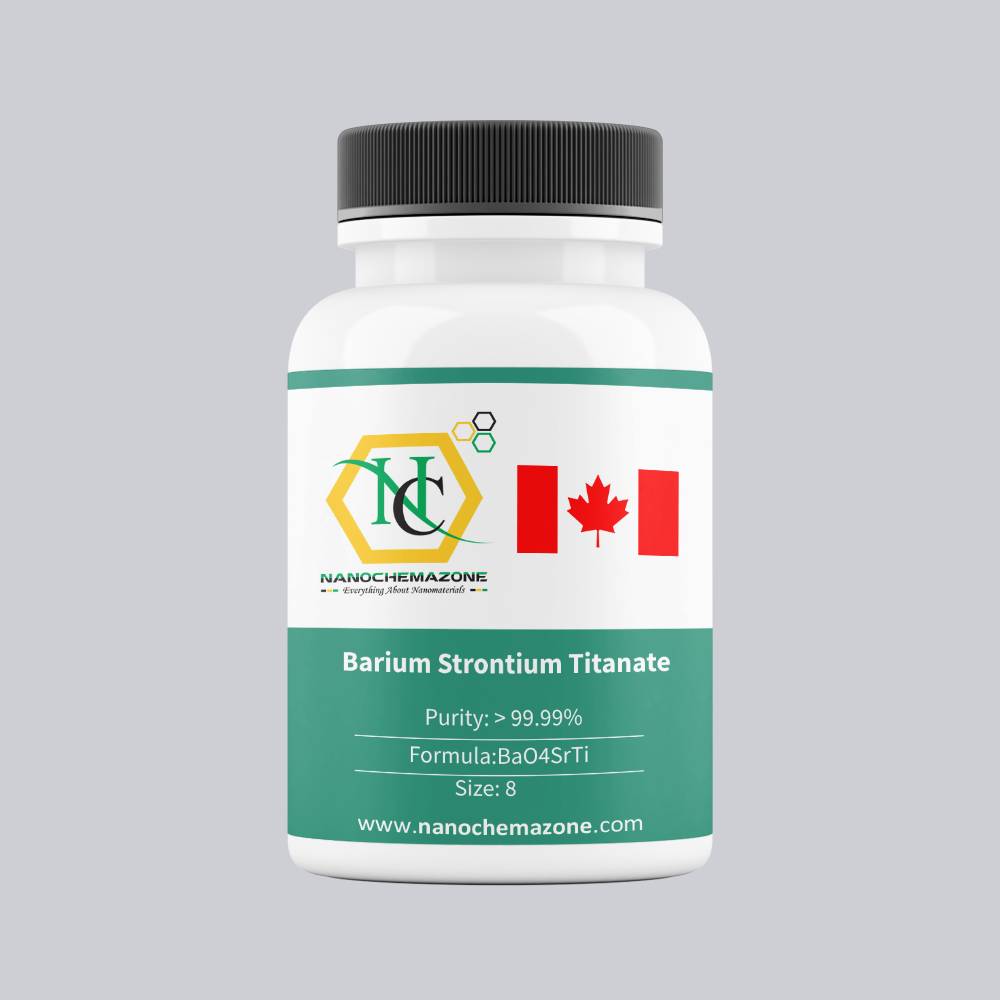
Barium Strontium Titanate (BaO4SrTi) Sputtering Targets, elastomer, Purity: 99.99%, Size: 8”, Thickness: 0.125”

$2,528.00

Product 

Barium Strontium Titanate (BaO4SrTi) Sputtering Targets, elastomer, Purity: 99.99%, Size: 8'', Thickness: 0.125''

CAS No.

 12060-08-1

Appearance

Powder

Purity

≥99%,  ≥99.9%,  ≥95%

(Other purities are also available)

APS

~1–5 µm (Size Can be customized), Ask for other available size ranges.
Ingredient

N/A

Molecular Weight

~233–300 g/mol (composition dependent)

Melting Point

 ~1625 °C (approximate)

Boiling Point

N/A

Density

~5.5–6.0 g/cm³ (depending on Ba:Sr ratio)

Product Codes

NCZ-2468K

Barium Strontium Titanate (BaO4SrTi) Sputtering Targets, elastomer, Purity: 99.99%, Size: 8”, Thickness: 0.125”

$2,175.00

Applications of Sputtering Targets;

Film deposition is accomplished using sputtering targets. A technique for sputtering thin films is called "deposition made by sputter targets," which entails eroding material from a "target" source onto a "substrate" like a silicon wafer. Etching of the target is done using semiconductor sputtering targets. When selectivity is not an issue and a high degree of etching anisotropy is required, sputter etching is the method of choice. By removing the target material through etching, sputter targets are also utilized for investigation. In secondary ion spectroscopy (SIMS), one example is when the target material is sputtered at a steady pace. Mass spectrometry is used to quantify the concentration and identity of spewed atoms as the target is sputtered. With the sputtering target's assistance, the
It is possible to identify the target material and even detect incredibly tiny impurity amounts.

There is also an application area for sputtering targets in space. One type of space weathering that alters the chemical and physical characteristics of airless worlds like the Moon and asteroids is sputtering.

A solid mixture of barium titanate (BaTiO3) and strontium titanate (SrTiO3) is called barium strontium titanate (BST). Sputtering techniques yield thin coatings of barium strontium titanate (BST), which confers exceptional dielectric characteristics to materials. Because of their numerous uses in tunable microwave devices including phase shifters, delay lines, resonators, and varactors, barium strontium titanate (BST) based ferroelectric thin film devices have become more and more well-known over the past ten years.

Barium Strontium Titanate (BaO4SrTi) Sputtering Targets, elastomer, Purity: 99.99%, Size: 8”, Thickness: 0.250”

$2,528.00

Product 

Barium Strontium Titanate (BaO4SrTi) Sputtering Targets, elastomer, Purity: 99.99%, Size: 8'', Thickness: 0.250''

CAS No.

 12060-08-1

Appearance

Powder

Purity

≥99%,  ≥99.9%,  ≥95%

(Other purities are also available)

APS

~1–5 µm (Size Can be customized), Ask for other available size ranges.

Ingredient

N/A

Molecular Weight

~233–300 g/mol (composition dependent)

Melting Point

 ~1625 °C (approximate)

Boiling Point

N/A

Density

~5.5–6.0 g/cm³ (depending on Ba:Sr ratio)

Product Codes

NCZ-2467K

Barium Strontium Titanate (BaO4SrTi) Sputtering Targets, elastomer, Purity: 99.99%, Size: 8”, Thickness: 0.250”

$2,175.00

Applications of Sputtering Targets;

Film deposition is accomplished using sputtering targets. A technique for sputtering thin films is called "deposition made by sputter targets," which entails eroding material from a "target" source onto a "substrate" like a silicon wafer. Etching of the target is done using semiconductor sputtering targets. When selectivity is not an issue and a high degree of etching anisotropy is required, sputter etching is the method of choice. By removing the target material through etching, sputter targets are also utilized for investigation. In secondary ion spectroscopy (SIMS), one example is when the target material is sputtered at a steady pace. Mass spectrometry is used to quantify the concentration and identity of spewed atoms as the target is sputtered. With the sputtering target's assistance, the

It is possible to identify the target material and even detect incredibly tiny impurity amounts.

There is also an application area for sputtering targets in space. One type of space weathering that alters the chemical and physical characteristics of airless worlds like the Moon and asteroids is sputtering.

A solid mixture of barium titanate (BaTiO3) and strontium titanate (SrTiO3) is called barium strontium titanate (BST). Sputtering techniques yield thin layers of barium strontium titanate (BST), which give materials exceptional dielectric characteristics. Because of their numerous uses in tunable microwave devices including phase shifters, delay lines, resonators, and varactors, barium strontium titanate (BST) based ferroelectric thin film devices have become more and more well-known over the past ten years.

Barium Strontium Titanate Sputtering Target SrBaTiO3

Price range: $116.00 through $1,583.00
Select options This product has multiple variants. The options may be chosen on the product page
Product Barium Strontium Titanate Sputtering Target SrBaTiO3
CAS No. 12636-91-4
Appearance Gray to black
Purity ≥99%,  ≥99.9%,  ≥95%(Other purities are also available)
APS 0.5µm (Size Can be customized),  Ask for other available size range.
Ingredient SrBaTiO3
Molecular Weight 304.98 g/mol
Melting Point 1,700 °C
Boiling Point N/A
Density 5.5 – 6.2 g/cm³
Product Codes NCZ-104H

Barium Sulfate (BaSO4) Nanoparticles

Price range: $75.00 through $625.00
Select options This product has multiple variants. The options may be chosen on the product page

Barium Sulfate Nanoparticles

MF: BaSO4
Chemical Name: Barium Sulfate
Purity: > 99.99%
APS: 200-500 nm (Size Customization possible)
Form: Nanopowder
Product Number: #NCZ701
CAS Number 7727-43-7

Barium Sulfate Nanoparticles

Note: We can supply different size products of microparticles and Nanoparticles Size range powder according to the client’s requirements.

Barium sulfate, 99.999%

Price range: $40.00 through $177.00
Select options This product has multiple variants. The options may be chosen on the product page
Product Barium sulfate, 99.999%
CAS No. 7727-43-7
Appearance White crystalline
Purity ≥99%,  ≥99.9%,  ≥95%(Other purities are also available)
APS N/A
Ingredient BaSO₄
Molecular Weight 233.39 g/mol
Melting Point N/A
Boiling Point N/A
Density 4.50 g/cm³
Product Codes NCZ-128R
 

Barium Titanate (BaTiO3) Nanopowder/Nanoparticles, Purity: 99.95%, Size: 280 nm, Tetragonal

Price range: $19.00 through $198.00
Select options This product has multiple variants. The options may be chosen on the product page
5 grams/17 € 
25 grams/31 € 100 grams/46 €
500 grams/105 €  1000 grams/175 € 
                      
Please contact us for quotes on larger quantities !!!

Barium Titanate (BaTiO3) Nanopowder/Nanoparticles

Purity: 99.95%, Size: 280 nm, Tetragonal

Technical Properties:

Purity (%) 99.95
Color white
Average Particle Size (nm) 280
Specific Surface Area (m2/g) 3.80
True Density (g/cm3) 5.90
Crystallinity tetragonal
Morphology spherical
Ba/Ti 1.00
Elemental Analysis (wt%) Na Ca Fe K Mg Sr
0.001 0.001 0.001 0.001 0.001 0.019

Applications:

Barium Titanate nanoparticles show high density optical data storage. This property can be used in optical computing, optical image processing, piezoelectric devices, pyroelectric sensors, lasers, nonlinear optical devices, pattern recognition, micro-capacitors, dielectric amplifiers, and other optoelectronic devices.

Barium Titanate (BaTiO3) Nanopowder/Nanoparticles, Purity: 99.95%, Size: 370 nm, Tetragonal

Price range: $19.00 through $198.00
Select options This product has multiple variants. The options may be chosen on the product page
5 grams/17 € 25 grams/31 € 100 grams/46 € 500 grams/105 € 1000 grams/175 €                    
Please contact us for quotes on larger quantities !!!

Barium Titanate (BaTiO3) Nanopowder/Nanoparticles

Purity: 99.95%, Size: 370 nm, Tetragonal

Technical Properties:

Purity (%) 99.95
Color white
Average Particle Size (nm) 370
Specific Surface Area (m2/g) 2.80
True Density (g/cm3) 5.90
Crystallinity tetragonal
Morphology spherical
Ba/Ti 1.00
Elemental Analysis (wt%) Na Ca Fe K Mg Sr
0.001 0.001 0.001 0.001 0.001 0.019

Applications:

Barium Titanate nanoparticles show high density optical data storage. This property can be used in optical computing, optical image processing, piezoelectric devices, pyroelectric sensors, lasers, nonlinear optical devices, pattern recognition, micro-capacitors, dielectric amplifiers, and other optoelectronic devices.

Barium Titanate (BaTiO3) Nanopowder/Nanoparticles, Purity: 99.95%, Size: 45 nm, Cubic

Price range: $35.00 through $383.00
Select options This product has multiple variants. The options may be chosen on the product page
5 grams/31 € 
25 grams/46 € 100 grams/113 €
500 grams/203 € 1000 grams/339 € 
                      
Please contact us for quotes on larger quantities !!!

Barium Titanate (BaTiO3) Nanopowder/Nanoparticles

Purity: 99.95%, Size: 45 nm, Cubic

Technical Properties:

Purity (%) 99.95
Color white
Average Particle Size (nm) 45
Specific Surface Area (m2/g) 20.50
True Density (g/cm3) 5.90
Crystallinity cubic
Morphology spherical
Ba/Ti 1.00
Elemental Analysis (wt%) Na Ca Fe K Mg Sr
0.001 0.001 0.001 0.001 0.001 0.019

Applications:

Barium Titanate nanoparticles show high density optical data storage. This property can be used in optical computing, optical image processing, piezoelectric devices, pyroelectric sensors, lasers, nonlinear optical devices, pattern recognition, micro-capacitors, dielectric amplifiers, and other optoelectronic devices.

Barium Titanate (BaTiO3) Nanopowder/Nanoparticles, Purity: 99.95%, Size: 90 nm, Cubic

Price range: $19.00 through $198.00
Select options This product has multiple variants. The options may be chosen on the product page
5 grams/17 € 25 grams/31 € 100 grams/46 € 500 grams/105 € 1000 grams/175 €                  
Please contact us for quotes on larger quantities !!! 

Barium Titanate (BaTiO3) Nanopowder/Nanoparticles

Purity: 99.95%, Size: 90 nm, Cubic

Technical Properties:

Purity (%) 99.95
Color white
Average Particle Size (nm) 90
Specific Surface Area (m2/g) 10.50
True Density (g/cm3) 5.90
Crystallinity cubic
Morphology spherical
Ba/Ti 1.00
Elemental Analysis (wt%) Na Ca Fe K Mg Sr
0.001 0.001 0.001 0.001 0.001 0.019

Applications:

Barium Titanate nanoparticles show high density optical data storage. This property can be used in optical computing, optical image processing, piezoelectric devices, pyroelectric sensors, lasers, nonlinear optical devices, pattern recognition, micro-capacitors, dielectric amplifiers, and other optoelectronic devices.

Barium Titanate (BaTiO3) Nanopowder/Nanoparticles, Purity: 99.99%, Size: 500 nm, Tetragonal

Price range: $19.00 through $198.00
Select options This product has multiple variants. The options may be chosen on the product page
5 grams/17 € 
25 grams/31 € 100 grams/46 €
500 grams/105 €  1000 grams/175 € 
                      
Please contact us for quotes on larger quantities !!!

Barium Titanate (BaTiO3) Nanopowder/Nanoparticles

Purity: 99.99%, Size: 500 nm, Tetragonal

Technical Properties:

Purity (%) 99.99
Color white
Average Particle Size (nm) 500
Specific Surface Area (m2/g) 2.10
True Density (g/cm3) 5.90
Crystallinity tetragonal
Morphology spherical
Ba/Ti 1.00
Elemental Analysis (wt%) Na Ca Fe K Mg Sr
0.001 0.001 0.001 0.001 0.001 0.019

Applications:

Barium Titanate nanoparticles show high density optical data storage. This property can be used in optical computing, optical image processing, piezoelectric devices, pyroelectric sensors, lasers, nonlinear optical devices, pattern recognition, micro-capacitors, dielectric amplifiers, and other optoelectronic devices.

Barium Titanate (BaTiO3) Sputtering Targets, elastomer, Purity: 99.99%, Size: 1”, Thickness: 0.125”

$831.00

Product 

Barium Titanate (BaTiO3) Sputtering Targets, elastomer, Purity: 99.99%, Size: 1'', Thickness: 0.125''

CAS No.

 12047‑27‑7

Appearance

Powder

Purity

≥99%,  ≥99.9%,  ≥95%

(Other purities are also available)

APS

1 – 5 µm (Size Can be customized), Ask for other available size ranges.

Ingredient

N/A

Molecular Weight

~233.19 g/mol

Melting Point

~1625 °C

Boiling Point

N/A

Density

 ~6.02 g/cm³

Product Codes

NCZ-2452K

Barium Titanate (BaTiO3) Sputtering Targets, elastomer, Purity: 99.99%, Size: 1”, Thickness: 0.125”

$715.00

Applications of Sputtering Targets;.

Film deposition is accomplished using sputtering targets. A technique for sputtering thin films is called "deposition made by sputter targets," which entails eroding material from a "target" source onto a "substrate" like a silicon wafer. Etching of the target is done using semiconductor sputtering targets. When selectivity is not an issue and a high degree of etching anisotropy is required, sputter etching is the method of choice. By removing the target material through etching, sputter targets are also utilized for investigation. In secondary ion spectroscopy (SIMS), one example is when the target material is sputtered at a steady pace. When the target shatters,

Mass spectrometry measures the concentration and identity of sputtered atoms. The target material's composition may be ascertained and even very low concentrations of contaminants can be found with the aid of the sputtering target.

There is also an application area for sputtering targets in space. One type of space weathering that alters the chemical and physical characteristics of airless worlds like the Moon and asteroids is sputtering.

Formulated as BaTiO3, barium titanate is an inorganic substance. When manufactured, barium titanate is transparent and has a white powder appearance.

Barium Titanate (BaTiO3) Sputtering Targets, elastomer, Purity: 99.99%, Size: 2”, Thickness: 0.125”

$876.00

Product 

Barium Titanate (BaTiO3) Sputtering Targets, elastomer, Purity: 99.99%, Size: 2'', Thickness: 0.125''

CAS No.

 12047‑27‑7

Appearance

Powder

Purity

≥99%,  ≥99.9%,  ≥95%

(Other purities are also available)

APS

1 – 5 µm (Size Can be customized), Ask for other available size ranges.

Ingredient

N/A

Molecular Weight

~233.19 g/mol

Melting Point

~1625 °C

Boiling Point

N/A

Density

 ~6.02 g/cm³

Product Codes

NCZ-2451K

Barium Titanate (BaTiO3) Sputtering Targets, elastomer, Purity: 99.99%, Size: 2”, Thickness: 0.125”

$753.00

Applications of Sputtering Targets;

Film deposition is accomplished using sputtering targets. A technique for sputtering thin films is called "deposition made by sputter targets," which entails eroding material from a "target" source onto a "substrate" like a silicon wafer. Etching of the target is done using semiconductor sputtering targets. When selectivity is not an issue and a high degree of etching anisotropy is required, sputter etching is the method of choice. By removing the target material through etching, sputter targets are also utilized for investigation. In secondary ion spectroscopy (SIMS), one example is when the target material is sputtered at a steady pace. Mass spectrometry is used to quantify the concentration and identity of spewed atoms as the target is sputtered. With the sputtering target's assistance, the

It is possible to identify the target material and even detect incredibly tiny impurity amounts.

There is also an application area for sputtering targets in space. One type of space weathering is sputtering, a process that alters the physical and chemical characteristics of bodies without air, such the Moon and asteroids.

Formulated as BaTiO3, barium titanate is an inorganic substance. When manufactured, barium titanate is transparent and has a white powder appearance.

Barium Titanate (BaTiO3) Sputtering Targets, elastomer, Purity: 99.99%, Size: 3”, Thickness: 0.125”

$1,105.00

Product 

Barium Titanate (BaTiO3) Sputtering Targets, elastomer, Purity: 99.99%, Size: 3'', Thickness: 0.125''

CAS No.

 12047‑27‑7

Appearance

Powder

Purity

≥99%,  ≥99.9%,  ≥95%

(Other purities are also available)

APS

1 – 5 µm (Size Can be customized), Ask for other available size ranges.

Ingredient

N/A

Molecular Weight

~233.19 g/mol

Melting Point

~1625 °C

Boiling Point

N/A

Density

 ~6.02 g/cm³

Product Codes

NCZ-2450K

Barium Titanate (BaTiO3) Sputtering Targets, elastomer, Purity: 99.99%, Size: 3”, Thickness: 0.125”

$949.00

Applications of Sputtering Targets;

Film deposition is accomplished using sputtering targets. A technique for sputtering thin films is called "deposition made by sputter targets," which entails eroding material from a "target" source onto a "substrate" like a silicon wafer. Etching of the target is done using semiconductor sputtering targets. When selectivity is not an issue and a high degree of etching anisotropy is required, sputter etching is the method of choice. By removing the target material through etching, sputter targets are also utilized for investigation. In secondary ion spectroscopy (SIMS), one example is when the target material is sputtered at a steady pace. Mass spectrometry is used to quantify the concentration and identity of spewed atoms as the target is sputtered. With the sputtering target's assistance, the

It is possible to identify the target material and even detect incredibly tiny impurity amounts.

There is also an application area for sputtering targets in space. One type of space weathering that alters the chemical and physical characteristics of airless worlds like the Moon and asteroids is sputtering.

Formulated as BaTiO3, barium titanate is an inorganic substance. When formed as big crystals, barium titanate is clear and has a white powdery appearance. It is a ferroelectric ceramic material with piezoelectric and photorefractive characteristics. Titanate of barium sputtering

Barium Titanate (BaTiO3) Sputtering Targets, elastomer, Purity: 99.99%, Size: 4”, Thickness: 0.125”

$1,494.00

Product 

Barium Titanate (BaTiO3) Sputtering Targets, elastomer, Purity: 99.99%, Size: 4'', Thickness: 0.125''

CAS No.

 12047‑27‑7

Appearance

Powder

Purity

≥99%,  ≥99.9%,  ≥95%

(Other purities are also available)

APS

1 – 5 µm (Size Can be customized), Ask for other available size ranges.

Ingredient

N/A

Molecular Weight

~233.19 g/mol

Melting Point

~1625 °C

Boiling Point

N/A

Density

 ~6.02 g/cm³

Product Codes

NCZ-2449K

Barium Titanate (BaTiO3) Sputtering Targets, elastomer, Purity: 99.99%, Size: 4”, Thickness: 0.125”

$1,281.00

Applications of Sputtering Targets;

Film deposition is accomplished using sputtering targets. A technique for sputtering thin films is called "deposition made by sputter targets," which entails eroding material from a "target" source onto a "substrate" like a silicon wafer. Etching of the target is done using semiconductor sputtering targets. When selectivity is not an issue and a high degree of etching anisotropy is required, sputter etching is the method of choice. By removing the target material through etching, sputter targets are also utilized for investigation. In secondary ion spectroscopy (SIMS), one example is when the target material is sputtered at a steady pace. Mass spectrometry is used to quantify the concentration and identity of spewed atoms as the target is sputtered. With the sputtering target's assistance, the

There is also an application area for sputtering targets in space. One type of space weathering that alters the chemical and physical characteristics of airless worlds like the Moon and asteroids is sputtering.

Formulated as BaTiO3, barium titanate is an inorganic substance. When formed as big crystals, barium titanate is clear and has a white powdery appearance. It is a ferroelectric ceramic material with piezoelectric and photorefractive characteristics. The applications of barium titanate sputtering agents are numerous. For instance, barium titanate films, which are produced by sputtering targets, can be employed in particular electronic ceramics. Barium titanate can be utilized in the building of electrical devices such as sensors, capacitors, and detectors.

Barium Titanate (BaTiO3) Sputtering Targets, Purity: 99.99%, Size: 1”, Thickness: 0.125”

$599.00

Product 

Barium Titanate (BaTiO3) Sputtering Targets, Purity: 99.99%, Size: 1'', Thickness: 0.125''

CAS No.

 12047‑27‑7

Appearance

Powder

Purity

≥99%,  ≥99.9%,  ≥95%

(Other purities are also available)

APS

1 – 5 µm (Size Can be customized), Ask for other available size ranges.

Ingredient

N/A

Molecular Weight

233.19 g/mol

Melting Point

~1625 °C

Boiling Point

N/A

Density

 ~6.02 g/cm³

Product Codes

NCZ-2466K

Barium Titanate (BaTiO3) Sputtering Targets, Purity: 99.99%, Size: 1”, Thickness: 0.125”

$519.00

Applications of Sputtering Targets;

Film deposition is accomplished using sputtering targets. A technique for sputtering thin films is called "deposition made by sputter targets," which entails eroding material from a "target" source onto a "substrate" like a silicon wafer. Etching of the target is done using semiconductor sputtering targets. When selectivity is not an issue and a high degree of etching anisotropy is required, sputter etching is the method of choice. By removing the target material through etching, sputter targets are also utilized for investigation. In secondary ion spectroscopy (SIMS), one example is when the target material is sputtered at a steady pace. When the target shatters,

Mass spectrometry measures the concentration and identity of sputtered atoms. The target material's composition may be ascertained and even very low concentrations of contaminants can be found with the aid of the sputtering target.

There is also an application area for sputtering targets in space. One type of space weathering that alters the chemical and physical characteristics of airless worlds like the Moon and asteroids is sputtering.

Formulated as BaTiO3, barium titanate is an inorganic substance. When manufactured, barium titanate is transparent and has a white powder appearance.

Barium Titanate (BaTiO3) Sputtering Targets, Purity: 99.99%, Size: 1”, Thickness: 0.250”

$614.00

Product 

Barium Titanate (BaTiO3) Sputtering Targets, Purity: 99.99%, Size: 1'', Thickness: 0.250''

CAS No.

 12047‑27‑7

Appearance

Powder

Purity

≥99%,  ≥99.9%,  ≥95%

(Other purities are also available)

APS

1 – 5 µm (Size Can be customized), Ask for other available size ranges.

Ingredient

N/A

Molecular Weight

233.19 g/mol

Melting Point

~1625 °C

Boiling Point

N/A

Density

 ~6.02 g/cm³

Product Codes

NCZ-2465K