Antimony tin oxide nanoparticles

Price range: $35.00 through $349.00
Select options This product has multiple variants. The options may be chosen on the product page

Antimony tin oxide nanoparticles

MF: SnO2/Sb2O3
Chemical Name: Antimony Tin Oxide
Purity: > 99.99%
APS: 10 nm (Size Customization possible)
Form: Nanopowder/NanoDispersion
Product Number: #NCZ501
CAS Number 128221-48-7

Antimony tin oxide nanoparticles

Note: We can supply different size products of microparticles and Nanoparticles Size range powder according to the client’s requirements.    

Antimony Tin Oxide Nanoparticles/ Nanopowder (ATO, 99.9%, <20nm)

Price range: $68.00 through $465.00
Select options This product has multiple variants. The options may be chosen on the product page
$68/25g
$185/100g
$275/500g
$465/1kg

Product 

Antimony Tin Oxide Nanoparticles/ Nanopowder (ATO, 99.9%, <20nm)

CAS No.

1332-09-8

Appearance

Powder

Purity

≥99%,  ≥99.9%,  ≥95%

(Other purities are also available)

APS

<20nm (Size Can be customized), Ask for other available size ranges.

Ingredient

N/A

Molecular Weight

~150–180 g/mol

Melting Point

~1,100–1,300 °C

Boiling Point

N/A

Density

~6.5–7.2 g/cm³

Product Codes

NCZ-1181K

Antimony Tin Oxide Nanoparticles/ Nanopowder (ATO, 99.9%, 40nm)

Price range: $68.00 through $465.00
Select options This product has multiple variants. The options may be chosen on the product page
$68/25g
$135/100g
$285/500g
$465/1kg

Product 

Antimony Tin Oxide Nanoparticles/ Nanopowder (ATO, 99.9%, 40nm)

CAS No.

1332-09-8

Appearance

Powder

Purity

≥99%,  ≥99.9%,  ≥95%

(Other purities are also available)

APS

40nm (Size Can be customized), Ask for other available size ranges.

Ingredient

N/A

Molecular Weight

~153–170 g/mol

Melting Point

~1,100–1,300 °C

Boiling Point

N/A

Density

~6.5–7.2 g/cm³

Product Codes

NCZ-1180K

Antimony Tin Oxide Nanoparticles/ Nanopowder Dispersion in Alcohols

$475.00
Select options This product has multiple variants. The options may be chosen on the product page
$475/500g

Product 

Antimony Tin Oxide Nanoparticles/ Nanopowder Dispersion in Alcohols

CAS No.

1332-09-8

Appearance

Powder

Purity

≥99%,  ≥99.9%,  ≥95%

(Other purities are also available)

APS

<20nm (Size Can be customized), Ask for other available size ranges.

Ingredient

N/A

Molecular Weight

~150–170 g/mol

Melting Point

~1,100 – 1,300 °C

Boiling Point

N/A

Density

~6.5–7.2 g/cm³

Product Codes

NCZ-1184K

Antimony Tin Oxide Nanoparticles/ Nanopowder Dispersion in Alcohols (Copy)

$745.00
Select options This product has multiple variants. The options may be chosen on the product page
$745/500g

Product 

Antimony Tin Oxide Nanoparticles/ Nanopowder Dispersion in Alcohols

CAS No.

1332-09-8

Appearance

Powder

Purity

≥99%,  ≥99.9%,  ≥95%

(Other purities are also available)

APS

<20nm (Size Can be customized), Ask for other available size ranges.

Ingredient

N/A

Molecular Weight

160–165 g/mol

Melting Point

~1,100 – 1,300 °C

Boiling Point

N/A

Density

~6.5–7.2 g/cm³

Product Codes

NCZ-1185K

Antimony Tin Oxide Nanoparticles/ Nanopowder Dispersion in aromatic

$745.00
Select options This product has multiple variants. The options may be chosen on the product page
$745/500g

Product 

Antimony Tin Oxide Nanoparticles/ Nanopowder Dispersion in aromatic

CAS No.

1332-09-8

Appearance

Powder

Purity

≥99%,  ≥99.9%,  ≥95%

(Other purities are also available)

APS

<20nm (Size Can be customized), Ask for other available size ranges.

Ingredient

N/A

Molecular Weight

~150–170 g/mol

Melting Point

~1,100 – 1,300 °C

Boiling Point

N/A

Density

~6.5–7.2 g/cm³

Product Codes

NCZ-1183K

Antimony Tin Oxide Nanoparticles/ Nanopowder Dispersion in aromatic 20%

$475.00
Select options This product has multiple variants. The options may be chosen on the product page
$475/500g

Product 

Antimony Tin Oxide Nanoparticles/ Nanopowder Dispersion in aromatic 20%

CAS No.

1332-09-8

Appearance

Powder

Purity

≥99%,  ≥99.9%,  ≥95%

(Other purities are also available)

APS

<20nm (Size Can be customized), Ask for other available size ranges.

Ingredient

N/A

Molecular Weight

~150–170 g/mol

Melting Point

~1,100 – 1,300 °C

Boiling Point

N/A

Density

~6.5–7.2 g/cm³

Product Codes

NCZ-1182K

Antimony Tin Oxide Nanoparticles/ Nanopowder Dispersion in water

$475.00
Select options This product has multiple variants. The options may be chosen on the product page
$475/500g

Product 

Antimony Tin Oxide Nanoparticles/ Nanopowder Dispersion in water

CAS No.

1332-09-8

Appearance

Powder

Purity

≥99%,  ≥99.9%,  ≥95%

(Other purities are also available)

APS

<20nm (Size Can be customized), Ask for other available size ranges.

Ingredient

N/A

Molecular Weight

Melting Point

~1,100 – 1,300 °C

Boiling Point

N/A

Density

~6.5–7.2 g/cm³

Product Codes

NCZ-1186K

APPLICATION AREAs • Energy Storage, including Batteries and Fuel Cells • Conductive Paper • Conductive Liquid Dispersion • As a Catalyst Support • Antistatic and conductive applications

Price range: $69.00 through $244.00
Select options This product has multiple variants. The options may be chosen on the product page
100 grams/69 €                      500 grams/173 €             

Aqueous Conductive Graphene Slurry, 1kg

$198.00
Product Aqueous Conductive Graphene Slurry, 1kg
CAS No. 1034343-98-0
Appearance Black slurry
Purity ≥99%,  ≥99.9%,  ≥95%(Other purities are also available)
APS 4–6µm (Size Can be customized),  Ask for other available size range.
Ingredient CH₂O
Molecular Weight 12.01 g/mol
Melting Point N/A
Boiling Point N/A
Density 1.05–1.20 g/cm³
Product Codes NCZ-289I
 

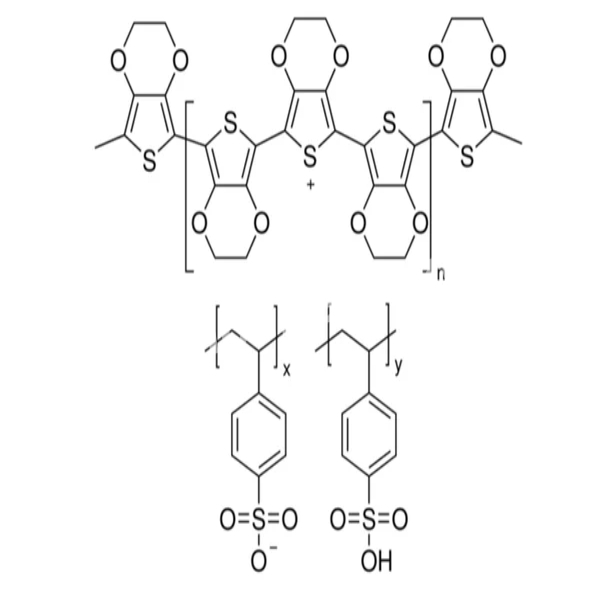
Aqueous Dispersion of PEDOT:PSS Conductive Polymer (Clevios P VP AI 4083) for Solar Cell and Electronics, OLED Grade

Price range: $150.00 through $403.00
Select options This product has multiple variants. The options may be chosen on the product page
Product Aqueous Dispersion of PEDOT:PSS Conductive Polymer (Clevios P VP AI 4083) for Solar Cell and Electronics, OLED Grade
CAS No. 155090-83-8
Appearance Dark blue aqueous liquid
Purity ≥99%,  ≥99.9%,  ≥95%(Other purities are also available)
APS 4–6µm (Size Can be customized),  Ask for other available size range.
Ingredient C₆H₄O₂S
Molecular Weight N/A
Melting Point N/A
Boiling Point N/A
Density 1.0–1.1 g/cm³
Product Codes NCZ-290I

Aqueous Dispersion of PEDOT:PSS Conductive Polymer (Clevios PH 1000) for Solar Cell and Electronics

Price range: $95.00 through $264.00
Select options This product has multiple variants. The options may be chosen on the product page
Product Aqueous Dispersion of PEDOT:PSS Conductive Polymer (Clevios PH 1000) for Solar Cell and Electronics
CAS No. 155090-83-8
Appearance Dark blue aqueous liquid
Purity ≥99%,  ≥99.9%,  ≥95%(Other purities are also available)
APS 30nm (Size Can be customized),  Ask for other available size range.
Ingredient (C8H7SO3Na)m​
Molecular Weight N/A
Melting Point N/A
Boiling Point N/A
Density 1.0–1.1 g/cm³
Product Codes NCZ-291I
 

Aqueous Dispersion of PEDT/PSS Conductive Polymer (Clevios P VP CH 8000), OLED Grade (Hole-injection Material)

Price range: $99.00 through $281.00
Select options This product has multiple variants. The options may be chosen on the product page
Product Aqueous Dispersion of PEDT/PSS Conductive Polymer (Clevios P VP CH 8000), OLED Grade (Hole-injection Material)
CAS No. 155090-83-8
Appearance Dark blue to blue-black
Purity ≥99%,  ≥99.9%,  ≥95%(Other purities are also available)
APS N/A
Ingredient (C8H7SO3Na)m​
Molecular Weight N/A
Melting Point N/A
Boiling Point N/A
Density 1.0–1.1 g/cm³
Product Codes NCZ-292I

Aqueous Suspension of Nanocrystalline Cellulose (NCC), 6%wt

Price range: $29.00 through $99.00
Select options This product has multiple variants. The options may be chosen on the product page
Please contact us for quotes on larger quantities !   Application Areas Aqueous suspensions of cellulose nanocrystals (CNC) and its related products in dilute aqueous suspensions may have tremendous importance for many emerging application areas. This product can be used in coatings both in paper manufacturing and UV shielding, cosmetics, flow modifications, food packaging film preparation, as food additive, in medicine in drug delivery mechanisms and as stabilizers, printed electronics and most recently in printing as photoelectric ink-jet and in 3d printing. Please Click for TDS   Technical Properties:  
Product form

Aqueous gel, 6 wt%

Color

White

Bulk density

0.68 g/cm3

Molecular formula

[(C6O5H10)22-28 SO3 Na]4-6

Specific surface area

420 m2/g

Molecular weight

14,700-27,850

Particle size (powder)

1-45 µm

Particle diameter (crystallite)

2.4-4.6 nm (by AFM)

Crystalline fraction

0.89 (by XRD)

Crystallite density

1.54 g/cm3

Sulfur content

0.84 %

Sulfate content

246-260 mmol/kg

pH (dispersed in water)

6-7

Hydrodynamic diameter

68 nm (byDLS)

Ionic strength

232-272 mmol/kg

Zeta potential

-38 mV

ARTIFICIAL ECCRINE PERSPIRATION

Price range: $95.00 through $525.00
Select options This product has multiple variants. The options may be chosen on the product page

Artificial Eccrine Perspiration

ARTIFICIAL SWEAT

Product Number: NCZ-APS-0011

Packaging: 100 mL to 1000 mL

Artificial Eccrine Perspiration we offer is a ready-to-use solution and is the closest mimic to true human eccrine sweat. It consists of nineteen amino acids, the seven most abundant minerals, and the four most abundant metabolites at a pH of 4.5. All concentrations closely match experimentally determined values for adult human eccrine sweat.

The stabilized solution is preserved with a fungicide and bactericide for two years of shelf life at room temperature. The non-stabilized product is kept frozen and has a shelf life of one year.

Note: Custom formulations at varying pH (2-9) can be made as either the stabilized or non- stabilized solutions.

The stabilized version has a preservative that prevents microbial growth and can then be stored at room temperature. The not stabilized version has no preservative and must be kept frozen until you intend to use it. You may need this version if you are testing a product that claims to prevent microbial growth or odor from perspiration. Our Artificial Eccrine Perspiration normally comes at pH 4.5, however, we can make it custom from pH 2.0 – 9.0.

Simulated Saliva Applications:

Makers of smartwatches, high-performance textiles, biosensors, heads-up displays, and fitness monitors all have one thing in common – the need to test their products for quality assurance. Personal electronics and wearable technology manufacturers perform sweat testing on materials including touch screens, watchbands, keyboards, eyeglasses, and any other product material or surface that would benefit from guaranteed reproducible results with artificial perspiration. By using artificial eccrine perspiration, our customers are able to save time and ensure the same repeatable results anywhere, anytime.

Contact us for Customization: sales@nanochemazone.com

Artificial Saliva

Price range: $95.00 through $525.00
Select options This product has multiple variants. The options may be chosen on the product page

Artificial Saliva

Product Number: NCZ-APS-0012

Packaging: 100 mL to 1000 mL

We provide several formulations of artificial saliva based on official testing methods as well as published scientific data. To increase the stability of some products during storage, several artificial saliva formulations come as 2-part formulations that need to be combined before use. Custom formulations to accommodate specific pH or ingredient requirements are also available upon request.

Simulated Saliva Applications:

For testing of products for corrosion, colorfastness, and discoloration

For testing biodegradability of dental metal alloys

To determine colorfastness of products intended to be taken into the mouth

ARTIFICIAL SALIVA FOR PHARMACEUTICAL RESEARCH

Artificial Saliva is formulated according to literature for pharmaceutical research such as studies of drug dissolution and drug delivery through the oral mucosa. This is ready to use formulation that should be stored refrigerated. The pH of the solution is 6.8.

ARTIFICIAL SALIVA FOR MEDICAL AND DENTAL RESEARCH

This Artificial Saliva is formulated according to literature references for medical and dental research. This formulation has a similar composition to commercially available products used to treat dry mouth and other conditions. This ready-to-use solution contains Sodium Carboxymethyl Cellulose to increase the viscosity of the solution and make it behave similarly to natural human saliva. This formulation can be stored at room temperature and has a pH of 6.8. This solution is only intended for product testing and research, and not for medical use.

pH and contents are customizable upon request.

Artificial Saliva is formulated to Test Products for Colorfastness and Biodegradability of Dental Metal Alloys

Contact us for Customization: sales@nanochemazone.com

ARTIFICIAL SEBUM

Price range: $375.00 through $1,875.00
Select options This product has multiple variants. The options may be chosen on the product page

Artificial Sebum Solution

SYNTHETIC SEBUM FORMULATION

Product Number: NCZ-APS-0012-20

Packaging: 100 mL to 1000 mL

NOTE: Custom pH formulations can be made in the pH range from 2.0 to 9.0. For custom component formulations please contact sales@nanochemazone.com for a quote.

Sebum stabilized solution is preserved with a fungicide and bactericide for two years of shelf life at room temperature. Artificial Sebum without stabilized known as non-stabilized sebum if this product is kept frozen and then it has a shelf life of one year.

Note: Custom formulations at varying pH (2-9) can be made as either the stabilized or non- stabilized solutions.

Artificial Sebum stabilized version has a preservative that prevents microbial growth and can then be stored at room temperature. The not stabilized version has no preservative and must be kept frozen until you intend to use it. You may need this version if you are testing a product that claims to prevent microbial growth or odor from perspiration. Our Artificial Sebum normally comes at pH 4.5, however, we can make it custom from pH 2.0 – 9.0.

Artificial Sebum Applications:

Sebum is an oily secretion produced by sebaceous glands, which spreads over the hair and skin for waterproofing purposes. Nanochemazone manufactures an artificial sebum formulation according to ASTM designation D4265-14 or D4265-98. It is ready-to-use and provides the reliability, reproducibility, and convenience needed for testing. This formulation can be used according to AATCC Standard Test Method 130-2010 for evaluating the efficacy of home laundry products and conditions to remove stains from fabric.

Contact us for Customization: sales@nanochemazone.com

ARTIFICIAL SWEAT

Price range: $95.00 through $525.00
Select options This product has multiple variants. The options may be chosen on the product page

Artificial Sweat/Eccrine Perspiration

ARTIFICIAL SWEAT/SYNTHETIC SWEAT

Product Number: NCZ-APS-0011-20

Packaging: 100 mL to 1000 mL

NOTE: Custom pH formulations can be made in the pH range from 2.0 to 9.0. For custom component formulations please contact sales@nanochemazone.com for a quote.

Artificial Eccrine Perspiration we offer is a ready-to-use solution and is the closest mimic to true human eccrine sweat. It consists of nineteen amino acids, the seven most abundant minerals, and the four most abundant metabolites at a pH of 4.5. All concentrations closely match experimentally determined values for adult human eccrine sweat.

Artificial Sweat stabilized solution is preserved with a fungicide and bactericide for two years of shelf life at room temperature. The non-stabilized product is kept frozen and has a shelf life of one year.

Note: Custom formulations at varying pH (2-9) can be made as either the stabilized or non- stabilized solutions.

Artificial Eccrine Perspiration stabilized version has a preservative that prevents microbial growth and can then be stored at room temperature. The not stabilized version has no preservative and must be kept frozen until you intend to use it. You may need this version if you are testing a product that claims to prevent microbial growth or odor from perspiration. Our Artificial Eccrine Perspiration normally comes at pH 4.5, however, we can make it custom from pH 2.0 – 9.0.

Artificial Eccrine Perspiration Applications:

Makers of smartwatches, skin drug testing, pharmaceutical industries, high-performance textiles, biosensors, heads-up displays, and fitness monitors all have one thing in common – the need to test their products for quality assurance. Personal electronics and wearable technology manufacturers perform sweat testing on materials including touch screens, watchbands, keyboards, eyeglasses, and any other product material or surface that would benefit from guaranteed reproducible results with artificial perspiration. By using artificial eccrine perspiration, our customers are able to save time and ensure the same repeatable results anywhere, anytime.

Contact us for Customization: sales@nanochemazone.com

Artificial Urine

Price range: $95.00 through $525.00
Select options This product has multiple variants. The options may be chosen on the product page

Artificial Urine

Product Number: NCZ-APS-0014

Packaging: 100 mL to 1000 mL (Also available in 25 Litre Containers)

Artificial Urine for Corrosion Testing of Urological Implants, Stabilize

Artificial is designed for testing metallic biomaterials used to produce urological implants and catheters. This convenient product is a ready-to-use solution. Artificial Urine formulation contains a non-toxic preservatives to avoid bacteria growth and can be stored at room temperature. The pH of the final solution is 6.0.

Sodium Chloride 6.773 g/LSodium Phosphate Monobasic, Dihydrate 1.33 g/LPotassium Chloride 6.065 g/LCalcium Chloride Dihydrate 0.883 g/LSodium Citrate Dihydrate 0.584 g/L Sodium Phosphate Dibasic 0.435 g/LSodium Sulfate 2.431 g/LMagnesium Sulfate, Heptahydrate 0.731 g/LAmmonium Chloride 2.322 g/LPro-Clean 0.3 mL/L
Artificial Urine FOR TESTING STERILE URETHRAL CATHETERS Artificial specifies the method to test sterile urethral catheters. This ready-to-use solution should be stored frozen to avoid bacteria growth. The pH of the solution is 6.6.
The pH of the solution 6.6 /- 0.1Urea  25.0 g/LSodium Chloride 9.0 g/LDisodium Hydrogen Orthophosphate, anhydrous 2.5 g/L Potassium Dihydrogen Orthophosphate 2.5 g/LAmmonium Chloride 3.0 g/LCreatinine 2.0 g/LSodium Sulphite, hydrated 3.0 g/L
Medium for Growing Urological Pathogens This ready-to-use solution closely resembles the composition of human urine and can be used for clinical studies as well as for product testing. This formulation supports growth of wide range of urinary pathogens and it is also capable of forming crystals similar to those found in natural urinary tract infections. It can be used as negative controls in laboratory testing. pH of the Artificial Urine Medium is 6.5. This product is stored frozen. Artificial Urine Stabilized This ready-to-use solution has the same composition as Artificial Urine Medium and closely resembles human urine. This formulation contains non-toxic preservative to avoid bacteria growth and can be stored at room temperature. The pH of Artificial Urine Stabilized is 6.5. Contact us for Customization: sales@nanochemazone.com We accept customization in the pH range and composition of Simulated Urine.

AZ91 Magnesium Alloy Powder, Purity: 99.95%, Size: 325 mesh

Price range: $10.00 through $439.00
Select options This product has multiple variants. The options may be chosen on the product page
5 grams/9 € 25 grams/29 €                        
100 grams/68 €                     
500 grams/235 €                    
1000 grams/390 € Please contact us for quotes on larger quantities !!!

AZ91 Magnesium Alloy Powder

Purity: 99.95%, Size: 325 mesh

 Magnesium Micro Powder can be used for preparation of pressed and bonded sputtering targets and in Chemical Vapor Deposition  Magnesium Micro Powder 325 mesh can be used for Physical Vapor Deposition  Magnesium Micro Powder 99.95%can be used for processes including Thermal and Electron Beam Evaporation  Magnesium Micro Powder 325 mesh 99.95% can be used for Low Temperature Organic Evaporation,  Magnesium Micro Particles can be used for Atomic Layer Deposition  Magnesium Micro Particles 325 mesh can be used for Metallic-Organic and Chemical Vapor Deposition  Magnesium Micro Particles 325 mesh 99.95% are also useful in any application where high surface areas are desired such as water treatment and in fuel cell and solar applications  Magnesium micro particles/micron powder also produce very high surface areas.  

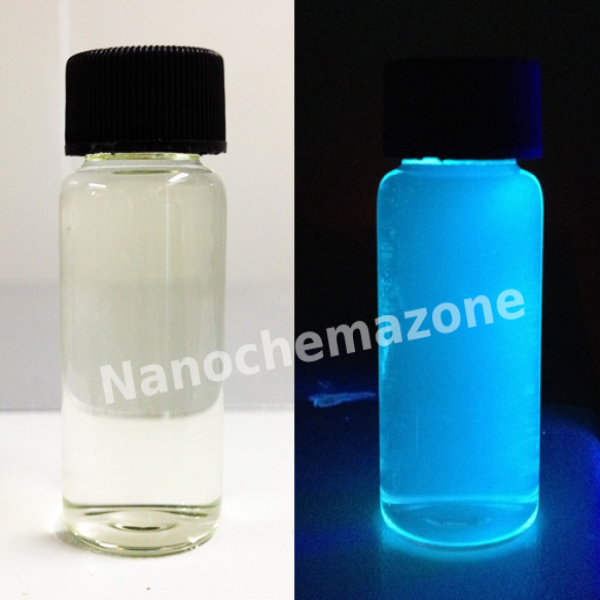
B-doped Graphene Quantum Dots Solution (Blue Fluorescence)

Price range: $264.00 through $459.00
Select options This product has multiple variants. The options may be chosen on the product page
Product B-doped Graphene Quantum Dots Solution (Blue Fluorescence)
CAS No. 1034343-98-0
Appearance Clear to pale yellow or light brown
Purity ≥99%,  ≥99.9%,  ≥95%(Other purities are also available)
APS 4–6nm (Size Can be customized),  Ask for other available size range.
Ingredient B20C980​
Molecular Weight 12.01 g/mol
Melting Point N/A
Boiling Point N/A
Density 1.0–1.1 g/cm³
Product Codes NCZ-293I
 

Barium (Ba) Micron Powder, Purity: 99.9+%, Size: 325 mesh

Price range: $14.00 through $844.00
Select options This product has multiple variants. The options may be chosen on the product page
5 grams/13 € 25 grams/46 €                      
100 grams/114 €                    
500 grams/435 €                   
1000 grams/745 € Please contact us for quotes on larger quantities !!!

Barium (Ba) Micron Powder

Purity: 99.9+%, Size: 325 mesh

Barium (Ba) Sputtering Target

Price range: $478.00 through $1,182.00
Select options This product has multiple variants. The options may be chosen on the product page

Product 

Barium (Ba) Sputtering Target

CAS No.

7440-39-3

Appearance

Powder

Purity

≥99%,  ≥99.9%,  ≥95%

(Other purities are also available)

APS

 NA (Size Can be customized), Ask for other available size ranges.

Ingredient

N/A

Molecular Weight

137.33 g/mol

Melting Point

727 °C

Boiling Point

1,840 °C

Density

3.62 g/cm³

Product Codes

NCZ-1346K

Barium (Ba) Sputtering Targets, Purity: 99.5%, Size: 1”, Thickness: 0.125”

$217.00

Applications of Sputtering Targets;

Film deposition is accomplished using sputtering targets. A technique for sputtering thin films is called "deposition made by sputter targets," which entails eroding material from a "target" source onto a "substrate" like a silicon wafer. Etching of the target is done using semiconductor sputtering targets. When selectivity is not an issue and a high degree of etching anisotropy is required, sputter etching is the method of choice. By removing the target material through etching, sputter targets are also utilized for investigation. In secondary ion spectroscopy (SIMS), one example is when the target material is sputtered at a steady pace. Mass spectrometry is used to quantify the concentration and identity of spewed atoms as the target is sputtered. With the sputtering target's assistance, the

It is possible to identify the target material and even detect incredibly tiny impurity amounts.

There is also an application area for sputtering targets in space. One type of space weathering that alters the chemical and physical characteristics of airless worlds like the Moon and asteroids is sputtering.

A Block S, Group 2, Period 6 element with an atomic weight of 137.27, barium has the atomic symbol Ba and atomic number 56. One of the alkaline-earth metals is barium. Electronics can be plated using barium sputtering targets. Barium has favorable electrical characteristics.

Barium (Ba) Sputtering Targets, Purity: 99.5%, Size: 1”, Thickness: 0.125”

$247.00

Product 

Barium (Ba) Sputtering Targets, Purity: 99.5%, Size: 1'', Thickness: 0.125''

CAS No.

7440-39-3

Appearance

Powder

Purity

≥99%,  ≥99.9%,  ≥95%

(Other purities are also available)

APS

N/A (Size Can be customized), Ask for other available size ranges.

Ingredient

N/A

Molecular Weight

137.327 g/mol

Melting Point

 727 °C

Boiling Point

 1845 °C

Density

 3.51 g/cm³

Product Codes

NCZ-2493K

Barium (Ba) Sputtering Targets, Purity: 99.5%, Size: 1”, Thickness: 0.250′

$217.00

Applications of Sputtering Targets;

Film deposition is accomplished using sputtering targets. A technique for sputtering thin films is called "deposition made by sputter targets," which entails eroding material from a "target" source onto a "substrate" like a silicon wafer. Etching of the target is done using semiconductor sputtering targets. When selectivity is not an issue and a high degree of etching anisotropy is required, sputter etching is the method of choice. By removing the target material through etching, sputter targets are also utilized for investigation. In secondary ion spectroscopy (SIMS), one example is when the target material is sputtered at a steady pace. When the target shatters,

Mass spectrometry measures the concentration and identity of sputtered atoms. The target material's composition may be ascertained and even very low concentrations of contaminants can be found with the aid of the sputtering target.

There is also an application area for sputtering targets in space. One type of space weathering that alters the chemical and physical characteristics of airless worlds like the Moon and asteroids is sputtering.

A Block S, Group 2, Period 6 element with an atomic weight of 137.27, barium has the atomic symbol Ba and atomic number 56. One of the alkaline-earth metals is barium. Electronics can be plated using barium sputtering targets. Barium has favorable electrical characteristics.

Barium (Ba) Sputtering Targets, Purity: 99.5%, Size: 1”, Thickness: 0.250”

$247.00

Product 

Barium (Ba) Sputtering Targets, Purity: 99.5%, Size: 1'', Thickness: 0.250''

CAS No.

7440-39-3

Appearance

Powder

Purity

≥99%,  ≥99.9%,  ≥95%

(Other purities are also available)

APS

N/A (Size Can be customized), Ask for other available size ranges.

Ingredient

N/A

Molecular Weight

137.327 g/mol

Melting Point

 727 °C

Boiling Point

 1845 °C

Density

 3.51 g/cm³

Product Codes

NCZ-2492K

Barium (Ba) Sputtering Targets, Purity: 99.5%, Size: 2”, Thickness: 0.125”

$292.00

Applications of Sputtering Targets;

Film deposition is accomplished using sputtering targets. A technique for sputtering thin films is called "deposition made by sputter targets," which entails eroding material from a "target" source onto a "substrate" like a silicon wafer. Etching of the target is done using semiconductor sputtering targets. When selectivity is not an issue and a high degree of etching anisotropy is required, sputter etching is the method of choice. By removing the target material through etching, sputter targets are also utilized for investigation. In secondary ion spectroscopy (SIMS), one example is when the target material is sputtered at a steady pace. Mass spectrometry is used to quantify the concentration and identity of spewed atoms as the target is sputtered. With the sputtering target's assistance, the

It is possible to identify the target material and even detect incredibly tiny impurity amounts.

There is also an application area for sputtering targets in space. One type of space weathering that alters the chemical and physical characteristics of airless worlds like the Moon and asteroids is sputtering.

A Block S, Group 2, Period 6 element with an atomic weight of 137.27, barium has the atomic symbol Ba and atomic number 56. One of the alkaline-earth metals is barium. Electronics can be plated using barium sputtering targets. Barium is beneficial for sputtering applications because of its good electrical characteristics. Barium sputtering targets can be utilized for semiconductors. Barium for flat panel screens

Barium (Ba) Sputtering Targets, Purity: 99.5%, Size: 2”, Thickness: 0.125”

$335.00

Product 

Barium (Ba) Sputtering Targets, Purity: 99.5%, Size: 2'', Thickness: 0.125''

CAS No.

7440-39-3

Appearance

Powder

Purity

≥99%,  ≥99.9%,  ≥95%

(Other purities are also available)

APS

N/A (Size Can be customized), Ask for other available size ranges.

Ingredient

N/A

Molecular Weight

137.327 g/mol

Melting Point

 727 °C

Boiling Point

 1845 °C

Density

 3.51 g/cm³

Product Codes

NCZ-2491K

Barium (Ba) Sputtering Targets, Purity: 99.5%, Size: 2”, Thickness: 0.250”

$292.00

Applications of Sputtering Targets;

Film deposition is accomplished using sputtering targets. A technique for sputtering thin films is called "deposition made by sputter targets," which entails eroding material from a "target" source onto a "substrate" like a silicon wafer. Etching of the target is done using semiconductor sputtering targets. When selectivity is not an issue and a high degree of etching anisotropy is required, sputter etching is the method of choice. By removing the target material through etching, sputter targets are also utilized for investigation. In secondary ion spectroscopy (SIMS), one example is when the target material is sputtered at a steady pace. Mass spectrometry is used to quantify the concentration and identity of spewed atoms as the target is sputtered. With the sputtering target's assistance, theFilm deposition is accomplished using sputtering targets. A technique for sputtering thin films is called "deposition made by sputter targets," which entails eroding material from a "target" source onto a "substrate" like a silicon wafer. Etching of the target is done using semiconductor sputtering targets. When selectivity is not an issue and a high degree of etching anisotropy is required, sputter etching is the method of choice. By removing the target material through etching, sputter targets are also utilized for investigation. In secondary ion spectroscopy (SIMS), one example is when the target material is sputtered at a steady pace. Mass spectrometry is used to quantify the concentration and identity of spewed atoms as the target is sputtered. With the sputtering target's assistance, theFilm deposition is accomplished using sputtering targets. A technique for sputtering thin films is called "deposition made by sputter targets," which entails eroding material from a "target" source onto a "substrate" like a silicon wafer. Etching of the target is done using semiconductor sputtering targets. When selectivity is not an issue and a high degree of etching anisotropy is required, sputter etching is the method of choice. By removing the target material through etching, sputter targets are also utilized for investigation. In secondary ion spectroscopy (SIMS), one example is when the target material is sputtered at a steady pace. Mass spectrometry is used to quantify the concentration and identity of spewed atoms as the target is sputtered. With the sputtering target's assistance, theFilm deposition is accomplished using sputtering targets. A technique for sputtering thin films is called "deposition made by sputter targets," which entails eroding material from a "target" source onto a "substrate" like a silicon wafer. Etching of the target is done using semiconductor sputtering targets. When selectivity is not an issue and a high degree of etching anisotropy is required, sputter etching is the method of choice. By removing the target material through etching, sputter targets are also utilized for investigation. In secondary ion spectroscopy (SIMS), one example is when the target material is sputtered at a steady pace. Mass spectrometry is used to quantify the concentration and identity of spewed atoms as the target is sputtered. With the sputtering target's assistance, theFilm deposition is accomplished using sputtering targets. A technique for sputtering thin films is called "deposition made by sputter targets," which entails eroding material from a "target" source onto a "substrate" like a silicon wafer. Etching of the target is done using semiconductor sputtering targets. When selectivity is not an issue and a high degree of etching anisotropy is required, sputter etching is the method of choice. By removing the target material through etching, sputter targets are also utilized for investigation. In secondary ion spectroscopy (SIMS), one example is when the target material is sputtered at a steady pace. Mass spectrometry is used to quantify the concentration and identity of spewed atoms as the target is sputtered. With the sputtering target's assistance, theFilm deposition is accomplished using sputtering targets. A technique for sputtering thin films is called "deposition made by sputter targets," which entails eroding material from a "target" source onto a "substrate" like a silicon wafer. Etching of the target is done using semiconductor sputtering targets. When selectivity is not an issue and a high degree of etching anisotropy is required, sputter etching is the method of choice. By removing the target material through etching, sputter targets are also utilized for investigation. In secondary ion spectroscopy (SIMS), one example is when the target material is sputtered at a steady pace. Mass spectrometry is used to quantify the concentration and identity of spewed atoms as the target is sputtered. With the sputtering target's assistance, theFilm deposition is accomplished using sputtering targets. A technique for sputtering thin films is called "deposition made by sputter targets," which entails eroding material from a "target" source onto a "substrate" like a silicon wafer. Etching of the target is done using semiconductor sputtering targets. When selectivity is not an issue and a high degree of etching anisotropy is required, sputter etching is the method of choice. By removing the target material through etching, sputter targets are also utilized for investigation. In secondary ion spectroscopy (SIMS), one example is when the target material is sputtered at a steady pace. Mass spectrometry is used to quantify the concentration and identity of spewed atoms as the target is sputtered. With the sputtering target's assistance, theFilm deposition is accomplished using sputtering targets. A technique for sputtering thin films is called "deposition made by sputter targets," which entails eroding material from a "target" source onto a "substrate" like a silicon wafer. Etching of the target is done using semiconductor sputtering targets. When selectivity is not an issue and a high degree of etching anisotropy is required, sputter etching is the method of choice. By removing the target material through etching, sputter targets are also utilized for investigation. In secondary ion spectroscopy (SIMS), one example is when the target material is sputtered at a steady pace. Mass spectrometry is used to quantify the concentration and identity of spewed atoms as the target is sputtered. With the sputtering target's assistance, theFilm deposition is accomplished using sputtering targets. A technique for sputtering thin films is called "deposition made by sputter targets," which entails eroding material from a "target" source onto a "substrate" like a silicon wafer. Etching of the target is done using semiconductor sputtering targets. When selectivity is not an issue and a high degree of etching anisotropy is required, sputter etching is the method of choice. By removing the target material through etching, sputter targets are also utilized for investigation. In secondary ion spectroscopy (SIMS), one example is when the target material is sputtered at a steady pace. Mass spectrometry is used to quantify the concentration and identity of spewed atoms as the target is sputtered. With the sputtering target's assistance, theFilm deposition is accomplished using sputtering targets. A technique for sputtering thin films is called "deposition made by sputter targets," which entails eroding material from a "target" source onto a "substrate" like a silicon wafer. Etching of the target is done using semiconductor sputtering targets. When selectivity is not an issue and a high degree of etching anisotropy is required, sputter etching is the method of choice. By removing the target material through etching, sputter targets are also utilized for investigation. In secondary ion spectroscopy (SIMS), one example is when the target material is sputtered at a steady pace. Mass spectrometry is used to quantify the concentration and identity of spewed atoms as the target is sputtered. With the sputtering target's assistance, theFilm deposition is accomplished using sputtering targets. A technique for sputtering thin films is called "deposition made by sputter targets," which entails eroding material from a "target" source onto a "substrate" like a silicon wafer. Etching of the target is done using semiconductor sputtering targets. When selectivity is not an issue and a high degree of etching anisotropy is required, sputter etching is the method of choice. By removing the target material through etching, sputter targets are also utilized for investigation. In secondary ion spectroscopy (SIMS), one example is when the target material is sputtered at a steady pace. Mass spectrometry is used to quantify the concentration and identity of spewed atoms as the target is sputtered. With the sputtering target's assistance, theFilm deposition is accomplished using sputtering targets. A technique for sputtering thin films is called "deposition made by sputter targets," which entails eroding material from a "target" source onto a "substrate" like a silicon wafer. Etching of the target is done using semiconductor sputtering targets. When selectivity is not an issue and a high degree of etching anisotropy is required, sputter etching is the method of choice. By removing the target material through etching, sputter targets are also utilized for investigation. In secondary ion spectroscopy (SIMS), one example is when the target material is sputtered at a steady pace. Mass spectrometry is used to quantify the concentration and identity of spewed atoms as the target is sputtered. With the sputtering target's assistance, theFilm deposition is accomplished using sputtering targets. A technique for sputtering thin films is called "deposition made by sputter targets," which entails eroding material from a "target" source onto a "substrate" like a silicon wafer. Etching of the target is done using semiconductor sputtering targets. When selectivity is not an issue and a high degree of etching anisotropy is required, sputter etching is the method of choice. By removing the target material through etching, sputter targets are also utilized for investigation. In secondary ion spectroscopy (SIMS), one example is when the target material is sputtered at a steady pace. Mass spectrometry is used to quantify the concentration and identity of spewed atoms as the target is sputtered. With the sputtering target's assistance, the

It is possible to identify the target material and even detect incredibly tiny impurity amounts.

There is also an application area for sputtering targets in space. One type of space weathering that alters the chemical and physical characteristics of airless worlds like the Moon and asteroids is sputtering.

A Block S, Group 2, Period 6 element with an atomic weight of 137.27, barium has the atomic symbol Ba and atomic number 56. One of the alkaline-earth metals is barium. Electronics can be plated using barium sputtering targets. Barium has favorable electrical characteristics.

Barium (Ba) Sputtering Targets, Purity: 99.5%, Size: 2”, Thickness: 0.250”

$335.00

Product 

Barium (Ba) Sputtering Targets, Purity: 99.5%, Size: 2'', Thickness: 0.250''

CAS No.

7440-39-3

Appearance

Powder

Purity

≥99%,  ≥99.9%,  ≥95%

(Other purities are also available)

APS

N/A (Size Can be customized), Ask for other available size ranges.

Ingredient

N/A

Molecular Weight

137.327 g/mol

Melting Point

 727 °C

Boiling Point

 1845 °C

Density

 3.51 g/cm³

Product Codes

NCZ-2490K

Barium (Ba) Sputtering Targets, Purity: 99.5%, Size: 3”, Thickness: 0.125”

$435.00

Applications of Sputtering Targets;

Film deposition is accomplished using sputtering targets. A technique for sputtering thin films is called "deposition made by sputter targets," which entails eroding material from a "target" source onto a "substrate" like a silicon wafer. Etching of the target is done using semiconductor sputtering targets. When selectivity is not an issue and a high degree of etching anisotropy is required, sputter etching is the method of choice. By removing the target material through etching, sputter targets are also utilized for investigation. In secondary ion spectroscopy (SIMS), one example is when the target material is sputtered at a steady pace. When the target shatters,

Mass spectrometry measures the concentration and identity of sputtered atoms. The target material's composition may be ascertained and even very low concentrations of contaminants can be found with the aid of the sputtering target.

There is also an application area for sputtering targets in space. One type of space weathering that alters the chemical and physical characteristics of airless worlds like the Moon and asteroids is sputtering.

A Block S, Group 2, Period 6 element with an atomic weight of 137.27, barium has the atomic symbol Ba and atomic number 56. Barium is a mineral that an alkaline-earth metal member. Electronics can be plated using barium sputtering targets. Barium is beneficial for sputtering applications because of its good electrical characteristics. Barium sputtering targets can be utilized for semiconductors. Barium sputtering targets will work well for flat panel displays. Barium can be combined with other metals, such as titanium and strontium, to create alloys with more specialized qualities.

Barium (Ba) Sputtering Targets, Purity: 99.5%, Size: 3”, Thickness: 0.125”

$501.00

Product 

Barium (Ba) Sputtering Targets, Purity: 99.5%, Size: 3'', Thickness: 0.125''

CAS No.

7440-39-3

Appearance

Powder

Purity

≥99%,  ≥99.9%,  ≥95%

(Other purities are also available)

APS

N/A (Size Can be customized), Ask for other available size ranges.

Ingredient

N/A

Molecular Weight

137.33 g/mol

Melting Point

727 °C

Boiling Point

1897 °C

Density

~3.51 – 3.62 g/cm³

Product Codes

NCZ-2489K

Barium (Ba) Sputtering Targets, Purity: 99.5%, Size: 3”, Thickness: 0.250”

$435.00

Applications of Sputtering Targets;

Film deposition is accomplished using sputtering targets. A technique for sputtering thin films is called "deposition made by sputter targets," which entails eroding material from a "target" source onto a "substrate" like a silicon wafer. Etching of the target is done using semiconductor sputtering targets. When selectivity is not an issue and a high degree of etching anisotropy is required, sputter etching is the method of choice. By removing the target material through etching, sputter targets are also utilized for investigation. In secondary ion spectroscopy (SIMS), one example is when the target material is sputtered at a steady pace. Mass spectrometry is used to quantify the concentration and identity of spewed atoms as the target is sputtered. With the sputtering target's assistance, the

It is possible to identify the target material and even detect incredibly tiny impurity amounts.

There is also an application area for sputtering targets in space. One type of space weathering that alters the chemical and physical characteristics of airless worlds like the Moon and asteroids is sputtering.

A Block S, Group 2, Period 6 element with an atomic weight of 137.27, barium has the atomic symbol Ba and atomic number 56. One of the alkaline-earth metals is barium. Electronics can be plated using barium sputtering targets. Barium has favorable electrical characteristics.

Barium (Ba) Sputtering Targets, Purity: 99.5%, Size: 3”, Thickness: 0.250”

$501.00

Product 

Barium (Ba) Sputtering Targets, Purity: 99.5%, Size: 3'', Thickness: 0.250''

CAS No.

7440-39-3

Appearance

Powder

Purity

≥99%,  ≥99.9%,  ≥95%

(Other purities are also available)

APS

N/A (Size Can be customized), Ask for other available size ranges.

Ingredient

N/A

Molecular Weight

137.33 g/mol

Melting Point

727 °C

Boiling Point

1897 °C

Density

~3.51 – 3.62 g/cm³

Product Codes

NCZ-2488K

Barium (Ba) Sputtering Targets, Purity: 99.5%, Size: 4”, Thickness: 0.125”

$735.00

Applications of Sputtering Targets;

Film deposition is accomplished using sputtering targets. A technique for sputtering thin films is called "deposition made by sputter targets," which entails eroding material from a "target" source onto a "substrate" like a silicon wafer. Etching of the target is done using semiconductor sputtering targets. When selectivity is not an issue and a high degree of etching anisotropy is required, sputter etching is the method of choice. By removing the target material through etching, sputter targets are also utilized for investigation. In secondary ion spectroscopy (SIMS), one example is when the target material is sputtered at a steady pace. Mass spectrometry is used to quantify the concentration and identity of spewed atoms as the target is sputtered. With the sputtering target's assistance, the

It is possible to identify the target material and even detect incredibly tiny impurity amounts.

There is also an application area for sputtering targets in space. One type of space weathering that alters the chemical and physical characteristics of airless worlds like the Moon and asteroids is sputtering.

A Block S, Group 2, Period 6 element with an atomic weight of 137.27, barium has the atomic symbol Ba and atomic number 56. One of the alkaline-earth metals is barium. Electronics can be plated using barium sputtering targets. Barium is beneficial for sputtering applications because of its good electrical characteristics. Barium sputtering targets can be utilized for semiconductors. Barium for flat panel screens

Barium (Ba) Sputtering Targets, Purity: 99.5%, Size: 4”, Thickness: 0.125”

$851.00

Product 

Barium (Ba) Sputtering Targets, Purity: 99.5%, Size: 4'', Thickness: 0.125''

CAS No.

7440-39-3

Appearance

Powder

Purity

≥99%,  ≥99.9%,  ≥95%

(Other purities are also available)

APS

N/A (Size Can be customized), Ask for other available size ranges.

Ingredient

N/A

Molecular Weight

137.33 g/mol

Melting Point

727 °C

Boiling Point

1897 °C

Density

3.62 g/cm³ (solid at room temp)

Product Codes

NCZ-2487K

Barium (Ba) Sputtering Targets, Purity: 99.5%, Size: 4”, Thickness: 0.250”

$735.00

Applications of Sputtering Targets;

Film deposition is accomplished using sputtering targets. A technique for sputtering thin films is called "deposition made by sputter targets," which entails eroding material from a "target" source onto a "substrate" like a silicon wafer. Etching of the target is done using semiconductor sputtering targets. When selectivity is not an issue and a high degree of etching anisotropy is required, sputter etching is the method of choice. By removing the target material through etching, sputter targets are also utilized for investigation. In secondary ion spectroscopy (SIMS), one example is when the target material is sputtered at a steady pace. When the target shatters,

Mass spectrometry measures the concentration and identity of sputtered atoms. The target material's composition may be ascertained and even very low concentrations of contaminants can be found with the aid of the sputtering target.

There is also an application area for sputtering targets in space. One type of space weathering that alters the chemical and physical characteristics of airless worlds like the Moon and asteroids is sputtering.

A Block S, Group 2, Period 6 element with an atomic weight of 137.27, barium has the atomic symbol Ba and atomic number 56. Barium is a mineral that  an alkaline-earth metal member. Electronics can be plated using barium sputtering targets. Barium is beneficial for sputtering applications because of its good electrical characteristics. Barium sputtering targets can be utilized for semiconductors. Barium sputtering targets will work well for flat panel displays. Barium can be combined with other metals, such as titanium and strontium, to create alloys with more specialized qualities.
Barium (Ba) Sputtering Targets, Purity: 99.5%, Size: 4”, Thickness: 0.250”

$851.00

Product 

Barium (Ba) Sputtering Targets, Purity: 99.5%, Size: 4'', Thickness: 0.250''

CAS No.

7440-39-3

Appearance

Powder

Purity

≥99%,  ≥99.9%,  ≥95%

(Other purities are also available)

APS

N/A (Size Can be customized), Ask for other available size ranges.

Ingredient

N/A

Molecular Weight

137.33 g/mol

Melting Point

727 °C

Boiling Point

1897 °C

Density

3.62 g/cm³ (solid at room temp)

Product Codes

NCZ-2486K

Barium ACAC

Price range: $24.00 through $118.00
Select options This product has multiple variants. The options may be chosen on the product page
Product Barium ACAC
CAS No. 12084-29-6
Appearance White to off-white
Purity ≥99%,  ≥99.9%,  ≥95%(Other purities are also available)
APS N/A
Ingredient Ba(C₅H₇O₂)₂
Molecular Weight 335.5 g/mol
Melting Point 320 °C
Boiling Point N/A
Density N/A
Product Codes NCZ-259R

Barium acetate, 99.999%

Price range: $26.00 through $160.00
Select options This product has multiple variants. The options may be chosen on the product page
Product Barium acetate, 99.999%
CAS No. 543-80-6
Appearance White crystalline
Purity ≥99%,  ≥99.9%,  ≥95%(Other purities are also available)
APS N/A
Ingredient Sb₂S₃
Molecular Weight 255.42 g/mol
Melting Point 450 °C
Boiling Point N/A
Density 2.46 g/cm³
Product Codes NCZ-119R
 

Barium bromide hydrate, 99.999%

Price range: $30.00 through $177.00
Select options This product has multiple variants. The options may be chosen on the product page
Product Barium bromide hydrate, 99.999%
CAS No. 10031-25-1
Appearance White to off-white crystalline
Purity ≥99%,  ≥99.9%,  ≥95%(Other purities are also available)
APS N/A
Ingredient BaBr₂·xH₂O
Molecular Weight 255.42 g/mol
Melting Point 450 °C
Boiling Point N/A
Density 4.78 g/cm³
Product Codes NCZ-120R

Barium Carbonate (BaCO3) 99.999% 5N High Purity Powder

$281.00
Select options This product has multiple variants. The options may be chosen on the product page
Product Barium Carbonate (BaCO3) 99.999% 5N High Purity Powder
CAS No. 513-77-9
Appearance White or crystalline granules
Purity ≥99%,  ≥99.9%,  ≥95%(Other purities are also available)
APS 40–60µm (Size Can be customized),  Ask for other available size range.
Ingredient BaCO3
Molecular Weight 197.34 g/mol
Melting Point N/A
Boiling Point N/A
Density 4.286 g/cm³
Product Codes NCZ-294I

Barium Carbonate (BaCO3) Nanopowder/Nanoparticles, Purity: 99.98%, Size: 780 nm

Price range: $27.00 through $280.00
Select options This product has multiple variants. The options may be chosen on the product page
5 grams/24 € 
25 grams/39 € 100 grams/59 €
500 grams/133 €  1000 grams/248 € 
                      
Please contact us for quotes on larger quantities !!!

Barium Carbonate (BaCO3) Nanopowder/Nanoparticles

Purity: 99.98%, Size: 780 nm

Technical Properties:

Purity (%) 99.8
Average Particle Size (nm) 780
Elemental Analysis SrCO3 CaCI3 MgCO3 Fe2O3 Na2O K2O Cl- SO4+ Moisture
<0.1% <0.03% <0.01% <0.002% <0.01% <0.01% <0.01% <0.01% <0.1%

Applications:

Barium Carbonate nanoparticle is used in the field of catalysis.

Barium carbonate, 99.997%

Price range: $29.00 through $135.00
Select options This product has multiple variants. The options may be chosen on the product page
Product Barium carbonate, 99.997%
CAS No. 513-77-9
Appearance White, odorless crystalline
Purity ≥99%,  ≥99.9%,  ≥95%(Other purities are also available)
APS N/A
Ingredient BaCO₃
Molecular Weight 197.34 g/mol
Melting Point N/A
Boiling Point N/A
Density 4.43 g/cm³
Product Codes NCZ-121R
 

Barium chloride hydrate, 99.999%

Price range: $16.00 through $84.00
Select options This product has multiple variants. The options may be chosen on the product page
Product Barium chloride hydrate, 99.999%
CAS No. 10326-27-9
Appearance White crystalline
Purity ≥99%,  ≥99.9%,  ≥95%(Other purities are also available)
APS N/A
Ingredient BaCl₂·2H₂O
Molecular Weight 244.26 g/mol
Melting Point 113°C
Boiling Point N/A
Density 3.86 g/cm³
Product Codes NCZ-123R
 

Barium chloride, anhydrous, 99.999%

Price range: $23.00 through $113.00
Select options This product has multiple variants. The options may be chosen on the product page
Product Barium chloride, anhydrous, 99.999%
CAS No. N/A
Appearance White to colorless crystalline
Purity ≥99%,  ≥99.9%,  ≥95%(Other purities are also available)
APS N/A
Ingredient BaCl₂
Molecular Weight 208.23 g/mol
Melting Point N/A
Boiling Point N/A
Density N/A
Product Codes NCZ-122R

Barium Fluoride (BaF2) Sputtering Targets, Purity: 99.99%, Size: 2”, Thickness: 0.125”

$660.00

Applications of Sputtering Targets;

Film deposition is accomplished using sputtering targets. A technique for sputtering thin films is called "deposition made by sputter targets," which entails eroding material from a "target" source onto a "substrate" like a silicon wafer. Etching of the target is done using semiconductor sputtering targets. When selectivity is not an issue and a high degree of etching anisotropy is required, sputter etching is the method of choice. By removing the target material through etching, sputter targets are also utilized for investigation. In secondary ion spectroscopy (SIMS), one example is when the target material is sputtered at a steady pace.

Barium Fluoride (BaF2) Sputtering Targets, Purity: 99.99%, Size: 2”, Thickness: 0.125”

$766.00

Product 

Barium Fluoride (BaF2) Sputtering Targets, Purity: 99.99%, Size: 2'', Thickness: 0.125''

CAS No.

7787-32-8

Appearance

Powder

Purity

≥99%,  ≥99.9%,  ≥95%

(Other purities are also available)

APS

BaF₂ (Size Can be customized), Ask for other available size ranges.

Ingredient

N/A

Molecular Weight

175.32 g/mol

Melting Point

~1368 °C

Boiling Point

~2260 °C

Density

~4.89 g/cm³

Product Codes

NCZ-1409K

Barium Fluoride (BaF2) Sputtering Targets, Purity: 99.99%, Size: 2”, Thickness: 0.250”

$727.00

Applications of Sputtering Targets;

Film deposition is accomplished using sputtering targets. A technique for sputtering thin films is called "deposition made by sputter targets," which entails eroding material from a "target" source onto a "substrate" like a silicon wafer. Etching of the target is done using semiconductor sputtering targets. When selectivity is not an issue and a high degree of etching anisotropy is required, sputter etching is the method of choice. By removing the target material through etching, sputter targets are also utilized for investigation. In secondary ion spectroscopy (SIMS), one example is when the target material is sputtered at a steady pace. Mass spectrometry is used to quantify the concentration and identity of spewed atoms as the target is sputtered. With the sputtering target's assistance, the

It is possible to identify the target material and even detect incredibly tiny impurity amounts.

There is also an application area for sputtering targets in space. One type of space weathering that alters the chemical and physical characteristics of airless worlds like the Moon and asteroids is sputtering.

A chemical compound consisting of barium and fluorine, barium fluoride (BaF2) is a salt. It is a solid that has the potential to be a clear crystal. One chemical compound for the 10–20 µm wavelength infrared area is barium fluoride. Enamel, glazing frits, and aluminum metallurgy all use barium fluoride.

Barium Fluoride (BaF2) Sputtering Targets, Purity: 99.99%, Size: 2”, Thickness: 0.250”

$844.00

Product 

Barium Fluoride (BaF2) Sputtering Targets, Purity: 99.99%, Size: 2'', Thickness: 0.250''

CAS No.

7787‑32‑8

Appearance

Powder

Purity

≥99%,  ≥99.9%,  ≥95%

(Other purities are also available)

APS

BaF₂ (Size Can be customized), Ask for other available size ranges.

Ingredient

N/A

Molecular Weight

175.32 g/mol

Melting Point

~1368–1390 °C

Boiling Point

~2260 °C

Density

~4.89–4.9 g/cm³

Product Codes

NCZ-1401K

Barium Fluoride (BaF2) Sputtering Targets, Purity: 99.99%, Size: 3”, Thickness: 0.125”

$1,162.00

Applications of Sputtering Targets;

Film deposition is accomplished using sputtering targets. A technique for sputtering thin films is called "deposition made by sputter targets," which entails eroding material from a "target" source onto a "substrate" like a silicon wafer. Etching of the target is done using semiconductor sputtering targets. When selectivity is not an issue and a high degree of etching anisotropy is required, sputter etching is the method of choice. By removing the target material through etching, sputter targets are also utilized for investigation. In secondary ion spectroscopy (SIMS), one example is when the target material is sputtered at a steady pace. When the target shatters,

Mass spectrometry measures the concentration and identity of sputtered atoms. The target material's composition may be ascertained and even very low concentrations of contaminants can be found with the aid of the sputtering target.

There is also an application area for sputtering targets in space. One type of space weathering that alters the chemical and physical characteristics of airless worlds like the Moon and asteroids is sputtering.

A chemical compound consisting of barium and fluorine, barium fluoride (BaF2) is a salt. It is a solid that has the potential to be a clear crystal. A is barium fluoride.

Barium Fluoride (BaF2) Sputtering Targets, Purity: 99.99%, Size: 3”, Thickness: 0.125”

$1,348.00

Product 

Barium Fluoride (BaF2) Sputtering Targets, Purity: 99.99%, Size: 3'', Thickness: 0.125''

CAS No.

 7787-32-8

Appearance

Powder

Purity

≥99%,  ≥99.9%,  ≥95%

(Other purities are also available)

APS

< 5 µm (Size Can be customized), Ask for other available size ranges.

Ingredient

N/A

Molecular Weight

175.32 g/mol

Melting Point

 1,368 °C

Boiling Point

2,260 °C

Density

 4.89 g/cm³

Product Codes

NCZ-2485K

Barium Fluoride (BaF2) Sputtering Targets, Purity: 99.99%, Size: 3”, Thickness: 0.250”

$1,162.00

Applications of Sputtering Targets;

Film deposition is accomplished using sputtering targets. A technique for sputtering thin films is called "deposition made by sputter targets," which entails eroding material from a "target" source onto a "substrate" like a silicon wafer. Etching of the target is done using semiconductor sputtering targets. When selectivity is not an issue and a high degree of etching anisotropy is required, sputter etching is the method of choice. By removing the target material through etching, sputter targets are also utilized for investigation. In secondary ion spectroscopy (SIMS), one example is when the target material is sputtered at a steady pace. Mass spectrometry is used to quantify the concentration and identity of spewed atoms as the target is sputtered. With the sputtering target's assistance, the It is possible to identify the target material and even detect incredibly tiny impurity amounts. There is also an application area for sputtering targets in space. One type of space weathering that alters the chemical and physical characteristics of airless worlds like the Moon and asteroids is sputtering. A chemical compound consisting of barium and fluorine, barium fluoride (BaF2) is a salt. It is a solid that has the potential to be a clear crystal. One chemical compound for the 10–20 µm wavelength infrared area is barium fluoride. Enamel, glazing frits, and aluminum metallurgy all use barium fluoride.

Barium Fluoride (BaF2) Sputtering Targets, Purity: 99.99%, Size: 3”, Thickness: 0.250”

$1,348.00

Product 

Barium Fluoride (BaF2) Sputtering Targets, Purity: 99.99%, Size: 3'', Thickness: 0.250''

CAS No.

 7787-32-8

Appearance

Powder

Purity

≥99%,  ≥99.9%,  ≥95%

(Other purities are also available)

APS

< 5 µm (Size Can be customized), Ask for other available size ranges.

Ingredient

N/A

Molecular Weight

175.32 g/mol

Melting Point

 1,368 °C

Boiling Point

2,260 °C

Density

 4.89 g/cm³

Product Codes

NCZ-2484K

Barium Fluoride (BaF2) Sputtering Targets, Purity: 99.99%, Size: 4”, Thickness: 0.125”

$1,380.00

Applications of Sputtering Targets;

Film deposition is accomplished using sputtering targets. A technique for sputtering thin films is called "deposition made by sputter targets," which entails eroding material from a "target" source onto a "substrate" like a silicon wafer. Etching of the target is done using semiconductor sputtering targets. When selectivity is not an issue and a high degree of etching anisotropy is required, sputter etching is the method of choice. By removing the target material through etching, sputter targets are also utilized for investigation. In secondary ion spectroscopy (SIMS), one example is when the target material is sputtered at a steady pace. Mass spectrometry is used to quantify the concentration and identity of spewed atoms as the target is sputtered. With the sputtering target's assistance, the

It is possible to identify the target material and even detect incredibly tiny impurity amounts.

There is also an application area for sputtering targets in space. One type of space weathering that alters the chemical and physical characteristics of airless worlds like the Moon and asteroids is sputtering.

A chemical compound consisting of barium and fluorine, barium fluoride (BaF2) is a salt. It is a solid that has the potential to be a clear crystal. One chemical compound for the 10–20 µm wavelength infrared area is barium fluoride. Enamel, glazing frits, and aluminum metallurgy all use barium fluoride.

Barium Fluoride (BaF2) Sputtering Targets, Purity: 99.99%, Size: 4”, Thickness: 0.125”

$1,602.00

Product 

Barium Fluoride (BaF2) Sputtering Targets, Purity: 99.99%, Size: 4'', Thickness: 0.125''

CAS No.

 7787-32-8

Appearance

Powder

Purity

≥99%,  ≥99.9%,  ≥95%

(Other purities are also available)

APS

< 5 µm (Size Can be customized), Ask for other available size ranges.

Ingredient

N/A

Molecular Weight

175.32 g/mol

Melting Point

 1,368 °C

Boiling Point

2,260 °C

Density

 4.89 g/cm³

Product Codes

NCZ-2483K

Barium Fluoride (BaF2) Sputtering Targets, Purity: 99.99%, Size: 4”, Thickness: 0.250”

$1,380.00

Applications of Sputtering Targets;

Film deposition is accomplished using sputtering targets. A technique for sputtering thin films is called "deposition made by sputter targets," which entails eroding material from a "target" source onto a "substrate" like a silicon wafer. Etching of the target is done using semiconductor sputtering targets. When selectivity is not an issue and a high degree of etching anisotropy is required, sputter etching is the method of choice. By removing the target material through etching, sputter targets are also utilized for investigation. In secondary ion spectroscopy (SIMS), one example is when the target material is sputtered at a steady pace. When the target shatters,

Mass spectrometry measures the concentration and identity of sputtered atoms. The target material's composition may be ascertained and even very low concentrations of contaminants can be found with the aid of the sputtering target.

There is also an application area for sputtering targets in space. One type of space weathering that alters the chemical and physical characteristics of airless worlds like the Moon and asteroids is sputtering.

A chemical compound consisting of barium and fluorine, barium fluoride (BaF2) is a salt. It is a solid that has the potential to be a clear crystal. A is barium fluoride.

Barium Fluoride (BaF2) Sputtering Targets, Purity: 99.99%, Size: 4”, Thickness: 0.250”

$1,602.00

Product 

Barium Fluoride (BaF2) Sputtering Targets, Purity: 99.99%, Size: 4'', Thickness: 0.250''

CAS No.

 7787-32-8

Appearance

Powder

Purity

≥99%,  ≥99.9%,  ≥95%

(Other purities are also available)

APS

< 5 µm (Size Can be customized), Ask for other available size ranges.

Ingredient

N/A

Molecular Weight

175.32 g/mol

Melting Point

 1,368 °C

Boiling Point

2,260 °C

Density

 4.89 g/cm³

Product Codes

NCZ-2482K

Barium Fluoride (BaF2) Sputtering Targets, Purity: 99.99%, Size: 5”, Thickness: 0.125”

$1,777.00

Product 

Barium Fluoride (BaF2) Sputtering Targets, Purity: 99.99%, Size: 5'', Thickness: 0.125''

CAS No.

 7787-32-8

Appearance

Powder

Purity

≥99%,  ≥99.9%,  ≥95%

(Other purities are also available)

APS

< 5 µm (Size Can be customized), Ask for other available size ranges.

Ingredient

N/A

Molecular Weight

175.32 g/mol

Melting Point

 1,368 °C

Boiling Point

2,260 °C

Density

 4.89 g/cm³

Product Codes

NCZ-2481K