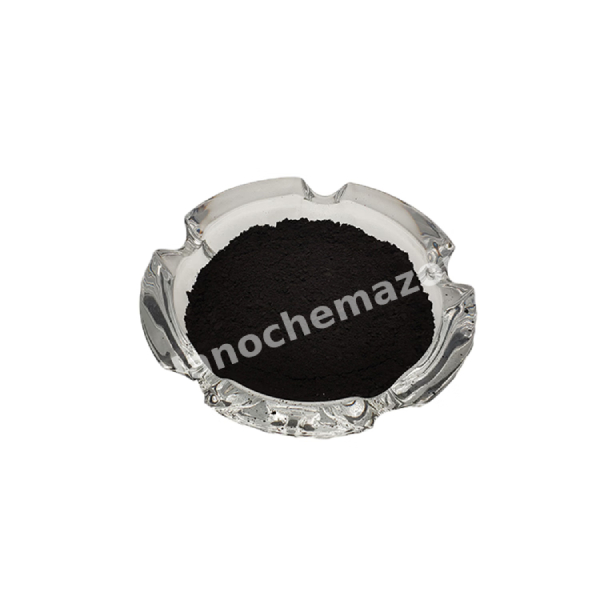
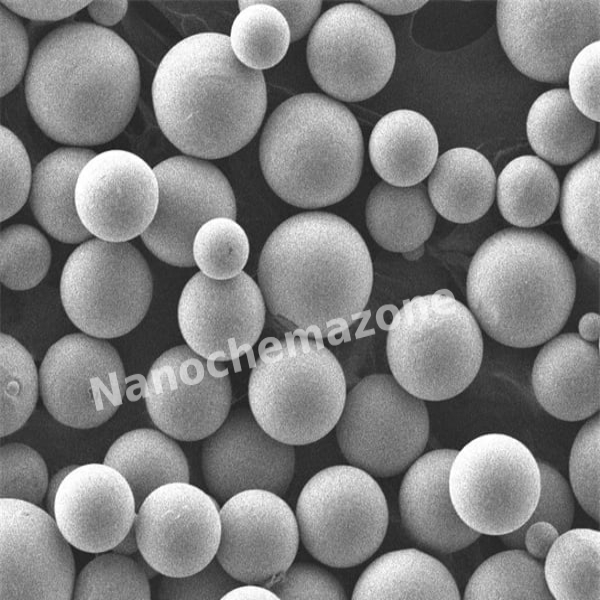
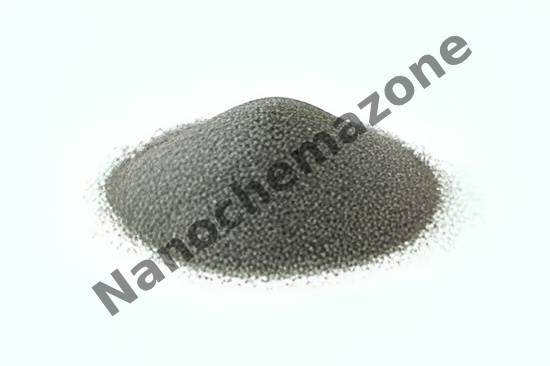
TiNbZrSn Alloy Powder

Product TiNbZrSn Alloy Powder
CAS No. N/A
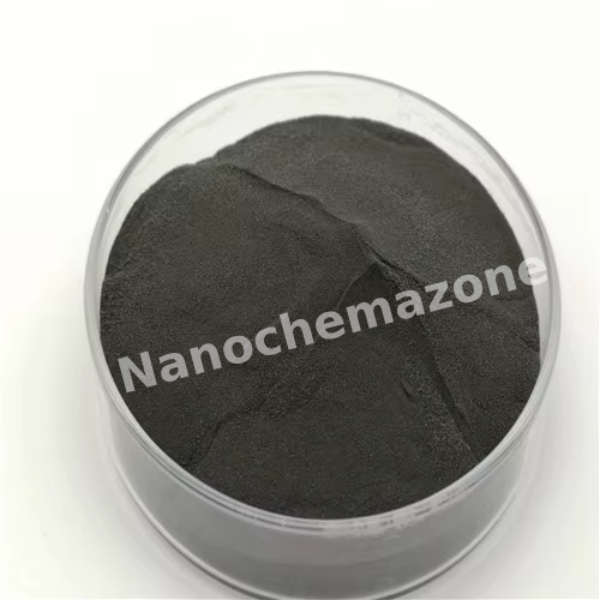
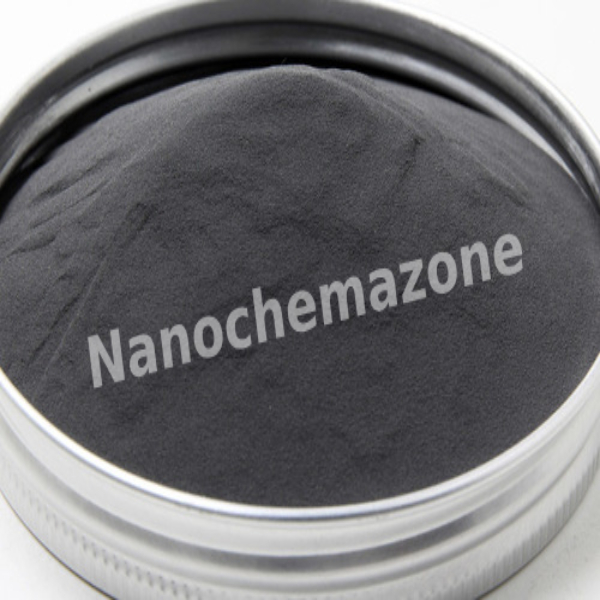
Appearance Metallic gray powder
Purity ≥99%,  ≥99.9%,  ≥95%(Other purities are also available)
APS 15–45 µm (Size Can be customized),  Ask for other available size range.
Ingredient TiNbZrSn
Molecular Weight N/A
Melting Point 1600–1700 °C
Boiling Point N/A
Density 5.5 g/cm³
Product Codes NCZ-187M

Titanate Molecular Sieve (TS-1) Powder, 100-300 nm

Price range: $407.00 through $1,089.00
Select options This product has multiple variants. The options may be chosen on the product page
Product Titanate Molecular Sieve (TS-1) Powder, 100-300 nm
CAS No. 1318-02-1
Appearance Dry, white
Purity ≥99%,  ≥99.9%,  ≥95%(Other purities are also available)
APS 100-300nm (Size Can be customized),  Ask for other available size range.
Ingredient Ti–SiO₂
Molecular Weight 60.08 g/mol
Melting Point N/A
Boiling Point N/A
Density 1.9–2.3 g/cm³
Product Codes NCZ-566I
 

Titanate Nanotubes Powder, 1g/bottle

$319.00
Product Titanate Nanotubes Powder, 1g/bottle
CAS No. 12031-82-2
Appearance Fine, white/off-white
Purity ≥99%,  ≥99.9%,  ≥95%(Other purities are also available)
APS 10–20nm (Size Can be customized),  Ask for other available size range.
Ingredient H₂Ti₃O₇
Molecular Weight 242.52 g/mol
Melting Point N/A
Boiling Point N/A
Density 3.12–3.16 g/cm³
Product Codes NCZ-567I

Titanium (III) Oxide (Ti2O3) 99.99% 4N Powder

Price range: $143.00 through $1,393.00
Select options This product has multiple variants. The options may be chosen on the product page
Product Titanium (III) Oxide (Ti2O3) 99.99% 4N Powder
CAS No. 1344-54-3
Appearance Violet-black
Purity ≥99%,  ≥99.9%,  ≥95%(Other purities are also available)
APS 5µm (Size Can be customized),  Ask for other available size range.
Ingredient Ti2O3
Molecular Weight 143.73–143.76 g/mol
Melting Point N/A
Boiling Point N/A
Density 4.49–4.6 g/cm³
Product Codes NCZ-568I
 

Titanium (IV) Dioxide (TiO2) Anatase 99.8% 2N8 Nano Powder 50 nm

Price range: $183.00 through $315.00
Select options This product has multiple variants. The options may be chosen on the product page
Product Titanium (IV) Dioxide (TiO2) Anatase 99.8% 2N8 Nano Powder 50 nm
CAS No. 13463-67-7
Appearance White fine
Purity ≥99%,  ≥99.9%,  ≥95%(Other purities are also available)
APS 50nm (Size Can be customized),  Ask for other available size range.
Ingredient TiO2
Molecular Weight 79.87 g/mol
Melting Point N/A
Boiling Point N/A
Density 3.9–4.1 g/cm³
Product Codes NCZ-569I

Titanium (IV) Dioxide (TiO2) Rutile 99.99% 4N Nano Powder 50 nm

Price range: $205.00 through $975.00
Select options This product has multiple variants. The options may be chosen on the product page
Product Titanium (IV) Dioxide (TiO2) Rutile 99.99% 4N Nano Powder 50 nm
CAS No. 13463-67-7
Appearance White fine
Purity ≥99%,  ≥99.9%,  ≥95%(Other purities are also available)
APS 50nm (Size Can be customized),  Ask for other available size range.
Ingredient TiO2
Molecular Weight 79.87 g/mol
Melting Point N/A
Boiling Point N/A
Density 4.23 g/cm³
Product Codes NCZ-570I
 

Titanium (IV) ethoxide, 99.999%

Price range: $35.00 through $159.00
Select options This product has multiple variants. The options may be chosen on the product page
Product Titanium (IV) ethoxide, 99.999%
CAS No. 3087-36-3
Appearance Colorless liquid
Purity ≥99%,  ≥99.9%,  ≥95%(Other purities are also available)
APS N/A
Ingredient Ti(OC₂H₅)₄
Molecular Weight 228.11 g/mol
Melting Point 49–51 °C
Boiling Point N/A
Density N/A
Product Codes NCZ-184R

Titanium (IV) isopropoxide, 99.999%

Price range: $27.00 through $128.00
Select options This product has multiple variants. The options may be chosen on the product page
Product Titanium (IV) isopropoxide, 99.999%
CAS No. 546-68-9
Appearance Colorless to pale-yellow
Purity ≥99%,  ≥99.9%,  ≥95%(Other purities are also available)
APS N/A
Ingredient Ti(OC₃H₇)₄
Molecular Weight 284.22 g/mol
Melting Point 45–46 °C
Boiling Point 232 °C
Density N/A
Product Codes NCZ-185R
 

Titanium (IV) methoxide, 99.999%

Price range: $22.00 through $109.00
Select options This product has multiple variants. The options may be chosen on the product page
Product Titanium (IV) methoxide, 99.999%
CAS No. 992-92-7
Appearance White crystalline
Purity ≥99%,  ≥99.9%,  ≥95%(Other purities are also available)
APS N/A
Ingredient Ti(OCH₃)₄
Molecular Weight 172.00 g/mol
Melting Point 200–210 °C
Boiling Point 232 °C
Density N/A
Product Codes NCZ-186R
 

Titanium (Ti) Nanopowder/Nanoparticles, Purity: 99.95%, Size: 25-45 nm, Metal Basis

$510.76
Select options This product has multiple variants. The options may be chosen on the product page
Titanium (Ti) Nanopowder/Nanoparticles Purity: 99.95%, Size: 25-45 nm, Metal Basis Technical Properties: True Density (g/cm3) 4,5 Shape spherical Average Particle Size

Titanium (Ti) Nanopowder/Nanoparticles, Purity: 99.95%, Size: 65 nm, Metal Basis

$89.67
Select options This product has multiple variants. The options may be chosen on the product page
Titanium (Ti) Nanopowder/Nanoparticles Purity: 99.95%, Size: 65 nm, Metal Basis Technical Properties: True Density (g/cm3) 4,5 Shape spherical Average Particle

Titanium (Ti) Sputtering Target

Price range: $164.00 through $504.00
Select options This product has multiple variants. The options may be chosen on the product page

Product 

Titanium (Ti) Sputtering Target

CAS No.

7440-32-6

Appearance

Powder

Purity

≥99%,  ≥99.9%,  ≥95%

(Other purities are also available)

APS

 NA (Size Can be customized), Ask for other available size ranges.

Ingredient

N/A

Molecular Weight

 47.87 g/mol

Melting Point

1,668 °C

Boiling Point

 3,287 °C

Density

4.506 g/cm³

Product Codes

NCZ-1363K

Titanium Alloy Micron Powders, CPTi, 10-25 µm, Spherical

Price range: $95.00 through $4,610.00
Select options This product has multiple variants. The options may be chosen on the product page

Application areas:

  • 3D Printing: Titanium is the strongest and the lightest material for 3d printing at the same time. It is used in the process called Direct Metal Laser Sintering (DMLS)
  • High tech fields: Space exploration, aeronautics, and medical field
  • Petrochemical
  • Shipbuilding
  • Automotive
  • Pharmaceutical
  • Manufacturing prostheses
  • Direct metal deposition
  • Binder jetting 3d printer technologies
  • Powder bed fusion
The most outstanding usages of 3D metal printing involve powder beds, streams of gas-propelled powder jets or wire for feedstock, lasers and electron beams as the energy sources, and precision automation equipment for digitally directing the energy source, the feedstock, or both along the material/energy deposition pathways. The composition of titanium alloy TC4 material is Ti-6Al-4V, and has good comprehensive mechanical and mechanical properties.

Titanium Alloy Micron Powders, CPTi, 15-35 µm, Spherical

Price range: $85.00 through $4,425.00
Select options This product has multiple variants. The options may be chosen on the product page

Application areas:

  • 3D Printing: Titanium is the strongest and the lightest material for 3d printing at the same time. It is used in the process called Direct Metal Laser Sintering (DMLS)
  • High tech fields: Space exploration, aeronautics, and medical field
  • Petrochemical
  • Shipbuilding
  • Automotive
  • Pharmaceutical
  • Manufacturing prostheses
  • Direct metal deposition
  • Binder jetting 3d printer technologies
  • Powder bed fusion
The most outstanding usages of 3D metal printing involve powder beds, streams of gas-propelled powder jets or wire for feedstock, lasers and electron beams as the energy sources, and precision automation equipment for digitally directing the energy source, the feedstock, or both along the material/energy deposition pathways. The composition of titanium alloy TC4 material is Ti-6Al-4V, and has good comprehensive mechanical and mechanical properties.

Titanium Alloy Micron Powders, CPTi, 25-50 µm, Spherical

Price range: $83.00 through $4,225.00
Select options This product has multiple variants. The options may be chosen on the product page

Application areas:

  • 3D Printing: Titanium is the strongest and the lightest material for 3d printing at the same time. It is used in the process called Direct Metal Laser Sintering (DMLS)
  • High tech fields: Space exploration, aeronautics, and medical field
  • Petrochemical
  • Shipbuilding
  • Automotive
  • Pharmaceutical
  • Manufacturing prostheses
  • Direct metal deposition
  • Binder jetting 3d printer technologies
  • Powder bed fusion
The most outstanding usages of 3D metal printing involve powder beds, streams of gas-propelled powder jets or wire for feedstock, lasers and electron beams as the energy sources, and precision automation equipment for digitally directing the energy source, the feedstock, or both along the material/energy deposition pathways. The composition of titanium alloy TC4 material is Ti-6Al-4V, and has good comprehensive mechanical and mechanical properties.

Titanium Alloy Micron Powders, CPTi, 50-150 µm, Spherical

Price range: $80.00 through $4,119.00
Select options This product has multiple variants. The options may be chosen on the product page

Application areas:

  • 3D Printing: Titanium is the strongest and the lightest material for 3d printing at the same time. It is used in the process called Direct Metal Laser Sintering (DMLS)
  • High tech fields: Space exploration, aeronautics, and medical field
  • Petrochemical
  • Shipbuilding
  • Automotive
  • Pharmaceutical
  • Manufacturing prostheses
  • Direct metal deposition
  • Binder jetting 3d printer technologies
  • Powder bed fusion
The most outstanding usages of 3D metal printing involve powder beds, streams of gas-propelled powder jets or wire for feedstock, lasers and electron beams as the energy sources, and precision automation equipment for digitally directing the energy source, the feedstock, or both along the material/energy deposition pathways. The composition of titanium alloy TC4 material is Ti-6Al-4V, and has good comprehensive mechanical and mechanical properties.

Titanium aluminide TiAl Powder

Product Titanium aluminide TiAl Powder
CAS No. 12536-76-0
Appearance Gray or silvery powder
Purity ≥99%,  ≥99.9%,  ≥95%(Other purities are also available)
APS 15–45μm (Size Can be customized),  Ask for other available size range.
Ingredient TiAl
Molecular Weight 89.79 g/mol
Melting Point 1460–1500 °C 
Boiling Point N/A
Density 3.9–4.2 g/cm³
Product Codes NCZ-NFG-105A

Titanium aluminide: TiAl Ti-48Al-2Cr-2Nb

TiAl is a new class of aerospace alloys that offers an excellent strength-to-weight ratio as well as high chemical and thermal stability. Gamma titanium aluminide alloy has excellent mechanical properties as well as oxidation and corrosion resistance at elevated temperatures (over 600 degrees Celsius). TiAl is the latest class of materials competing with Nickel superalloys for the fabrication of aircraft engine parts such as low-pressure turbine (LPT) blades. Powder chemical composition may comply with standards: AMS7023 or equivalent standard

Typical values

PSD D10 D50 D90 Apparent density (ASTM B212) Flow rate (ASTM B213) Oxygen Content Technology application
45-150 µm 55 µm 83 µm 130 µm 2.20 g/cm3 32 s 0.05 w% EB-PBF

Various particle sizes are available upon request

TiAl powders are created at Nanochemazone using its proprietary plasma atomization process. The plasma atomization process has a high degree of controllability and uses plasma torches to transform the raw material or liquid metal stream into a powder.

Titanium Aluminum Carbide (Ti3AlC2) MAX Phase Micron-Powder

Price range: $119.00 through $823.00
Select options This product has multiple variants. The options may be chosen on the product page
Product Titanium Aluminum Carbide (Ti3AlC2) MAX Phase Micron-Powder
CAS No. 196506-01-1
Appearance Grey-black, flaky to granular
Purity ≥99%,  ≥99.9%,  ≥95%(Other purities are also available)
APS  8.6µm (Size Can be customized),  Ask for other available size range.
Ingredient Ti3AlC2
Molecular Weight 194.60 g/mol
Melting Point N/A
Boiling Point N/A
Density 4.2–4.3 g/cm³
Product Codes NCZ-571I

Titanium Aluminum Carbide Maxene Powder

$0.00

Titanium Aluminum Carbide Maxene Powder

Product Name: Titanium Aluminum Carbide Maxene Powder
Product Titanium Aluminum Carbide Maxene Powder
CAS No. 196506-01-1
Appearance Powder
Purity 99.9%
APS 1 – 5 Microns (Can be customized)
Ingredient Ti3AlC2
Product Code NCZ-AE-167

Description of Titanium Aluminum Carbide Maxene Powder:

There is a large family of ternary carbides (ternary is an adjective meaning 'composed of three') with the general formula Mn+1AXn, where n = 1–3, M denotes a transition metal, A is an element such as Aluminum or silicon, and X is either carbon or nitrogen. Researchers have termed these ductile and machine able ceramics MAX phases. MXenes, discovered in 2011, are ceramics that comprise one of the largest families of two-dimensional materials. MXenes are made from a bulk crystal called MAX. Unlike most 2D ceramics, MXenes have inherently good conductivity because they are molecular sheets made from the carbides and nitrides of transition metals like titanium. This gives them exciting potential in next-generation energy storage applications. Titanium Aluminum Carbide Maxene Powder of Application Maxenes and MXenes-based nanocomposites have been widely used in nano-adsorption, biosensors, ion sieving, catalysis, lithium-ion batteries, supercapacitors, lubrication, and many other fields.   RELATED INFORMATION Storage Conditions: Airtight sealed, avoid light and keep dry at room temperature. Please email us for the customization. Email: contact@nanochemazone.com

Titanium Aluminum Carbonitride (Ti3AlCN) MAX Phase Micron-Powder, 1-40um, 10g

$539.00
Product Titanium Aluminum Carbonitride (Ti3AlCN) MAX Phase Micron-Powder, 1-40um, 10g
CAS No. N/A
Appearance Dark grey to black
Purity ≥99%,  ≥99.9%,  ≥95%(Other purities are also available)
APS 1-40um (Size Can be customized),  Ask for other available size range.
Ingredient Ti3AlCN
Molecular Weight 196.60 g/mol
Melting Point N/A
Boiling Point N/A
Density N/A
Product Codes NCZ-572I
 

Titanium Aluminum Nitride (Ti2AlN) MAX Phase Micron-Powder, 10g

$370.00
Select options This product has multiple variants. The options may be chosen on the product page
Product Titanium Aluminum Nitride (Ti2AlN) MAX Phase Micron-Powder, 10g
CAS No. 12537-79-2
Appearance Gray to dark gray
Purity ≥99%,  ≥99.9%,  ≥95%(Other purities are also available)
APS 1-40µm (Size Can be customized),  Ask for other available size range.
Ingredient Ti2AlN
Molecular Weight 160.69 g/mol
Melting Point N/A
Boiling Point N/A
Density 4.28 g/cm³
Product Codes NCZ-573I

Titanium Aluminum Nitride (Ti4AlN3) MAX Phase Micron-Powder

Price range: $370.00 through $704.00
Select options This product has multiple variants. The options may be chosen on the product page
Product Titanium Aluminum Nitride (Ti4AlN3) MAX Phase Micron-Powder
CAS No. 60317-94-4
Appearance Dark gray to black
Purity ≥99%,  ≥99.9%,  ≥95%(Other purities are also available)
APS 1-40µm (Size Can be customized),  Ask for other available size range.
Ingredient Ti4AlN3
Molecular Weight 260.47 g/mol
Melting Point N/A
Boiling Point N/A
Density 4.74 g/cm³
Product Codes NCZ-574I
 

Titanium and Aluminum TA7 Powder

Product Titanium and Aluminum TA7 Powder
CAS No. N/A
Appearance Metallic gray fine powder
Purity ≥99%,  ≥99.9%,  ≥95%(Other purities are also available)
APS 15–45 µm (Size Can be customized),  Ask for other available size range.
Ingredient Ti-Al
Molecular Weight N/A
Melting Point 1460 °C
Boiling Point N/A
Density 3.7 – 4.0 g/cm³
Product Codes NCZ-188M
 

Titanium Boride (TiB2) Sputtering Targets, indium, Purity: 99.5%, Size: 2”, Thickness: 0.125”

$688.00

Applications of Sputtering Targets;

Film deposition is accomplished using sputtering targets. A technique for sputtering thin films is called "deposition made by sputter targets," which entails eroding material from a "target" source onto a "substrate" like a silicon wafer. Etching of the target is done using semiconductor sputtering targets. When selectivity is not an issue and a high degree of etching anisotropy is required, sputter etching is the method of choice. By removing the target material through etching, sputter targets are also utilized for investigation. In secondary ion spectroscopy (SIMS), one example is when the target material is sputtered at a steady pace. Mass spectrometry is used to quantify the concentration and identity of spewed atoms as the target is sputtered.

The target material's composition may be ascertained and even very low concentrations of contaminants can be found with the aid of the sputtering target.

There is also an application area for sputtering targets in space. One type of space weathering that alters the chemical and physical characteristics of airless worlds like the Moon and asteroids is sputtering.

Titanium Boride (TiB2) Sputtering Targets, indium, Purity: 99.5%, Size: 2”, Thickness: 0.125”

$795.00

Product 

Titanium Boride (TiB2) Sputtering Targets, indium, Purity: 99.5%, Size: 2'', Thickness: 0.125''

CAS No.

 12045-63-5

Appearance

Powder

Purity

≥99%,  ≥99.9%,  ≥95%

(Other purities are also available)

APS

N/A  (Size Can be customized), Ask for other available size ranges.

Ingredient

N/A

Molecular Weight

69.49 g/mol

Melting Point

 ~3225 °C

Boiling Point

N/A

Density

 4.52 g/cm³

Product Codes

NCZ-1614K

Titanium Boride (TiB2) Sputtering Targets, Purity: 99.5%, Size: 1”, Thickness: 0.250”

$324.00

Applications of Sputtering Targets;

Film deposition is accomplished using sputtering targets. A technique for sputtering thin films is called "deposition made by sputter targets," which entails eroding material from a "target" source onto a "substrate" like a silicon wafer. Etching of the target is done using semiconductor sputtering targets. When selectivity is not an issue and a high degree of etching anisotropy is required, sputter etching is the method of choice. By removing the target material through etching, sputter targets are also utilized for investigation. In secondary ion spectroscopy (SIMS), one example is when the target material is sputtered at a steady pace. Mass spectrometry is used to quantify the concentration and identity of spewed atoms as the target is sputtered.

The target material's composition may be ascertained and even very low concentrations of contaminants can be found with the aid of the sputtering target.

There is also an application area for sputtering targets in space. One type of space weathering that alters the chemical and physical characteristics of airless worlds like the Moon and asteroids is sputtering.

Titanium Boride (TiB2) Sputtering Targets, Purity: 99.5%, Size: 1”, Thickness: 0.250”

$371.00

Product 

Titanium Boride (TiB2) Sputtering Targets, Purity: 99.5%, Size: 1'', Thickness: 0.250''

CAS No.

 12045-63-5

Appearance

Powder

Purity

≥99%,  ≥99.9%,  ≥95%

(Other purities are also available)

APS

N/A  (Size Can be customized), Ask for other available size ranges.

Ingredient

N/A

Molecular Weight

69.49 g/mol

Melting Point

 ~3225 °C

Boiling Point

N/A

Density

 4.52 g/cm³

Product Codes

NCZ-1621K

Titanium Boride (TiB2) Sputtering Targets, Purity: 99.5%, Size: 2”, Thickness: 0.125”

$414.00

Applications of Sputtering Targets;

Film deposition is accomplished using sputtering targets. A technique for sputtering thin films is called "deposition made by sputter targets," which entails eroding material from a "target" source onto a "substrate" like a silicon wafer. Etching of the target is done using semiconductor sputtering targets. When selectivity is not an issue and a high degree of etching anisotropy is required, sputter etching is the method of choice. By removing the target material through etching, sputter targets are also utilized for investigation. In secondary ion spectroscopy (SIMS), one example is when the target material is sputtered at a steady pace. Mass spectrometry is used to quantify the concentration and identity of spewed atoms as the target is sputtered.

The target material's composition may be ascertained and even very low concentrations of contaminants can be found with the aid of the sputtering target.

There is also an application area for sputtering targets in space. One type of space weathering that alters the chemical and physical characteristics of airless worlds like the Moon and asteroids is sputtering.
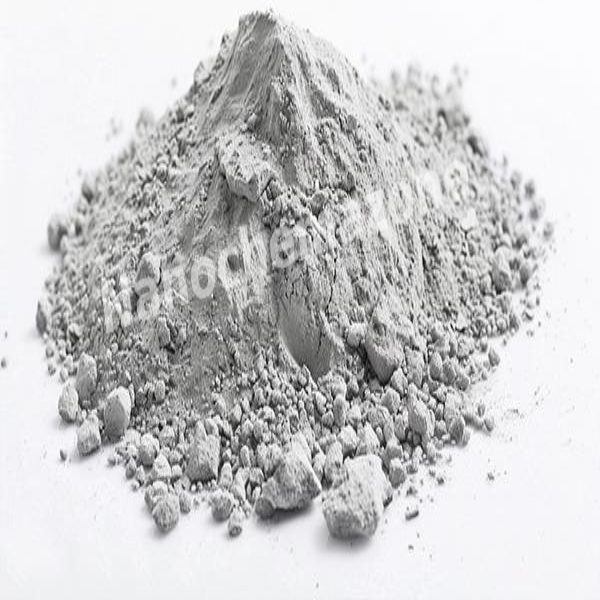
Titanium Boride (TiB2) Sputtering Targets, Purity: 99.5%, Size: 2”, Thickness: 0.125”

$476.00

Product 

Titanium Boride (TiB2) Sputtering Targets, Purity: 99.5%, Size: 2'', Thickness: 0.125''

CAS No.

 12045-63-5

Appearance

Powder

Purity

≥99%,  ≥99.9%,  ≥95%

(Other purities are also available)

APS

N/A  (Size Can be customized), Ask for other available size ranges.

Ingredient

N/A

Molecular Weight

69.49 g/mol

Melting Point

 ~3225 °C

Boiling Point

N/A

Density

 4.52 g/cm³

Product Codes

NCZ-1620K

Titanium Boride (TiB2) Sputtering Targets, Purity: 99.5%, Size: 2”, Thickness: 0.250”

$573.00

Applications of Sputtering Targets;

Film deposition is accomplished using sputtering targets. A technique for sputtering thin films is called "deposition made by sputter targets," which entails eroding material from a "target" source onto a "substrate" like a silicon wafer. Etching of the target is done using semiconductor sputtering targets. When selectivity is not an issue and a high degree of etching anisotropy is required, sputter etching is the method of choice. By removing the target material through etching, sputter targets are also utilized for investigation. In secondary ion spectroscopy (SIMS), one example is when the target material is sputtered at a steady pace. Mass spectrometry is used to quantify the concentration and identity of spewed atoms as the target is sputtered.

The target material's composition may be ascertained and even very low concentrations of contaminants can be found with the aid of the sputtering target.

There is also an application area for sputtering targets in space. One type of space weathering that alters the chemical and physical characteristics of airless worlds like the Moon and asteroids is sputtering.
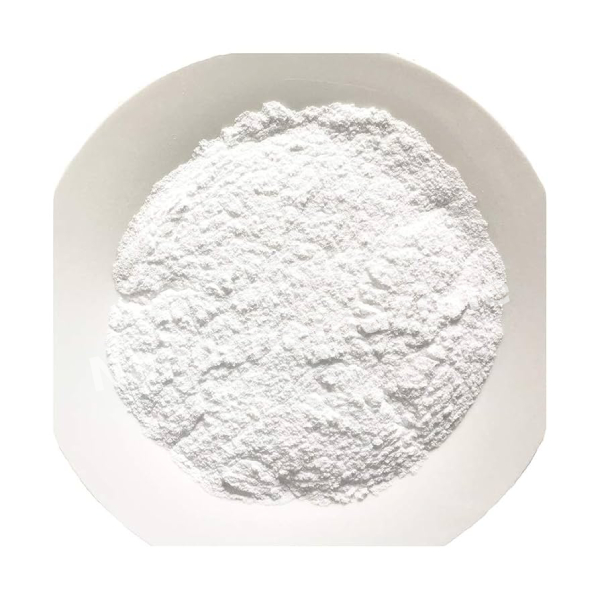
Titanium Boride (TiB2) Sputtering Targets, Purity: 99.5%, Size: 2”, Thickness: 0.250”

$661.00

Product 

Titanium Boride (TiB2) Sputtering Targets, Purity: 99.5%, Size: 2'', Thickness: 0.250''

CAS No.

 12045-63-5

Appearance

Powder

Purity

≥99%,  ≥99.9%,  ≥95%

(Other purities are also available)

APS

N/A  (Size Can be customized), Ask for other available size ranges.

Ingredient

N/A

Molecular Weight

69.49 g/mol

Melting Point

 ~3225 °C

Boiling Point

N/A

Density

 4.52 g/cm³

Product Codes

NCZ-1619K

Titanium Boride (TiB2) Sputtering Targets, Purity: 99.5%, Size: 3”, Thickness: 0.125”

$606.00

Applications of Sputtering Targets;

Film deposition is accomplished using sputtering targets. A technique for sputtering thin films is called "deposition made by sputter targets," which entails eroding material from a "target" source onto a "substrate" like a silicon wafer. Etching of the target is done using semiconductor sputtering targets. When selectivity is not an issue and a high degree of etching anisotropy is required, sputter etching is the method of choice. By removing the target material through etching, sputter targets are also utilized for investigation. In secondary ion spectroscopy (SIMS), one example is when the target material is sputtered at a steady pace. Mass spectrometry is used to quantify the concentration and identity of spewed atoms as the target is sputtered.

The target material's composition may be ascertained and even very low concentrations of contaminants can be found with the aid of the sputtering target.

There is also an application area for sputtering targets in space. One type of space weathering that alters the chemical and physical characteristics of airless worlds like the Moon and asteroids is sputtering.

Titanium Boride (TiB2) Sputtering Targets, Purity: 99.5%, Size: 3”, Thickness: 0.125”

$700.00

Product 

Titanium Boride (TiB2) Sputtering Targets, Purity: 99.5%, Size: 3'', Thickness: 0.125''

CAS No.

 12045-63-5

Appearance

Powder

Purity

≥99%,  ≥99.9%,  ≥95%

(Other purities are also available)

APS

N/A  (Size Can be customized), Ask for other available size ranges.

Ingredient

N/A

Molecular Weight

69.49 g/mol

Melting Point

 ~3225 °C

Boiling Point

N/A

Density

 4.52 g/cm³

Product Codes

NCZ-1618K

Titanium Boride (TiB2) Sputtering Targets, Purity: 99.5%, Size: 3”, Thickness: 0.250”

$582.00

Applications of Sputtering Targets;

Film deposition is accomplished using sputtering targets. A technique for sputtering thin films is called "deposition made by sputter targets," which entails eroding material from a "target" source onto a "substrate" like a silicon wafer. Etching of the target is done using semiconductor sputtering targets. When selectivity is not an issue and a high degree of etching anisotropy is required, sputter etching is the method of choice. By removing the target material through etching, sputter targets are also utilized for investigation. In secondary ion spectroscopy (SIMS), one example is when the target material is sputtered at a steady pace. Mass spectrometry is used to quantify the concentration and identity of spewed atoms as the target is sputtered.

The target material's composition may be ascertained and even very low concentrations of contaminants can be found with the aid of the sputtering target.

There is also an application area for sputtering targets in space. One type of space weathering that alters the chemical and physical characteristics of airless worlds like the Moon and asteroids is sputtering.
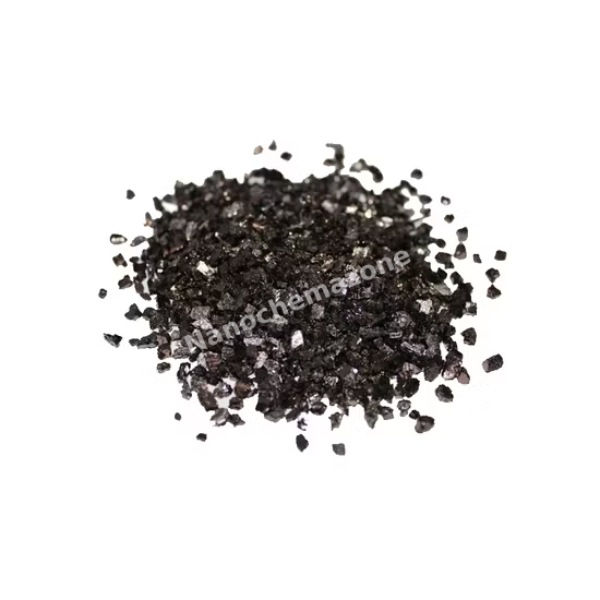
Titanium Boride (TiB2) Sputtering Targets, Purity: 99.5%, Size: 3”, Thickness: 0.250”

$672.00

Product 

Titanium Boride (TiB2) Sputtering Targets, Purity: 99.5%, Size: 3'', Thickness: 0.250''

CAS No.

 12045-63-5

Appearance

Powder

Purity

≥99%,  ≥99.9%,  ≥95%

(Other purities are also available)

APS

N/A  (Size Can be customized), Ask for other available size ranges.

Ingredient

N/A

Molecular Weight

69.49 g/mol

Melting Point

 ~3225 °C

Boiling Point

N/A

Density

 4.52 g/cm³

Product Codes

NCZ-1617K

Titanium Boride (TiB2) Sputtering Targets, Purity: 99.5%, Size: 4”, Thickness: 0.125”

$758.00

Applications of Sputtering Targets;

Film deposition is accomplished using sputtering targets. A technique for sputtering thin films is called "deposition made by sputter targets," which entails eroding material from a "target" source onto a "substrate" like a silicon wafer. Etching of the target is done using semiconductor sputtering targets. When selectivity is not an issue and a high degree of etching anisotropy is required, sputter etching is the method of choice. By removing the target material through etching, sputter targets are also utilized for investigation. In secondary ion spectroscopy (SIMS), one example is when the target material is sputtered at a steady pace. Mass spectrometry is used to quantify the concentration and identity of spewed atoms as the target is sputtered.

The target material's composition may be ascertained and even very low concentrations of contaminants can be found with the aid of the sputtering target.

There is also an application area for sputtering targets in space. One type of space weathering that alters the chemical and physical characteristics of airless worlds like the Moon and asteroids is sputtering.
Titanium Boride (TiB2) Sputtering Targets, Purity: 99.5%, Size: 4”, Thickness: 0.125”

$876.00

Product 

Titanium Boride (TiB2) Sputtering Targets, Purity: 99.5%, Size: 4'', Thickness: 0.125''

CAS No.

 12045-63-5

Appearance

Powder

Purity

≥99%,  ≥99.9%,  ≥95%

(Other purities are also available)

APS

N/A  (Size Can be customized), Ask for other available size ranges.

Ingredient

N/A

Molecular Weight

69.49 g/mol

Melting Point

 ~3225 °C

Boiling Point

N/A

Density

 4.52 g/cm³

Product Codes

NCZ-1616K

Titanium Boride (TiB2) Sputtering Targets, Purity: 99.5%, Size: 4”, Thickness: 0.250”

$744.00

Applications of Sputtering Targets;

Film deposition is accomplished using sputtering targets. A technique for sputtering thin films is called "deposition made by sputter targets," which entails eroding material from a "target" source onto a "substrate" like a silicon wafer. Etching of the target is done using semiconductor sputtering targets. When selectivity is not an issue and a high degree of etching anisotropy is required, sputter etching is the method of choice. By removing the target material through etching, sputter targets are also utilized for investigation. In secondary ion spectroscopy (SIMS), one example is when the target material is sputtered at a steady pace. Mass spectrometry is used to quantify the concentration and identity of spewed atoms as the target is sputtered.

The target material's composition may be ascertained and even very low concentrations of contaminants can be found with the aid of the sputtering target.

There is also an application area for sputtering targets in space. One type of space weathering that alters the chemical and physical characteristics of airless worlds like the Moon and asteroids is sputtering.
Titanium Boride (TiB2) Sputtering Targets, Purity: 99.5%, Size: 4”, Thickness: 0.250”

$860.00

Product 

Titanium Boride (TiB2) Sputtering Targets, Purity: 99.5%, Size: 4'', Thickness: 0.250''

CAS No.

 12045-63-5

Appearance

Powder

Purity

≥99%,  ≥99.9%,  ≥95%

(Other purities are also available)

APS

N/A  (Size Can be customized), Ask for other available size ranges.

Ingredient

N/A

Molecular Weight

69.49 g/mol

Melting Point

 ~3225 °C

Boiling Point

N/A

Density

 4.52 g/cm³

Product Codes

NCZ-1615K

Titanium Carbide (Ti2CTx) MXene Multilayer Nanoflakes

Price range: $195.00 through $1,536.00
Select options This product has multiple variants. The options may be chosen on the product page
Product Titanium Carbide (Ti2CTx) MXene Multilayer Nanoflakes
CAS No. 12363-89-2
Appearance Grey to black
Purity ≥99%,  ≥99.9%,  ≥95%(Other purities are also available)
APS 2–15µm (Size Can be customized),  Ask for other available size range.
Ingredient Ti2CTx
Molecular Weight 160.47 g/mol
Melting Point N/A
Boiling Point N/A
Density N/A
Product Codes NCZ-575I

Titanium carbide (Ti3C2) MXene freestanding thin films

$0.00

Product Name: Ti3C2 Titanium carbide freestanding thin films

Ti3C2 Mxene thin films

Product Titanium carbide (Ti3C2) freestanding thin films
Colour Black wafer
Thickness 5-10 µm
Diameter ≈45 mm
Product Code NCZ-MX-103

Titanium carbide (Ti3C2) MXene freestanding thin films APPLICATION FIELDS

Flexible electronic devices (sensors, capacitors), flexible batteries, etc. It also can be used to deposit other materials as composite materials and separation membranes for seawater separation.

Titanium carbide (Ti3C2) MXene freestanding thin films RELATED INFORMATION

Storage Conditions: Sealed, avoid light, Argon protection, and keep dry at room temperature. Expiry date: Three months. 

Titanium Carbide (TiC) Nanopowder/Nanoparticles, Purity: 99.5+%, Size: 35-55 nm, Cubic

Price range: $35.00 through $133.00
Select options This product has multiple variants. The options may be chosen on the product page
5 grams/31 € 25 grams/49 € 100 grams/118 €
Please contact us for quotes on larger quantities !!!

Titanium Carbide (TiC) Nanopowder/Nanoparticles

Purity: 99.5+%, Size: 35-55 nm, Cubic

Storage Condition:

Titanium carbide nanoparticles should be sealed in vacuum and stored in cool and dry room. It should not be exposure to air and avoid stress.

Applications:

Titanum carbide nanoparticles is used is used as additive and coating. It enhance conductive materials, plastics, and wear resistant when added. Its coating improve cutting tools wear resistance, nozzles, and abrasive steel bearings.

Titanium Carbide (TiC) Nanopowder/Nanoparticles, Purity: 99.99%, Size: 790 nm, Cubic

Price range: $41.00 through $459.00
Select options This product has multiple variants. The options may be chosen on the product page
25 grams/37 € 100 grams/85 € 500 grams/243 € 1000 grams/405 €
Please contact us for quotes on larger quantities !!!

Titanium Carbide (TiC) Nanopowder/Nanoparticles

Purity: 99.99%, Size: 790 nm, Cubic

Applications:

Titanum carbide powder is used is used as additive and coating. It enhance conductive materials, plastics, and wear resistant when added. Its coating improve cutting tools wear resistance, nozzles, and abrasive steel bearings.

Titanium Carbide (TiC) Sputtering Targets, Purity: 99.5%, Size: 1”, Thickness: 0.250”

$583.00

Applications of Sputtering Targets;

Film deposition is accomplished using sputtering targets. A technique for sputtering thin films is called "deposition made by sputter targets," which entails eroding material from a "target" source onto a "substrate" like a silicon wafer. Etching of the target is done using semiconductor sputtering targets. When selectivity is not an issue and a high degree of etching anisotropy is required, sputter etching is the method of choice. By removing the target material through etching, sputter targets are also utilized for investigation. In secondary ion spectroscopy (SIMS), one example is when the target material is sputtered at a steady pace. Mass spectrometry is used to quantify the concentration and identity of spewed atoms as the target is sputtered.

The target material's composition may be ascertained and even very low concentrations of contaminants can be found with the aid of the sputtering target.

There is also an application area for sputtering targets in space. One type of space weathering that alters the chemical and physical characteristics of airless worlds like the Moon and asteroids is sputtering.

Titanium Carbide (TiC) Sputtering Targets, Purity: 99.5%, Size: 1”, Thickness: 0.250”

$673.00

Product 

Titanium Carbide (TiC) Sputtering Targets, Purity: 99.5%, Size: 1'', Thickness: 0.250''

CAS No.

 12070-08-5

Appearance

Powder

Purity

≥99%,  ≥99.9%,  ≥95%

(Other purities are also available)

APS

N/A  (Size Can be customized), Ask for other available size ranges.

Ingredient

N/A

Molecular Weight

59.89 g/mol

Melting Point

 ~3160 °C

Boiling Point

N/A

Density

4.93 g/cm³

Product Codes

NCZ-1613K

Titanium Carbide (TiC) Sputtering Targets, Purity: 99.5%, Size: 2”, Thickness: 0.125”

$592.00

Applications of Sputtering Targets;

Film deposition is accomplished using sputtering targets. A technique for sputtering thin films is called "deposition made by sputter targets," which entails eroding material from a "target" source onto a "substrate" like a silicon wafer. Etching of the target is done using semiconductor sputtering targets. When selectivity is not an issue and a high degree of etching anisotropy is required, sputter etching is the method of choice. By removing the target material through etching, sputter targets are also utilized for investigation. In secondary ion spectroscopy (SIMS), one example is when the target material is sputtered at a steady pace. Mass spectrometry is used to quantify the concentration and identity of spewed atoms as the target is sputtered.

The target material's composition may be ascertained and even very low concentrations of contaminants can be found with the aid of the sputtering target.

There is also an application area for sputtering targets in space. One type of space weathering that alters the chemical and physical characteristics of airless worlds like the Moon and asteroids is sputtering.

Titanium Carbide (TiC) Sputtering Targets, Purity: 99.5%, Size: 2”, Thickness: 0.125”

$683.00

Product 

Titanium Carbide (TiC) Sputtering Targets, Purity: 99.5%, Size: 2'', Thickness: 0.125''

CAS No.

 12070-08-5

Appearance

Powder

Purity

≥99%,  ≥99.9%,  ≥95%

(Other purities are also available)

APS

N/A  (Size Can be customized), Ask for other available size ranges.

Ingredient

N/A

Molecular Weight

59.89 g/mol

Melting Point

 ~3160 °C

Boiling Point

N/A

Density

4.93 g/cm³

Product Codes

NCZ-1612K

Titanium Carbide (TiC) Sputtering Targets, Purity: 99.5%, Size: 2”, Thickness: 0.250”

$604.00

Applications of Sputtering Targets;

Film deposition is accomplished using sputtering targets. A technique for sputtering thin films is called "deposition made by sputter targets," which entails eroding material from a "target" source onto a "substrate" like a silicon wafer. Etching of the target is done using semiconductor sputtering targets. When selectivity is not an issue and a high degree of etching anisotropy is required, sputter etching is the method of choice. By removing the target material through etching, sputter targets are also utilized for investigation. In secondary ion spectroscopy (SIMS), one example is when the target material is sputtered at a steady pace. Mass spectrometry is used to quantify the concentration and identity of spewed atoms as the target is sputtered.

The target material's composition may be ascertained and even very low concentrations of contaminants can be found with the aid of the sputtering target.

There is also an application area for sputtering targets in space. One type of space weathering that alters the chemical and physical characteristics of airless worlds like the Moon and asteroids is sputtering.

Titanium Carbide (TiC) Sputtering Targets, Purity: 99.5%, Size: 2”, Thickness: 0.250”

$697.00

Product 

Titanium Carbide (TiC) Sputtering Targets, Purity: 99.5%, Size: 2'', Thickness: 0.250''

CAS No.

 12070-08-5

Appearance

Powder

Purity

≥99%,  ≥99.9%,  ≥95%

(Other purities are also available)

APS

N/A  (Size Can be customized), Ask for other available size ranges.

Ingredient

N/A

Molecular Weight

59.89 g/mol

Melting Point

 ~3160 °C

Boiling Point

N/A

Density

4.93 g/cm³

Product Codes

NCZ-1611K

Titanium Carbide (TiC) Sputtering Targets, Purity: 99.5%, Size: 3”, Thickness: 0.125”

$705.00

Applications of Sputtering Targets;

Film deposition is accomplished using sputtering targets. A technique for sputtering thin films is called "deposition made by sputter targets," which entails eroding material from a "target" source onto a "substrate" like a silicon wafer. Etching of the target is done using semiconductor sputtering targets. When selectivity is not an issue and a high degree of etching anisotropy is required, sputter etching is the method of choice. By removing the target material through etching, sputter targets are also utilized for investigation. In secondary ion spectroscopy (SIMS), one example is when the target material is sputtered at a steady pace. Mass spectrometry is used to quantify the concentration and identity of spewed atoms as the target is sputtered.

The target material's composition may be ascertained and even very low concentrations of contaminants can be found with the aid of the sputtering target.

There is also an application area for sputtering targets in space. One type of space weathering that alters the chemical and physical characteristics of airless worlds like the Moon and asteroids is sputtering.

Titanium Carbide (TiC) Sputtering Targets, Purity: 99.5%, Size: 3”, Thickness: 0.125”

$815.00

Product 

Titanium Carbide (TiC) Sputtering Targets, Purity: 99.5%, Size: 3'', Thickness: 0.125''

CAS No.

 12070-08-5

Appearance

Powder

Purity

≥99%,  ≥99.9%,  ≥95%

(Other purities are also available)

APS

N/A  (Size Can be customized), Ask for other available size ranges.

Ingredient

N/A

Molecular Weight

59.89 g/mol

Melting Point

 ~3160 °C

Boiling Point

N/A

Density

4.93 g/cm³

Product Codes

NCZ-1610K

Titanium Carbide (TiC) Sputtering Targets, Purity: 99.5%, Size: 3”, Thickness: 0.250”

$776.00

Applications of Sputtering Targets;

Film deposition is accomplished using sputtering targets. A technique for sputtering thin films is called "deposition made by sputter targets," which entails eroding material from a "target" source onto a "substrate" like a silicon wafer. Etching of the target is done using semiconductor sputtering targets. When selectivity is not an issue and a high degree of etching anisotropy is required, sputter etching is the method of choice. By removing the target material through etching, sputter targets are also utilized for investigation. In secondary ion spectroscopy (SIMS), one example is when the target material is sputtered at a steady pace. Mass spectrometry is used to quantify the concentration and identity of spewed atoms as the target is sputtered.

The target material's composition may be ascertained and even very low concentrations of contaminants can be found with the aid of the sputtering target.

There is also an application area for sputtering targets in space. One type of space weathering that alters the chemical and physical characteristics of airless worlds like the Moon and asteroids is sputtering.

Titanium Carbide (TiC) Sputtering Targets, Purity: 99.5%, Size: 3”, Thickness: 0.250”

$897.00

Product 

Titanium Carbide (TiC) Sputtering Targets, Purity: 99.5%, Size: 3'', Thickness: 0.250''

CAS No.

 12070-08-5

Appearance

Powder

Purity

≥99%,  ≥99.9%,  ≥95%

(Other purities are also available)

APS

N/A  (Size Can be customized), Ask for other available size ranges.

Ingredient

N/A

Molecular Weight

59.89 g/mol

Melting Point

 ~3160 °C

Boiling Point

N/A

Density

4.93 g/cm³

Product Codes

NCZ-1609K

Titanium Carbide (TiC) Sputtering Targets, Purity: 99.5%, Size: 4”, Thickness: 0.125”

$756.00

Applications of Sputtering Targets;

Film deposition is accomplished using sputtering targets. A technique for sputtering thin films is called "deposition made by sputter targets," which entails eroding material from a "target" source onto a "substrate" like a silicon wafer. Etching of the target is done using semiconductor sputtering targets. When selectivity is not an issue and a high degree of etching anisotropy is required, sputter etching is the method of choice. By removing the target material through etching, sputter targets are also utilized for investigation. In secondary ion spectroscopy (SIMS), one example is when the target material is sputtered at a steady pace. Mass spectrometry is used to quantify the concentration and identity of spewed atoms as the target is sputtered.

The target material's composition may be ascertained and even very low concentrations of contaminants can be found with the aid of the sputtering target.

There is also an application area for sputtering targets in space. One type of space weathering that alters the chemical and physical characteristics of airless worlds like the Moon and asteroids is sputtering.

Titanium Carbide (TiC) Sputtering Targets, Purity: 99.5%, Size: 4”, Thickness: 0.125”

$874.00

Product 

Titanium Carbide (TiC) Sputtering Targets, Purity: 99.5%, Size: 4'', Thickness: 0.125''

CAS No.

 12070-08-5

Appearance

Powder

Purity

≥99%,  ≥99.9%,  ≥95%

(Other purities are also available)

APS

N/A  (Size Can be customized), Ask for other available size ranges.

Ingredient

N/A

Molecular Weight

59.89 g/mol

Melting Point

 ~3160 °C

Boiling Point

N/A

Density

4.93 g/cm³

Product Codes

NCZ-1608K

Titanium Carbide (TiC) Sputtering Targets, Purity: 99.5%, Size: 4”, Thickness: 0.125”

$874.00

Product 

Titanium Carbide (TiC) Sputtering Targets, Purity: 99.5%, Size: 4'', Thickness: 0.125''

CAS No.

 12070-08-5

Appearance

Powder

Purity

≥99%,  ≥99.9%,  ≥95%

(Other purities are also available)

APS

N/A  (Size Can be customized), Ask for other available size ranges.

Ingredient

N/A

Molecular Weight

59.89 g/mol

Melting Point

 ~3160 °C

Boiling Point

N/A

Density

4.93 g/cm³

Product Codes

NCZ-1608K

Titanium Carbide (TiC) Sputtering Targets, Purity: 99.5%, Size: 4”, Thickness: 0.250”

$818.00

Applications of Sputtering Targets;

Film deposition is accomplished using sputtering targets. A technique for sputtering thin films is called "deposition made by sputter targets," which entails eroding material from a "target" source onto a "substrate" like a silicon wafer. Etching of the target is done using semiconductor sputtering targets. When selectivity is not an issue and a high degree of etching anisotropy is required, sputter etching is the method of choice. By removing the target material through etching, sputter targets are also utilized for investigation. In secondary ion spectroscopy (SIMS), one example is when the target material is sputtered at a steady pace. Mass spectrometry is used to quantify the concentration and identity of spewed atoms as the target is sputtered.

The target material's composition may be ascertained and even very low concentrations of contaminants can be found with the aid of the sputtering target.

There is also an application area for sputtering targets in space. One type of space weathering that alters the chemical and physical characteristics of airless worlds like the Moon and asteroids is sputtering.
Titanium Carbide (TiC) Sputtering Targets, Purity: 99.5%, Size: 4”, Thickness: 0.250”

$946.00

Product 

Titanium Carbide (TiC) Sputtering Targets, Purity: 99.5%, Size: 4'', Thickness: 0.250''

CAS No.
 12070-08-5

Appearance

Powder

Purity

≥99%,  ≥99.9%,  ≥95%

(Other purities are also available)

APS

N/A  (Size Can be customized), Ask for other available size ranges.

Ingredient

N/A

Molecular Weight

59.89 g/mol

Melting Point

 ~3160 °C

Boiling Point

N/A

Density

4.93 g/cm³

Product Codes

NCZ-1607K

Titanium Carbide Nanoparticles/ Nanopowder (TiC, 99%, ~40nm)

Price range: $50.00 through $175.00
Select options This product has multiple variants. The options may be chosen on the product page
  $50/5g $75/25g
$175/100g

Product 

Titanium Carbide Nanoparticles/ Nanopowder (TiC, 99%, ~40nm)

CAS No.

12070-08-5

Appearance

Powder

Purity

≥99%,  ≥99.9%,  ≥95%

(Other purities are also available)

APS

  ~40nm (Size Can be customized), Ask for other available size ranges.

Ingredient

N/A

Molecular Weight

 59.89 g/mol

Melting Point

 ~3,160 °C

Boiling Point

~4,820 °C

Density

~4.93 g/cm³

Product Codes

NCZ-1200K

Titanium carbide(TiC) (220571)

Price range: $150.00 through $170.00
Select options This product has multiple variants. The options may be chosen on the product page
Titanium carbide(TiC) (220571)
Grade Chemical composition(%) Average particle size Fsss(µm)
Total carbon Free carbon Fe Si Al O N Na Ca
TiC-X ≥19.0 ≤1.0 0.10 0.05 0.01 1.20 0.50 0.01 0.02 ≤1.0
TiC-1 ≥19.0 ≤1.0 0.06 0.05 0.01 0.60 0.30 0.01 0.02 1.5-2.0
TiC-2 ≥19.0 ≤1.0 / 0.05 0.01 0.50 0.50 0.01 0.02 2.0-4.0
 
Product Codes- NCZ-2758K