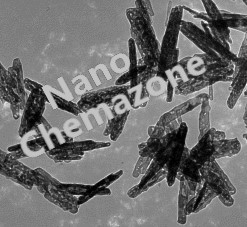
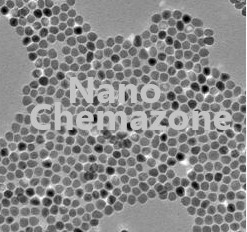
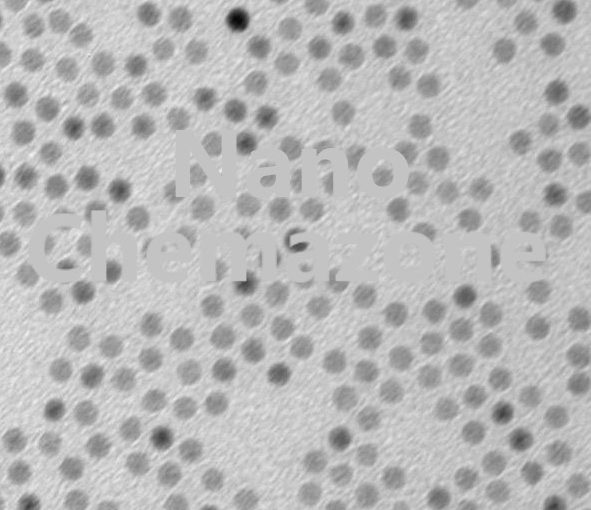
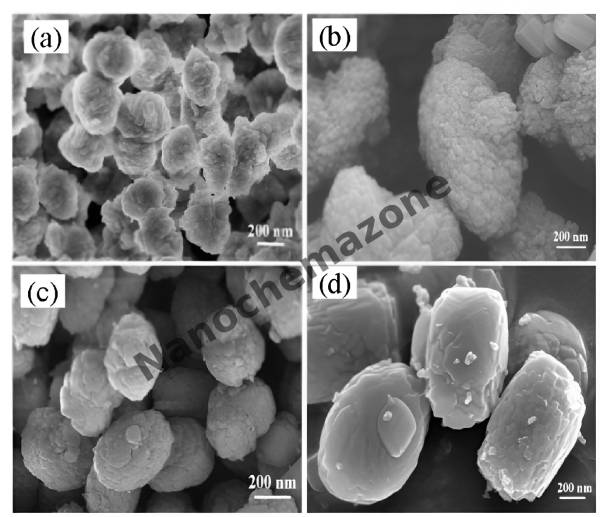
Iron Oxide (Fe3O4) Nanopowder/Nanoparticles, High Purity: 99.55+%, Size: 14-29 nm

Price range: $37.00 through $585.00
Select options This product has multiple variants. The options may be chosen on the product page
5 grams/33 € 25 grams/55 € 100 grams/125 € 500 grams/295 € 1000 grams/515 €
Please contact us for quotes on larger quantities !!!

Iron Oxide (Fe3O4) Nanopowder/Nanoparticles

High Purity: 99.55+%, Size: 14-29 nm

Technical Properties:

Purity (%) 99.55+
Color black
Average Particle Size (nm) 14-29
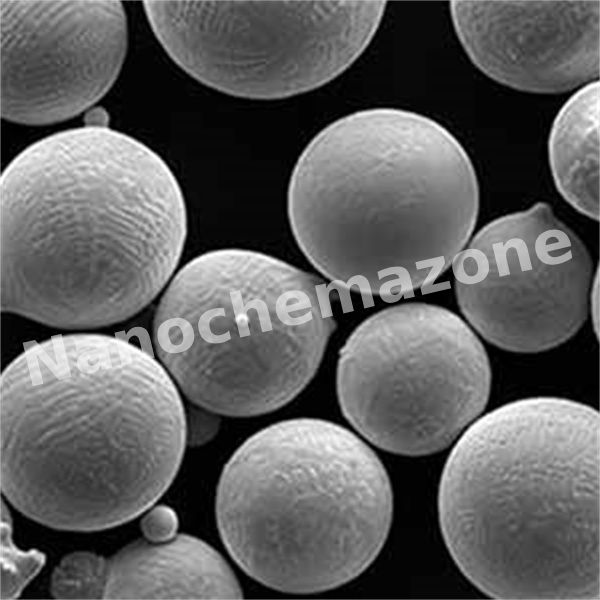
Morphology spherical
Specific Surface Area (m2/g) >80
Bulk Density (g/cm3) 0,9
True Density (g/cm3) 5,1
Elemental Analysis (%) Na Cr Co Mn Ni Al
0.0055 0.0002 0.0035 0.004 0.0016 0.0005

Applications:

Iron oxide nanoparticles show excellent magnetic properties. It is used as a composite for making ferrofluid, and electro magnetorheological fluid. It is applied in magnetic refrigeration, magnetically controlled transport of anti-cancer drugs, magnetic refrigeration, magnetic cell separation, and magnetic coatings. It also has applications in electronic devices such as, magneto-optical devices, semiconductors, microwave devices, magnetic detectors, and laser printers.

Iron Oxide (Fe3O4) Nanopowder/Nanoparticles, Purity: 98.45+%, Size: 18-28 nm

Price range: $19.00 through $276.00
Select options This product has multiple variants. The options may be chosen on the product page
5 grams/17 € 25 grams/32 € 100 grams/60 € 500 grams/162 € 1000 grams/243 €
Please contact us for quotes on larger quantities !!!

Iron Oxide (Fe3O4) Nanopowder/Nanoparticles

Purity: 98.45+%, Size: 18-28 nm

Applications: Iron oxide nanoparticles show excellent magnetic properties. It is used as a composite for making ferrofluid, and electro magnetorheological fluid. It is applied in magnetic refrigeration, magnetically controlled transport of anti-cancer drugs, magnetic refrigeration, magnetic cell separation, and magnetic coatings. It also has applications in electronic devices such as, magneto-optical devices, semiconductors, microwave devices, magnetic detectors, and laser printers.  

Iron Oxide (Fe3O4) Sputtering Targets, indium, Purity: 99.9%, Size: 1”, Thickness: 0.125”

$852.00

Product 

Iron Oxide (Fe3O4) Sputtering Targets, indium, Purity: 99.9%, Size: 1'', Thickness: 0.125''

CAS No.

1317‑61‑9

Appearance

Powder

Purity

≥99%,  ≥99.9%,  ≥95%

(Other purities are also available)

APS

 N/A (Size Can be customized), Ask for other available size ranges.

Ingredient

N/A

Molecular Weight

 231.6 g/mol

Melting Point

~1,597 °C

Boiling Point

 ~2,623 °C (material may decompose before boiling)

Density

 ~5.17 g/cm³ (sintered target)

Product Codes

NCZ-2163K

Iron Oxide (Fe3O4) Sputtering Targets, indium, Purity: 99.9%, Size: 1”, Thickness: 0.125”

$741.00

Applications of Sputtering Targets;

Film deposition is accomplished using sputtering targets. A technique for sputtering thin films is called "deposition made by sputter targets," which entails eroding material from a "target" source onto a "substrate" like a silicon wafer. Etching of the target is done using semiconductor sputtering targets. When selectivity is not an issue and a high degree of etching anisotropy is required, sputter etching is the method of choice. By removing the target material through etching, sputter targets are also utilized for investigation. In secondary ion spectroscopy (SIMS), one example is when the target material is sputtered at a steady pace. Mass spectrometry is used to quantify the concentration and identity of spewed atoms as the target is sputtered.

The target material's composition may be ascertained and even very low concentrations of contaminants can be found with the aid of the sputtering target.

There is also an application area for sputtering targets in space. One type of space weathering that alters the chemical and physical characteristics of airless worlds like the Moon and asteroids is sputtering.

Iron Oxide (Fe3O4) Sputtering Targets, indium, Purity: 99.9%, Size: 2”, Thickness: 0.125”

$900.00

Product 

Iron Oxide (Fe3O4) Sputtering Targets, indium, Purity: 99.9%, Size: 2'', Thickness: 0.125''

CAS No.

1317‑61‑9

Appearance

Powder

Purity

≥99%,  ≥99.9%,  ≥95%

(Other purities are also available)

APS

 N/A (Size Can be customized), Ask for other available size ranges.

Ingredient

N/A

Molecular Weight

 231.6 g/mol

Melting Point

~1,597 °C

Boiling Point

 ~2,623 °C (material may decompose before boiling)

Density

 ~5.17 g/cm³ (sintered target)

Product Codes

NCZ-2162K

Iron Oxide (Fe3O4) Sputtering Targets, indium, Purity: 99.9%, Size: 2”, Thickness: 0.125”

$782.00

Applications of Sputtering Targets;

Film deposition is accomplished using sputtering targets. A technique for sputtering thin films is called "deposition made by sputter targets," which entails eroding material from a "target" source onto a "substrate" like a silicon wafer. Etching of the target is done using semiconductor sputtering targets. When selectivity is not an issue and a high degree of etching anisotropy is required, sputter etching is the method of choice. By removing the target material through etching, sputter targets are also utilized for investigation. In secondary ion spectroscopy (SIMS), one example is when the target material is sputtered at a steady pace. Mass spectrometry is used to quantify the concentration and identity of spewed atoms as the target is sputtered.

The target material's composition may be ascertained and even very low concentrations of contaminants can be found with the aid of the sputtering target.

There is also an application area for sputtering targets in space. One type of space weathering that alters the chemical and physical characteristics of airless worlds like the Moon and asteroids is sputtering.

Iron Oxide (Fe3O4) Sputtering Targets, indium, Purity: 99.9%, Size: 3”, Thickness: 0.125”

$1,287.00

Product 

Iron Oxide (Fe3O4) Sputtering Targets, indium, Purity: 99.9%, Size: 3'', Thickness: 0.125''

CAS No.

1317‑61‑9

Appearance

Powder

Purity

≥99%,  ≥99.9%,  ≥95%

(Other purities are also available)

APS

 N/A (Size Can be customized), Ask for other available size ranges.

Ingredient

N/A

Molecular Weight

 231.6 g/mol

Melting Point

~1,597 °C

Boiling Point

 ~2,623 °C (material may decompose before boiling)

Density

 ~5.17 g/cm³ (sintered target)

Product Codes

NCZ-2161K

Iron Oxide (Fe3O4) Sputtering Targets, indium, Purity: 99.9%, Size: 3”, Thickness: 0.125”

$1,117.00

Applications of Sputtering Targets;

Film deposition is accomplished using sputtering targets. A technique for sputtering thin films is called "deposition made by sputter targets," which entails eroding material from a "target" source onto a "substrate" like a silicon wafer. Etching of the target is done using semiconductor sputtering targets. When selectivity is not an issue and a high degree of etching anisotropy is required, sputter etching is the method of choice. By removing the target material through etching, sputter targets are also utilized for investigation. In secondary ion spectroscopy (SIMS), one example is when the target material is sputtered at a steady pace. Mass spectrometry is used to quantify the concentration and identity of spewed atoms as the target is sputtered.

The target material's composition may be ascertained and even very low concentrations of contaminants can be found with the aid of the sputtering target.

There is also an application area for sputtering targets in space. One type of space weathering that alters the chemical and physical characteristics of airless worlds like the Moon and asteroids is sputtering.

Iron Oxide (Fe3O4) Sputtering Targets, Purity: 99.9%, Size: 1”, Thickness: 0.125”

$491.00

Product 

Iron Oxide (Fe3O4) Sputtering Targets, Purity: 99.9%, Size: 1'', Thickness: 0.125''

CAS No.

1317‑61‑9

Appearance

Powder

Purity

≥99%,  ≥99.9%,  ≥95%

(Other purities are also available)

APS

 N/A (Size Can be customized), Ask for other available size ranges.

Ingredient

N/A

Molecular Weight

 231.6 g/mol

Melting Point

~1,597 °C

Boiling Point

 ~2,623 °C (material may decompose before boiling)

Density

 ~5.17 g/cm³ (sintered target)

Product Codes

NCZ-2177K

Iron Oxide (Fe3O4) Sputtering Targets, Purity: 99.9%, Size: 1”, Thickness: 0.125”

$429.00

Applications of Sputtering Targets;

Film deposition is accomplished using sputtering targets. A technique for sputtering thin films is called "deposition made by sputter targets," which entails eroding material from a "target" source onto a "substrate" like a silicon wafer. Etching of the target is done using semiconductor sputtering targets. When selectivity is not an issue and a high degree of etching anisotropy is required, sputter etching is the method of choice. By removing the target material through etching, sputter targets are also utilized for investigation. In secondary ion spectroscopy (SIMS), one example is when the target material is sputtered at a steady pace. Mass spectrometry is used to quantify the concentration and identity of spewed atoms as the target is sputtered.

The target material's composition may be ascertained and even very low concentrations of contaminants can be found with the aid of the sputtering target.

There is also an application area for sputtering targets in space. One type of space weathering that alters the chemical and physical characteristics of airless worlds like the Moon and asteroids is sputtering.

Iron Oxide (Fe3O4) Sputtering Targets, Purity: 99.9%, Size: 1”, Thickness: 0.250”

$669.00

Product 

Iron Oxide (Fe3O4) Sputtering Targets, Purity: 99.9%, Size: 1'', Thickness: 0.250''

CAS No.

1317‑61‑9

Appearance

Powder

Purity

≥99%,  ≥99.9%,  ≥95%

(Other purities are also available)

APS

 N/A (Size Can be customized), Ask for other available size ranges.

Ingredient

N/A

Molecular Weight

 231.6 g/mol

Melting Point

~1,597 °C

Boiling Point

 ~2,623 °C (material may decompose before boiling)

Density

 ~5.17 g/cm³ (sintered target)

Product Codes

NCZ-2176K

Iron Oxide (Fe3O4) Sputtering Targets, Purity: 99.9%, Size: 1”, Thickness: 0.250”

$583.00

Applications of Sputtering Targets;

Film deposition is accomplished using sputtering targets. A technique for sputtering thin films is called "deposition made by sputter targets," which entails eroding material from a "target" source onto a "substrate" like a silicon wafer. Etching of the target is done using semiconductor sputtering targets. When selectivity is not an issue and a high degree of etching anisotropy is required, sputter etching is the method of choice. By removing the target material through etching, sputter targets are also utilized for investigation. In secondary ion spectroscopy (SIMS), one example is when the target material is sputtered at a steady pace. Mass spectrometry is used to quantify the concentration and identity of spewed atoms as the target is sputtered.

The target material's composition may be ascertained and even very low concentrations of contaminants can be found with the aid of the sputtering target.

There is also an application area for sputtering targets in space. One type of space weathering that alters the chemical and physical characteristics of airless worlds like the Moon and asteroids is sputtering.

Iron Oxide (Fe3O4) Sputtering Targets, Purity: 99.9%, Size: 2”, Thickness: 0.125”

$404.00

Product 

Iron Oxide (Fe3O4) Sputtering Targets, Purity: 99.9%, Size: 2'', Thickness: 0.125''

CAS No.

1317‑61‑9

Appearance

Powder

Purity

≥99%,  ≥99.9%,  ≥95%

(Other purities are also available)

APS

 N/A (Size Can be customized), Ask for other available size ranges.

Ingredient

N/A

Molecular Weight

 231.6 g/mol

Melting Point

~1,597 °C

Boiling Point

 ~2,623 °C (material may decompose before boiling)

Density

 ~5.17 g/cm³ (sintered target)

Product Codes

NCZ-2175K

Iron Oxide (Fe3O4) Sputtering Targets, Purity: 99.9%, Size: 2”, Thickness: 0.250”

$513.00

Product 

Iron Oxide (Fe3O4) Sputtering Targets, Purity: 99.9%, Size: 2'', Thickness: 0.250''

CAS No.

1317‑61‑9

Appearance

Powder

Purity

≥99%,  ≥99.9%,  ≥95%

(Other purities are also available)

APS

 N/A (Size Can be customized), Ask for other available size ranges.

Ingredient

N/A

Molecular Weight

 231.6 g/mol

Melting Point

~1,597 °C

Boiling Point

 ~2,623 °C (material may decompose before boiling)

Density

 ~5.17 g/cm³ (sintered target)

Product Codes

NCZ-2174K

Iron Oxide (Fe3O4) Sputtering Targets, Purity: 99.9%, Size: 2”, Thickness: 0.250”

$448.00

Applications of Sputtering Targets;

Film deposition is accomplished using sputtering targets. A technique for sputtering thin films is called "deposition made by sputter targets," which entails eroding material from a "target" source onto a "substrate" like a silicon wafer. Etching of the target is done using semiconductor sputtering targets. When selectivity is not an issue and a high degree of etching anisotropy is required, sputter etching is the method of choice. By removing the target material through etching, sputter targets are also utilized for investigation. In secondary ion spectroscopy (SIMS), one example is when the target material is sputtered at a steady pace. Mass spectrometry is used to quantify the concentration and identity of spewed atoms as the target is sputtered.

The target material's composition may be ascertained and even very low concentrations of contaminants can be found with the aid of the sputtering target.

There is also an application area for sputtering targets in space. One type of space weathering that alters the chemical and physical characteristics of airless worlds like the Moon and asteroids is sputtering.

Iron Oxide (Fe3O4) Sputtering Targets, Purity: 99.9%, Size: 2”, Thickness: 0.250”

$448.00

Applications of Sputtering Targets;

Film deposition is accomplished using sputtering targets. A technique for sputtering thin films is called "deposition made by sputter targets," which entails eroding material from a "target" source onto a "substrate" like a silicon wafer. Etching of the target is done using semiconductor sputtering targets. When selectivity is not an issue and a high degree of etching anisotropy is required, sputter etching is the method of choice. By removing the target material through etching, sputter targets are also utilized for investigation. In secondary ion spectroscopy (SIMS), one example is when the target material is sputtered at a steady pace. Mass spectrometry is used to quantify the concentration and identity of spewed atoms as the target is sputtered.

The target material's composition may be ascertained and even very low concentrations of contaminants can be found with the aid of the sputtering target.

There is also an application area for sputtering targets in space. One type of space weathering that alters the chemical and physical characteristics of airless worlds like the Moon and asteroids is sputtering.

Iron Oxide (Fe3O4) Sputtering Targets, Purity: 99.9%, Size: 3”, Thickness: 0.125”

$763.00

Product 

Iron Oxide (Fe3O4) Sputtering Targets, Purity: 99.9%, Size: 3'', Thickness: 0.125''

CAS No.

1317‑61‑9

Appearance

Powder

Purity

≥99%,  ≥99.9%,  ≥95%

(Other purities are also available)

APS

 N/A (Size Can be customized), Ask for other available size ranges.

Ingredient

N/A

Molecular Weight

 231.6 g/mol

Melting Point

~1,597 °C

Boiling Point

 ~2,623 °C (material may decompose before boiling)

Density

 ~5.17 g/cm³ (sintered target)

Product Codes

NCZ-2173K

Iron Oxide (Fe3O4) Sputtering Targets, Purity: 99.9%, Size: 3”, Thickness: 0.125”

$664.00

Applications of Sputtering Targets;

Film deposition is accomplished using sputtering targets. A technique for sputtering thin films is called "deposition made by sputter targets," which entails eroding material from a "target" source onto a "substrate" like a silicon wafer. Etching of the target is done using semiconductor sputtering targets. When selectivity is not an issue and a high degree of etching anisotropy is required, sputter etching is the method of choice. By removing the target material through etching, sputter targets are also utilized for investigation. In secondary ion spectroscopy (SIMS), one example is when the target material is sputtered at a steady pace. Mass spectrometry is used to quantify the concentration and identity of spewed atoms as the target is sputtered.

The target material's composition may be ascertained and even very low concentrations of contaminants can be found with the aid of the sputtering target.

There is also an application area for sputtering targets in space. One type of space weathering that alters the chemical and physical characteristics of airless worlds like the Moon and asteroids is sputtering.

Iron Oxide (Fe3O4) Sputtering Targets, Purity: 99.9%, Size: 3”, Thickness: 0.250”

$780.00

Product 

Iron Oxide (Fe3O4) Sputtering Targets, Purity: 99.9%, Size: 3'', Thickness: 0.250''

CAS No.

1317‑61‑9

Appearance

Powder

Purity

≥99%,  ≥99.9%,  ≥95%

(Other purities are also available)

APS

 N/A (Size Can be customized), Ask for other available size ranges.

Ingredient

N/A

Molecular Weight

 231.6 g/mol

Melting Point

~1,597 °C

Boiling Point

 ~2,623 °C (material may decompose before boiling)

Density

 ~5.17 g/cm³ (sintered target)

Product Codes

NCZ-2172K

Iron Oxide (Fe3O4) Sputtering Targets, Purity: 99.9%, Size: 3”, Thickness: 0.250”

$679.00

Applications of Sputtering Targets;

Film deposition is accomplished using sputtering targets. A technique for sputtering thin films is called "deposition made by sputter targets," which entails eroding material from a "target" source onto a "substrate" like a silicon wafer. Etching of the target is done using semiconductor sputtering targets. When selectivity is not an issue and a high degree of etching anisotropy is required, sputter etching is the method of choice. By removing the target material through etching, sputter targets are also utilized for investigation. In secondary ion spectroscopy (SIMS), one example is when the target material is sputtered at a steady pace. Mass spectrometry is used to quantify the concentration and identity of spewed atoms as the target is sputtered.

The target material's composition may be ascertained and even very low concentrations of contaminants can be found with the aid of the sputtering target.

There is also an application area for sputtering targets in space. One type of space weathering that alters the chemical and physical characteristics of airless worlds like the Moon and asteroids is sputtering.

Iron Oxide (Fe3O4) Sputtering Targets, Purity: 99.9%, Size: 4”, Thickness: 0.125”

$1,029.00

Product 

Iron Oxide (Fe3O4) Sputtering Targets, Purity: 99.9%, Size: 4'', Thickness: 0.125''

CAS No.

1317‑61‑9

Appearance

Powder

Purity

≥99%,  ≥99.9%,  ≥95%

(Other purities are also available)

APS

 N/A (Size Can be customized), Ask for other available size ranges.

Ingredient

N/A

Molecular Weight

 231.6 g/mol

Melting Point

~1,597 °C

Boiling Point

 ~2,623 °C (material may decompose before boiling)

Density

 ~5.17 g/cm³ (sintered target)

Product Codes

NCZ-2171K

Iron Oxide (Fe3O4) Sputtering Targets, Purity: 99.9%, Size: 4”, Thickness: 0.125”

$894.00

Applications of Sputtering Targets;

Film deposition is accomplished using sputtering targets. A technique for sputtering thin films is called "deposition made by sputter targets," which entails eroding material from a "target" source onto a "substrate" like a silicon wafer. Etching of the target is done using semiconductor sputtering targets. When selectivity is not an issue and a high degree of etching anisotropy is required, sputter etching is the method of choice. By removing the target material through etching, sputter targets are also utilized for investigation. In secondary ion spectroscopy (SIMS), one example is when the target material is sputtered at a steady pace. Mass spectrometry is used to quantify the concentration and identity of spewed atoms as the target is sputtered.

The target material's composition may be ascertained and even very low concentrations of contaminants can be found with the aid of the sputtering target.

There is also an application area for sputtering targets in space. One type of space weathering that alters the chemical and physical characteristics of airless worlds like the Moon and asteroids is sputtering.


Iron Oxide (Fe3O4) Sputtering Targets, Purity: 99.9%, Size: 4”, Thickness: 0.250”

$906.00

Product 

Iron Oxide (Fe3O4) Sputtering Targets, Purity: 99.9%, Size: 4'', Thickness: 0.250''

CAS No.

1317‑61‑9

Appearance

Powder

Purity

≥99%,  ≥99.9%,  ≥95%

(Other purities are also available)

APS

 N/A (Size Can be customized), Ask for other available size ranges.

Ingredient

N/A

Molecular Weight

 231.6 g/mol

Melting Point

~1,597 °C

Boiling Point

 ~2,623 °C (material may decompose before boiling)

Density

 ~5.17 g/cm³ (sintered target)

Product Codes

NCZ-2170K

Iron Oxide (Fe3O4) Sputtering Targets, Purity: 99.9%, Size: 4”, Thickness: 0.250”

$788.00

Applications of Sputtering Targets;

Film deposition is accomplished using sputtering targets. A technique for sputtering thin films is called "deposition made by sputter targets," which entails eroding material from a "target" source onto a "substrate" like a silicon wafer. Etching of the target is done using semiconductor sputtering targets. When selectivity is not an issue and a high degree of etching anisotropy is required, sputter etching is the method of choice. By removing the target material through etching, sputter targets are also utilized for investigation. In secondary ion spectroscopy (SIMS), one example is when the target material is sputtered at a steady pace. Mass spectrometry is used to quantify the concentration and identity of spewed atoms as the target is sputtered.

The target material's composition may be ascertained and even very low concentrations of contaminants can be found with the aid of the sputtering target.

There is also an application area for sputtering targets in space. One type of space weathering that alters the chemical and physical characteristics of airless worlds like the Moon and asteroids is sputtering.

Iron Oxide (Fe3O4) Sputtering Targets, Purity: 99.9%, Size: 5”, Thickness: 0.125”

$950.00

Product 

Iron Oxide (Fe3O4) Sputtering Targets, Purity: 99.9%, Size: 5'', Thickness: 0.125''

CAS No.

1317‑61‑9

Appearance

Powder

Purity

≥99%,  ≥99.9%,  ≥95%

(Other purities are also available)

APS

 N/A (Size Can be customized), Ask for other available size ranges.

Ingredient

N/A

Molecular Weight

 231.6 g/mol

Melting Point

~1,597 °C

Boiling Point

 ~2,623 °C (material may decompose before boiling)

Density

 ~5.17 g/cm³ (sintered target)

Product Codes

NCZ-2169K

Iron Oxide (Fe3O4) Sputtering Targets, Purity: 99.9%, Size: 5”, Thickness: 0.250”

$1,036.00

Product 

Iron Oxide (Fe3O4) Sputtering Targets, Purity: 99.9%, Size: 5'', Thickness: 0.250''

CAS No.

1317‑61‑9

Appearance

Powder

Purity

≥99%,  ≥99.9%,  ≥95%

(Other purities are also available)

APS

 N/A (Size Can be customized), Ask for other available size ranges.

Ingredient

N/A

Molecular Weight

 231.6 g/mol

Melting Point

~1,597 °C

Boiling Point

 ~2,623 °C (material may decompose before boiling)

Density

 ~5.17 g/cm³ (sintered target)

Product Codes

NCZ-2168K

Iron Oxide (Fe3O4) Sputtering Targets, Purity: 99.9%, Size: 5”, Thickness: 0.250”

$900.00

Applications of Sputtering Targets;

Film deposition is accomplished using sputtering targets. A technique for sputtering thin films is called "deposition made by sputter targets," which entails eroding material from a "target" source onto a "substrate" like a silicon wafer. Etching of the target is done using semiconductor sputtering targets. When selectivity is not an issue and a high degree of etching anisotropy is required, sputter etching is the method of choice. By removing the target material through etching, sputter targets are also utilized for investigation. In secondary ion spectroscopy (SIMS), one example is when the target material is sputtered at a steady pace. Mass spectrometry is used to quantify the concentration and identity of spewed atoms as the target is sputtered.

The target material's composition may be ascertained and even very low concentrations of contaminants can be found with the aid of the sputtering target.

There is also an application area for sputtering targets in space. One type of space weathering that alters the chemical and physical characteristics of airless worlds like the Moon and asteroids is sputtering.

Iron Oxide (Fe3O4) Sputtering Targets, Purity: 99.9%, Size: 6”, Thickness: 0.125”

$1,060.00

Product 

Iron Oxide (Fe3O4) Sputtering Targets, Purity: 99.9%, Size: 6'', Thickness: 0.125''

CAS No.

1317‑61‑9

Appearance

Powder

Purity

≥99%,  ≥99.9%,  ≥95%

(Other purities are also available)

APS

 N/A (Size Can be customized), Ask for other available size ranges.

Ingredient

N/A

Molecular Weight

 231.6 g/mol

Melting Point

~1,597 °C

Boiling Point

 ~2,623 °C (material may decompose before boiling)

Density

 ~5.17 g/cm³ (sintered target)

Product Codes

NCZ-2167K

Iron Oxide (Fe3O4) Sputtering Targets, Purity: 99.9%, Size: 6”, Thickness: 0.125”

$921.00

Applications of Sputtering Targets;

Film deposition is accomplished using sputtering targets. A technique for sputtering thin films is called "deposition made by sputter targets," which entails eroding material from a "target" source onto a "substrate" like a silicon wafer. Etching of the target is done using semiconductor sputtering targets. When selectivity is not an issue and a high degree of etching anisotropy is required, sputter etching is the method of choice. By removing the target material through etching, sputter targets are also utilized for investigation. In secondary ion spectroscopy (SIMS), one example is when the target material is sputtered at a steady pace. Mass spectrometry is used to quantify the concentration and identity of spewed atoms as the target is sputtered.

The target material's composition may be ascertained and even very low concentrations of contaminants can be found with the aid of the sputtering target.

There is also an application area for sputtering targets in space. One type of space weathering that alters the chemical and physical characteristics of airless worlds like the Moon and asteroids is sputtering.

Iron Oxide (Fe3O4) Sputtering Targets, Purity: 99.9%, Size: 6”, Thickness: 0.250”

$1,088.00

Product 

Iron Oxide (Fe3O4) Sputtering Targets, Purity: 99.9%, Size: 6'', Thickness: 0.250''

CAS No.

1317‑61‑9

Appearance

Powder

Purity

≥99%,  ≥99.9%,  ≥95%

(Other purities are also available)

APS

 N/A (Size Can be customized), Ask for other available size ranges.

Ingredient

N/A

Molecular Weight

 231.6 g/mol

Melting Point

~1,597 °C

Boiling Point

 ~2,623 °C (material may decompose before boiling)

Density

 ~5.17 g/cm³ (sintered target)

Product Codes

NCZ-2166K

Iron Oxide (Fe3O4) Sputtering Targets, Purity: 99.9%, Size: 6”, Thickness: 0.250”

$945.00

Applications of Sputtering Targets;

Film deposition is accomplished using sputtering targets. A technique for sputtering thin films is called "deposition made by sputter targets," which entails eroding material from a "target" source onto a "substrate" like a silicon wafer. Etching of the target is done using semiconductor sputtering targets. When selectivity is not an issue and a high degree of etching anisotropy is required, sputter etching is the method of choice. By removing the target material through etching, sputter targets are also utilized for investigation. In secondary ion spectroscopy (SIMS), one example is when the target material is sputtered at a steady pace. Mass spectrometry is used to quantify the concentration and identity of spewed atoms as the target is sputtered.

The target material's composition may be ascertained and even very low concentrations of contaminants can be found with the aid of the sputtering target.

There is also an application area for sputtering targets in space. One type of space weathering that alters the chemical and physical characteristics of airless worlds like the Moon and asteroids is sputtering.

Iron Oxide (Fe3O4) Sputtering Targets, Purity: 99.9%, Size: 7”, Thickness: 0.125”

$1,119.00

Product 

Iron Oxide (Fe3O4) Sputtering Targets, Purity: 99.9%, Size: 7'', Thickness: 0.125''

CAS No.

1317‑61‑9

Appearance

Powder

Purity

≥99%,  ≥99.9%,  ≥95%

(Other purities are also available)

APS

 N/A (Size Can be customized), Ask for other available size ranges.

Ingredient

N/A

Molecular Weight

 231.6 g/mol

Melting Point

~1,597 °C

Boiling Point

 ~2,623 °C (material may decompose before boiling)

Density

 ~5.17 g/cm³ (sintered target)

Product Codes

NCZ-2165K

Iron Oxide (Fe3O4) Sputtering Targets, Purity: 99.9%, Size: 7”, Thickness: 0.125”

$972.00

Applications of Sputtering Targets;

Film deposition is accomplished using sputtering targets. A technique for sputtering thin films is called "deposition made by sputter targets," which entails eroding material from a "target" source onto a "substrate" like a silicon wafer. Etching of the target is done using semiconductor sputtering targets. When selectivity is not an issue and a high degree of etching anisotropy is required, sputter etching is the method of choice. By removing the target material through etching, sputter targets are also utilized for investigation. In secondary ion spectroscopy (SIMS), one example is when the target material is sputtered at a steady pace. Mass spectrometry is used to quantify the concentration and identity of spewed atoms as the target is sputtered.

The target material's composition may be ascertained and even very low concentrations of contaminants can be found with the aid of the sputtering target.

There is also an application area for sputtering targets in space. One type of space weathering that alters the chemical and physical characteristics of airless worlds like the Moon and asteroids is sputtering.

Iron Oxide (Fe3O4) Sputtering Targets, Purity: 99.9%, Size: 7”, Thickness: 0.125”

$1,150.00

Applications of Sputtering Targets;

Film deposition is accomplished using sputtering targets. A technique for sputtering thin films is called "deposition made by sputter targets," which entails eroding material from a "target" source onto a "substrate" like a silicon wafer. Etching of the target is done using semiconductor sputtering targets. When selectivity is not an issue and a high degree of etching anisotropy is required, sputter etching is the method of choice. By removing the target material through etching, sputter targets are also utilized for investigation. In secondary ion spectroscopy (SIMS), one example is when the target material is sputtered at a steady pace. Mass spectrometry is used to quantify the concentration and identity of spewed atoms as the target is sputtered.

The target material's composition may be ascertained and even very low concentrations of contaminants can be found with the aid of the sputtering target.

There is also an application area for sputtering targets in space. One type of space weathering that alters the chemical and physical characteristics of airless worlds like the Moon and asteroids is sputtering.

Iron Oxide (Fe3O4) Sputtering Targets, Purity: 99.9%, Size: 7”, Thickness: 0.250”

$1,196.00

Product 

Iron Oxide (Fe3O4) Sputtering Targets, Purity: 99.9%, Size: 7'', Thickness: 0.250''

CAS No.

1317‑61‑9

Appearance

Powder

Purity

≥99%,  ≥99.9%,  ≥95%

(Other purities are also available)

APS

 N/A (Size Can be customized), Ask for other available size ranges.

Ingredient

N/A

Molecular Weight

 231.6 g/mol

Melting Point

~1,597 °C

Boiling Point

 ~2,623 °C (material may decompose before boiling)

Density

 ~5.17 g/cm³ (sintered target)

Product Codes

NCZ-2164K

Iron Oxide (Fe3O4) Sputtering Targets, Purity: 99.9%, Size: 7”, Thickness: 0.250”

$1,038.00

Applications of Sputtering Targets;

Film deposition is accomplished using sputtering targets. A technique for sputtering thin films is called "deposition made by sputter targets," which entails eroding material from a "target" source onto a "substrate" like a silicon wafer. Etching of the target is done using semiconductor sputtering targets. When selectivity is not an issue and a high degree of etching anisotropy is required, sputter etching is the method of choice. By removing the target material through etching, sputter targets are also utilized for investigation. In secondary ion spectroscopy (SIMS), one example is when the target material is sputtered at a steady pace. Mass spectrometry is used to quantify the concentration and identity of spewed atoms as the target is sputtered.

The target material's composition may be ascertained and even very low concentrations of contaminants can be found with the aid of the sputtering target.

There is also an application area for sputtering targets in space. One type of space weathering that alters the chemical and physical characteristics of airless worlds like the Moon and asteroids is sputtering.

Iron Oxide Hydroxide Goethite Nanoparticles

$0.00

Iron Oxide Hydroxide Goethite Nanoparticles

MF: FeO(OH) alpha
Chemical Name: Iron Oxide Hydroxide
Purity: > 99.99%
APS: 100 nm (Size Customization possible)
Form: Nanopowder and Rod Shape (100×700 nm)
Product Number: #NCZ3801
CAS Number 20344-49-4
Note: We supply different products of microparticles and Nanoparticles powder in all sizes range according to the client’s requirements.

Iron oxide nanoparticles

$0.00

Iron Oxide Nanoparticles

Iron Oxide Nanopowder

MF: Fe2O3, alpha
Chemical Name: Iron Oxide
Purity: > 99.99%
APS: 60 nm (Size Customization possible)
Form: Nanopowder and Rod Shape
Product Number: #NCZ3702
CAS Number 1309-37-1

Iron oxide nanoparticles

Note: We supply different products of microparticles and Nanoparticles powder in all sizes range according to the client’s requirements.

Iron Oxide Nanoparticles / Nanopowder (Fe2O3) alpha, 99%, 20~40nm

Price range: $88.00 through $593.00
Select options This product has multiple variants. The options may be chosen on the product page
$88/100g
$252/500g
$593/1000g

Product 

Iron Oxide Nanoparticles / Nanopowder (Fe2O3) alpha, 99%, 20~40nm

CAS No.

1309-37-1

Appearance

Powder

Purity

≥99%,  ≥99.9%,  ≥95%

(Other purities are also available)

APS

20~40nm (Size Can be customized), Ask for other available size ranges.

Ingredient

N/A

Molecular Weight

159.69 g/mol

Melting Point

~1,565 °C

Boiling Point

Decomposes

Density

 ~5.24 g/cm³

Product Codes

NCZ-1134K

Iron oxide nanoparticles powder

$0.00

Iron Oxide Nanoparticles

Iron oxide nanoparticles powder

Nano Iron Oxide Powder

MF: Fe2O3, gamma
Chemical Name: Iron Oxide
Purity: > 99.99%
APS: 80 nm (Size Customization possible)
Form: Nanopowder and Rod Shape
Product Number: #NCZ3701
CAS Number 1309-37-1
Note: We supply different products of microparticles and Nanoparticles powder in all size range according to client’s requirements.

Iron Oxide Nanopowder / Nanoparticles (Fe2O3 gamma Fe2O3, 20~40nm)

Price range: $93.00 through $375.00
Select options This product has multiple variants. The options may be chosen on the product page
$93/100g
$257/500g
$375/Kg

Product 

Iron Oxide Nanopowder / Nanoparticles (Fe2O3 gamma Fe2O3, 20~40nm)

CAS No.

1309-37-1

Appearance

Powder

Purity

≥99%,  ≥99.9%,  ≥95%

(Other purities are also available)

APS

20~40nm (Size Can be customized), Ask for other available size ranges.

Ingredient

N/A

Molecular Weight

159.69 g/mol

Melting Point

~1,565 °C

Boiling Point

Decomposes

Density

 ~5.24 g/cm³

Product Codes

NCZ-1135K

Iron Oxide Nanopowder / Nanoparticles (Fe3O4) 98%, 30-50nm

Price range: $93.00 through $380.00
Select options This product has multiple variants. The options may be chosen on the product page
$93/100g
$257/500g
$380/Kg

Product 

Iron Oxide Nanopowder / Nanoparticles (Fe3O4) 98%, 30-50nm

CAS No.

 1317-61-9

Appearance

Powder

Purity

≥99%,  ≥99.9%,  ≥95%

(Other purities are also available)

APS

30-50nm (Size Can be customized), Ask for other available size ranges.

Ingredient

N/A

Molecular Weight

231.53 g/mol

Melting Point

~1,590 °C

Boiling Point

Decomposes

Density

~5.17 g/cm³

Product Codes

NCZ-1136K

Iron Sputtering Target Fe

Price range: $74.00 through $267.00
Select options This product has multiple variants. The options may be chosen on the product page
Product Iron Sputtering Target Fe
CAS No. 7439-89-6
Appearance Grayish metallic
Purity ≥99%,  ≥99.9%,  ≥95%(Other purities are also available)
APS N/A
Ingredient Fe
Molecular Weight N/A
Melting Point 1535.0 °C 
Boiling Point 2750.0 °C
Density N/A
Product Codes NCZ-122H
 

Iron TFAC

Price range: $29.00 through $173.00
Select options This product has multiple variants. The options may be chosen on the product page
Product Iron TFAC
CAS No. N/A
Appearance Red to reddish-brown
Purity ≥99%,  ≥99.9%,  ≥95%(Other purities are also available)
APS N/A
Ingredient Fe(CF₃COCHCOCH₃)₃
Molecular Weight 443–450 g/mol
Melting Point N/A
Boiling Point N/A
Density N/A
Product Codes NCZ-251R
 

Iron TMHD

Price range: $35.00 through $201.00
Select options This product has multiple variants. The options may be chosen on the product page
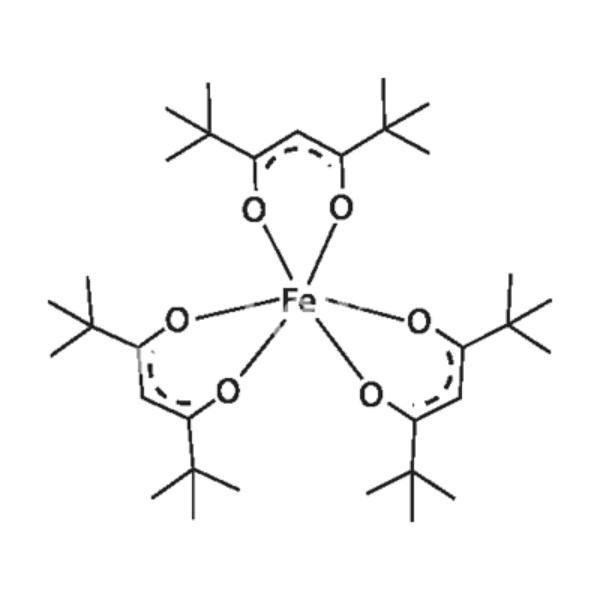
Product Iron TMHD
CAS No. 14876-47-2
Appearance Red/orange crystalline solid
Purity ≥99%,  ≥99.9%,  ≥95%(Other purities are also available)
APS N/A
Ingredient C₃₃H₅₇FeO₆
Molecular Weight N/A
Melting Point 179–185 °C
Boiling Point N/A
Density N/A
Product Codes NCZ-350R
 

Iron-Nickel Nanoparticles, Fe65Ni35, APS: 50nm, Purity: 99.9%

Price range: $144.00 through $2,201.00
Select options This product has multiple variants. The options may be chosen on the product page
Iron-Nickel Nanoparticles, Fe65Ni35, APS: 50nm, Purity: 99.9% Performance characteristics Nano iron-nickel alloy powder is prepared by gas phase CVD method, the alloy ratio can be adjusted appropriately, the purity is high, the particle size is small, the distribution is uniform, the surface area is large, it is easy to disperse, and the industrial output is large. Low-frequency soft magnetic materials with high permeability and low coercivity in the magnetic field are commonly used in sensitive relays, magnetic shields, telephone and radio transformers, AC and DC meters, and current transformers (see transformers). Product parameter
APS 50 nm
Purity 99.9 %
BET Surface Area 28.91 m2/g
Theoritical density 2.890 g/cm3
Bulk density 0.932 g/cm3
Melting Point 1000 °C
Boiling Point 1800 °C
Shape Spherical
Color Black Powder
Manufacturing Method CVD

Iron-Nickel Nanoparticles, Fe65Ni35, APS: 50nm, Purity: 99.9%

Price range: $144.00 through $2,201.00
Select options This product has multiple variants. The options may be chosen on the product page
Iron-Nickel Nanoparticles, Fe65Ni35, APS: 50nm, Purity: 99.9% Performance characteristics Nano iron-nickel alloy powder is prepared by gas phase CVD method, the alloy ratio can be adjusted appropriately, the purity is high, the particle size is small, the distribution is uniform, the surface area is large, it is easy to disperse, and the industrial output is large. Low-frequency soft magnetic materials with high permeability and low coercivity in the magnetic field are commonly used in sensitive relays, magnetic shields, telephone and radio transformers, AC and DC meters, and current transformers (see transformers). Applications 1. Nano-iron-nickel alloy powder has a wide range of application prospects in industries such as microwave absorbing materials, magnetic materials, hard alloys, and alloy coatings due to its special properties and special surface magnetism that are different from elemental iron and nickel metal powders; 2. Due to the refinement of nano-iron-nickel alloy grains, it is widely used in electronic products such as memory drums, magnetic cards, and magnetic tapes; 3. Powder metallurgy, auto parts, high specific gravity alloys, diamond tools, magnetic materials, electromagnetic shielding materials, which can be used as substitutes for pure metal nickel powder and cobalt powder; 4. The nano-iron-nickel alloy coating has a wide range of uses in protection, decoration, magnetism, etc. Its expansion coefficient is not much different from that of the nickel coating, so the peeling resistance is basically the same, but due to the addition of iron, the melting point of the iron-nickel alloy is high , And superior high-temperature strength and ductility, so the coating and molten steel have very good high-temperature resistance and thermal shock resistance, so it has excellent solderability and is very suitable for electronic components and printed circuit boards; 5. Nano-iron-nickel alloy can react with oxidizing corrosive gases, oxygen, chlorine, etc. to form a passivation film. It shows better corrosion resistance than iron in acid solutions and enhances the adhesion of the oxidized passivation layer. An anti-corrosion material. Packaging and storage This product is packaged in an inert gas glass bottle, sealed and stored in a dry, cool environment. It should not be exposed to the air to prevent oxidation and agglomeration due to moisture, which will affect the dispersion performance and use effect; the number of packages can be provided according to customer requirements and packed.

Iron-Silicon Nanoparticles, Fe65Si35, APS:50nm, Purity: 99.9%

Price range: $144.00 through $2,201.00
Select options This product has multiple variants. The options may be chosen on the product page
Iron-Silicon Nanoparticles, Fe65Si35, APS:50nm, Purity: 99.9% Performance characteristics Nano iron-silicon alloy powder is prepared by gas phase CVD method, the alloy ratio can be adjusted appropriately, the purity is high, the particle size is small, the distribution is uniform, the surface area is large, easy to disperse, easy to process, suitable for use in power frequency and audio high magnetic field. In the power industry, iron-silicon alloys are mainly used in motors and transformers; in the electronics industry, they are mainly used in power transformers, audio transformers, and pulse transformers.
K-ZSM-22 (255853)

$290.00
Select options This product has multiple variants. The options may be chosen on the product page
K-ZSM-22 (255853)

Pore Structure  TON Pore Size(nm)  0.55 - 0.80  SiO2/Al2O3  40 - 80, 80 - 150, 150 - 300 Relative Crystallinity(%)   >= 95 Loss on Ignition(%)  <= 5 

 
Product Codes- NCZ-2727K

K465 Alloy Powder

Product K465 Alloy Powder
CAS No. N/A
Appearance Silvery-gray metallic powder
Purity ≥99%,  ≥99.9%,  ≥95%(Other purities are also available)
APS 15–45 µm (Size Can be customized),  Ask for other available size range.
Ingredient NiCoCrAlTiNbMo
Molecular Weight N/A
Melting Point 1290–1370°C
Boiling Point N/A
Density N/A
Product Codes NCZ-162M
 

KETJENBLACK EC-300J Conductive Carbon Black

Price range: $27.00 through $278.00
Select options This product has multiple variants. The options may be chosen on the product page
25 gram: 24€ 100 gram: 48€ 500 gram:167€ 1000 gram: 246€ Ketjen Black EC-300J Conductive Carbon Black  KETJENBLACK is a unique electro-conductive carbon black that has received favorable evaluations for its superior performance and stability of quality. Mixed with plastic, rubber or other materials, KETJENBLACK has garnered high marks for providing the same level of electro-conductivity with a lower loading quantity as conventional carbon black. PRODUCT PROPERTIES

PORE VULUME, DBP (ml/100)

310-345 ml/100g

pH

9.0-10.5

GRIT CONTENT

≤ 30 mg/kg

VOLATILE (wt%)

≤ 1.0 

ASH 

≤ 0.05 %

IODIE VALUE

740-840 mg/g

FINE (wt %)

≤ 7 

APPARENT BULK DENSITY (g/L)

125-145 kg/m3

MOISTURE (wt%)

≤ 0.5

APPEARANCE

Black free-flowing pellets

  Applications of Ketjenblack Ketjenblack EC-300J is a very pure carbon black extremely suitable for antistatic and electroconductive applications. Due to its unique morphology and the very high surface area of approx. 800 m2 /g (BET), only one third the amount of Ketjenblack EC-300J is needed compared to conventional electroconductive blacks in order to achieve the same conductivity. The lower loading of Ketjenblack EC-300J allows easier processing for those polymers sensitive to filler addition, thus minimizing loss in mechanical and rheological properties. Ketjenblack EC-300J when thoroughly dispersed with the polymer significantly increases the conductivity of the resulting compound. Ketjenblack EC-300J can be used in all types of polymers, thermoset, thermoplastic as well as elastomers. Due to its unique morphology and structure with relative low amounts of Ketjenblack EC-300J excellent conductive material can be made. The low grit content results in very smooth surfaces during extrusion. The loading needed to obtain a certain conductivity can vary significantly per type of polymer. More detailed information is provided in our special Ketjenblack EC Technical Bulletin. Ketjenblack EC-300J has a very low ash content, which makes it the preferred material for semicon applications in cable shielding. Ketjenblack EC-300J can also be used to produce conductive coatings and primers. Also here already at very low loading levels optimal electroconductive performance is obtained minimizing loss in mechanical and rheological properties. Some other applications are batteries, packaging for IC parts, tubing, flooring, carpet backing, automotive parts, cell phones and many more. Ketjenblack Features (1) Same level of electro-conductivity as conventional carbon black but with 1/2 to 1/3 of the loading quantity (2) Effective at a lower loading quantity, has minimal effect on the physical properties of base resins or paint (3) Minimal reduction in electro-conductivity when mixed with other materials

Electro-Conductive Mechanism

KETJENBLACK EC-600JD Conductive Carbon Black

Price range: $29.00 through $316.00
Select options This product has multiple variants. The options may be chosen on the product page
25 gram: 26€ 100 gram: 65€ 500 gram:187€ 1000 gram: 279€ Ketjen Black EC-600JD Conductive Carbon Black  KETJENBLACK is a unique electro-conductive carbon black that has received favorable evaluations for its superior performance and stability of quality. Mixed with plastic, rubber or other materials, KETJENBLACK has garnered high marks for providing the same level of electro-conductivity with a lower loading quantity as conventional carbon black. PRODUCT PROPERTIES

PORE VULUME, DBP (ml/100)

480-510 ml/100g

pH

9.0-10.5

GRIT (wt%)

30 mg/kg

VOLATILE (wt%)

1.0 %

ASH (wt)

0.1 %

IODIE VALUE

1000-1100 mg/g

FINE (wt %)

7 %

APPARENT BULK DENSITY (g/L)

100-120 kg/m³

MOISTURE (wt%)

0.5 %

APPEARANCE

Black free-flowing pellets

  Applications of Ketjenblack EC-600JD is a very pure carbon black extremely suitable for antistatic and electroconductive applications. Due to its unique morphology and the extremely high surface area of approx. 1400 m2/g (BET), only one sixth the amount of Ketjenblack EC600-JD is needed compared to conventional electroconductive blacks in order to achieve the same conductivity. The extreme low loading of Ketjenblack EC600-JD allows easier processing for those compounds sensitive to filler addition, thus minimizing loss in mechanical and rheological properties. Ketjenblack EC-600JD when thoroughly dispersed with the polymer significantly increases the conductivity of the resulting compound. Ketjenblack EC-600JD can be used in all types of polymers, thermoset, thermoplastic as well as elastomers. Due to its unique morphology and structure with very low amounts of Ketjenblack EC-600JD excellent conductive material can be made. The loading needed to obtain a certain conductivity can vary significantly per type of polymer. Ketjenblack Features (1) Same level of electro-conductivity as conventional carbon black but with 1/2 to 1/3 of the loading quantity (2) Effective at a lower loading quantity, has minimal effect on the physical properties of base resins or paint (3) Minimal reduction in electro-conductivity when mixed with other materials

Kish Graphite(85%) (368667)

$545.00
Select options This product has multiple variants. The options may be chosen on the product page
Kish Graphite(industrial grade, 80-90%) (371667)
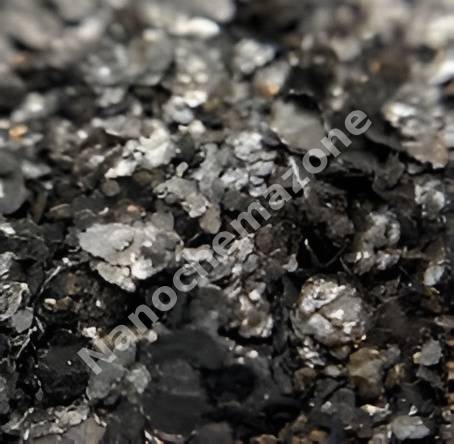
  Kish Graphite is a byproduct of steel-making. The more modern steel-making processes do not result in the generation of Kish graphite, but in earlier times it was produced during the cooling of molten steel. It is obtained when carbon crystallizes from molten steel during the steel manufacturing process. It is used by hundreds of research groups to make graphene by mechanical exfoliation.  With preparation methods, the size of kish graphite is from mm to cm. As it is obtained by high temperature, the main applications include: as raw materials to synthesis the graphene, graphite intercalation compounds, and the fundamental research works such as the properties of graphite, large size graphite layer compounds.
Product Codes- NCZ-2717K

Kish Graphite(industrial grade, 80-90%) (371667)

$745.00
Select options This product has multiple variants. The options may be chosen on the product page
Kish Graphite(industrial grade, 80-90%) (371667)
  Kish Graphite is a byproduct of steel-making. The more modern steel-making processes do not result in the generation of Kish graphite, but in earlier times it was produced during the cooling of molten steel. It is obtained when carbon crystallizes from molten steel during the steel manufacturing process. It is used by hundreds of research groups to make graphene by mechanical exfoliation.  With preparation methods, the size of kish graphite is from mm to cm. As it is obtained by high temperature, the main applications include: as raw materials to synthesis the graphene, graphite intercalation compounds, and the fundamental research works such as the properties of graphite, large size graphite layer compounds.
Product Codes- NCZ-2717K

L-Ascorbic acid 2-glucoside (439641)

$368.00
Select options This product has multiple variants. The options may be chosen on the product page
L-Ascorbic acid 2-glucoside (439641)

Molecular formula   C12H18O11 Purity   > 98% CAS#   129499-78-1 Appearance   White crystalline powder, odourless
Product Codes- NCZ-2709K

L-Glutamic acid (342655)

$137.00
Select options This product has multiple variants. The options may be chosen on the product page
L-Glutamic acid (342655)

 
Product Codes- NCZ-2794K

L-Glutamic acid potassium salt monohydrate (343655)

$175.00
Select options This product has multiple variants. The options may be chosen on the product page
L-Glutamic acid potassium salt monohydrate (343655)

Synonym: Potassium L-glutamate

 
Product Codes- NCZ-2793K

La-substituted Bismuth Ferrite Sputtering Target Bi0.85La0.15FeO3

$1,262.00
Select options This product has multiple variants. The options may be chosen on the product page
Product La-substituted Bismuth Ferrite Sputtering Target Bi0.85La0.15FeO3
CAS No. 12010-42-3
Appearance Gray ceramic targets
Purity ≥99%,  ≥99.9%,  ≥95%(Other purities are also available)
APS N/A
Ingredient Bi0.85La0.15FeO3
Molecular Weight N/A
Melting Point N/A
Boiling Point N/A
Density N/A
Product Codes NCZ-123H

Lanthanum (III) Chloride Heptahydrate (LaCl3 · 7H2O) 99.99% 4N 500g

$480.00
Product Lanthanum (III) Chloride Heptahydrate (LaCl3 · 7H2O) 99.99% 4N 500g
CAS No. 10099-58-8
Appearance White crystalline powder or flaky crystals
Purity ≥99%,  ≥99.9%,  ≥95%(Other purifies are also available)
APS 100nm (Size Can be customized),  Ask for other available size range.
Ingredient LaCl3·7H2O
Molecular Weight N/A
Melting Point N/A
Boiling Point N/A
Density N/A
Product Codes NCZ-433I
 

Lanthanum (III) Oxide (La2O3) 99.999% 5N Powder

Price range: $77.00 through $359.00
Select options This product has multiple variants. The options may be chosen on the product page
Product Lanthanum (III) Oxide (La2O3) 99.999% 5N Powder
CAS No. 12037-29-5
Appearance White to off-white
Purity ≥99%,  ≥99.9%,  ≥95%(Other purities are also available)
APS 1–10nm (Size Can be customized),  Ask for other available size range.
Ingredient La2O3
Molecular Weight 325.81 g/mol
Melting Point N/A
Boiling Point N/A
Density 6.51 g/cm³
Product Codes NCZ-434I