Ta2AlC MAXene Powder Low Price

$0.00

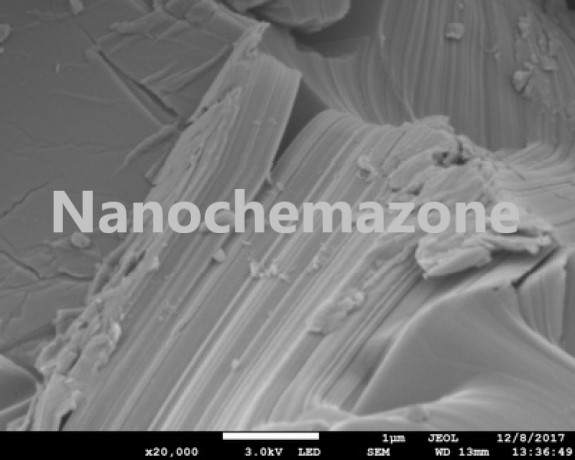
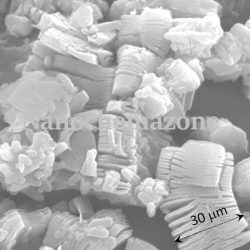
Product Name: Ta2AlC MAXene Powder

Product Ta2AlC MAXene powder
Colour Black Powder
Purity ≥98 wt%
Ingredient Ta2AlC
Product Code NCZ-MX-225

Ta2AlC MAXene powder APPLICATION FIELDS

High-temperature coating, MXene precursor, conductive self-lubricating ceramic, lithium-ion battery, supercapacitor, electrochemical catalysis.

RELATED INFORMATION

Storage Conditions: Airtight sealed, avoid light and keep dry at room temperature. Please email us for the customization. Email: contact@nanochemazone.com

TiVAlC MAXene Powder Low Price

$0.00

Product Name: TiVAlC MAXene Powder

Product TiVAlC MAXene powder
Colour Black Powder
Purity ≥98 wt%
Ingredient TiVAlC
Product Code NCZ-MX-226

TiVAlC MAXene powder APPLICATION FIELDS

High-temperature coating, MXene precursor, conductive self-lubricating ceramic, lithium-ion battery, supercapacitor, electrochemical catalysis. RELATED INFORMATION Storage Conditions: Airtight sealed, avoid light and keep dry at room temperature. Please email us for the customization. Email: contact@nanochemazone.com

Titanium Aluminum Carbide Maxene Powder

$0.00

Titanium Aluminum Carbide Maxene Powder

Product Name: Titanium Aluminum Carbide Maxene Powder
Product Titanium Aluminum Carbide Maxene Powder
CAS No. 196506-01-1
Appearance Powder
Purity 99.9%
APS 1 – 5 Microns (Can be customized)
Ingredient Ti3AlC2
Product Code NCZ-AE-167

Description of Titanium Aluminum Carbide Maxene Powder:

There is a large family of ternary carbides (ternary is an adjective meaning 'composed of three') with the general formula Mn+1AXn, where n = 1–3, M denotes a transition metal, A is an element such as Aluminum or silicon, and X is either carbon or nitrogen. Researchers have termed these ductile and machine able ceramics MAX phases. MXenes, discovered in 2011, are ceramics that comprise one of the largest families of two-dimensional materials. MXenes are made from a bulk crystal called MAX. Unlike most 2D ceramics, MXenes have inherently good conductivity because they are molecular sheets made from the carbides and nitrides of transition metals like titanium. This gives them exciting potential in next-generation energy storage applications. Titanium Aluminum Carbide Maxene Powder of Application Maxenes and MXenes-based nanocomposites have been widely used in nano-adsorption, biosensors, ion sieving, catalysis, lithium-ion batteries, supercapacitors, lubrication, and many other fields.   RELATED INFORMATION Storage Conditions: Airtight sealed, avoid light and keep dry at room temperature. Please email us for the customization. Email: contact@nanochemazone.com

Mo2Ti2AlC3 MAXene Powder

$0.00

Product Name: Mo2Ti2AlC3 MAXene Powder

Product Mo2Ti2AlC3 MAXene Powder
CAS No. 12316-56-2
Appearance Powder
Purity 99%
APS 1 – 5 microns (can be customized)
Ingredient Mo2Ti2AlC3
Product Code NCZ-MX-320

Mo2Ti2AlC3 MAXene Powder INTRODUCTION:

MAX phase ceramics (including titanium silicon carbide, Ti3AlC2 materials, etc.) are a new type of processing conductive ceramic materials that have attracted much attention. These ceramics contain more than sixty kinds of ternary carbides or nitrides. M represents the transitional front metal elements. ; A represents the main group element, mainly the elements of the third main group and the fourth main group; X represents a carbon or nitrogen element. Among them, Ti3SiC2 is the most widely studied. Ti3SiC2 was successfully synthesized by the hot pressing method in 1996 by Professor Barsoum M of Drexel University in the United States, and its excellent performance was found. Due to the unique nano-layered crystal structure, these ceramic materials have antioxidant, self-lubricating properties, high room temperature fracture toughness, and electrical conductivity. Such materials can be widely used as high-temperature structural materials, electrode brush materials, chemical anticorrosive materials, and high-temperature heating elements. The products are mainly used for high-temperature coating, MXene precursor, conductive self-lubricating ceramic, lithium-ion battery, supercapacitor, electrochemical catalysis.  

Mo2Ti2AlC3 MAXene Powder RELATED INFORMATION:

Storage Conditions: Airtight sealed, avoid light and keep dry at room temperature. Please email us for the customization. Email: contact@nanochemazone.com

ScAl3C3 MAXene Powder

$0.00

Product Name: ScAl3C3 MAXene Powder

Product ScAl3C3 MAXene Powder
CAS No. 12316-56-2
Appearance Powder
Purity 99%
APS 1 – 5 microns (can be customized)
Ingredient ScAl3C3
Product Code NCZ-MX-319

ScAl3C3 MAXene Powder INTRODUCTION

MAX phase ceramics (including titanium silicon carbide, Ti3AlC2 materials, etc.) are a new type of processing conductive ceramic materials that have attracted much attention. These ceramics contain more than sixty kinds of ternary carbides or nitrides. M represents the transitional front metal elements. ; A represents the main group element, mainly the elements of the third main group and the fourth main group; X represents a carbon or nitrogen element. Among them, Ti3SiC2 is the most widely studied. Ti3SiC2 was successfully synthesized by hot pressing method in 1996 by Professor Barsoum M of Drexel University in the United States, and its excellent performance was found. Due to the unique nano-layered crystal structure, these ceramic materials have antioxidant, self-lubricating properties, high room temperature fracture toughness and electrical conductivity. Such materials can be widely used as high temperature structural materials, electrode brush materials, chemical anticorrosive materials and high temperature heating elements. The products are mainly used for high temperature coating, MXene precursor, conductive self-lubricating ceramic, lithium ion battery, super capacitor, electrochemical catalysis.   RELATED INFORMATION Storage Conditions: Airtight sealed, avoid light, and keep dry at room temperature. Please email us for the customization. Email: contact@nanochemazone.com

Ti2SnC MAXene Powder

$0.00

Product Name: Ti2SnC MAXene Powder

Product Ti2SnC MAXene Powder
CAS No. 12316-56-2
Appearance Powder
Purity 99%
APS 1 – 5 microns (can be customized)
Ingredient Ti2SnC
Product Code NCZ-MX-318

Ti2SnC MAXene Powder INTRODUCTION

MAX phase ceramics (including titanium silicon carbide, Ti3AlC2 materials, etc.) are a new type of processing conductive ceramic materials that have attracted much attention. These ceramics contain more than sixty kinds of ternary carbides or nitrides. M represents the transitional front metal elements. ; A represents the main group element, mainly the elements of the third main group and the fourth main group; X represents a carbon or nitrogen element. Among them, Ti3SiC2 is the most widely studied. Ti3SiC2 was successfully synthesized by the hot pressing method in 1996 by Professor Barsoum M of Drexel University in the United States, and its excellent performance was found. Due to the unique nano-layered crystal structure, these ceramic materials have antioxidant, self-lubricating properties, high room temperature fracture toughness, and electrical conductivity. Such materials can be widely used as high-temperature structural materials, electrode brush materials, chemical anticorrosive materials, and high-temperature heating elements. The products are mainly used for high-temperature coating, MXene precursor, conductive self-lubricating ceramic, lithium-ion battery, supercapacitor, electrochemical catalysis.

RELATED INFORMATION

Storage Conditions: Airtight sealed, avoid light and keep dry at room temperature. Please email us for the customization. Email: contact@nanochemazone.com

Zensor Screen Printed Electrodes

Price range: $20.00 through $175.00
Select options This product has multiple variants. The options may be chosen on the product page

Screen Printed Electrode

Product Name: Screen Printed Electrode (Zensor SPE)

Product Name Zensor Screen Printed Electrodes (Carbon, Graphene, Silver & Gold, etc.)
Product Code NCZSPE101
Diameter of WE 2 mm, 3 mm, 4 mm, 5 mm
Size of RE 0.5 x 1 mm
Ratio CE/WE Surface Area 4/1
Shape Rectangle
Overall Dimension 50 x 10 mm
Thickness 0.5 mm
Thickness of Coated Material 10 µm
Working Electrode Graphite/Gold/Graphene/CNT/Platinum/Silver/Pdot-PSS, Prussian Blue (customization possible)
Counter Electrode Graphite/Gold/Silver
Reference Electrode Ag/AgCl
Substrate Valox FR1
Packaging 10, 40, 50, 100, 200, 500, 1000 Pcs etc.

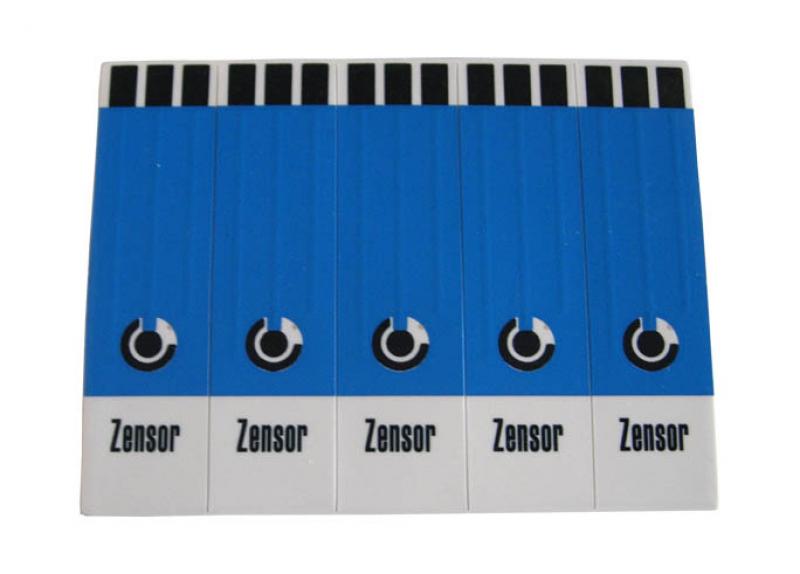
Zensor screen printed electrodes

  • Dimensions: 50 x 13 mm (h x w)
  • Working electrode: 3 mm diameter disk
  • Materials: graphitic carbon powder (working and auxiliary electrodes), Ag/AgCl pellet (reference)

Ask for the customization and Request price information: sales@nanochemazone.com

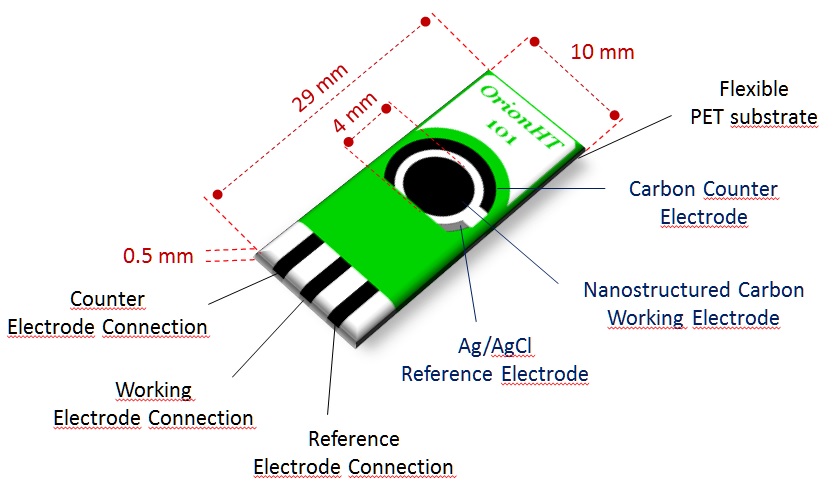
Zensor screen printed electrodes (SPEs) feature a carbon working electrode (central circle), carbon auxiliary (outer annular crescent), and Ag/AgCl pellet reference electrode. They can be used as low-cost disposable electrodes in aqueous solutions of moderate pH. Disposable SPEs can be used as an alternative to expensive glassy carbon or platinum electrodes for teaching experiments, or routine analyses, where a clean reproducible surface would otherwise require time-consuming electrode polishing.

Relatively large tabs at the top of the SPE enable electrical contact with standard miniature alligator clips (no special cables required).

If using solutions that contain species that might react with the Ag/AgCl pellet reference (sulfide, iodide, cyanide, ammonia, etc.) then the Zensor SE100 SPE working electrode is recommended using a conventional reference and auxiliary electrodes, with an intervening salt bridge in cases of serious interference.

Not suitable for use with organic solvents, or concentrated acidic or basic aqueous solutions.

Nanostructured Carbon Screen Printed Electrodes

$0.00
Product Name Orion Screen Printed Electrodes
Product Code NCZSPE105-19
Diameter of WE 2 mm, 3 mm, 4 mm , 5 mm
Size of RE 0.5 x 1 mm
Ratio CE/WE Surface Area 4/1
Shape Rectangle
Overall Dimension 50 x 10mm
Thickness 0.5mm
Thickness of Coated Material 10 µm
Working Electrode Graphite, Gold, Graphene, CNT, Platinum, Silver (customization possible)
Counter Electrode Graphite, Gold, Silver
Reference Electrode Ag/AgCl
Substrate Valox FR1
Packaging 50, 100, 200, 500, 1000 Pcs

Synthetic Urine for Corrosion Testing of Urological Implants, Stabilized

Price range: $95.00 through $525.00
Select options This product has multiple variants. The options may be chosen on the product page

Synthetic Urine

Synthetic Urine

Product Number: NCZ-APS-0014-20

Packaging: 100 mL to 1000 mL

NOTE: Custom pH formulations can be made in the pH range from 2.0 to 9.0. For custom component formulations please contact sales@nanochemazone.com for a quote. Artificial Urine This ready-to-use solution has the same composition as Real Urine Medium and closely resembles human urine. This formulation contains a non-toxic preservatives to avoid bacteria growth and can be stored at room temperature. The pH of the Artificial Urine Stabilized is 6.5.

Artificial Urine's Application:

Artificial Urine for Corrosion Testing of Urological Implants, Stabilized

Artificial Urine

Price range: $95.00 through $525.00
Select options This product has multiple variants. The options may be chosen on the product page

Artificial Urine

Product Number: NCZ-APS-0014

Packaging: 100 mL to 1000 mL (Also available in 25 Litre Containers)

Artificial Urine for Corrosion Testing of Urological Implants, Stabilize

Artificial is designed for testing metallic biomaterials used to produce urological implants and catheters. This convenient product is a ready-to-use solution. Artificial Urine formulation contains a non-toxic preservatives to avoid bacteria growth and can be stored at room temperature. The pH of the final solution is 6.0.

Sodium Chloride 6.773 g/LSodium Phosphate Monobasic, Dihydrate 1.33 g/LPotassium Chloride 6.065 g/LCalcium Chloride Dihydrate 0.883 g/LSodium Citrate Dihydrate 0.584 g/L Sodium Phosphate Dibasic 0.435 g/LSodium Sulfate 2.431 g/LMagnesium Sulfate, Heptahydrate 0.731 g/LAmmonium Chloride 2.322 g/LPro-Clean 0.3 mL/L
Artificial Urine FOR TESTING STERILE URETHRAL CATHETERS Artificial specifies the method to test sterile urethral catheters. This ready-to-use solution should be stored frozen to avoid bacteria growth. The pH of the solution is 6.6.
The pH of the solution 6.6 /- 0.1Urea  25.0 g/LSodium Chloride 9.0 g/LDisodium Hydrogen Orthophosphate, anhydrous 2.5 g/L Potassium Dihydrogen Orthophosphate 2.5 g/LAmmonium Chloride 3.0 g/LCreatinine 2.0 g/LSodium Sulphite, hydrated 3.0 g/L
Medium for Growing Urological Pathogens This ready-to-use solution closely resembles the composition of human urine and can be used for clinical studies as well as for product testing. This formulation supports growth of wide range of urinary pathogens and it is also capable of forming crystals similar to those found in natural urinary tract infections. It can be used as negative controls in laboratory testing. pH of the Artificial Urine Medium is 6.5. This product is stored frozen. Artificial Urine Stabilized This ready-to-use solution has the same composition as Artificial Urine Medium and closely resembles human urine. This formulation contains non-toxic preservative to avoid bacteria growth and can be stored at room temperature. The pH of Artificial Urine Stabilized is 6.5. Contact us for Customization: sales@nanochemazone.com We accept customization in the pH range and composition of Simulated Urine.

ARTIFICIAL ECCRINE PERSPIRATION

Price range: $95.00 through $525.00
Select options This product has multiple variants. The options may be chosen on the product page

Artificial Eccrine Perspiration

ARTIFICIAL SWEAT

Product Number: NCZ-APS-0011

Packaging: 100 mL to 1000 mL

Artificial Eccrine Perspiration we offer is a ready-to-use solution and is the closest mimic to true human eccrine sweat. It consists of nineteen amino acids, the seven most abundant minerals, and the four most abundant metabolites at a pH of 4.5. All concentrations closely match experimentally determined values for adult human eccrine sweat.

The stabilized solution is preserved with a fungicide and bactericide for two years of shelf life at room temperature. The non-stabilized product is kept frozen and has a shelf life of one year.

Note: Custom formulations at varying pH (2-9) can be made as either the stabilized or non- stabilized solutions.

The stabilized version has a preservative that prevents microbial growth and can then be stored at room temperature. The not stabilized version has no preservative and must be kept frozen until you intend to use it. You may need this version if you are testing a product that claims to prevent microbial growth or odor from perspiration. Our Artificial Eccrine Perspiration normally comes at pH 4.5, however, we can make it custom from pH 2.0 – 9.0.

Simulated Saliva Applications:

Makers of smartwatches, high-performance textiles, biosensors, heads-up displays, and fitness monitors all have one thing in common – the need to test their products for quality assurance. Personal electronics and wearable technology manufacturers perform sweat testing on materials including touch screens, watchbands, keyboards, eyeglasses, and any other product material or surface that would benefit from guaranteed reproducible results with artificial perspiration. By using artificial eccrine perspiration, our customers are able to save time and ensure the same repeatable results anywhere, anytime.

Contact us for Customization: sales@nanochemazone.com

ARTIFICIAL SWEAT

Price range: $95.00 through $525.00
Select options This product has multiple variants. The options may be chosen on the product page

Artificial Sweat/Eccrine Perspiration

ARTIFICIAL SWEAT/SYNTHETIC SWEAT

Product Number: NCZ-APS-0011-20

Packaging: 100 mL to 1000 mL

NOTE: Custom pH formulations can be made in the pH range from 2.0 to 9.0. For custom component formulations please contact sales@nanochemazone.com for a quote.

Artificial Eccrine Perspiration we offer is a ready-to-use solution and is the closest mimic to true human eccrine sweat. It consists of nineteen amino acids, the seven most abundant minerals, and the four most abundant metabolites at a pH of 4.5. All concentrations closely match experimentally determined values for adult human eccrine sweat.

Artificial Sweat stabilized solution is preserved with a fungicide and bactericide for two years of shelf life at room temperature. The non-stabilized product is kept frozen and has a shelf life of one year.

Note: Custom formulations at varying pH (2-9) can be made as either the stabilized or non- stabilized solutions.

Artificial Eccrine Perspiration stabilized version has a preservative that prevents microbial growth and can then be stored at room temperature. The not stabilized version has no preservative and must be kept frozen until you intend to use it. You may need this version if you are testing a product that claims to prevent microbial growth or odor from perspiration. Our Artificial Eccrine Perspiration normally comes at pH 4.5, however, we can make it custom from pH 2.0 – 9.0.

Artificial Eccrine Perspiration Applications:

Makers of smartwatches, skin drug testing, pharmaceutical industries, high-performance textiles, biosensors, heads-up displays, and fitness monitors all have one thing in common – the need to test their products for quality assurance. Personal electronics and wearable technology manufacturers perform sweat testing on materials including touch screens, watchbands, keyboards, eyeglasses, and any other product material or surface that would benefit from guaranteed reproducible results with artificial perspiration. By using artificial eccrine perspiration, our customers are able to save time and ensure the same repeatable results anywhere, anytime.

Contact us for Customization: sales@nanochemazone.com

Artificial Saliva

Price range: $95.00 through $525.00
Select options This product has multiple variants. The options may be chosen on the product page

Artificial Saliva

Product Number: NCZ-APS-0012

Packaging: 100 mL to 1000 mL

We provide several formulations of artificial saliva based on official testing methods as well as published scientific data. To increase the stability of some products during storage, several artificial saliva formulations come as 2-part formulations that need to be combined before use. Custom formulations to accommodate specific pH or ingredient requirements are also available upon request.

Simulated Saliva Applications:

For testing of products for corrosion, colorfastness, and discoloration

For testing biodegradability of dental metal alloys

To determine colorfastness of products intended to be taken into the mouth

ARTIFICIAL SALIVA FOR PHARMACEUTICAL RESEARCH

Artificial Saliva is formulated according to literature for pharmaceutical research such as studies of drug dissolution and drug delivery through the oral mucosa. This is ready to use formulation that should be stored refrigerated. The pH of the solution is 6.8.

ARTIFICIAL SALIVA FOR MEDICAL AND DENTAL RESEARCH

This Artificial Saliva is formulated according to literature references for medical and dental research. This formulation has a similar composition to commercially available products used to treat dry mouth and other conditions. This ready-to-use solution contains Sodium Carboxymethyl Cellulose to increase the viscosity of the solution and make it behave similarly to natural human saliva. This formulation can be stored at room temperature and has a pH of 6.8. This solution is only intended for product testing and research, and not for medical use.

pH and contents are customizable upon request.

Artificial Saliva is formulated to Test Products for Colorfastness and Biodegradability of Dental Metal Alloys

Contact us for Customization: sales@nanochemazone.com

ARTIFICIAL SEBUM

Price range: $375.00 through $1,875.00
Select options This product has multiple variants. The options may be chosen on the product page

Artificial Sebum Solution

SYNTHETIC SEBUM FORMULATION

Product Number: NCZ-APS-0012-20

Packaging: 100 mL to 1000 mL

NOTE: Custom pH formulations can be made in the pH range from 2.0 to 9.0. For custom component formulations please contact sales@nanochemazone.com for a quote.

Sebum stabilized solution is preserved with a fungicide and bactericide for two years of shelf life at room temperature. Artificial Sebum without stabilized known as non-stabilized sebum if this product is kept frozen and then it has a shelf life of one year.

Note: Custom formulations at varying pH (2-9) can be made as either the stabilized or non- stabilized solutions.

Artificial Sebum stabilized version has a preservative that prevents microbial growth and can then be stored at room temperature. The not stabilized version has no preservative and must be kept frozen until you intend to use it. You may need this version if you are testing a product that claims to prevent microbial growth or odor from perspiration. Our Artificial Sebum normally comes at pH 4.5, however, we can make it custom from pH 2.0 – 9.0.

Artificial Sebum Applications:

Sebum is an oily secretion produced by sebaceous glands, which spreads over the hair and skin for waterproofing purposes. Nanochemazone manufactures an artificial sebum formulation according to ASTM designation D4265-14 or D4265-98. It is ready-to-use and provides the reliability, reproducibility, and convenience needed for testing. This formulation can be used according to AATCC Standard Test Method 130-2010 for evaluating the efficacy of home laundry products and conditions to remove stains from fabric.

Contact us for Customization: sales@nanochemazone.com

Graphdiyne Powder

Price range: $250.00 through $2,700.00
Select options This product has multiple variants. The options may be chosen on the product page

Product Name: Graphdiyne Powder

Product Graphdiyne Powder
Pack Size 10 mg, 20 mg, 50 mg, 100 mg & 1 gram
CAS No. 154702-15-5
Product Code NCZ-GD-104
APPLICATION FIELDS

Graphdiyne (GDY) is a new type of two-dimensional carbon allotrope. It is a new all-carbon nanostructured material after fullerenes, carbon nanotubes and graphene. In 2010, Li Yuliang, Academician Group For the first time, a high-quality graphene film was successfully synthesized on the surface of Cu foil by the cross-coupling reaction of hexamethylene benzene precursor. Graphene has a rich carbon chemical bond, a large conjugated system, wide interplanar spacing, and excellent chemical stability. It is known as the most stable allotrope of synthetic diacetylene. Its unique sp-sp2 carbon atoms, uniform pores and high π-conjugated structure have shown broad application prospects in gas separation, catalysis, water treatment, humidity sensors and energy.

The synthesis of Graphdiyne was reported as a 1 mm film on a copper surface. Graphdiyne was predicted to exhibit a nanoweb-like structure, characterized by triangular and regularly distributed pores, thus forming a nanoporous membrane. Due to the effective size of its pores, which almost matches the van der Waals radius of the helium atom, graphdiyne could behave as an ideal two-dimensional membrane for helium chemical and isotopic separation. The application of a graphdiyne based membrane as an efficient two-dimensional sieve for water filtration and purification technologies has been proposed.

RELATED INFORMATION Storage Conditions: Sealed, avoid light, keep dry at room temperature. 

Graphdiyne Oxide Powder

Price range: $250.00 through $2,700.00
Select options This product has multiple variants. The options may be chosen on the product page

Product Name: Graphdiyne Oxide Powder

Product Graphdiyne Oxide Powder
Pack Size 10 mg, 20 mg, 50 mg, 100 mg & 1 gram
CAS No. 154702-15-5
Product Code NCZ-GD-105
APPLICATION FIELDS

Graphdiyne (GDY) is a new type of two-dimensional carbon allotrope. It is a new all-carbon nanostructured material after fullerenes, carbon nanotubes and graphene. In 2010, Li Yuliang, Academician Group For the first time, a high-quality graphene film was successfully synthesized on the surface of Cu foil by the cross-coupling reaction of hexamethylene benzene precursor. Graphene has a rich carbon chemical bond, a large conjugated system, wide interplanar spacing, and excellent chemical stability. It is known as the most stable allotrope of synthetic diacetylene. Its unique sp-sp2 carbon atoms, uniform pores and high π-conjugated structure have shown broad application prospects in gas separation, catalysis, water treatment, humidity sensors and energy.

The synthesis of Graphdiyne was reported as a 1 mm film on a copper surface. Graphdiyne was predicted to exhibit a nanoweb-like structure, characterized by triangular and regularly distributed pores, thus forming a nanoporous membrane. Due to the effective size of its pores, which almost matches the van der Waals radius of the helium atom, graphdiyne could behave as an ideal two-dimensional membrane for helium chemical and isotopic separation. The application of a graphdiyne based membrane as an efficient two-dimensional sieve for water filtration and purification technologies has been proposed.

RELATED INFORMATION Storage Conditions: Sealed, avoid light, keep dry at room temperature. 

GRAPHDIYNE FILM

$0.00

Product Name: GRAPHDIYNE FILM

Product Graphdiyne film
Thickness 50-200 nm ± 20 nm
Size 2 cm×2 cm, 2 cm× 10 cm
Base Template Cu
CAS No. 154702-15-5
Product Code NCZ-GD-101
Thickness: a. 300-500 nm (Size: 1×1cm, 1.5×1.5 cm) b. 50-200 nm ± 20 nm (Size:2×2, 2×4, 2×6, 2×8, 2×10 cm) APPLICATION FIELDS Catalysis, supported metal particles for photocatalysis, electrode materials, electrochemistry. RELATED INFORMATION Storage Conditions: Sealed, avoid light, keep dry at room temperature.

Graphdiyne Nanowalls

$0.00

Product Name: Graphdiyne Nanowalls

Product Graphdiyne Nanowalls
Thickness 300-500 nm
Size 1.5cm*1.5cm/1cm*1cm
Template Cu
CAS No. 154702-15-5
Product Code NCZ-GD-102
  APPLICATION FIELDS Catalysis, supported metal particles for photocatalysis, electrode materials, electrochemistry. RELATED INFORMATION Storage Conditions: Sealed, avoid light, keep dry at room temperature.   

Graphdiyne Monomer HEB-TMS

$0.00

Product Name: Graphdiyne Monomer HEB-TMS

Product hexaethynylbenzene(HEB-TMS)
Color pale-yellow powder
CAS No. 154702-15-5
Product Code NCZ-GD-103
APPLICATION FIELDS

Graphidyne (GDY) is a new type of two-dimensional carbon allotrope. It is a new all-carbon nanostructured material after fullerenes, carbon nanotubes, and graphene. In 2010, Li Yuliang, Academician Group For the first time, a high-quality graphene film was successfully synthesized on the surface of Cu foil by the cross-coupling reaction of hexamethylene benzene precursor. Graphene has a rich carbon chemical bond, a large conjugated system, wide interplanar spacing, and excellent chemical stability. It is known as the most stable allotrope of synthetic diacetylene. Its unique sp-sp2 carbon atoms, uniform pores, and high π-conjugated structure have shown broad application prospects in gas separation, catalysis, water treatment, humidity sensors, and energy.

Storage Conditions: Sealed, avoid light, keep dry at room temperature.